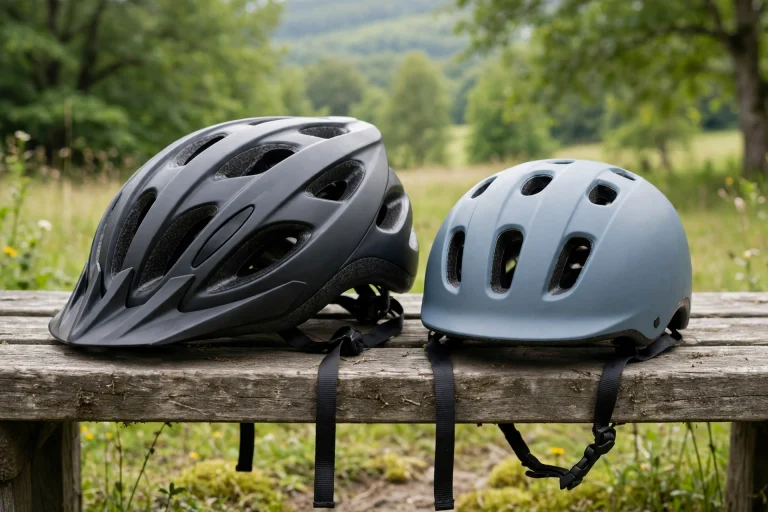
Yes, a helmet can affect your hearing on the road — but in general terms the effect is small, and most riders still hear the sounds that matter, such as traffic, horns, and sirens. A helmet sits over the ears, and its padding, shell, and any visor can muffle sound and change the direction it seems to come from. The question is not whether hearing changes at all, but whether it changes enough to matter for safety.
Hearing is one of the senses riders rely on, alongside sight, to judge what is happening around them. A car approaching from behind, a horn, or the sound of tyres on wet tarmac can all give an early warning. This guide explains how a helmet affects hearing, which types of helmet affect it most, and what riders can do to hear as well as possible while staying protected.
How Much Can You Hear Through a Helmet?
Most riders can still hear well through a helmet, though sounds may seem quieter and a little less sharp than they would without one. The padding around the ears absorbs some sound, and the shell can block sounds coming from certain directions. High-pitched sounds, such as a distant siren, may be harder to place, while louder, closer sounds, such as a car horn or an engine beside you, usually come through clearly.
The effect also depends on speed. At low speed in town, wind noise is low and a rider can usually hear traffic well. At higher speeds, wind rushing past the helmet creates its own noise, and that wind noise can mask other sounds far more than the helmet itself does. In general terms, the faster you go, the harder it is to pick out quiet sounds, with or without a helmet.
Does a Helmet Block Important Road Sounds?
In general terms, a well-fitting helmet does not block the important sounds a rider needs. Horns, sirens, engines, and the sound of a vehicle drawing alongside are loud and close enough to get through the padding. What a helmet is more likely to muffle is quieter background sound: a bicycle bell further away, a pedestrian calling out, or the soft hum of a distant electric car.
The type of helmet matters too. A full face helmet covers the ears more fully than an open face helmet, so it tends to muffle sound a little more. An open face or half helmet leaves the ears more exposed, which can make hearing easier, though it gives less protection in a crash. If you are learning about how helmets handle different kinds of impact, reading about what MIPS is for helmets can help you understand one of the technologies used in modern helmet design.

Can a Full Face Helmet Affect Hearing More Than an Open Face Helmet?
Yes, in general terms a full face helmet affects hearing more than an open face helmet, because it covers the ears and the jaw with padding and a solid shell. The chin bar and the close fit around the ears create a barrier that softens sound from the sides and behind. An open face helmet leaves the lower face and ears more open, so sound reaches the ears more directly.
That does not mean a full face helmet is a bad choice for hearing. Many full face helmets are designed with ear pockets that leave a little space around the ears, and the padding can be shaped to let more sound through. The difference between a well-designed full face helmet and an open face helmet is often smaller than riders expect, especially once wind noise at speed is taken into account.
How Can Riders Hear Better While Wearing a Helmet?
Fit is the first thing to get right. A helmet that is too tight can press the padding hard against the ears and muffle sound more than it needs to. A helmet that fits properly — snug but not squeezing — lets the ears sit naturally in their pockets and gives sound a clearer path. If your helmet presses painfully on your ears, it may be the wrong size or shape for your head.
Reducing wind noise helps too. A helmet with a good seal around the visor and neck, or a simple wind deflector, can cut the rushing sound that masks other noises. Some riders use earplugs designed for motorcycling, which may sound odd, but these are made to cut wind noise while still letting through horns and speech. They can actually make it easier to hear the sounds that matter by lowering the background roar.
Finally, use your other senses to support your hearing. Keep your mirrors adjusted, check over your shoulder before changing lanes, and watch for the visual signs of traffic — brake lights, turning wheels, and the movement of other vehicles. Hearing is only one part of staying aware on the road, and good visual habits more than make up for any small loss of sound through a helmet.
What Should You Do If You Struggle to Hear with a Helmet On?
If you find it hard to hear important sounds with your helmet on, start by checking the fit and the padding. Worn or compressed padding can sit differently around the ears, and a helmet that has been dropped or damaged may not sit as it should. A fresh set of cheek pads, or a different helmet shape, can sometimes make a real difference.
Consider the design of your next helmet. Some helmets are known for better ventilation and quieter airflow, which can reduce wind noise and make other sounds clearer. Reading reviews and trying helmets on in person is the best way to compare, because hearing through a helmet is hard to judge from a specification sheet alone.
If hearing is a lasting concern, talk to a hearing specialist. They can check whether the problem is the helmet or your hearing itself, and advise on options such as riding earplugs or a helmet with a different ear pocket design. Do not ride without a helmet to hear better — the protection it gives is worth far more than the small amount of sound it takes away.
Frequently Asked Questions
Q: Can you hear a car horn through a full face helmet?
A: Yes, in general terms a car horn is loud and close enough to be heard clearly through a full face helmet. Quieter or more distant sounds may be harder to hear, but horns, sirens, and nearby engines usually come through well.
Q: Do earplugs make it harder to hear traffic?
A: Riding earplugs are designed to cut wind noise while still letting through horns and speech, so in general terms they can make it easier to hear important sounds by lowering the background roar. Ordinary foam earplugs may block too much sound for riding.
Q: Is it safe to ride with a helmet that muffles sound?
A: Yes, for most riders a well-fitting helmet still allows enough hearing for safe riding, especially when combined with mirrors and shoulder checks. If you struggle to hear important sounds, check the fit and consider a helmet designed for lower wind noise.

Olivia
Writer at Helmet Today, covering helmet reviews, fit and riding safety.