A helmet for riders with dementia is a well-fitting, comfortable cycling helmet worn to protect the head of a person living with dementia who still enjoys riding, and in general terms the best choice is a light, easy-to-fasten helmet that the rider is happy to wear every time. Dementia can affect balance, judgement, and reaction time, which means a fall is more likely, so head protection becomes more important, not less.
Many people living with dementia still enjoy cycling, whether on a quiet path, in a park, or on a gentle ride with a companion. Riding can bring fresh air, exercise, and a sense of freedom. A helmet is a simple way to make those rides safer, but it only helps if the rider actually wears it, so comfort and ease of use matter as much as protection.
What is a helmet for riders with dementia?
A helmet for riders with dementia is not a special medical device. It is a normal cycling helmet, chosen with the rider’s needs in mind. What makes the choice different is the focus on comfort, simplicity, and fit, because a helmet that feels strange, heavy, or hard to fasten is likely to be left at home.
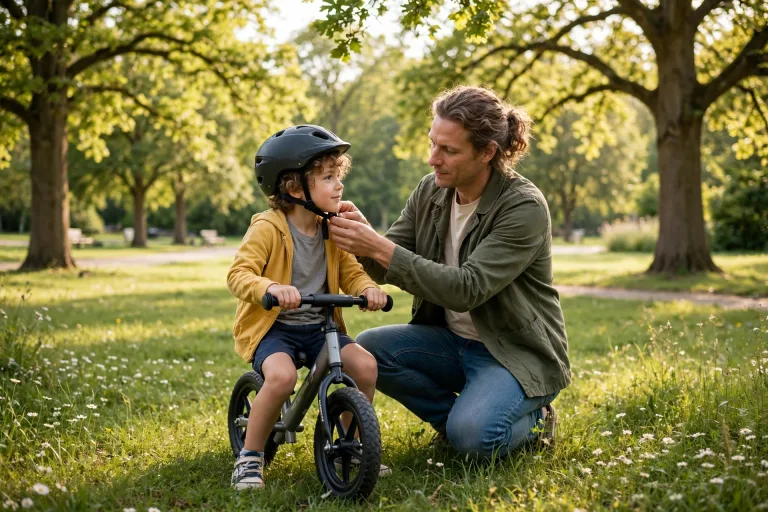
The rider may need help choosing and fitting the helmet, and may need a reminder to put it on before each ride. A companion or carer can help with that, and can check the fit each time. In general terms, the helmet should be treated like any other part of the riding routine, put on at the same point every time so it becomes a habit.
Why might a rider with dementia need a helmet?
Dementia can affect the way a person moves and reacts. Balance may become less steady, and it may take longer to notice a hazard, such as a kerb, a pedestrian, or a change in the surface. A rider may also become confused about where they are or which way to turn, which can lead to a sudden stop or a fall.
A helmet cannot prevent a fall, but it can reduce the force of a knock to the head if the rider comes off the bike. For a person who may already be frail, or who may take medication that affects balance, that protection matters. A helmet is a low-effort safety step that supports the rider’s independence rather than taking it away.
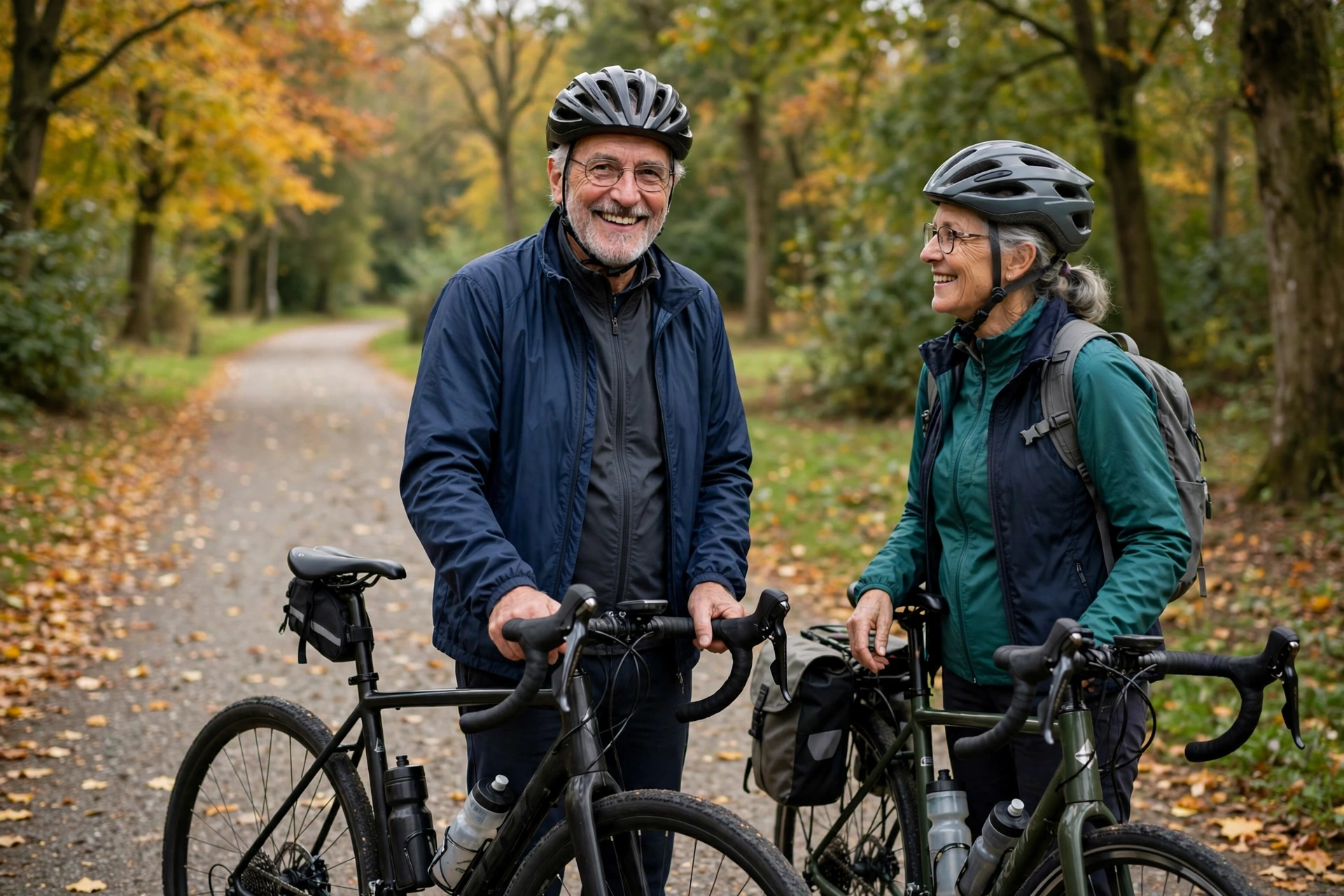
What kind of helmet works best?
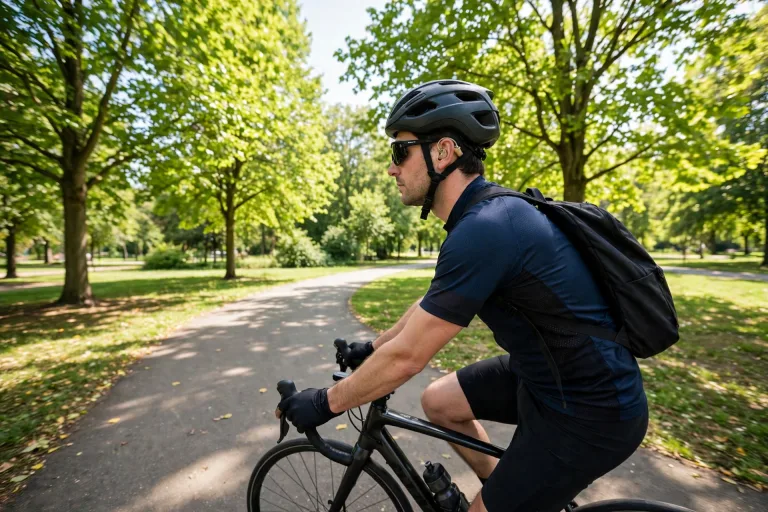
In general terms, a light, well-ventilated helmet works best, because it is comfortable to wear and does not feel heavy on the neck. A helmet with a simple fastening, such as a large, easy-to-use buckle or a magnetic clasp, is easier to manage than a fiddly strap, especially for a rider whose fingers are less nimble than they used to be.
Look for a helmet with a dial or pads that adjust easily, so the fit can be set once and left alone. A bright colour can help the rider be seen by others, and a helmet with a peak or visor can help with glare. Avoid helmets that are heavy, hot, or hard to put on, and avoid any helmet that the rider finds uncomfortable, because an uncomfortable helmet will not be worn. Some helmets include a system designed to reduce rotational forces in a fall, such as MIPS, which is worth asking about when you choose.
How can a companion help with helmet use?
A companion can help by making the helmet part of the routine. Keep the helmet in the same place, by the bike or by the door, so it is easy to find. Put it on together at the start of the ride, and check the fit each time: level on the head, low over the forehead, strap snug under the chin.
A companion can also watch for signs that the helmet no longer fits well, for example if the rider has lost weight or if the pads have worn thin. It helps to keep the helmet clean and the strap working smoothly, and to replace it if it is damaged or after a hard fall. Gentle reminders work better than arguments, and if the rider refuses the helmet on a particular day, it may be better to choose a shorter, safer ride or a different activity that day.
What else helps keep rides safe?
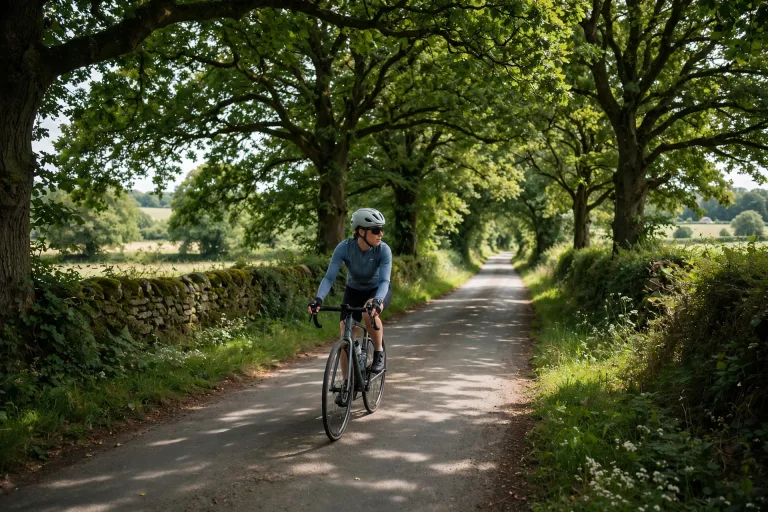
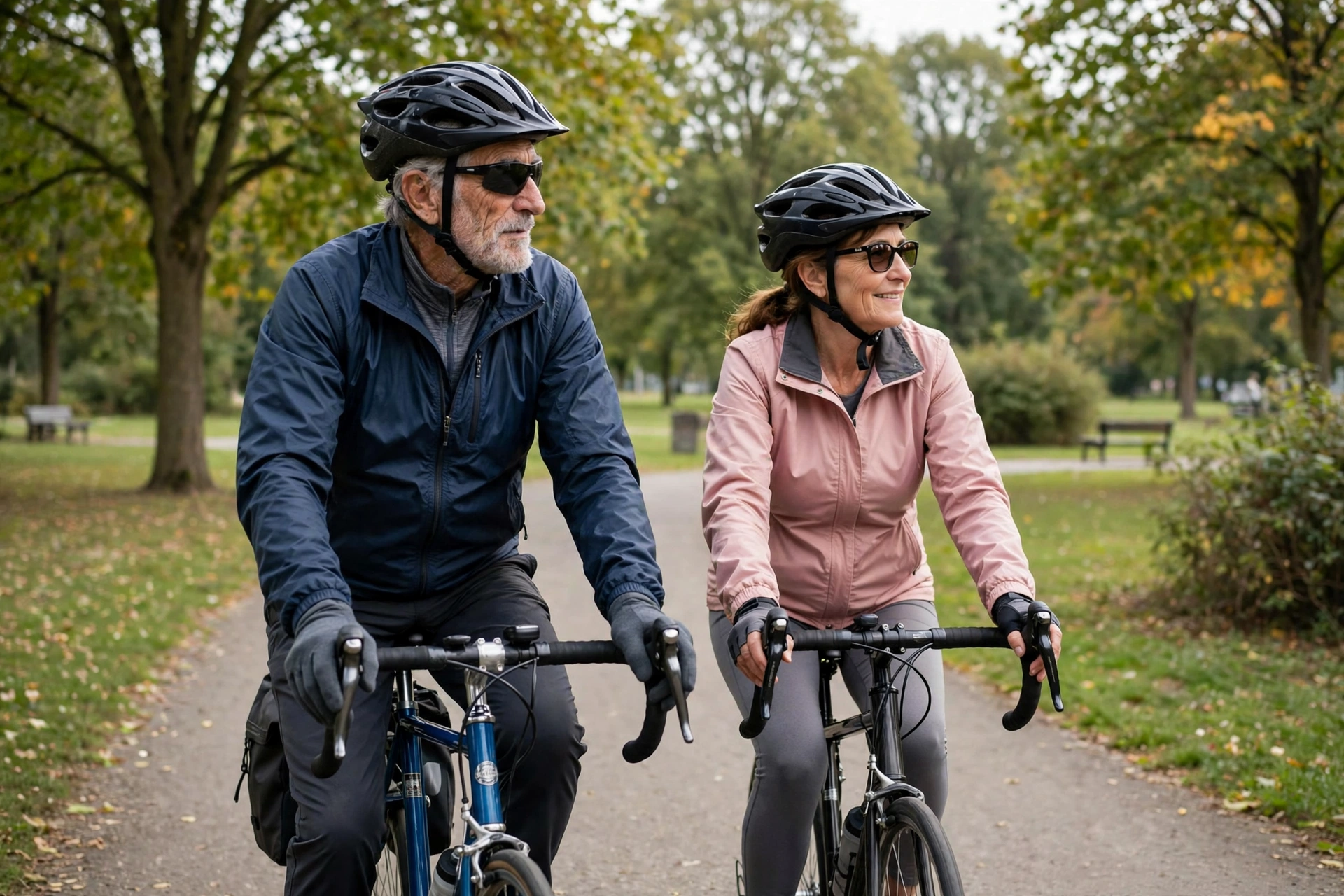
A helmet is only one part of staying safe. Riding with a companion is one of the best safety steps, because the companion can watch the route, help with turns, and give a hand if the rider becomes tired or confused. Choose quiet, flat routes with few junctions, and ride at a gentle pace.
A tricycle or a stable, upright bike can be easier to manage than a standard bicycle, and it may suit a rider whose balance is less steady. Check the bike regularly, keep the tyres pumped and the brakes working, and plan rides for a time of day when the rider is usually at their best. In general terms, the aim is to keep riding enjoyable and safe for as long as possible, with the helmet as a quiet part of that plan.
It also helps to carry a phone and some identification, and to let someone know the route and the expected return time. A companion who knows the route can step in quickly if the rider becomes unsure of the way, and a short, familiar route is often better than a long new one. Keeping rides regular, at a similar time of day, can also help the rider feel confident and relaxed.
Does a person with dementia have to wear a helmet when cycling?
In general terms, it is strongly sensible, because dementia can affect balance and reaction time, which raises the risk of a fall. A well-fitting helmet is a simple way to protect the head on every ride.
What if the rider refuses to wear a helmet?
Try a lighter or more comfortable helmet, make it part of the routine, and offer gentle reminders. If the rider still refuses, choose a shorter, quieter ride, or another activity that day, rather than forcing the issue.
Is a special helmet needed for riders with dementia?
No special medical helmet is needed. A normal, well-fitting cycling helmet is fine, chosen for comfort, light weight, and a simple fastening, with help from a companion to check the fit.

Olivia
Writer at Helmet Today, covering helmet reviews, fit and riding safety.