
A helmet for riders with vertigo is a well-fitting, comfortable helmet worn as part of a careful approach to riding, and in general terms it means choosing a helmet that fits snugly without adding pressure, riding at a calm pace on familiar routes, and stopping to rest whenever dizziness appears. Vertigo is a feeling of spinning or dizziness, and it can make balance harder, so riders who live with it need to plan their rides with extra care, and the helmet is one part of that plan.
Vertigo has many causes, and it can come and go, which makes it hard to predict. Some riders have brief spells that pass quickly, while others live with dizziness that lasts longer or returns often. Riding a bike or a scooter asks for balance, quick reactions, and a steady sense of where you are, so vertigo can make riding feel uncertain. That does not mean riding is out of the question, but it does mean the rider should be honest about how they feel and take advice from a doctor before deciding to ride.
Can you ride with vertigo?
Whether you can ride with vertigo depends on how strong the dizziness is, how often it happens, and what your doctor advises, and in general terms the answer is different for every rider. Some people have mild, rare spells and can ride safely with care, while others have vertigo that makes riding unsafe, at least until the cause is treated. The only safe way to decide is to talk to a doctor, describe your symptoms honestly, and follow the advice you are given, even if that advice is to stop riding for a while.
It is also important to be honest with yourself about how you feel on the day. Vertigo can be worse when you are tired, dehydrated, or unwell, so a ride that felt fine last week may not feel fine today. If you feel dizzy before you set off, that is a sign not to ride, and if dizziness starts during a ride, that is a sign to stop. No ride is worth a fall, and a rider who stops early is making a good decision, not giving up.
How does vertigo affect riding?
Vertigo affects riding mainly by disturbing balance and the sense of where your body is in space. In general terms, a rider with vertigo may feel as though the world is spinning or tilting, even when they are standing still, and that feeling can make it hard to keep a bike steady, to judge a turn, or to react quickly to a hazard. Turning the head to check behind, which riders do often, can also bring on a spell, because the movement itself can disturb the balance system in the inner ear.
There are other effects too. Dizziness can bring nausea, sweating, or a feeling of being unwell, and those symptoms make it harder to concentrate on the road. A sudden spell at speed is frightening, and fear itself can make a rider tense up and grip the handlebars too tightly, which makes balance worse.
What kind of helmet helps a rider with vertigo?
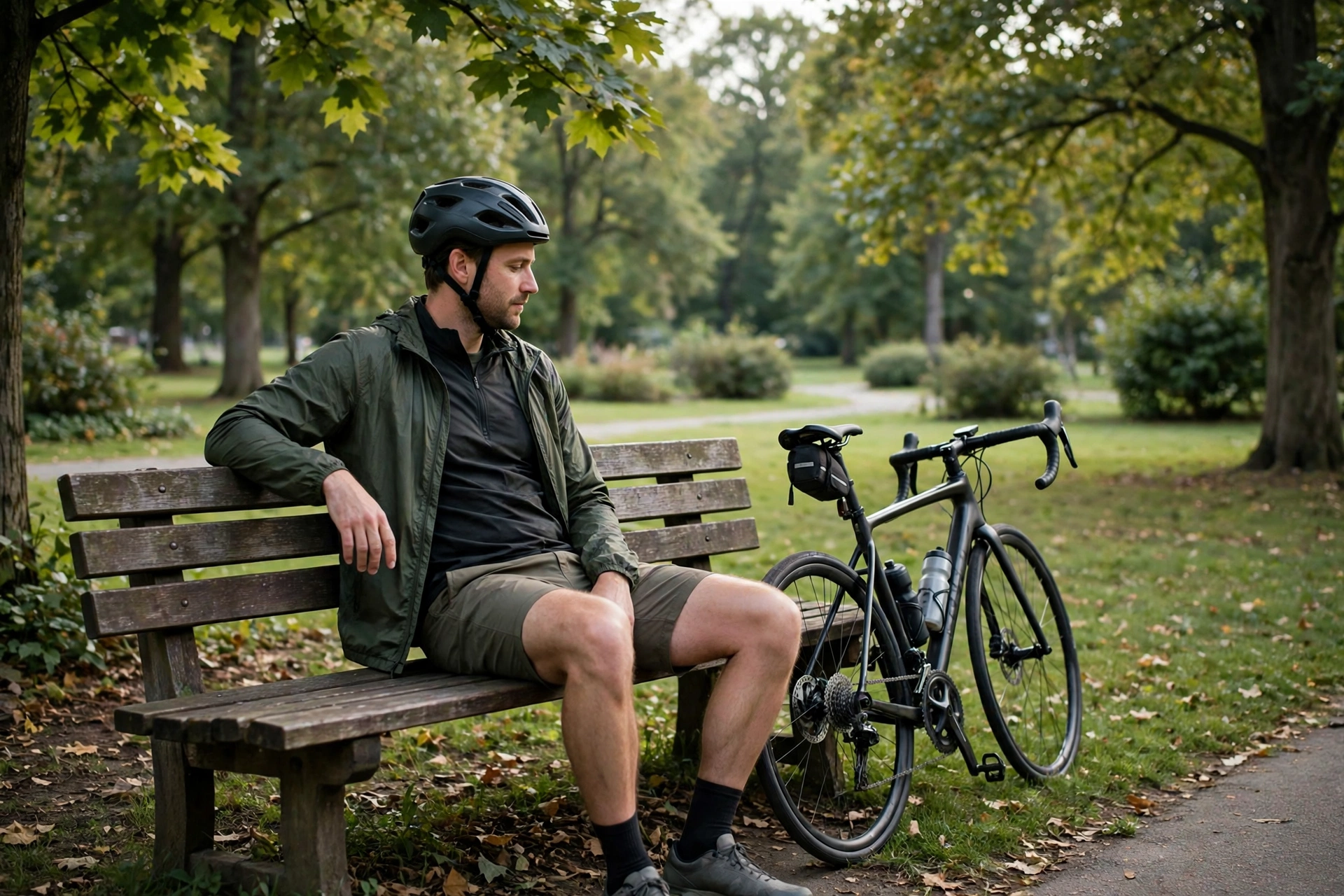
The best helmet for a rider with vertigo is, in general terms, a light, well-ventilated helmet that fits snugly without pressing hard on the head, because a heavy or tight helmet can add to discomfort and make a dizzy spell feel worse. Look for a helmet that sits level, feels even all round, and does not press on one spot, and try it on for several minutes in the shop rather than for a few seconds, since pressure that seems small at first can grow over a ride. A helmet with good airflow helps too, because overheating can make dizziness worse.
It is also worth choosing a helmet that is easy to take on and off without a struggle, since fumbling with a stiff strap or a tight fit while feeling dizzy is the last thing you need. A simple, smooth strap system and a dial or adjuster that works with one hand are worth looking for. Some helmets include a system designed to help with rotational forces in a fall, such as MIPS, and a rider with vertigo may find that feature worth considering in the same way as any other rider, but the fit and the comfort of the helmet should come first.
How can a rider with vertigo stay safe on the road or trail?
A rider with vertigo can stay safer by choosing calm routes and a calm pace. In general terms, that means flat paths away from traffic, familiar roads with few surprises, and rides at quiet times of day, rather than busy roads or steep, winding descents. Riding with a friend is also a good idea, so that there is someone nearby if a spell starts, and so that the ride itself feels less stressful. Let the friend know about the vertigo before you set off, so they understand if you need to stop suddenly.
It also helps to keep rides short at first, and to build up slowly, so you learn how your body responds without pushing too far. Drink water before and during the ride, eat before you set off, and rest well the night before, since tiredness and dehydration can make dizziness worse. Avoid sudden head movements when you can, and check behind by slowing down first rather than by snapping your head round.
When should a rider with vertigo stop and rest?
A rider with vertigo should stop and rest as soon as dizziness, spinning, or nausea appears, and should not try to ride through it. In general terms, the safest thing to do is to slow down gently, pull over to a safe place away from traffic, and sit or stand still until the feeling passes. If the dizziness does not pass quickly, or if it keeps returning, the ride is over for the day, and it is better to walk the bike home or call for a lift than to keep riding while unsteady.
It is also wise to stop if you notice warning signs before a full spell, such as a light-headed feeling, a ringing in the ears, or a sense that your balance is off. Riders who know their own patterns often learn to spot these early signs, and stopping early is the best response. Keep a phone with you, tell someone where you are riding, and carry water and a snack, so that a stop to rest is comfortable rather than a worry. If vertigo is new, getting worse, or happening often, that is a reason to see a doctor again rather than to keep riding and hoping it goes away.
Is it safe to ride a bike if I have vertigo?
In general terms, it depends on the cause and severity of your vertigo, so talk to a doctor first. Some riders can ride safely with care, while others should not ride until the cause is treated.
Can a helmet stop vertigo?
No, a helmet cannot stop vertigo. It protects your head if you fall, and a comfortable, well-fitting helmet can help you feel steadier, but it does not treat the cause of the dizziness.
What should I do if I feel dizzy while riding?
Slow down gently, pull over somewhere safe, and rest until the feeling passes. If it does not pass, or it keeps coming back, end the ride and get help rather than riding on.

Olivia
Writer at Helmet Today, covering helmet reviews, fit and riding safety.