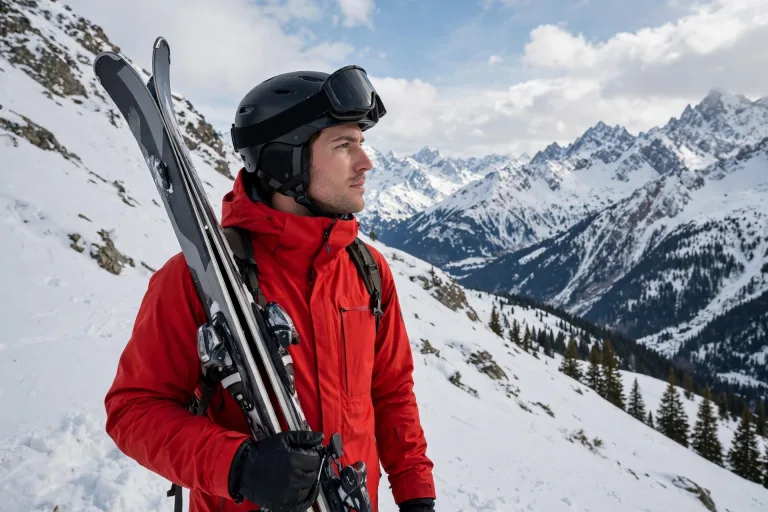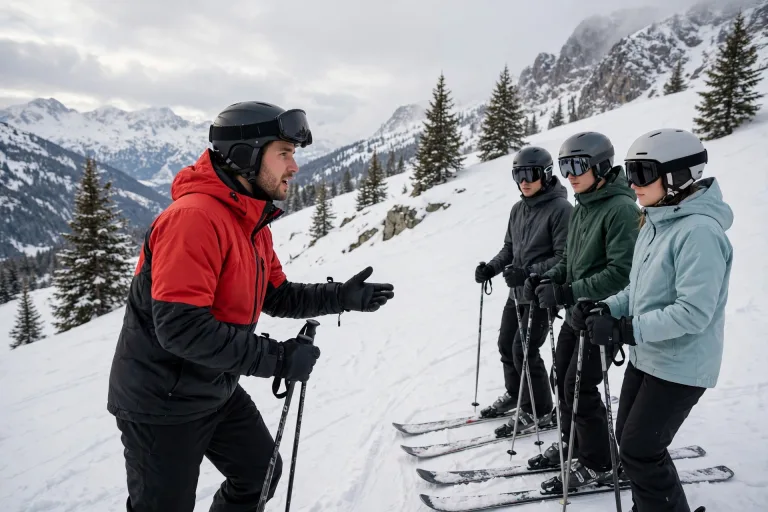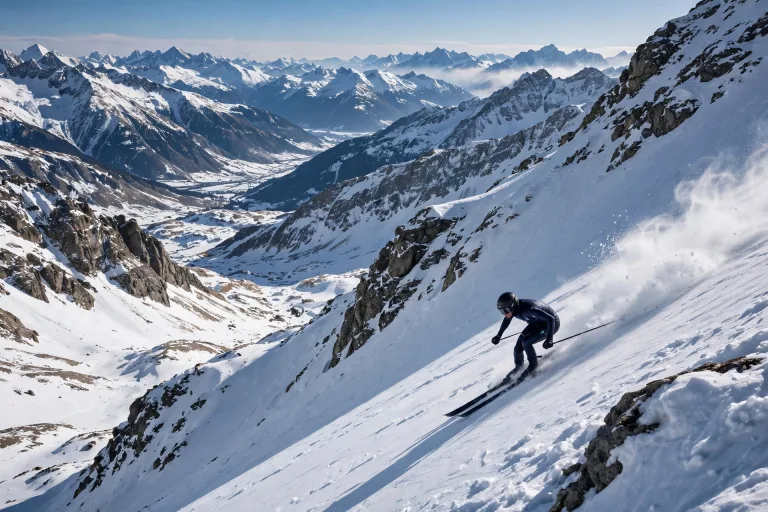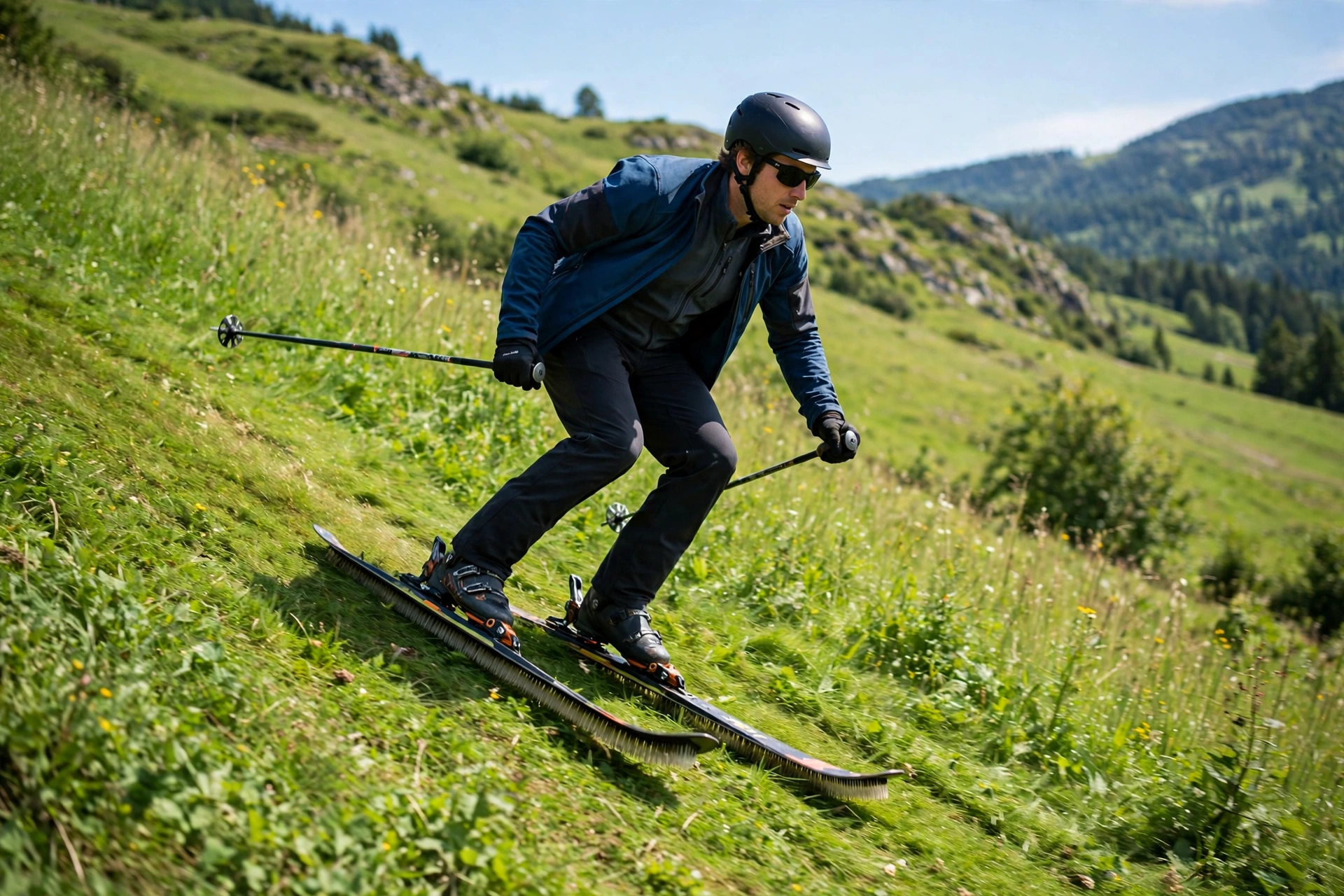
A helmet for grass skiing is a helmet worn on the grass slopes, and in general terms it is a ski-style helmet that protects the head from falls onto hard ground, because grass skiing uses short skis with wheels or tracks on a grassy slope instead of snow. Grass skiing looks like skiing, but it happens on green hills in summer, and the ground under a grass skier is much harder than snow, which is why a helmet matters just as much off the snow as on it.
Grass skiing began as a way for skiers to train during the summer, and it has grown into a sport of its own, with its own slopes, races, and fans. The skier stands on short skis fitted with wheels or a tracked base, and glides down a grassy hill, turning in the same way as on snow. It is a good way to keep ski skills sharp when there is no snow, and it is also a fun summer activity in its own right, but the falls are different, because grass does not cushion a landing the way snow does.
What is grass skiing?
Grass skiing is a summer sport in which a skier goes down a grassy slope on special short skis. In general terms, the skis are much shorter than snow skis, and they have wheels or a caterpillar-style track underneath that rolls over the grass, so the skier can glide and turn in a way that feels close to snow skiing. The skier uses poles for balance and steering, wears boots that attach to the skis, and follows a marked course down the hill, in the same way as a skier on snow.
The sport is practised in places with grassy hills and warm summers, and it has its own competitions, with racers timed down a course marked with gates. Beginners usually start on gentle slopes with an instructor, learning to stand, glide, and stop before they try turns at speed. Because the skis roll rather than slide, the feeling is a little different from snow skiing, but the basic skills of balance, edging, and turning carry over, which is why ski racers have long used it as summer training.
Why do grass skiers wear a helmet?
Grass skiers wear a helmet because a fall on grass is a fall onto hard ground. In general terms, snow gives way and cushions a fall, but grass covers soil that is firm, and a grassy slope may also hide stones, ruts, or bare patches. A skier who falls at speed can hit the ground hard, and a helmet spreads the force of that impact and protects the head from knocks that would otherwise cause a serious injury.
The helmet also protects against the skier’s own kit. Grass skis have wheels or tracks with hard parts, and a falling skier can be struck by a ski or a pole, so the helmet’s shell gives useful protection there too. And because grass skiing often happens in warm weather, a helmet with good ventilation matters, so the skier stays cool enough to concentrate. A helmet is not an optional extra for grass skiing; it is part of the basic kit, in the same way as it is for snow skiing.
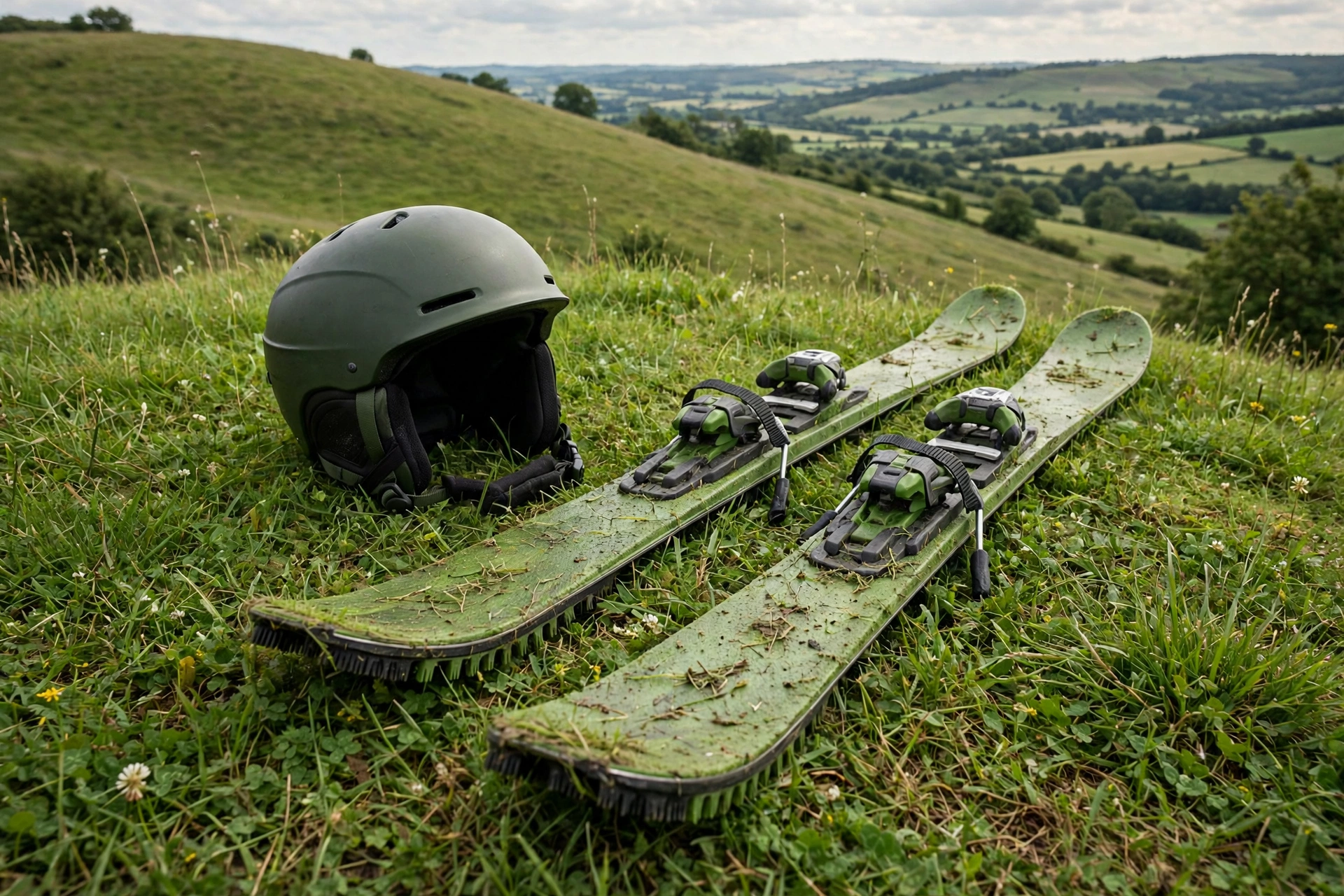
What kind of helmet is used for grass skiing?
Grass skiers usually wear a ski helmet, often the same kind of helmet used for snow skiing, because it is built for the same kind of impacts and the same kind of speeds. In general terms, a helmet that meets a recognised snow sports standard is a good starting point, and it should fit snugly, sit level on the head, and work well with goggles or sunglasses. The helmet should also have good ventilation, since grass skiing happens in warm weather and a hot head makes it harder to concentrate.
Some grass skiers choose a helmet with a hard shell that covers the ears, which gives extra protection in a fall, while others prefer a lighter helmet with more airflow for warm days. Either can work, as long as the fit is right and the helmet meets a recognised standard for snow sports. Some helmets include a system designed to help with rotational forces in a fall, such as MIPS, and a grass skier may choose one of those in the same way as a snow skier. The key point is to use a helmet made for skiing, not a helmet made for a different sport, because the protection is designed around the falls that skiers actually have.
How is grass skiing different from snow skiing?
Grass skiing is different from snow skiing mainly in the surface and the skis. In general terms, snow is soft and gives way under a fall, while grass is firm and does not cushion a landing, so falls on grass can hurt more and need the same care with protection. The skis are also different: grass skis are short, with wheels or tracks, and they roll over the ground rather than sliding, which changes how they turn and stop. A grass skier has to learn to manage that rolling feeling, and to stop without the snow to push against.
The conditions are different too. Grass skiing happens in warm, dry weather, so the skier wears light clothing and needs sun protection and water, where a snow skier needs warm layers and protection from the cold. The slopes are often shorter than ski runs, and the courses are set on hills that are used for other things in winter.
How do you start grass skiing safely?
To start grass skiing safely, begin with a lesson from an instructor on a gentle slope, with a helmet and the right kit. In general terms, a first session should cover how to stand on the skis, how to glide in a straight line, and how to stop, before you try any turns. Go slowly at first, keep your knees soft, and look ahead rather than down at your feet, since looking ahead helps your balance. Wear gloves, long sleeves, and long trousers as well as a helmet, because a fall on grass can graze the skin even when the head is protected.
It also helps to check the slope before you start, and to ask the instructor about the surface and the course. Avoid slopes that are wet, very steep, or full of ruts until you have more experience, and always stay within the marked area. Build up speed slowly over several sessions, and stop for a rest when you feel tired, since tired legs make falls more likely. With a helmet, a lesson, and a gentle slope, grass skiing is a good way to enjoy the feeling of skiing in the middle of summer.
Can I use my snow ski helmet for grass skiing?
In general terms, yes: a ski helmet that meets a recognised snow sports standard and fits well is suitable for grass skiing too. Make sure it has good ventilation, since grass skiing happens in warm weather.
Is grass skiing harder than snow skiing?
It feels different rather than simply harder: the skis roll instead of sliding, and falls land on firm ground. Skiers usually find the balance and turning skills carry over, but the stopping technique takes practice.
Do I need special skis for grass skiing?
Yes, grass skiing needs its own short skis with wheels or tracks, which are usually hired at the slope. Normal snow skis will not work on grass.

Olivia
Writer at Helmet Today, covering helmet reviews, fit and riding safety.