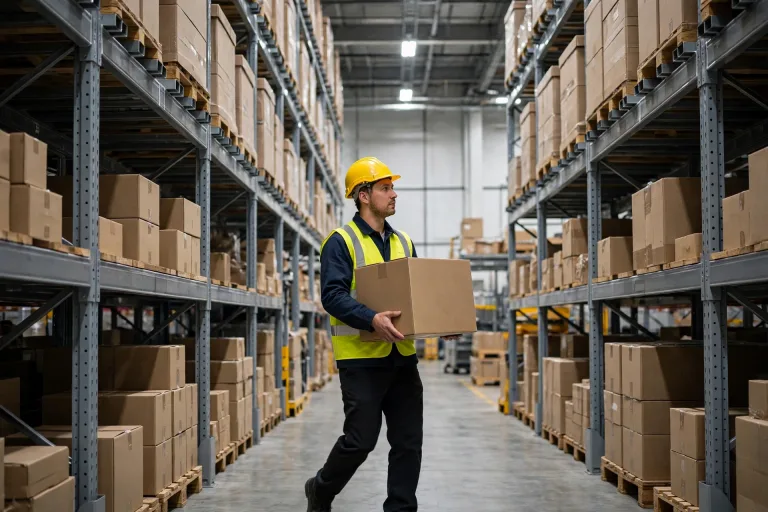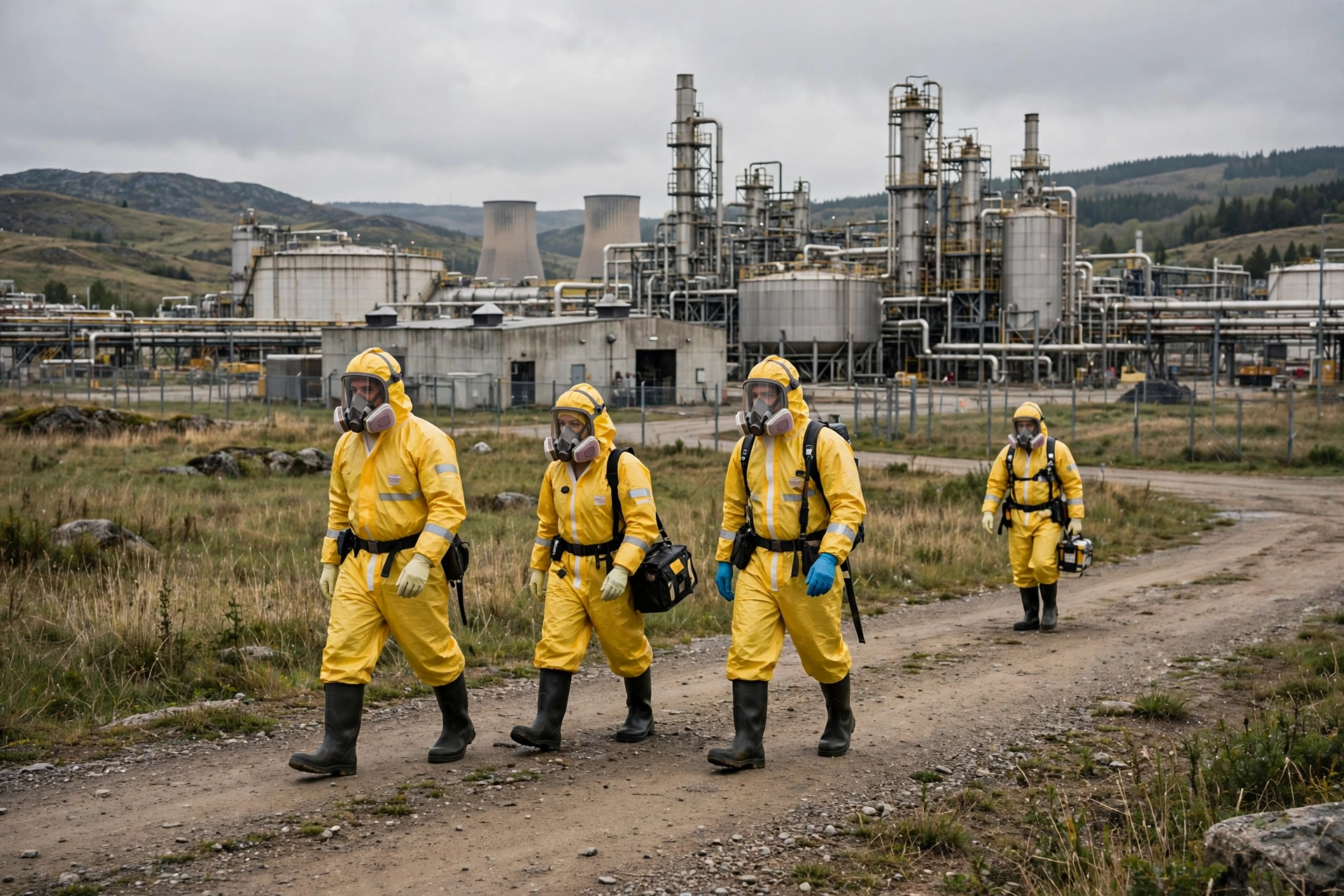
A helmet for hazmat workers is a protective hard hat worn as part of a hazardous materials suit, to shield the head from falling objects, knocks, and splashes while the worker handles dangerous substances. In general terms, it is the head protection layer of a much larger system of protective clothing, and it has to work together with a respirator, a suit, gloves, and boots. The helmet protects the head while the suit protects the rest of the body.
Hazmat work covers a wide range of jobs: cleaning up a chemical spill, responding to a leak at a factory, handling contaminated soil, or entering a building after a fire or a flood. The hazards are different in each case, but the head faces the same risks in all of them: something falling from above, a low pipe or beam catching the worker by surprise, or a splash of liquid reaching the face and scalp.
What is a helmet for hazmat workers?
A helmet for hazmat workers is, in most cases, an industrial safety helmet, often called a hard hat, selected for use with hazardous materials protective clothing. In general terms, it is a rigid shell made from a tough plastic or composite, with a suspension system inside that holds the shell away from the head and spreads the force of an impact. The shell resists knocks and splashes, and the suspension keeps the helmet stable and comfortable during long periods of work.
What makes a hazmat helmet different from an ordinary site hard hat is not the shell itself but the way it is used. In hazmat work, the helmet is worn inside or under a protective hood or suit, or it is fitted with a face shield and a respirator, so that no skin is exposed to the substance being handled. The helmet may also be covered by a disposable hood, or it may be a fully enclosed helmet with its own air supply for the most dangerous work. The choice depends on the substance, the task, and the level of protection the job requires.
Why do hazmat workers need a helmet?
Hazmat workers need a helmet because their work puts the head at risk from two directions at once: physical knocks and chemical contact. In general terms, a worker in a bulky protective suit has a narrower field of view and less freedom to move than usual, which makes it easier to walk into a low beam, bump into scaffolding, or be struck by a falling tool. At the same time, the substances being handled can burn, irritate, or poison the skin, so the scalp and face need a barrier as much as the hands and body do.
The helmet also matters because hazmat work is often slow, hot, and tiring. A worker in a sealed suit sweats, tires, and loses concentration over time, and a tired worker is more likely to stumble or misjudge a gap. A comfortable helmet that fits well and stays in place helps the worker keep going safely, while a helmet that slips, pinches, or blocks the view becomes a distraction that adds risk instead of reducing it.
What kind of helmet is used for hazmat work?
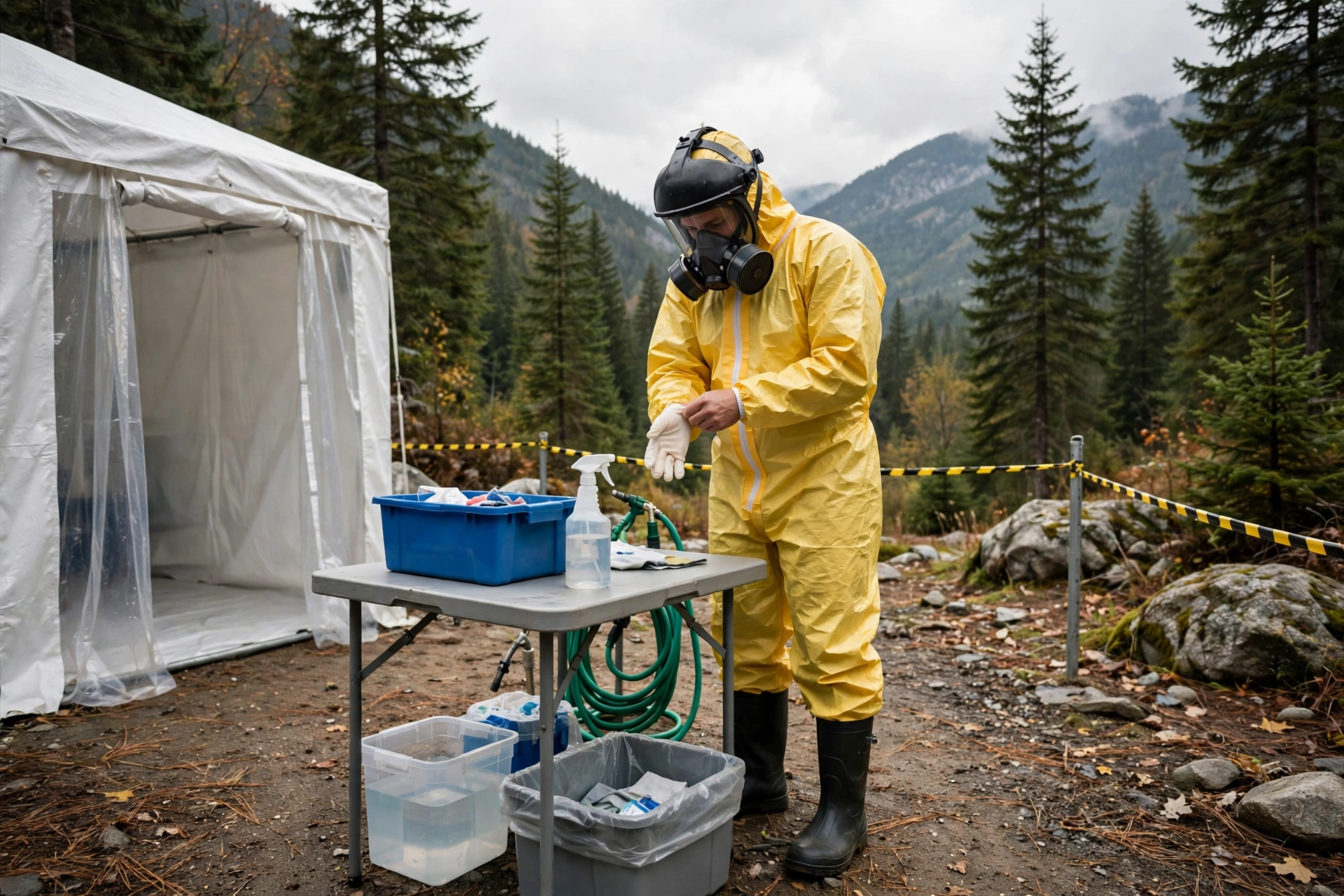
The kind of helmet used for hazmat work depends on the level of protection the job requires. In general terms, lower-risk work such as a small spill clean-up may use a standard industrial hard hat worn with a respirator, goggles, and a disposable suit. Higher-risk work may use a hard hat with a full face shield and a powered respirator, while the most dangerous entries use a fully encapsulating suit with its own helmet and air supply built in, so that the worker is sealed off from the outside air entirely.
Whatever the level, the helmet must be made from a material that resists the substances involved and that can be cleaned or disposed of afterwards. A helmet that absorbs a chemical or that cannot be decontaminated is a liability, since it can carry contamination out of the work area.
How does a hazmat helmet work with other protective gear?
A hazmat helmet works with other protective gear only when all the pieces fit together without gaps. In general terms, the helmet must sit comfortably over or under the suit’s hood, the respirator or face shield must seal against the face without being pushed out of place by the helmet’s brim, and the suit’s collar must close around the helmet or hood without leaving skin exposed. A gap at the neck, the ears, or the forehead can let a substance through, which defeats the purpose of the rest of the suit.
This is why hazmat teams check the full outfit together before entering a hazardous area, rather than checking each item separately. The worker puts on the suit, the helmet, the respirator, the gloves, and the boots, and a colleague checks every seal and joint while the worker moves, bends, and turns their head. If the helmet pushes the respirator out of place, or the hood pulls the helmet forward over the eyes, the combination is changed before the work begins. Some helmets include a system designed to reduce rotational forces in a fall, such as MIPS, although in hazmat work the fit with the respirator and suit usually matters more than any single feature of the helmet itself.
How should a hazmat helmet be checked and cared for?
A hazmat helmet should be checked before every use and cleaned or disposed of after every job. In general terms, the check covers cracks or dents in the shell, a suspension system that is worn or stretched, a chin strap that no longer holds, and any sign of chemical damage such as softening, discolouration, or a smell that will not wash out. A helmet that has been struck hard or exposed to a substance it was not rated for should be taken out of service rather than put back on the shelf.
After a job, the helmet is decontaminated along with the rest of the equipment, following the team’s cleaning routine for the substances involved. Helmets that cannot be fully cleaned are disposed of as contaminated waste, and the worker washes and changes out of the suit in a set order so that contamination is not carried to clean areas.
What helmet do hazmat workers wear?
In general terms, hazmat workers wear an industrial safety helmet chosen to work with their protective suit and respirator, from a standard hard hat for lower-risk work to a fully enclosed helmet with its own air supply for the most dangerous entries.
Can a normal hard hat be used for hazmat work?
A standard hard hat can be part of a hazmat outfit for lower-risk jobs, but it must be compatible with the suit, hood, and respirator, and it must be made from a material that resists the substances involved and can be decontaminated afterwards.
How often should a hazmat helmet be replaced?
A hazmat helmet should be inspected before every use and replaced when it is cracked, damaged, or contaminated beyond cleaning. Helmets that have taken a hard impact or been exposed to a substance they were not rated for should be taken out of service.

Olivia
Writer at Helmet Today, covering helmet reviews, fit and riding safety.