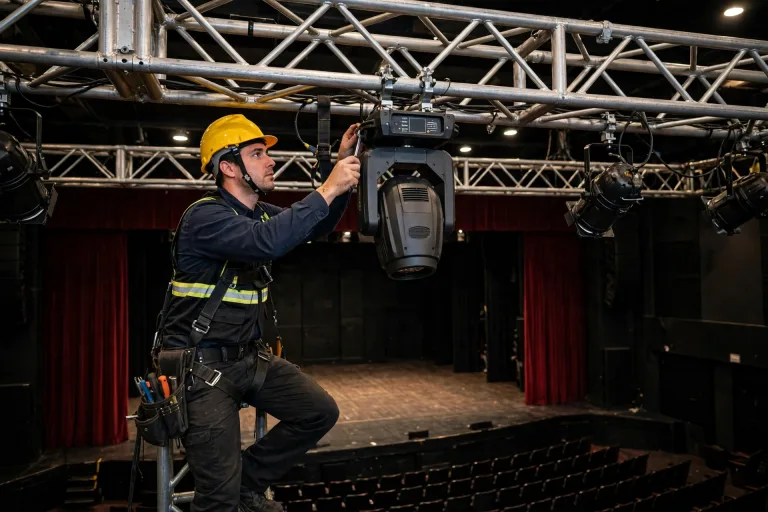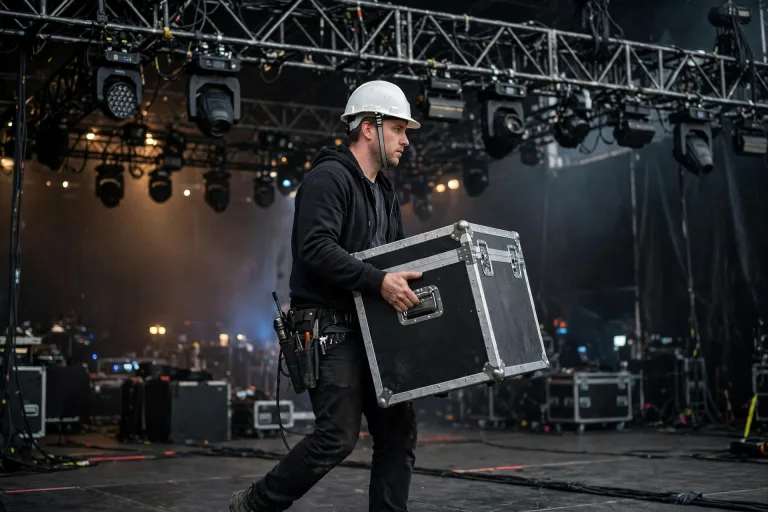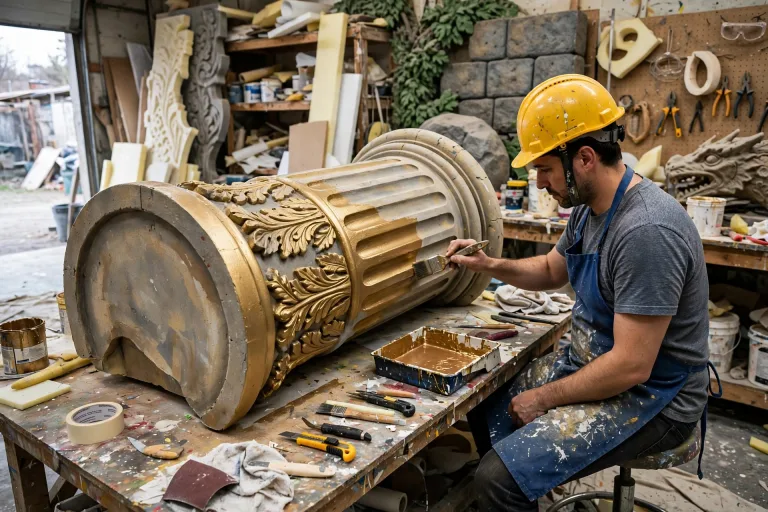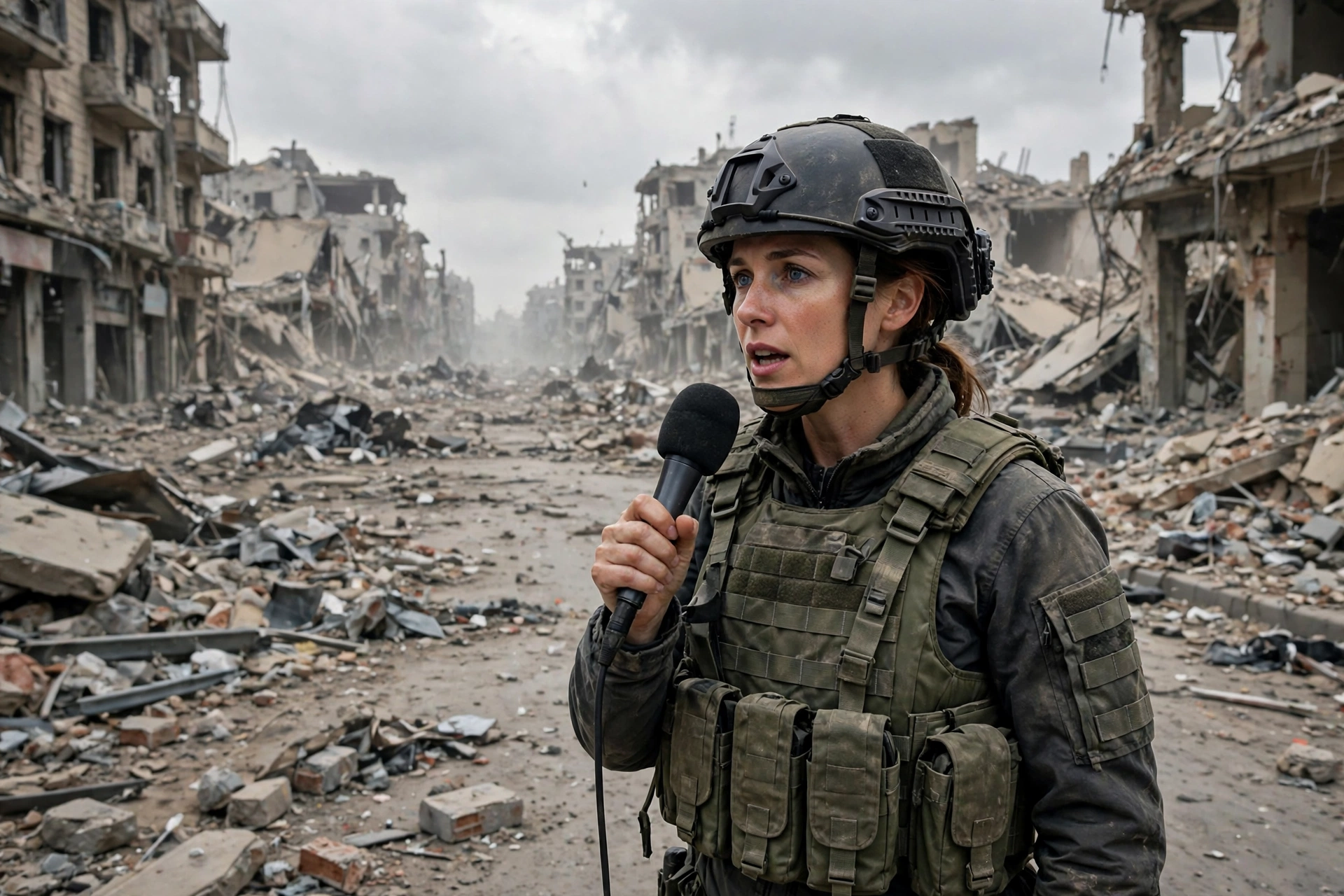
A helmet for war correspondents is a protective helmet worn by journalists reporting from a conflict zone, and in general terms it should give the head protection from blast debris, falling rubble, and fragments while the reporter works in a dangerous place. War correspondents travel to places where fighting, shelling, and explosions can happen without warning, and they often work outdoors, in damaged buildings, or close to the front line. A helmet is essential safety equipment in that setting, because a head injury in a conflict zone can be life-changing and medical help may be far away.
A war correspondent’s helmet is different from a hard hat worn on a building site, because the risks are different. The main dangers are fragments from an explosion, debris thrown up by a blast, and rubble falling from a damaged building, rather than tools or materials dropped from a scaffold. The helmet is usually worn with a protective vest, and together they form the basic safety kit that most news organisations ask their reporters to wear in a conflict zone.
Why do war correspondents need a helmet?
War correspondents need a helmet because they work in places where explosions, shelling, and gunfire can happen at any time. A blast can throw up fragments, stones, and pieces of metal that travel fast and can strike the head from a long way off, and a helmet helps to protect against those fragments. A correspondent may also need to move through a damaged building, where ceilings can fall and rubble can drop without warning.
There is also the risk of being caught in the open with no cover, for example when crossing a street, filming in a square, or travelling in a vehicle. A helmet cannot stop every danger in a war zone, and no helmet can make a conflict zone safe, but in general terms it gives the correspondent a better chance of surviving a blast or a fall of debris. That is why most news organisations treat a helmet as essential kit, and why correspondents are trained to wear one whenever they are outside a safe area.
What kind of helmet is best for a war correspondent?
The best helmet for a war correspondent is, in general terms, a ballistic helmet that is rated to protect against fragments and that fits the wearer well. Many correspondents wear a helmet made for military use, because it is designed for the risks of a conflict zone and it is tested to a recognised ballistic standard. The helmet is usually worn with a protective vest, and the two should work together without getting in each other’s way.
Some correspondents choose a helmet with a cover in a plain colour, which can help them blend in rather than stand out, and some choose a helmet with space for a night-vision mount or a camera mount. The helmet should be light enough to wear for a long day in the field, because a heavy helmet soon becomes a burden when a correspondent is walking, filming, and carrying equipment. The correspondent should also check that the helmet is in good condition, with no cracks or damage, and should replace it if it has taken a hit.
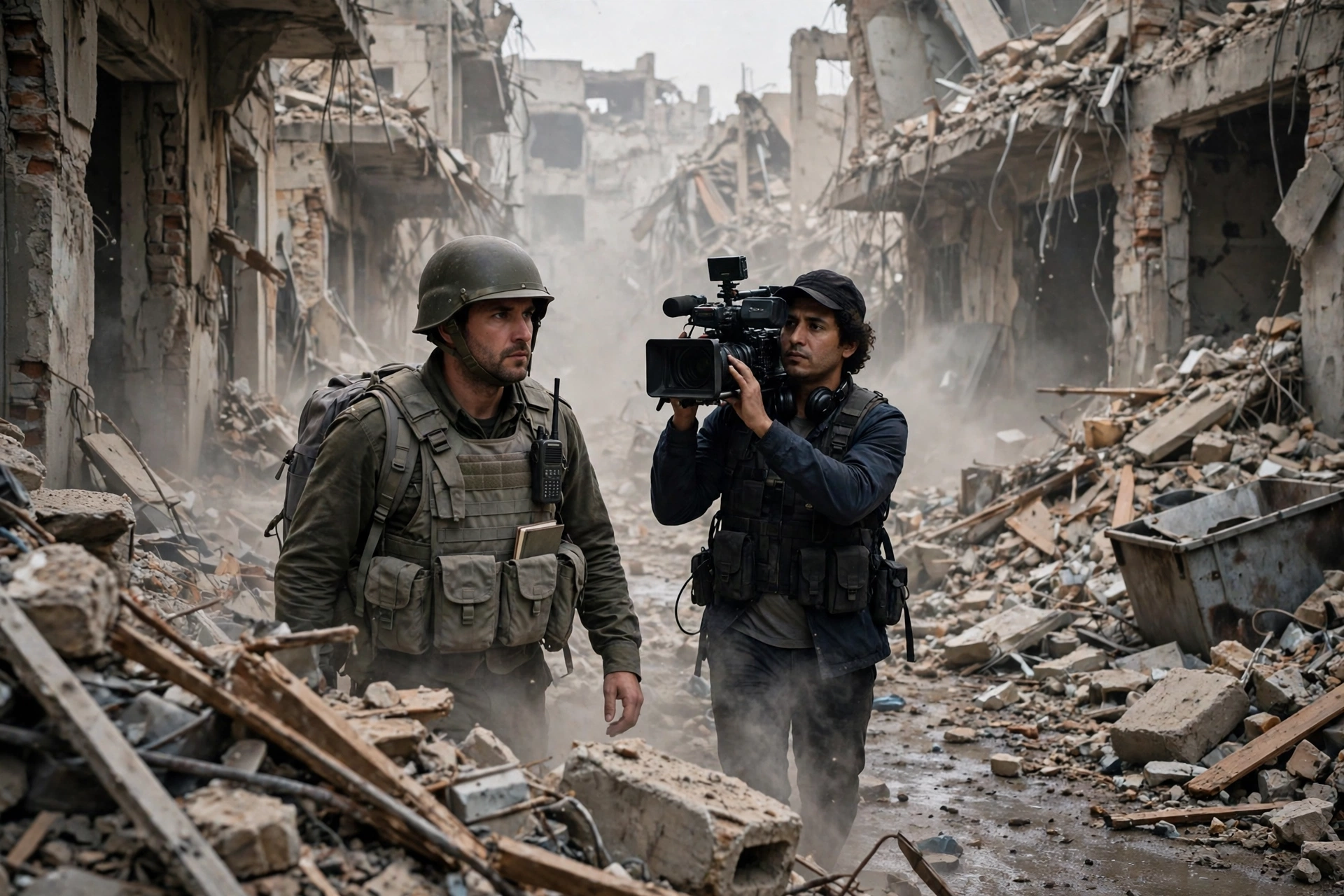
How should a helmet for war correspondents fit?
A helmet for war correspondents should fit snugly, sit level on the head, and stay in place when the wearer runs, ducks, or turns quickly. The helmet should cover the forehead and the top of the head, and the padding or suspension inside should be adjusted so the helmet does not wobble or slip forward over the eyes. A helmet that slides around is a distraction, and it may not be in the right place when it is needed most.
The fit should be checked with the other gear the correspondent will wear, such as a protective vest, a camera, or a headset, because these can change how a helmet sits. The vest should not push the helmet up at the back, and the helmet should not block the correspondent’s hearing, because a reporter needs to hear what is happening around them. The chin strap should be fastened securely every time the helmet is worn, because a strap left loose lets the helmet fall off just when it is needed.
What else should a war correspondent consider?
A war correspondent should think about more than the helmet itself, because a helmet is only one part of staying safe in a conflict zone. Most correspondents work with a local fixer or guide who knows the area, and they plan their movements in advance, check the latest safety advice, and keep in touch with their news desk. A correspondent should never go into a dangerous area alone, and should always have a plan for getting out quickly if the situation changes.
Training matters too, and many news organisations ask their correspondents to take a safety course before they travel to a conflict zone. The course covers first aid, how to react to shelling, and how to use protective equipment properly. In general terms, a helmet works best when it is part of a wider safety plan that includes training, good local knowledge, and clear communication with the news desk. A correspondent who is unsure about a risk should ask their editor or their safety adviser before going in.
How should a war correspondent’s helmet be looked after?
A war correspondent’s helmet should be looked after with regular checks and sensible storage, in the same way as any protective helmet. Before each assignment, the correspondent should check the shell for cracks, dents, or damage, and check the padding and the chin strap for wear. A helmet that has taken a hit from a fragment or a falling object should be replaced rather than used again, because the damage may not be visible on the outside.
The helmet should be stored in a cool, dry place, away from direct heat and sunlight, and kept in a bag where it will not be knocked about. Harsh cleaning chemicals should be avoided, because they can weaken the shell over time, and the helmet should never be painted with ordinary paint, which can also affect the material. Correspondents who want to learn more about how helmets protect the head may also want to read about features that can help in a fall, including a system designed to reduce rotational forces, such as MIPS, which is found in some helmets. A well-kept helmet, worn every time, gives a war correspondent the best chance of coming home safely.
Can any helmet be used in a war zone?
No, a hard hat or a bike helmet is not a good choice for a war zone, because neither is designed to protect against fragments from an explosion. A war correspondent should wear a ballistic helmet that is rated for the risks of a conflict zone.
Does a helmet make a war zone safe?
No, a helmet cannot make a war zone safe, and it cannot protect against every danger. It is one part of a wider safety plan that includes training, local knowledge, and clear communication with the news desk.
When should a war correspondent’s helmet be replaced?
A war correspondent’s helmet should be replaced after it has taken a hit, or when it shows cracks, dents, or damage, or when the padding inside no longer holds it firmly. When in doubt, replace it rather than keep using it.

Olivia
Writer at Helmet Today, covering helmet reviews, fit and riding safety.