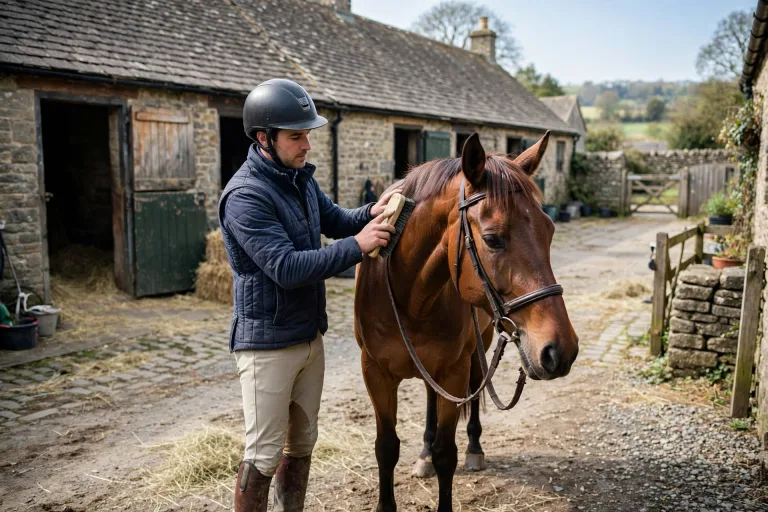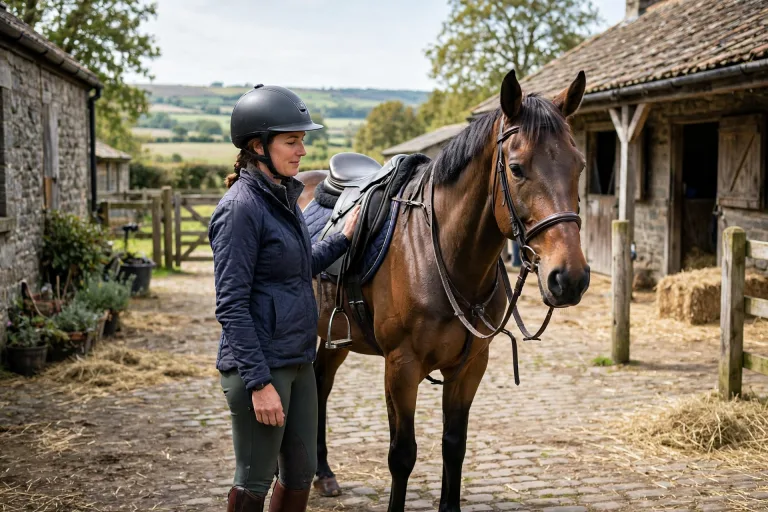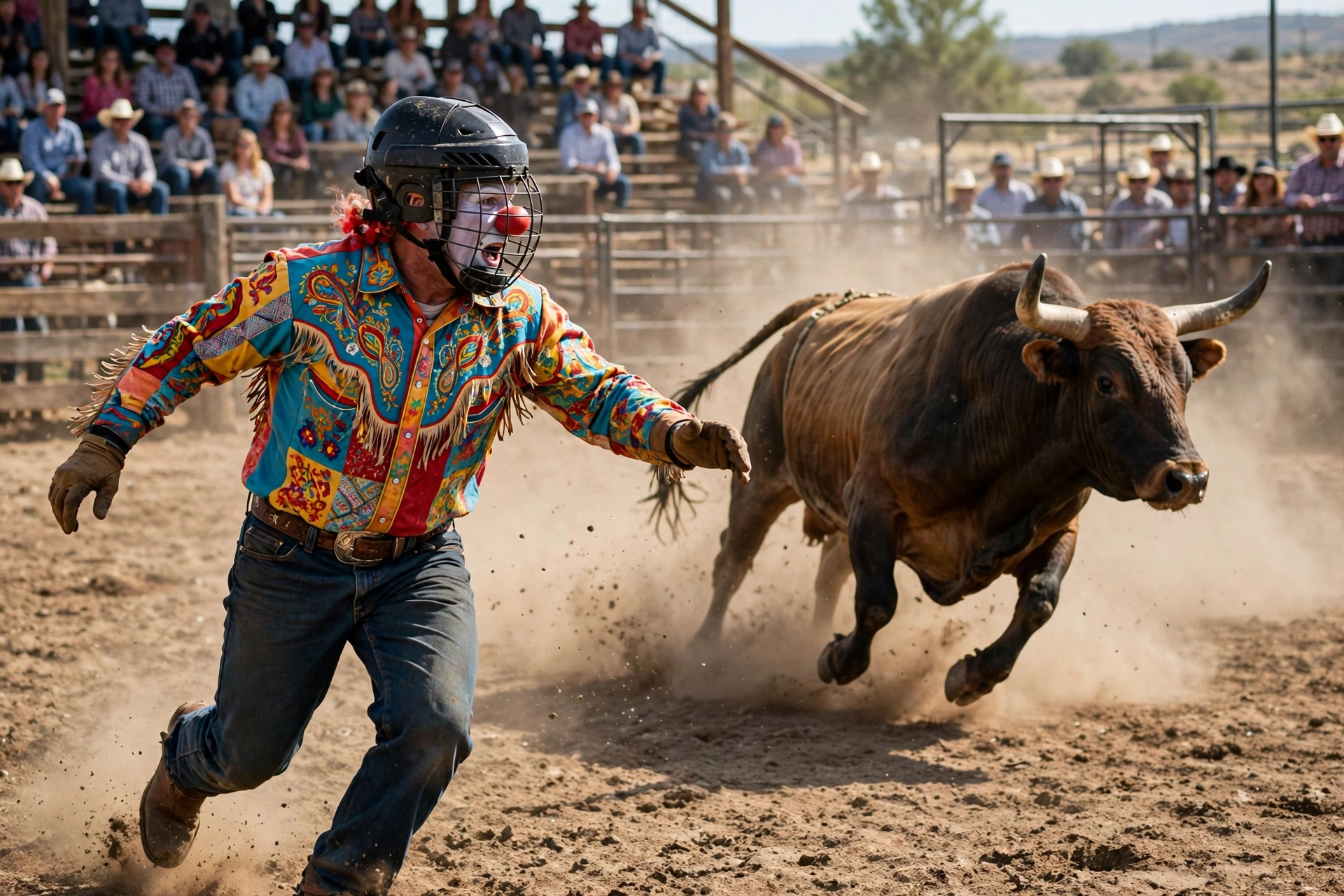
A helmet for rodeo clowns is a protective helmet worn by the clown who works in the arena during a rodeo, and in general terms it should protect the head from kicks, falls, and knocks while the clown distracts a bull and keeps the rider safe. Rodeo clowns, who are also known as bullfighters, stand in the arena between the bull and the fallen rider, and their job is to draw the bull away so the rider can get clear. A helmet is essential safety equipment in that setting, because a bull can turn fast, kick without warning, and knock a clown to the ground in a moment.
A rodeo clown’s work is quick, physical, and close to a large animal that weighs far more than a person. The clown runs, dodges, and falls, often on hard dirt, and the helmet has to stay in place through all of that.
Why do rodeo clowns need a helmet?
Rodeo clowns need a helmet because they work at close quarters with a bull that can kick, charge, or knock them down at any moment. A bull’s hoof or horn can strike the head in a split second, and a fall onto the hard arena floor can also cause a head injury. A helmet spreads the force of an impact and helps to protect the skull, which matters when the clown’s job is to stand between the bull and the rider.
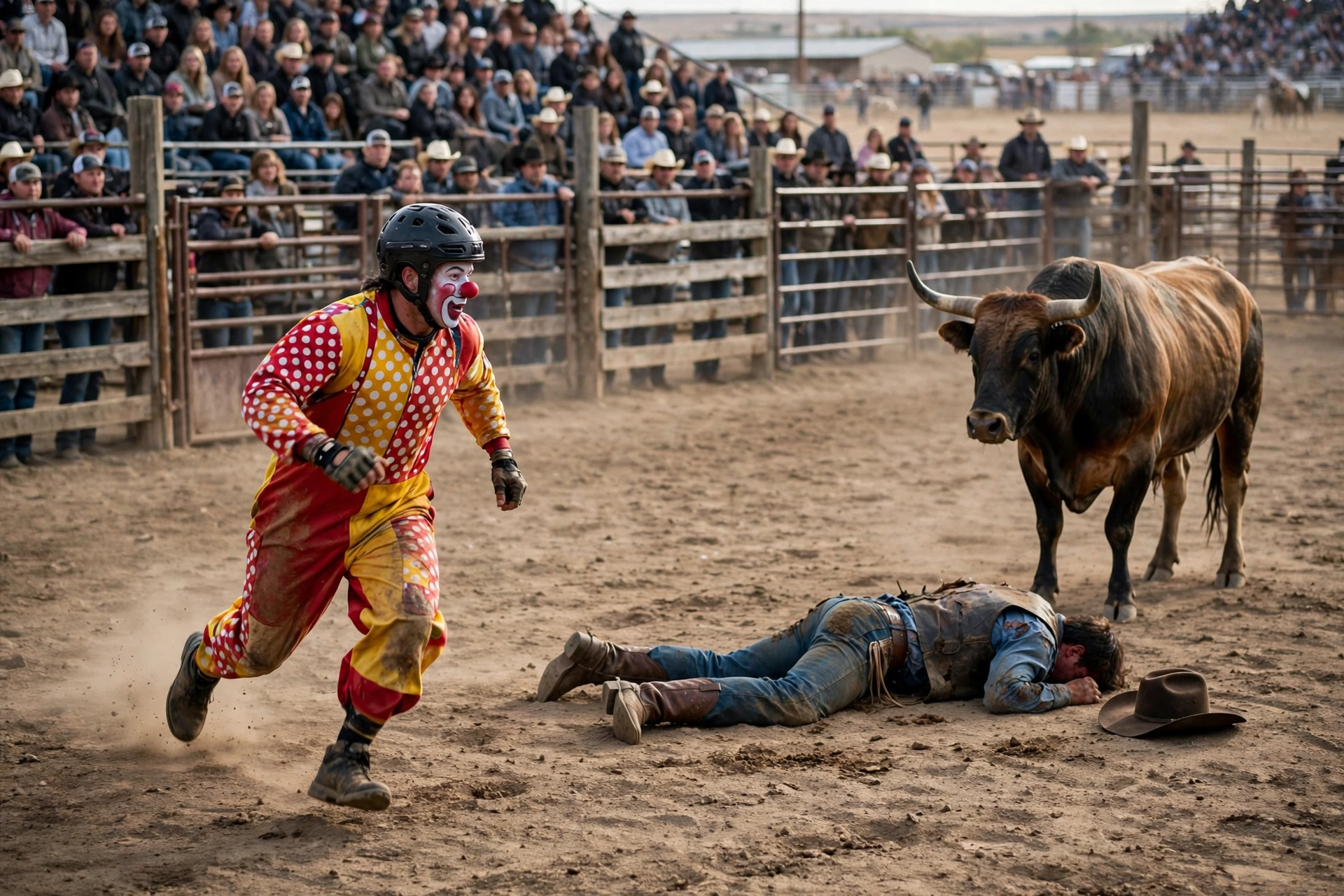
There is also the risk of being trampled or stepped on when a bull turns quickly, because a clown who has fallen may not be able to get up before the bull is on top of them. A helmet cannot stop every danger in the arena, and no helmet can make working with a bull safe, but in general terms it gives the clown a better chance of getting up and getting clear. That is why most rodeos treat a helmet as essential kit, and why clowns are expected to wear one every time they step into the arena.
What kind of helmet is best for a rodeo clown?
The best helmet for a rodeo clown is, in general terms, a helmet that is rated for impact protection and that fits the wearer well. Many clowns wear a helmet made for equestrian or rodeo use, because it is designed for falls and knocks around horses and bulls and it is tested to a recognised safety standard. A full-face helmet gives more protection for the face, but many clowns choose an open design that lets them see, hear, and move freely in the arena.
Some clowns choose a helmet with a smooth, rounded shell, because a smooth shell is less likely to catch on a horn or a fence. The helmet should be light enough to wear through a full rodeo, because a heavy helmet soon becomes a burden when a clown is running and dodging. The clown should also check that the helmet is in good condition, with no cracks or damage, and should replace it if it has taken a hard knock, even if the damage is hard to see.
How should a helmet for rodeo clowns fit?
A helmet for rodeo clowns should fit snugly, sit level on the head, and stay in place when the wearer runs, dodges, or falls. The helmet should cover the forehead and the top of the head, and the padding or suspension inside should be adjusted so the helmet does not wobble or slip forward over the eyes. A helmet that slides around is a distraction, and it may not be in the right place when it is needed most.
The fit should be checked with the other gear the clown will wear, such as a protective vest or a microphone headset, because these can change how a helmet sits. The vest should not push the helmet up at the back, and the helmet should not block the clown’s hearing, because a rodeo clown needs to hear the announcer, the other clowns, and the rider. The chin strap should be fastened securely every time the helmet is worn, because a strap left loose lets the helmet fall off just when it is needed.
What rules apply to helmets in the rodeo arena?
The rules for helmets in the rodeo arena are set by the rodeo association or the event organisers, and they can be different from one rodeo to another. Many rodeos now ask their clowns and bullfighters to wear a helmet that meets a recognised safety standard, and some ask for a helmet to be worn at all times in the arena. A clown should read the rules before the event, and should bring the helmet’s paperwork or labels with them if the event asks to see them.
Some rodeos also have rules about the look of the helmet, such as asking for a plain colour or a design that fits the show, and a clown who turns up with a helmet that breaks those rules may be asked to change it. It is far better to check in advance than to be held up on the day. A clown who is unsure should ask the rodeo organisers directly, because a short question before the event can save a wasted journey and a missed performance.
How should a rodeo clown’s helmet be looked after?
A rodeo clown’s helmet should be looked after with regular cleaning and sensible storage, in the same way as any protective helmet. After a rodeo, the clown should wipe the shell clean, let the lining air out, and check the helmet for cracks, dents, or damage to the shell and the padding inside. A helmet that has taken a hard impact, such as a kick or a fall onto the arena floor, should be replaced rather than used again, because the damage may not be visible on the outside.
The helmet should be stored in a cool, dry place, away from direct heat and sunlight, and kept in a bag where it will not be knocked about. Harsh cleaning chemicals should be avoided, because they can weaken the shell over time, and the helmet should never be painted with ordinary paint, which can also affect the material. Clowns who want to learn more about how helmets protect the head may also want to read about features that can help in a fall, including a system designed to reduce rotational forces, such as MIPS, which is found in some helmets. A well-kept helmet, worn every time, gives a rodeo clown the best chance of finishing the show safely.
Do rodeo clowns really need a helmet?
Yes, in general terms a helmet is essential for a rodeo clown, because the clown works at close quarters with a bull that can kick or charge without warning. A helmet protects the head from kicks, falls, and knocks in the arena.
Can a rodeo clown wear a cowboy hat instead?
No, a cowboy hat is part of the show costume, but it gives no protection to the head. A clown who wears a cowboy hat should wear a helmet underneath it or choose a helmet that suits the show, because a hat alone is not safety gear.
When should a rodeo clown’s helmet be replaced?
A rodeo clown’s helmet should be replaced after a hard impact, such as a kick or a heavy fall, or when it shows cracks, dents, or damage, or when the padding inside no longer holds it firmly. When in doubt, replace it rather than keep using it.

Olivia
Writer at Helmet Today, covering helmet reviews, fit and riding safety.