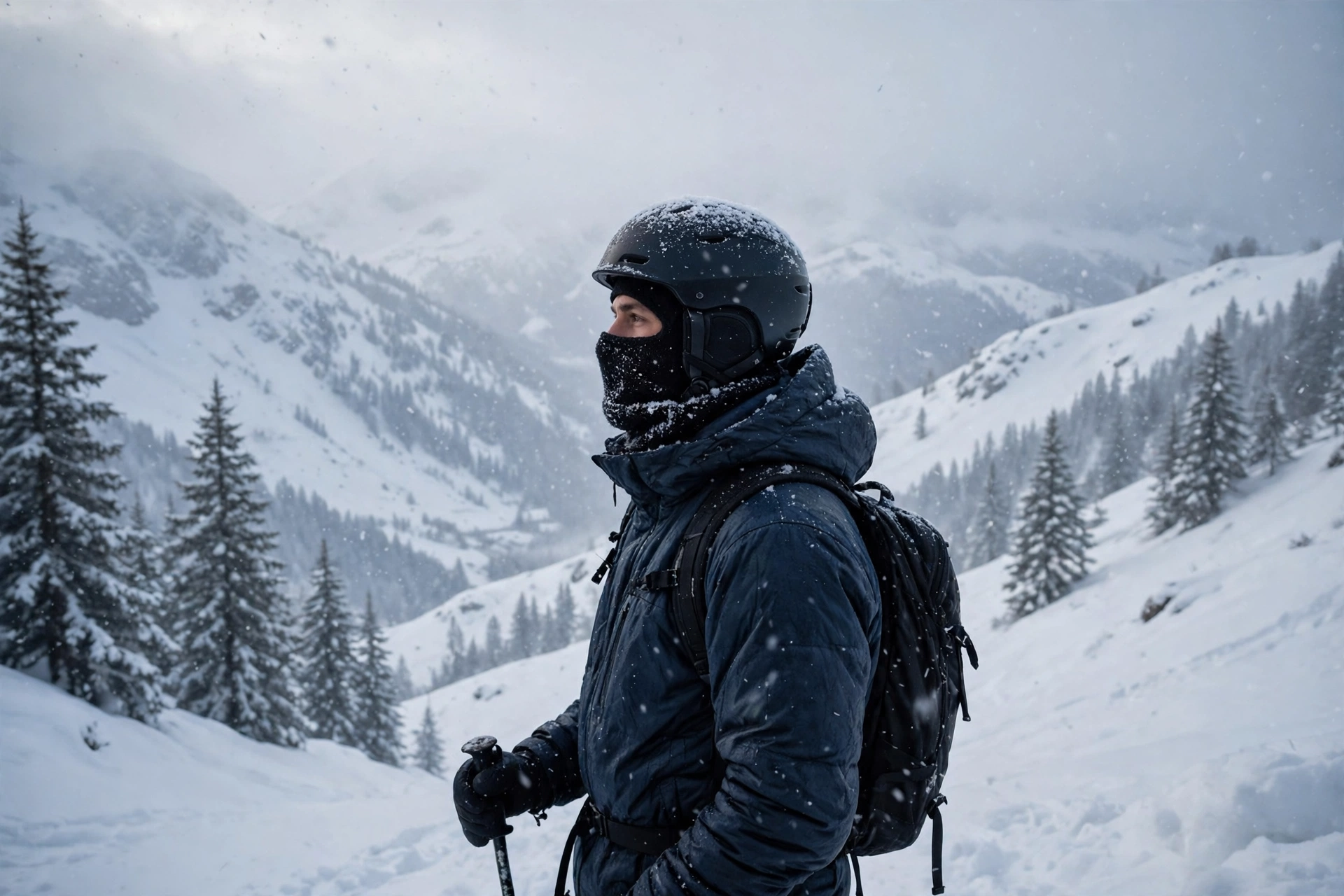
Helmets do protect against cold weather in general terms, because they cover your head and block wind, but a helmet on its own is not warm clothing. A helmet traps a layer of still air around your head, cuts the wind chill on your ears and forehead, and keeps snow and sleet off your skin. That makes a real difference on a cold ride or a day on the slopes. But a helmet is designed to protect you in a fall, not to keep you warm, and in very cold weather you will still need a hat, a balaclava, or another layer underneath it.
Does a helmet keep your head warm?
A helmet does keep your head warmer than wearing nothing, because it covers most of your head and blocks the wind. Your head loses heat quickly in cold air, especially when you are moving fast, and a helmet acts as a windbreak that slows that loss. The shell stops the wind from reaching your skin, and the foam liner and pads trap a thin layer of warm air next to your head. In mild cold, that may be enough to feel comfortable without any extra layer.
The amount of warmth depends on the helmet. A helmet with small vents or with vent covers will be warmer than a helmet with large open vents, because less cold air flows through it. A helmet with a thick liner and ear pads will be warmer than a helmet with a thin liner and no ear coverage. Ski and snowboard helmets are usually the warmest, because they are made for cold weather and often have ear pads and a warm lining built in. Cycling helmets, by contrast, are made to keep you cool in summer, so they often have many vents that let cold air in during winter.
Can a helmet make you colder in winter?
A helmet can make you feel colder in winter if it is the wrong helmet for the conditions. A cycling helmet with large vents lets cold air flow over your head, and at speed that airflow can chill you faster than if you were wearing a warm hat. The vents that keep you cool on a summer climb become a disadvantage in winter, because they let the wind in and let your body heat escape. Riders who wear a summer helmet in winter often complain of a cold head and cold ears, and the helmet is part of the reason.
A helmet can also make you colder if it is wet. Snow or rain can get into the vents and soak the pads, and a wet liner against your head will chill you quickly. A helmet that fits loosely can let cold air in around the edges, and a helmet with no ear coverage leaves your ears exposed to the wind. Ears are sensitive to cold, and they can become painful in freezing weather even when the rest of your head feels fine.
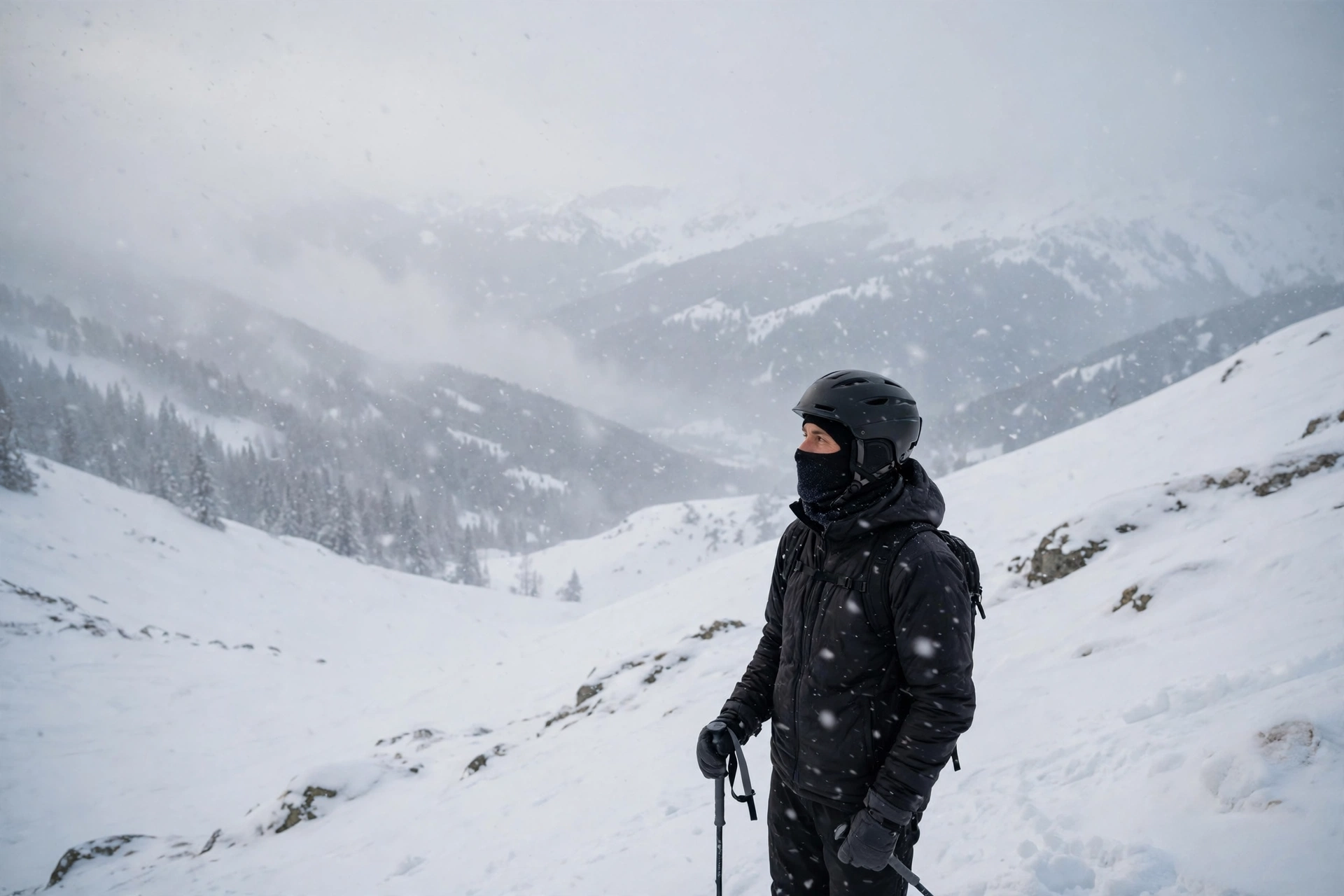
What should you wear under a helmet in cold weather?
In cold weather, a thin skull cap or balaclava worn under your helmet is the simplest and most effective layer. A skull cap covers the top of your head and your ears, and it fits neatly under a helmet without changing the fit much. A balaclava covers your head, ears, and neck, and sometimes your face as well, leaving only your eyes exposed. Both are made from thin, warm fabrics that wick sweat away from your skin, which matters because sweat can make you cold if it stays next to your skin.
Choose a layer that is thin and smooth, so that it does not change how the helmet sits on your head. A thick woolly hat will push the helmet up and make it fit badly, which is unsafe. A thin cap made for wearing under a helmet is the right choice, because it adds warmth without adding bulk. Make sure the layer does not cover your eyes or block your vision, and make sure the helmet still sits level and snug when the layer is on. If the helmet feels tight with the layer underneath, you may need to adjust the fit or choose a thinner layer. A similar idea to MIPS shows how a thin layer inside a helmet can move and work with the shell, and a skull cap works in a similar way: it sits between your head and the helmet without getting in the way of the fit.
Do winter helmets work better than summer helmets?
Winter helmets do work better in cold weather than summer helmets, because they are designed for it. A ski or snowboard helmet has fewer vents, a warmer liner, and ear pads that cover your ears. Some have vent covers that can be opened or closed, so you can let air in when you are working hard and close the vents when you are sitting on a lift in the cold. That flexibility makes a winter helmet comfortable across a range of temperatures, and it means you are less likely to need extra layers underneath.
A summer helmet, such as a road cycling helmet, is designed to keep you cool, and it does that by letting air flow through large vents. In winter, that airflow is a disadvantage, but it does not make the helmet unsafe. The helmet will still protect you in a fall, and it will still block some wind. It just will not keep you as warm as a winter helmet, so you will need a skull cap or balaclava to make up the difference. Many riders use the same helmet all year and change the layer underneath with the seasons.
How do you stop a cold helmet from hurting?
A cold helmet can hurt when the shell and the pads are freezing cold against your skin, especially on the forehead and ears. The simplest fix is to keep the helmet indoors before you put it on, rather than leaving it in a cold garage or a car overnight. A helmet that starts at room temperature will feel much more comfortable than one that starts at freezing, and it will warm up quickly once you are moving.
When is cold weather a reason to choose a different helmet?
Cold weather is a reason to choose a different helmet when your current helmet cannot keep you warm even with a layer underneath. If you are cycling in freezing weather and your head and ears are still cold with a skull cap on, a helmet with fewer vents or with ear covers may be a better choice. If you are skiing and your helmet has no ear pads and large vents, a proper ski helmet will be warmer and more comfortable, and it will also be designed for the kind of falls that happen on snow.
Does a helmet keep your ears warm in winter?
Yes, in general terms, a helmet with ear pads or a balaclava underneath will keep your ears warmer than no helmet, because it blocks the wind. A vented cycling helmet on its own may not cover your ears, so a skull cap helps.
Can I wear a hat under my helmet?
Yes, if it is thin and made for wearing under a helmet. A thick hat can push the helmet up and change the fit, which is unsafe. Use a thin skull cap or balaclava instead.
Do I still need a helmet in cold weather?
Yes. Cold weather does not make falls any less likely, and a helmet protects your head in a fall at any temperature. Add warm layers underneath rather than leaving the helmet off.

Olivia
Writer at Helmet Today, covering helmet reviews, fit and riding safety.