Helmets do work in a fall off a horse in general terms, because they are designed to reduce the force that reaches your head when you hit the ground. Falling from a horse means falling from height, often at speed, and often onto hard ground. A riding helmet spreads the force of that impact over a larger area and slows it down, which reduces the risk of a serious head injury. No helmet can guarantee that you will not be hurt, and a helmet cannot protect against every kind of fall, but a properly fitted riding helmet gives you a much better chance than riding without one.
What happens when a rider falls off a horse?
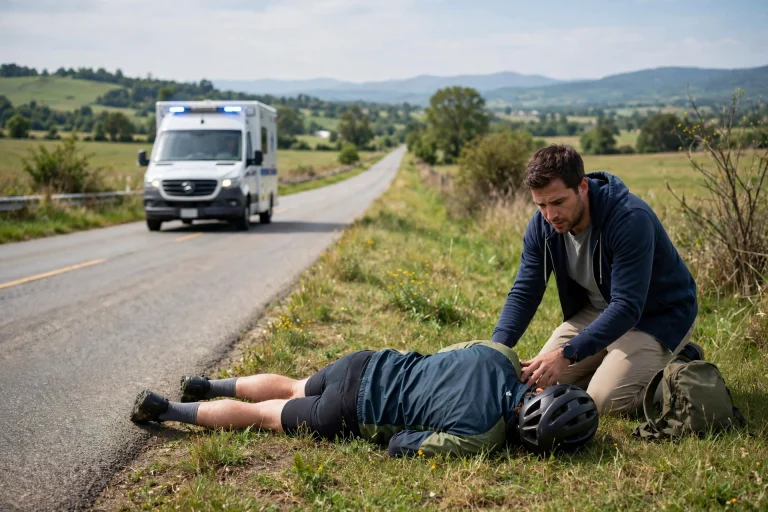
When a rider falls off a horse, they usually fall from a height of about two metres, and they may be moving forward at the speed the horse was travelling. That means the head can hit the ground with considerable force, even if the rider tries to break the fall with their hands. The ground may be hard, uneven, or covered with stones, and the rider may land on their head, their shoulder, or their back. The head is at risk because it is heavy, it is at the top of the body, and it can strike the ground even when the rider lands on another part of their body first.
The fall can happen in many ways. A horse may spook and spin, a rider may lose balance over a jump, or a horse may slip on wet ground. In each case, the rider has very little time to react, and they cannot control how they land. The helmet is the only protection for the head in that moment, and it has to work without the rider doing anything. That is why riding helmets are tested by dropping them onto a hard surface and measuring how much force reaches the inside: the test copies the kind of impact a fall can cause.
How does a riding helmet protect your head?
A riding helmet protects your head in two main ways. The hard outer shell spreads the force of an impact over a larger area, so that the force is not concentrated on one small spot. The foam liner underneath then crushes slightly as it absorbs the energy, slowing the head down more gently than if it hit the ground directly. Together, the shell and the liner turn a sharp, sudden blow into a slower, spread-out one, and that reduces the force that reaches the skull and the brain.
The helmet also protects against penetration and cuts. A sharp stone or a fence post could cause a serious injury if it struck a bare head, but the shell spreads that force and keeps the object away from the skin. The helmet covers the top and sides of the head, which are the parts most likely to hit the ground in a fall. Some riding helmets also have a small peak at the front that shields the eyes from sun and rain, although the peak is not part of the protection. Some riding helmets also have a slip layer inside that lets the shell move slightly in an angled impact, an idea similar to MIPS in other sports helmets.

Does a helmet guarantee safety in a fall?
No, a helmet does not guarantee safety in a fall, and it is important to be honest about that. A helmet reduces the risk of a serious head injury, but it cannot remove the risk entirely. A very hard fall, a fall onto a sharp object, or a fall where the horse lands on the rider can cause injuries that no helmet can prevent. A helmet protects the head, but it does not protect the neck, the spine, or the rest of the body, and a rider can be badly hurt in a fall even when their head is protected.
The helmet’s limits also depend on its condition and fit. A helmet that is too loose may shift in a fall and leave part of the head exposed. A helmet that is too old, or one that has already been in a crash, may not absorb an impact as well as a new one. The foam inside a helmet degrades over time, and a helmet that has been dropped or knocked hard may have hidden damage. That is why riders are advised to replace a helmet after a fall, even if it looks fine, and to replace it after several years of use.
What should you do after a fall in a riding helmet?
After a fall in a riding helmet, the first thing to do is to stay still for a moment and check how you feel. Do not jump up straight away, and do not let anyone pull you up. If you feel dizzy, confused, sick, or unable to remember the fall, tell someone straight away and seek medical advice. These can be signs of a head injury, and they need to be checked by a clinician even if you feel better after a few minutes. If you are alone, call for help and do not ride again that day.
Next, check the helmet. Look for cracks in the shell, dents, or damage to the foam liner. If the helmet took a hard knock, it should be replaced, even if there is no visible damage. The foam may have compressed inside, and it will not protect you as well a second time. Do not give a fallen helmet to another rider, and do not keep it as a spare. A helmet that has protected you in a fall has done its job, and it should be retired.
How do you choose a helmet for horse riding?
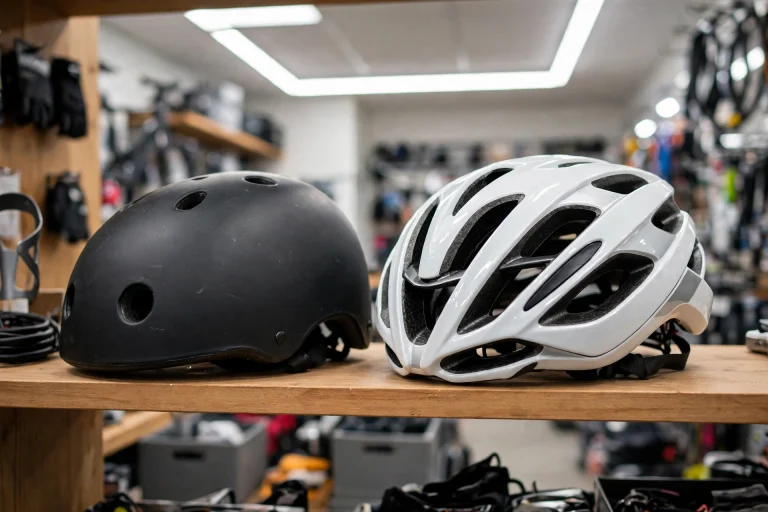
Choosing a riding helmet starts with the standard it meets. Look for a helmet that meets a recognised standard for horse riding, such as PAS 015, VG1, or ASTM F1163, depending on where you live. The standard is usually marked inside the helmet, and it tells you that the helmet has been tested for the kind of impacts that happen in a fall from a horse. A cycling helmet or a motorcycle helmet is not a substitute, because it is tested for different kinds of impact.
When should a riding helmet be replaced?
A riding helmet should be replaced after any fall in which your head hits the ground, even if the helmet looks undamaged. The foam liner may have compressed, and it will not absorb a second impact as well. It should also be replaced if it has been dropped hard onto a concrete floor, or if it has been knocked against a hard surface with force. A helmet that has taken a knock may look fine on the outside while the protection inside is weakened.
Should I wear a helmet every time I ride?
Yes. Falls can happen at any speed, even at a walk, and a helmet protects your head whenever you are on a horse. Make it a habit to put the helmet on before you mount.
Can a riding helmet be reused after a fall?
No, in general terms, a helmet that has taken a hard knock in a fall should be replaced, even if it looks fine. The foam inside may be compressed and may not protect you again.
Is a cycling helmet okay for horse riding?
No. A cycling helmet is tested for different impacts and does not cover the head in the same way. Use a helmet made and tested for horse riding, with the right standard marked inside.

Olivia
Writer at Helmet Today, covering helmet reviews, fit and riding safety.