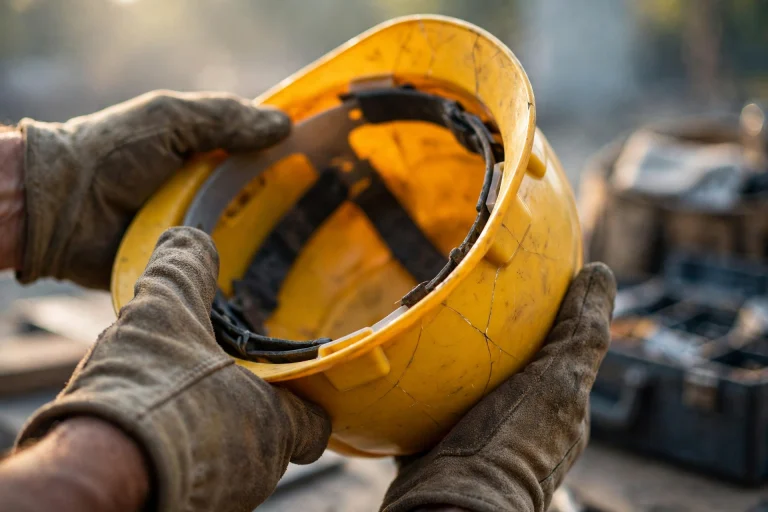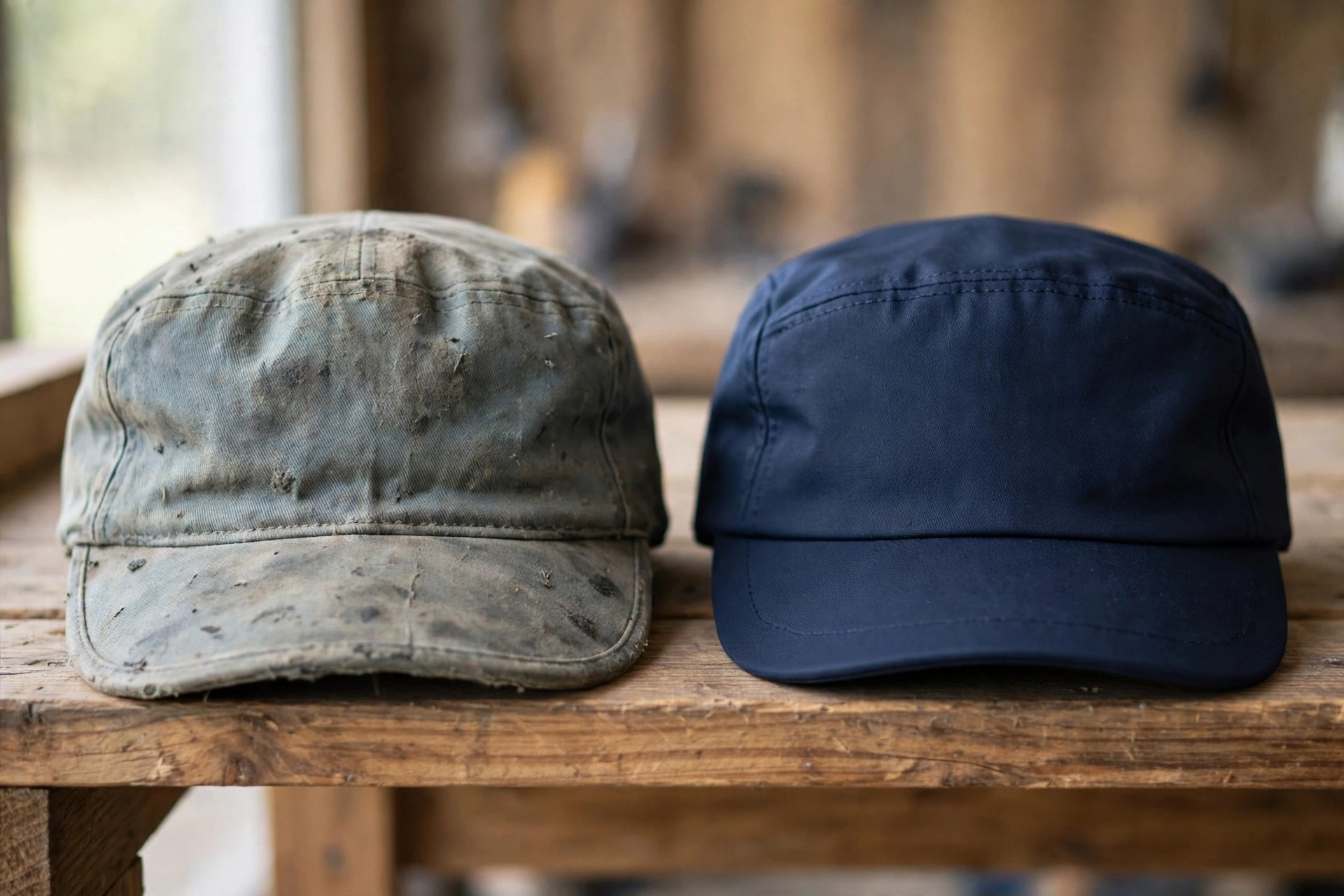
A bump cap has no single fixed expiry date, but as a working rule most wearers should expect roughly one to a few years of regular use — and much less if it works somewhere hot, sunny, or knock-filled. In general terms the cap is done when the fabric is worn through, the insert is cracked or loose, the padding is flat, or it has taken a solid hit: condition, not the calendar, is what retires a bump cap.
Because there is no date stamped on most bump caps, they tend to be worn long past their best. This guide covers what wears them out, the signs to retire one, and how to stretch its life.
Is There an Official Lifespan for a Bump Cap?
Not in the way people expect. Bump caps are tested to a lighter standard than hard hats, and in general terms that standard deals with performance when new rather than a universal service life. Makers give guidance that varies by model — often framed as inspecting regularly and replacing when damaged or worn — rather than a hard-hat-style date.
That puts the responsibility on inspection. A hard hat at least carries molded date information in the shell; a bump cap’s fabric construction hides its age better, and a cap that looks like ordinary clothing gets treated like clothing — worn until it falls apart, which is well past the point its protection faded.
Employers who issue bump caps handle this by policy: a set replacement interval or an inspection routine, whichever their risk assessment supports. If your workplace has neither, your own inspection is the only schedule the cap has.
What Wears a Bump Cap Out Fastest?
Ultraviolet light is the steady enemy. Sunlight degrades both the fabric and the plastic insert, making the shell more brittle over time — the same ageing that retires hard hats, working on a cap that sits on dashboards and sunny loading bays. A cap that has gone faded and stiff has been spending its strength.
Sweat and washing come next. Salt and oils break down foam padding, and repeated hot or machine washing accelerates it: padding compresses, the insert shifts more freely, and the cap stops holding the shell where it belongs. Add the daily small knocks — the pipe edges and shelf corners the cap exists for — each one spending a little of the insert’s integrity.
Storage finishes the job. A bump cap crushed under tools in a van, or hung in a hot workshop window, ages faster than one kept clean and dry. Bump caps live casually, and casual storage is a real part of why they die young.
What Are the Signs a Bump Cap Needs Replacing?
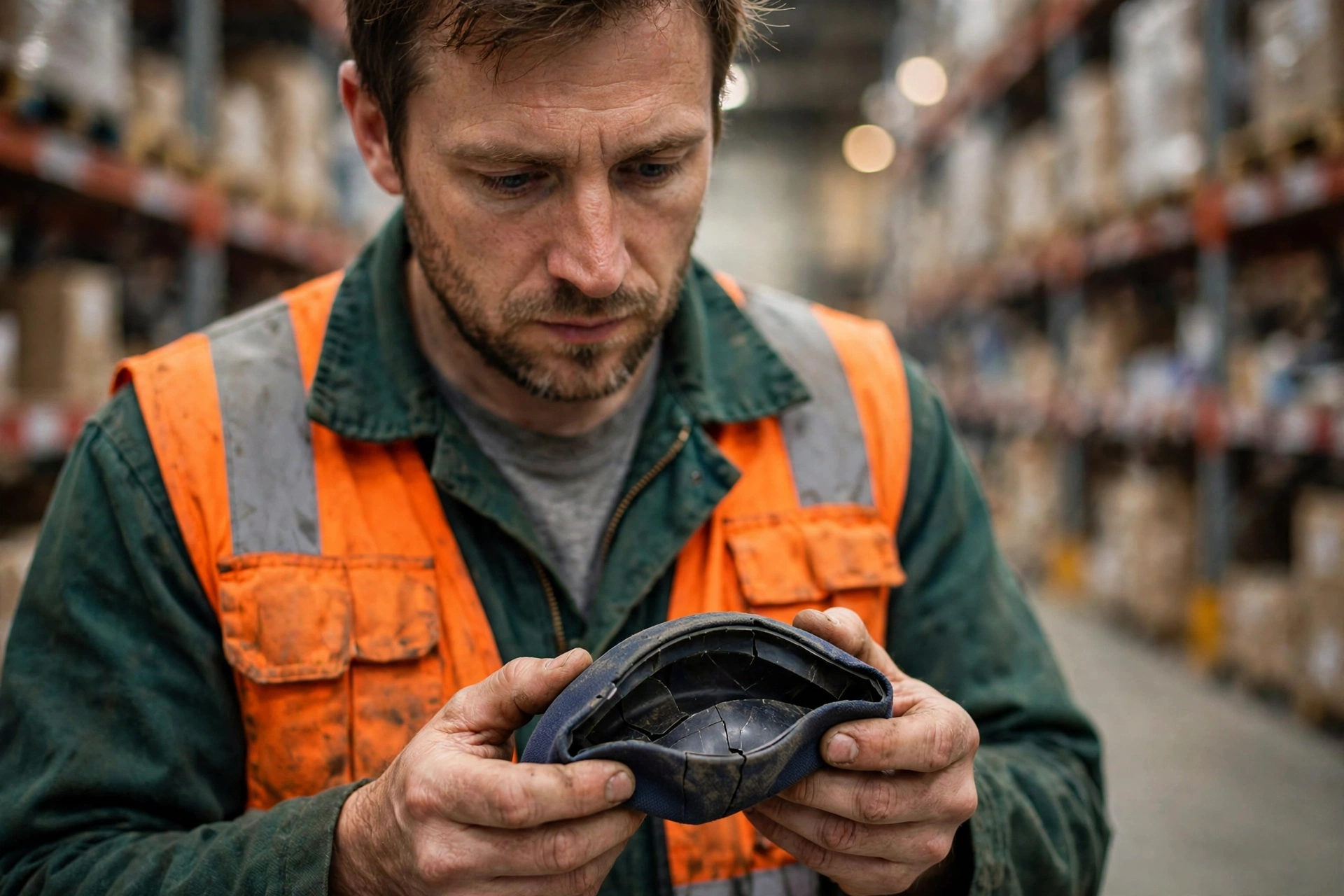
Check the insert first: cracks, whitening at stress points, warping, or an insert that rattles or has worn through its lining all mean the protective part of the cap is spent. If you can flex the shell and it feels brittle rather than springy, that is your answer.
Check the padding and fit next. Foam that stays compressed, a cap that no longer sits snugly, or stitching that has let the insert migrate off-center all mean the protection is no longer positioned where your head needs it. Fabric worn through anywhere over the insert is also a retirement sign — the cap’s structure is part of the system.
Finally, check its history. A bump cap that has taken one genuinely hard knock has done the job it was bought for. Like every other kind of head protection, its ability to manage the next impact is reduced — the same reason a crashed bike helmet is retired even when the rotational-impact protection like MIPS inside it did its work invisibly.
Does a Bump Cap Need Replacing After a Bump?
After a serious one, yes. Bump caps are built for minor impacts — your head moving into something stationary at walking pace. A hit at the top of that range, or anything beyond it — a fall, something dropping on the cap, a crack you can feel — ends the discussion: replace it, because the insert may have cracked where you cannot see.
Routine light taps are the cap’s normal working life and do not each demand a replacement, but they are a prompt to inspect. Run your fingers over the insert after any knock that made you glad you were wearing it. If it feels different — softer, cracked, shifted — the cap has told you it is finished.
Never repair an insert with tape or glue and carry on. A repair hides damage, changes how the shell behaves, and costs nearly as much effort as the modest price of a new cap.
How Can You Make a Bump Cap Last Longer?
Store it like equipment, not laundry: out of direct sun, away from heat and chemicals, not crushed under heavier gear. A hook in a shaded locker beats a dashboard every time. Keep it clean with gentle hand-washing in mild soap and air-drying, rather than hot machine cycles that age the foam.
Rotate if you can. Workers who wear bump caps all day, every day, often keep two and alternate — each cap gets rest days, the padding recovers, and you always notice when one starts to feel wrong because the other still feels right.
And mark the start date. A small note of when the cap went into service — on a phone, a locker card, or the cap’s own label — turns “how old is this thing?” from a guess into a fact, and makes the replacement decision easy when the wear signs start to add up.
Frequently Asked Questions
Q: Can a bump cap last as long as a hard hat?
A: In gentle service, its fabric and insert may survive a good while, but bump caps generally age faster in daily wear — fabric, foam, and a lighter shell take more punishment from sweat, sun, and storage than a hard hat’s rigid shell does. Judge both by condition, and expect the bump cap to need replacing sooner.
Q: My bump cap looks fine after two years. Should I replace it anyway?
A: Inspect it properly first: flex the insert, check for cracks, fading, and stiffness, squeeze the padding, and confirm it still sits snugly and centered. If it passes all of that, keep wearing it — but re-check regularly, because UV and sweat damage accumulate invisibly.
Q: Does washing a bump cap shorten its life?
A: Gentle hand-washing in cool water with mild soap, followed by air-drying, does little harm and removes sweat that itself degrades foam. Hot water, machine washing, and tumble drying are the wash habits that shorten a bump cap’s life.

Olivia
Writer at Helmet Today, covering helmet reviews, fit and riding safety.