Clean a batting helmet with lukewarm water, a drop of mild soap and a soft cloth — inside and out — then air-dry it completely in the shade. That is genuinely all it takes. A batting helmet’s padding soaks up sweat all season, so a gentle wash every few weeks (and a wipe-down after dirty games) keeps it fresh and extends its life. Never put one in a washing machine or dishwasher, never soak it for hours, and never use bleach or solvent cleaners on it.
Whether it is a Little League helmet shared by a whole dugout or your own fastpitch lid, here is the full routine — pads, shell and ear flaps — plus how to dry and store it so it lasts.
What Supplies Do You Need?
You probably own everything already: a bucket or sink of lukewarm water, mild liquid soap or a little shampoo, two soft cloths or a soft sponge, an old soft toothbrush for seams and vents, and a clean towel. A small fan speeds up drying but is optional.
Just as important is what to leave in the cupboard. Skip bleach, disinfectant sprays with solvents, abrasive scouring pads, and anything marketed as a heavy-duty degreaser. In general terms these can dull or weaken the shell finish, degrade the adhesives holding the padding, and irritate skin the next time the helmet is worn. Mild soap and water do the real work; the rest is technique and patience.
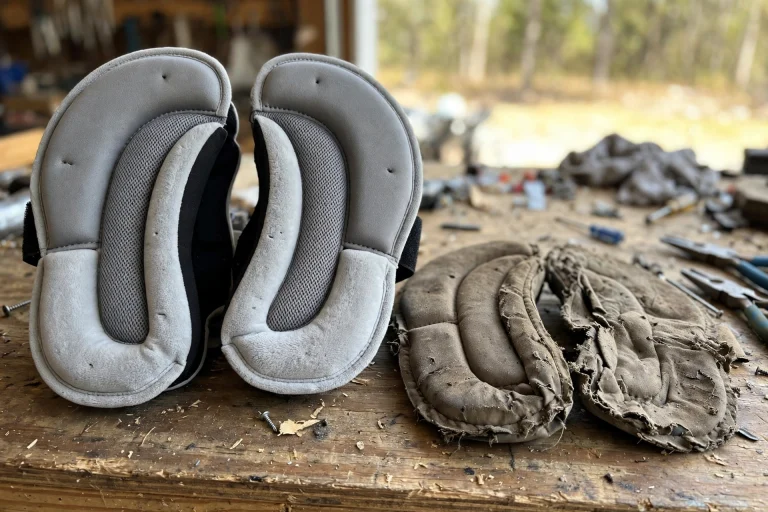
If the helmet has removable pads — many do, held by hook-and-loop fasteners or snaps — take them out before you start. They wash and dry far better separately. Note where each pad sits, or take a quick photo, so refitting is easy.
How Do You Wash the Padding?
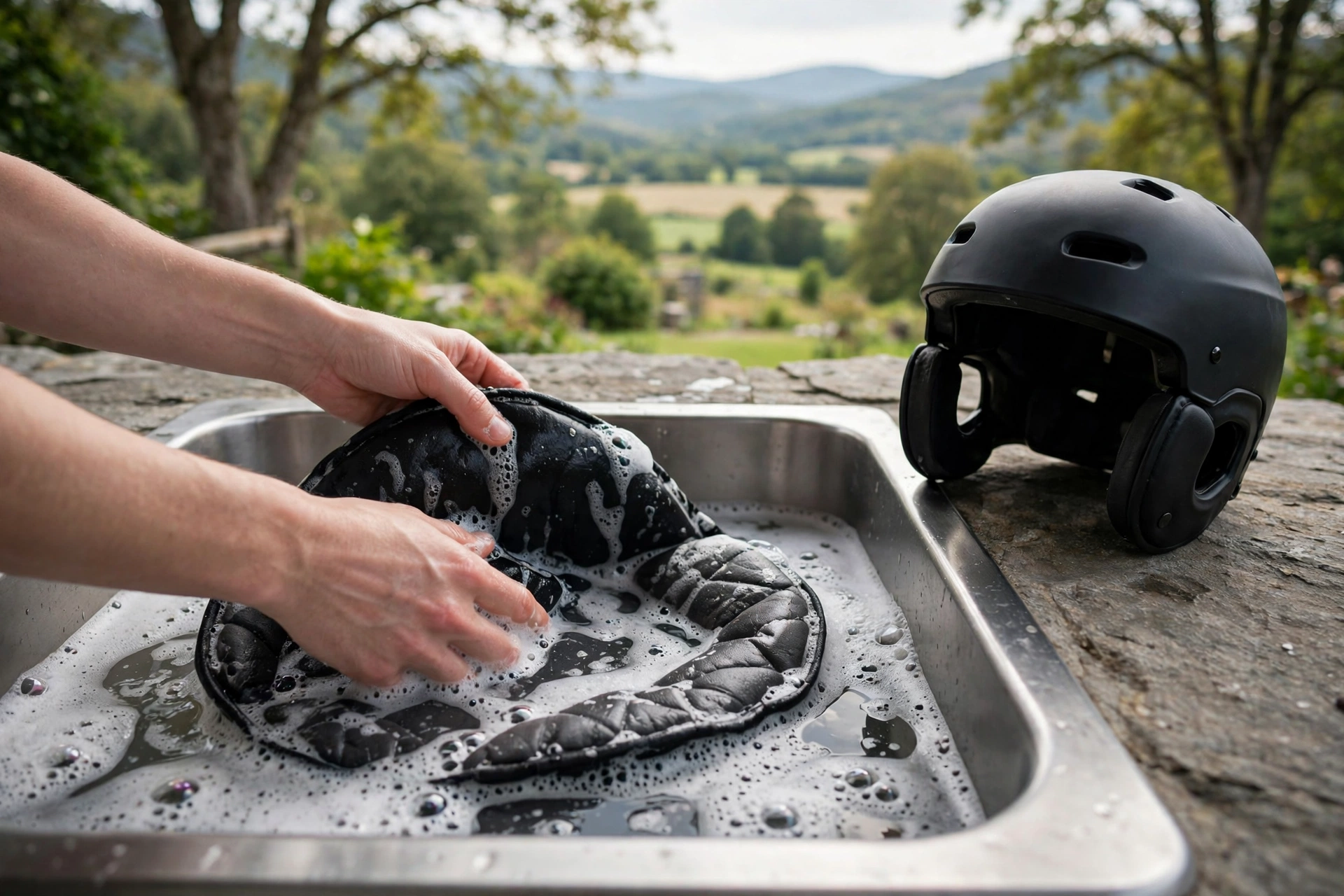
Sweat smell lives in the pads, so give them the most attention. If they are removable, swish them gently in the soapy water, squeezing rather than wringing, then rinse until the water runs clear. If they are fixed, work the soapy cloth over them in place, pressing the lather in and wiping it out with a clean damp cloth several times.
For team helmets that see many heads, this wash between users is worth the effort — soap and a full dry remove the grime and most of the odor along with it. Use the soft toothbrush along seams and around snap bases, where sweat and dirt collect.
Pay attention to any foam that is cracked, crumbling or peeling away from its backing. That padding is no longer doing its job. Replacement pad kits exist for some models; otherwise, damaged padding is a sign the helmet is approaching the end of its life. And one hard rule: a cracked shell can never be cleaned back to safe — a batting helmet with any crack in the shell must be retired and replaced, never taped, glued or played in.
How Do You Clean the Shell and Ear Flaps?
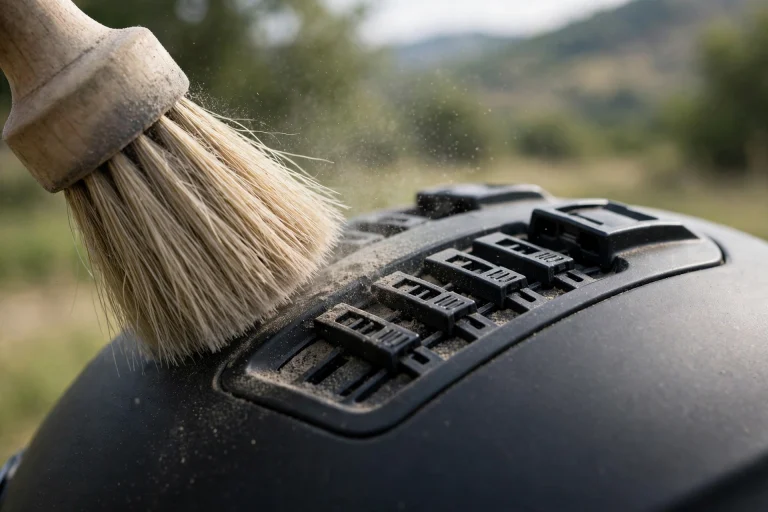
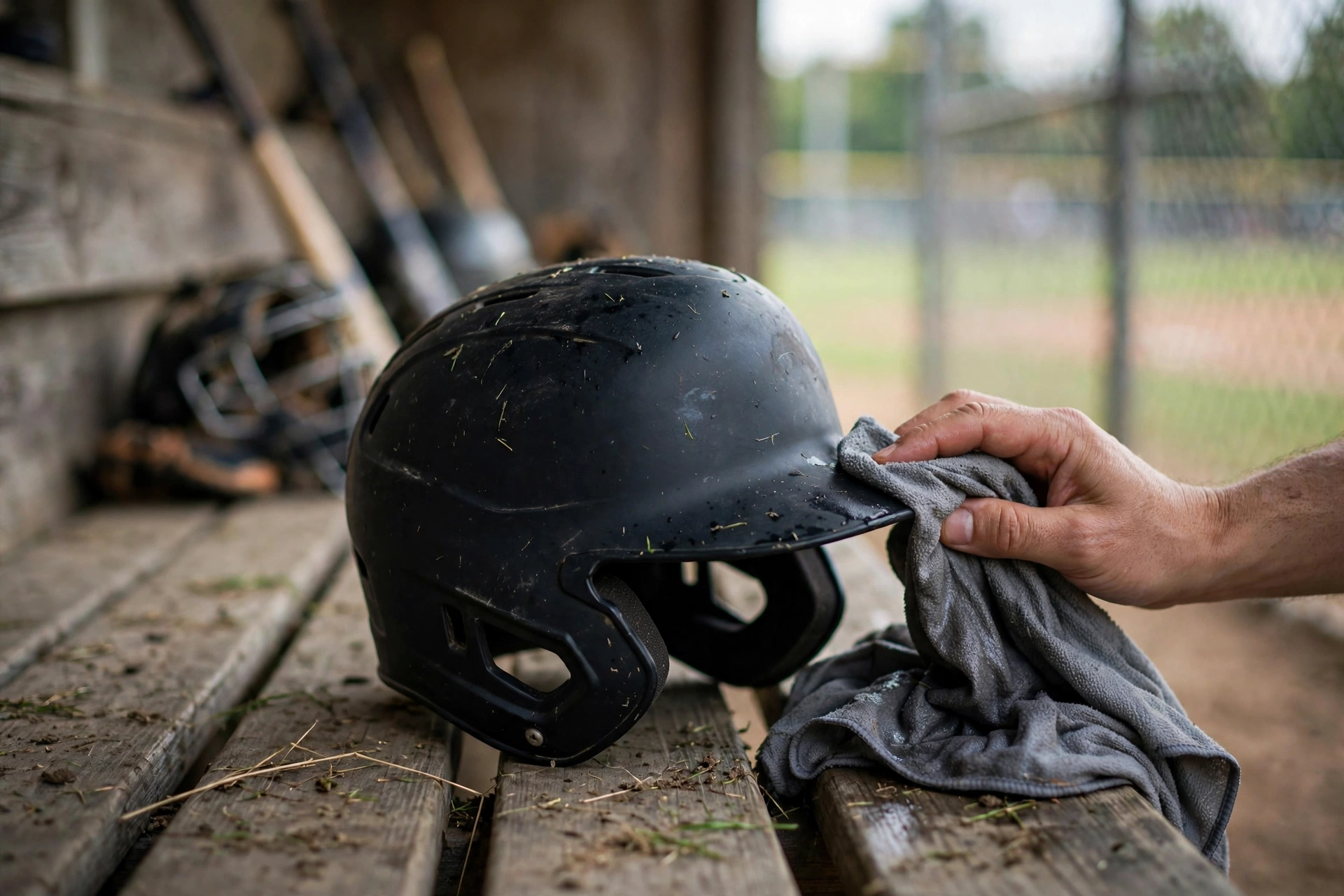
Wipe the outside with the soapy cloth, working over scuffs, bat-tape marks and dirt from the field. Most marks lift with a little dwell time — lay the wet cloth on a stubborn spot for a minute rather than scrubbing harder. Use the toothbrush around the ear flaps, facemask attachment points and any vents, where dust and clay lodge.
If your helmet has an attached face guard or jaw guard, clean it the same way and check its screws and mounts while you are there: they should be snug, with no cracked plastic at the attachment points. Loose or damaged guard hardware is a replace-or-repair-with-genuine-parts issue, not something to ignore for another season.
Rinse by wiping with a clean cloth dampened with plain water, a couple of times, so no soap film remains. Leftover soap on a shell looks chalky when it dries and can make pads feel sticky against the skin.
How Should You Dry and Store It?
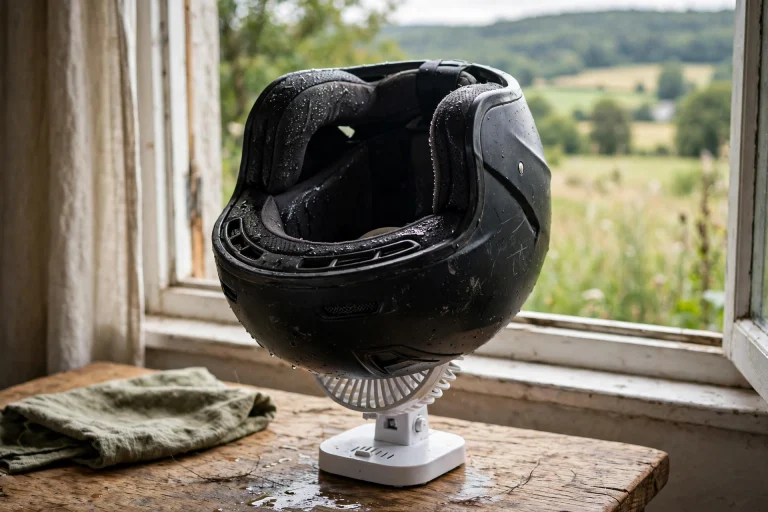
Press pads gently in a towel to remove water, then set the helmet upside down or on a towel in a ventilated spot out of direct sun. Room-temperature air is right; a fan helps. Never dry a batting helmet on a radiator, with a hair dryer on hot, or in a tumble dryer — heat can warp the shell and break down foam and glues. Let everything dry fully, usually overnight, before the next game; a helmet put away damp is a helmet that smells by Friday.
Refit removable pads only once they are completely dry, matching them to your photo. Then do a ten-second fit check on the player’s head: the helmet should sit level, snug, with the ear flaps over the ears and no wobble when they shake their head.
Store the helmet indoors, in its bag or on a shelf, not loose in a gear bucket where it gets crushed under cleats and bats — and not in a hot car trunk between games. The same fit checks apply to every helmet in the household, whether it is a batting lid or the bike helmet with a rotational-protection liner hanging beside it: clean pads, sound shell, snug fit.
How Often Should a Batting Helmet Be Cleaned?
For a personal helmet in regular use, a full wash every few weeks during the season, with a quick shell wipe after dusty games, is a good rhythm. For shared team helmets, wash the pads more often — weekly is reasonable in hot weather — and always after a player has been ill.
Between washes, small habits help: let the helmet air out after every game instead of zipping it straight into a bag, and wipe the sweatband area with a damp cloth. Players who wear a cap or bandana under the helmet keep much of the sweat out of the pads in the first place.
End-of-season is the most important wash of all. Clean and fully dry the helmet before storing it for winter, and use the moment to inspect the shell, padding and any face guard honestly. That way spring starts with a helmet you have already checked, not a surprise.
Frequently Asked Questions
Q: Can you put a batting helmet in the washing machine or dishwasher?
A: No. Machine heat and agitation can warp the shell, damage foam and dissolve the adhesives holding pads in place. Hand-washing with mild soap and lukewarm water is the safe method.
Q: How do you get the sweat smell out of the pads?
A: Wash the pads thoroughly with mild soap, rinse until the water runs clear, and dry them completely — lingering dampness is the main cause of returning odor. Removable pads wash best taken out of the helmet.
Q: A batting helmet has a crack in the shell. Can it be taped?
A: No. Tape or glue cannot restore a shell’s strength. A cracked batting helmet must be taken out of play and replaced, however small the crack looks.

Olivia
Writer at Helmet Today, covering helmet reviews, fit and riding safety.