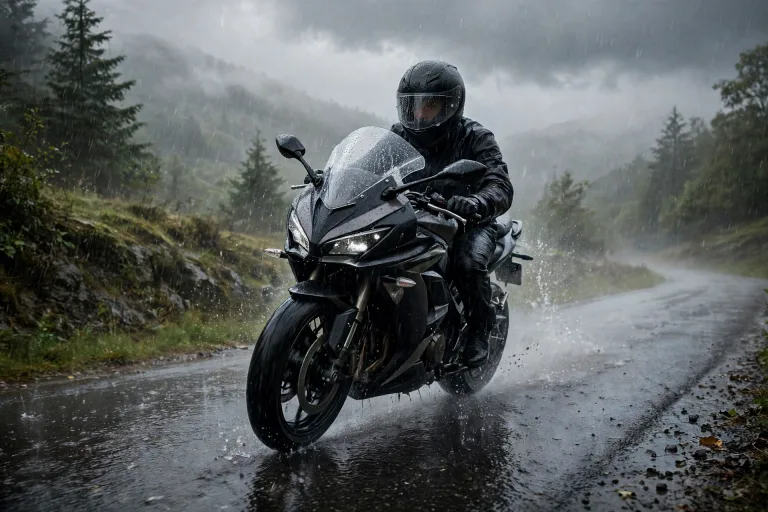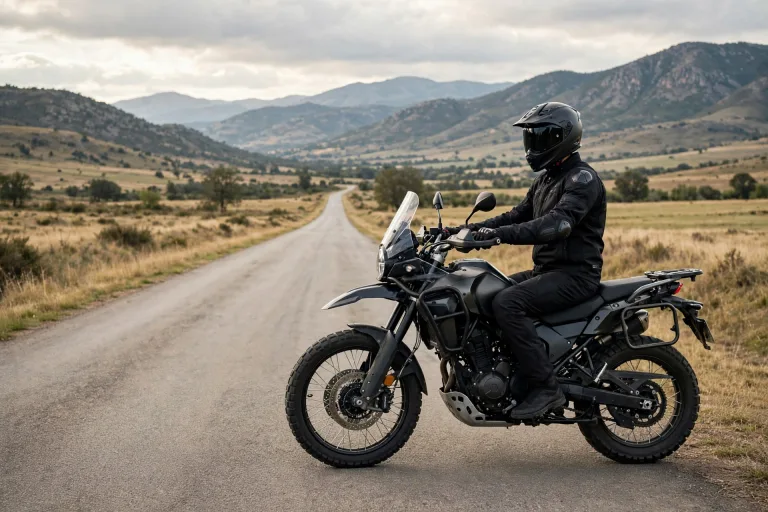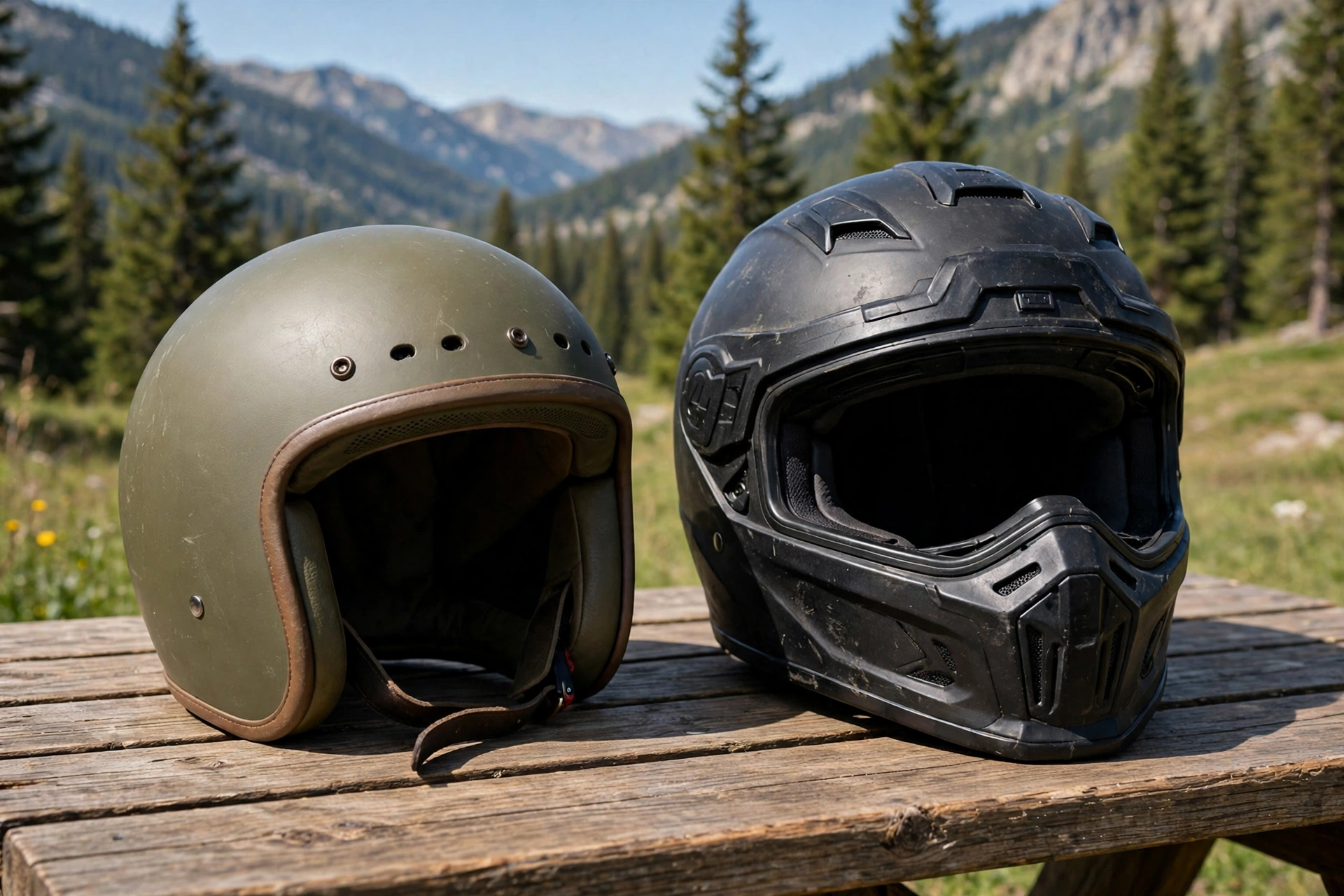
The difference between a lightweight helmet and a heavy helmet is mainly weight and the way that weight feels on the head, and in general terms a lighter helmet is more comfortable on a long ride, while a heavier helmet often feels more solid and may carry extra features, padding, or a thicker shell. The weight of a helmet is one of the first things a rider notices, and it affects comfort, neck strain, and how the helmet feels after an hour or two. Choosing between light and heavy is really about finding the right balance for the way you ride.
Helmet weight varies a great deal from one type to another. A light road cycling helmet may weigh only a few hundred grams, while a full-face motorcycle helmet can weigh several times as much. The weight comes from the shell, the lining, the padding, the visor, and any extra features such as a sun shield or a communication system. None of these parts is there by accident, but each one adds grams, and the grams add up.
What makes a helmet lightweight?
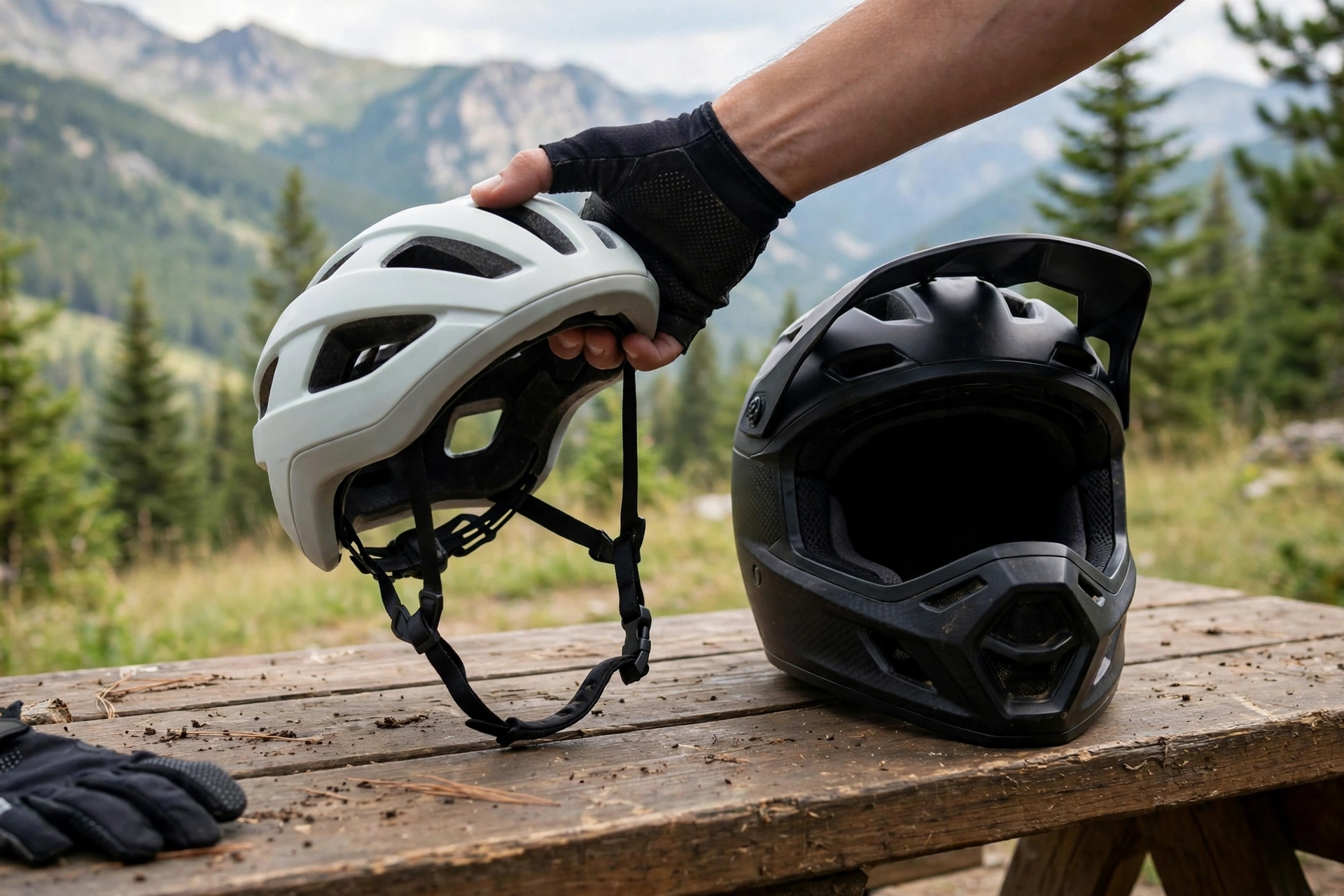
A helmet is lightweight when its shell and lining are made from light materials and it carries few extra features. Light helmets often use a thin but strong outer shell, a light foam lining, and minimal padding, with large vents to keep the weight down and the air flowing. A cycling helmet is a good example: it is mostly foam and vents, with a thin shell to hold it together, and it is made to be light enough to forget on a long climb.
The design of a light helmet also matters. A helmet with a simple shape, a short peak, and no built-in visor or sun shield will usually be lighter than one with moving parts and extra layers. In general terms, the lighter the helmet, the less material it has, and the less material it has, the more the maker has to rely on clever design to keep it strong. A well-made light helmet can still offer good protection, but it is worth checking that it meets the safety standard for the sport it is made for.
What makes a helmet heavy?
A helmet is heavy when it has a thick shell, dense padding, a full visor, and extra features built in. A full-face motorcycle helmet is a good example: it covers the whole head and face, it has a thick shell to cope with high-speed impacts, it has a visor that slides up and down, and it may have a sun shield, vents, and space for a communication system. Each of those features adds weight, and the total can be felt after an hour on the road.
Heavy helmets are not heavy by mistake. The extra weight often comes with extra protection, extra comfort, or extra features that a rider wants. A thick shell and dense padding can absorb more energy in a hard impact, and a full-face design protects the jaw and the chin as well as the top of the head. A heavy helmet may also be quieter at speed, because its thicker shell and tighter fit let in less wind noise. In general terms, the weight is the price of the protection and the features.
How does helmet weight affect comfort?
Helmet weight affects comfort because the neck has to carry the helmet for the whole ride, and even a small difference in weight can be felt after an hour or two. A light helmet puts less strain on the neck and the shoulders, and a rider is less likely to feel tired or sore at the end of a long day. A heavy helmet, on the other hand, can make the neck ache, especially on a rough road or trail where the head is being bounced around.
Balance matters as much as total weight. A helmet that is well balanced, with its weight spread evenly around the head, will feel lighter than a helmet of the same weight that is front-heavy or back-heavy. A heavy visor or a sun shield at the front can pull the helmet forward, and a rider may find themselves holding their head up against that pull all day. The best way to judge comfort is to wear the helmet for a while, not just to try it on for a minute in a shop.
Is a lightweight helmet safer than a heavy helmet?
A lightweight helmet is not automatically safer than a heavy helmet, and a heavy helmet is not automatically safer than a light one. Safety depends on how the helmet is built, what it is made for, and whether it meets the safety standard for the sport, not on the number on the scales. In general terms, a light helmet made for cycling and a heavy helmet made for motorcycling are both safe for their own purpose, and neither would be a good choice for the other sport.
What matters is that the helmet fits well, is worn every time, and is made for the activity. A light helmet that fits badly and slides around is less safe than a heavier helmet that fits snugly and stays in place. A heavy helmet that is so uncomfortable that a rider leaves it at home is no help at all. Riders who are choosing a new helmet may also want to learn about features that can help in a fall, including a system designed to reduce rotational forces, such as MIPS, which is found in helmets at many weights. The safest helmet is the one that fits, suits the sport, and gets worn.
How should you choose between a light and a heavy helmet?
To choose between a light and a heavy helmet, start with the sport and the speed, then think about how long you will wear it and what features you need. A rider who spends hours on a bike in hot weather will usually be happier with a light, well-ventilated helmet, while a rider who needs full-face protection, a visor, and a quiet ride will accept the extra weight of a heavier helmet. The choice is a trade-off, and there is no single right answer for every rider.
Try the helmet on and wear it for a few minutes, moving your head from side to side and up and down, to see how the weight feels. Check that the fit is snug, the strap is comfortable, and the helmet does not press anywhere. A helmet that feels heavy in the shop will feel heavier after an hour on the road, so it is worth taking the time to compare a few models. In general terms, the best helmet is the lightest one that still gives the protection and the features the rider needs.
Does a heavier helmet mean better protection?
Not always. A heavier helmet often has a thicker shell and more padding, but protection depends on the design, the materials, and the safety standard, not on weight alone.
Can a lightweight helmet be used for motorcycling?
In general terms, a light cycling helmet should not be used for motorcycling. A motorcycle helmet needs to be made and tested for motorcycle speeds, and a cycling helmet is not designed for that.
How much should a helmet weigh?
There is no single right weight for a helmet, because it depends on the type and the sport. In general terms, a helmet should feel comfortable on the head for the length of a normal ride without causing neck strain.

Olivia
Writer at Helmet Today, covering helmet reviews, fit and riding safety.