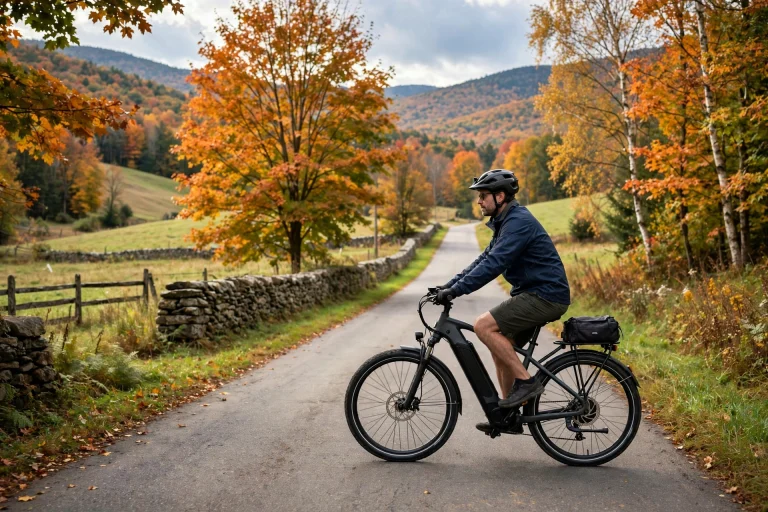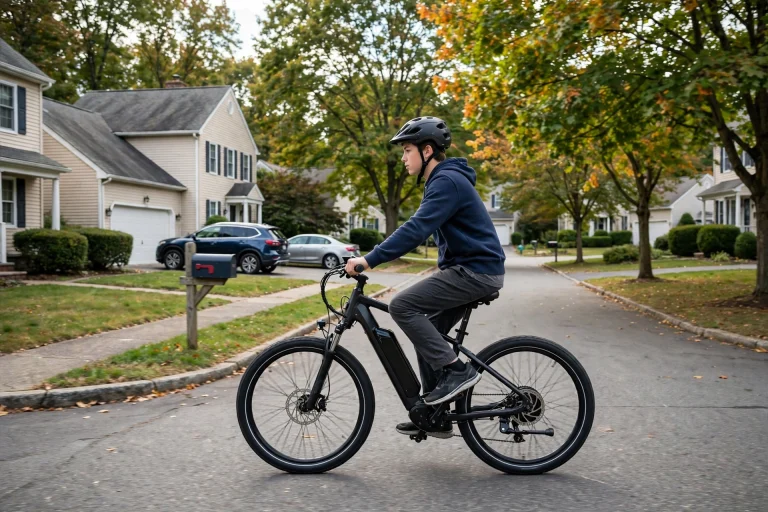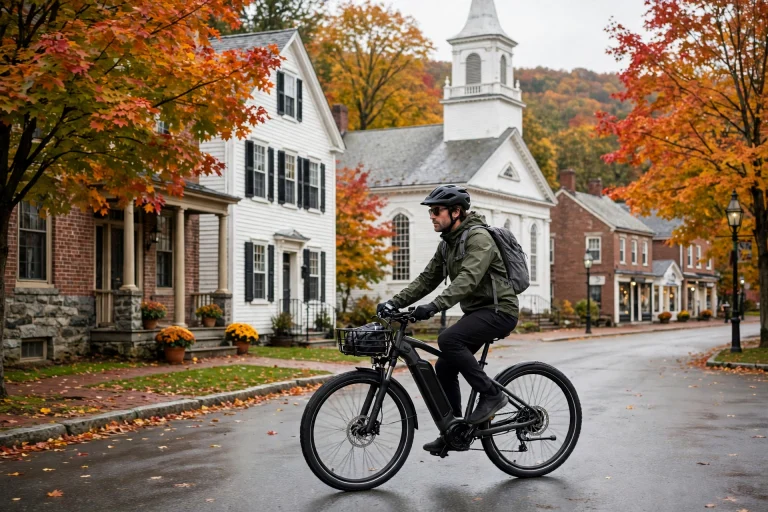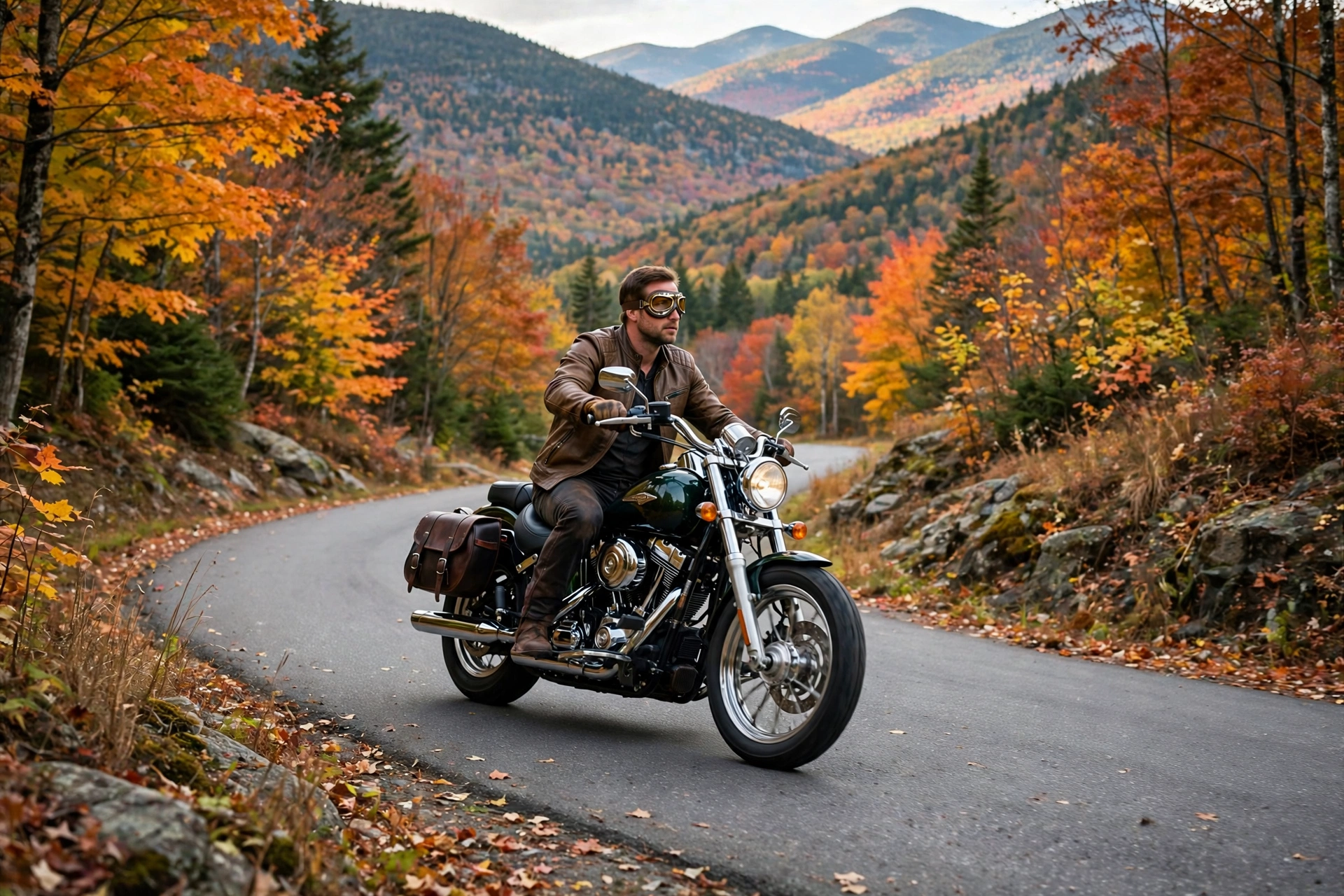
New Hampshire has no motorcycle helmet law at all. There is no age limit and no age requirement: no rider or passenger, of any age, is legally required to wear a helmet in New Hampshire. It is one of only three states in the US, along with Illinois and Iowa, with no motorcycle helmet requirement of any kind.
That freedom comes with one condition that catches many riders out: eye protection. Even though a helmet is optional, New Hampshire still requires you to protect your eyes while riding, unless your motorcycle is fitted with a windshield. This guide explains exactly what the law does and does not require, how the rules apply to passengers and visitors, and why many New Hampshire riders choose to wear a helmet anyway.
Is There Any Age at Which a Helmet Becomes Required in New Hampshire?
No. Unlike most states, which require helmets for riders under 18 or under 21, New Hampshire sets no age threshold at all. A 17-year-old passenger, a brand-new 18-year-old rider, and a 60-year-old touring rider are all treated exactly the same under state law: a helmet is a personal choice, not a legal duty.
This applies to everyone on the motorcycle, including passengers. There is no separate passenger helmet rule, no minimum age rule for passengers that includes helmet use, and no special helmet condition attached to learner permits or new licenses. If you hold a valid motorcycle license or endorsement and you are riding on a public road in New Hampshire, the helmet decision is entirely yours.
It is worth remembering that this is unusual. Almost every neighbouring state takes the opposite approach. If you are planning a ride that crosses state lines, the rules change the moment you leave New Hampshire, and we will cover that below.
What Does New Hampshire Law Require Instead of a Helmet?
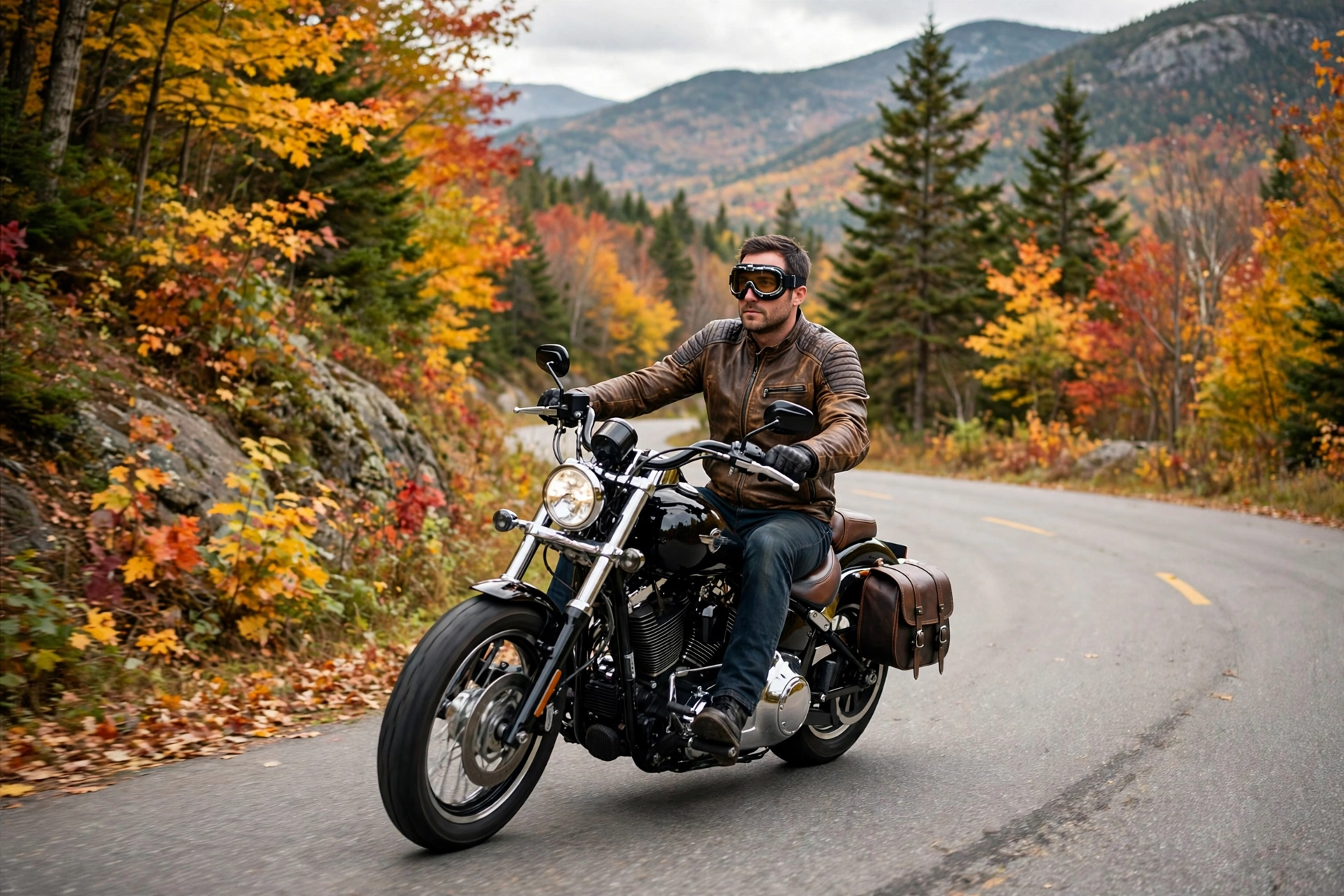
The one piece of protective gear New Hampshire does require is eye protection. Riders must wear goggles, safety glasses, or a face shield unless the motorcycle has a windshield that rises in front of the rider’s eyes. A plain pair of sunglasses may not count as proper protective eyewear, so purpose-made riding glasses or goggles are the safer legal and practical choice.
Beyond eye protection, the normal rules of the road still apply, of course. Your motorcycle must be registered and inspected, you must hold the correct license or endorsement, and your passenger must have a proper seat and footrests designed for carrying a passenger. Riding without a helmet does not exempt you from any other equipment or licensing rule.
Do Riders Visiting From Other States Need a Helmet in New Hampshire?
No. The law in force is the law of the state you are riding in, not the state you came from. If your home state requires a helmet for everyone, that duty stops at the New Hampshire border. Visitors riding through the White Mountains, Laconia, or the seacoast are under the same rule as residents: helmet optional, eye protection required unless your bike has a windshield.
The catch is the return trip, and any riding beyond New Hampshire’s borders. Massachusetts, Vermont, and Maine all have their own helmet rules, and they are stricter. Vermont and Massachusetts require helmets for all riders, while Maine requires them for younger riders and passengers. If your route crosses into those states, you must comply with their laws while you are there. Many touring riders simply carry a helmet for the whole trip so a border crossing never becomes a problem. You can compare every state’s rules in our guide to helmet laws by state.
Can You Be Stopped or Fined for Not Wearing a Helmet in New Hampshire?
No, because there is no helmet law to break. Police cannot issue a helmet ticket in New Hampshire for an adult or a minor, since wearing one is never mandated. There is no fine, no points, and no court cost attached to riding helmet-free in the state.
You can, however, be cited for riding without proper eye protection on a motorcycle that has no windshield. Fines for equipment violations like that vary by court, so it is best not to assume the amount. The simple way to avoid the issue entirely is to wear rated riding goggles or a helmet with a shield every time you ride, which also keeps wind, insects, and road grit out of your eyes.
Keep in mind, too, that a helmet citation is not the only financial risk. If you are injured in a crash while not wearing a helmet, the other driver’s insurer may argue that you contributed to your own injuries. That argument plays out under general negligence and insurance rules, not helmet law, but it is a real-world reason many riders gear up even where the law does not make them.
Why Do So Many New Hampshire Riders Wear a Helmet Anyway?
“Live Free or Die” cuts both ways: the same freedom that lets you skip a helmet also lets you choose the protection without anyone forcing the decision. In practice, a large share of New Hampshire riders do wear helmets, especially on highways, in cold weather, and on long tours. A full-face helmet cuts wind fatigue, keeps you warmer on mountain roads, and makes long rides far more comfortable.
The safety case is well established nationally. Helmets are designed to absorb impact energy and reduce the severity of head injuries in a crash, and head injuries are the most serious risk a rider faces. Riders who choose to go without in New Hampshire often still pick a helmet for higher-speed roads, unfamiliar routes, wet weather, or rides that will cross into states where helmets are required.
If you do buy a helmet for New Hampshire riding, look for one that meets the US DOT standard, fits snugly without pressure points, and includes a shield or room for goggles so your eye protection is always sorted. Replace it after any crash or drop onto a hard surface, and roughly every five years as materials age.
Frequently Asked Questions
Does New Hampshire have a motorcycle helmet law?
No. New Hampshire is one of only three states, with Illinois and Iowa, that has no motorcycle helmet law. No rider or passenger of any age is required to wear one.
Do passengers need a helmet in New Hampshire?
No. Passengers are covered by the same rule as riders: helmets are optional at every age. Eye protection rules and proper passenger seating still apply.
Is eye protection required on a motorcycle in New Hampshire?
Yes. Unless your motorcycle has a windshield, you must wear goggles, safety glasses, or a face shield while riding in New Hampshire.

Olivia
Writer at Helmet Today, covering helmet reviews, fit and riding safety.