

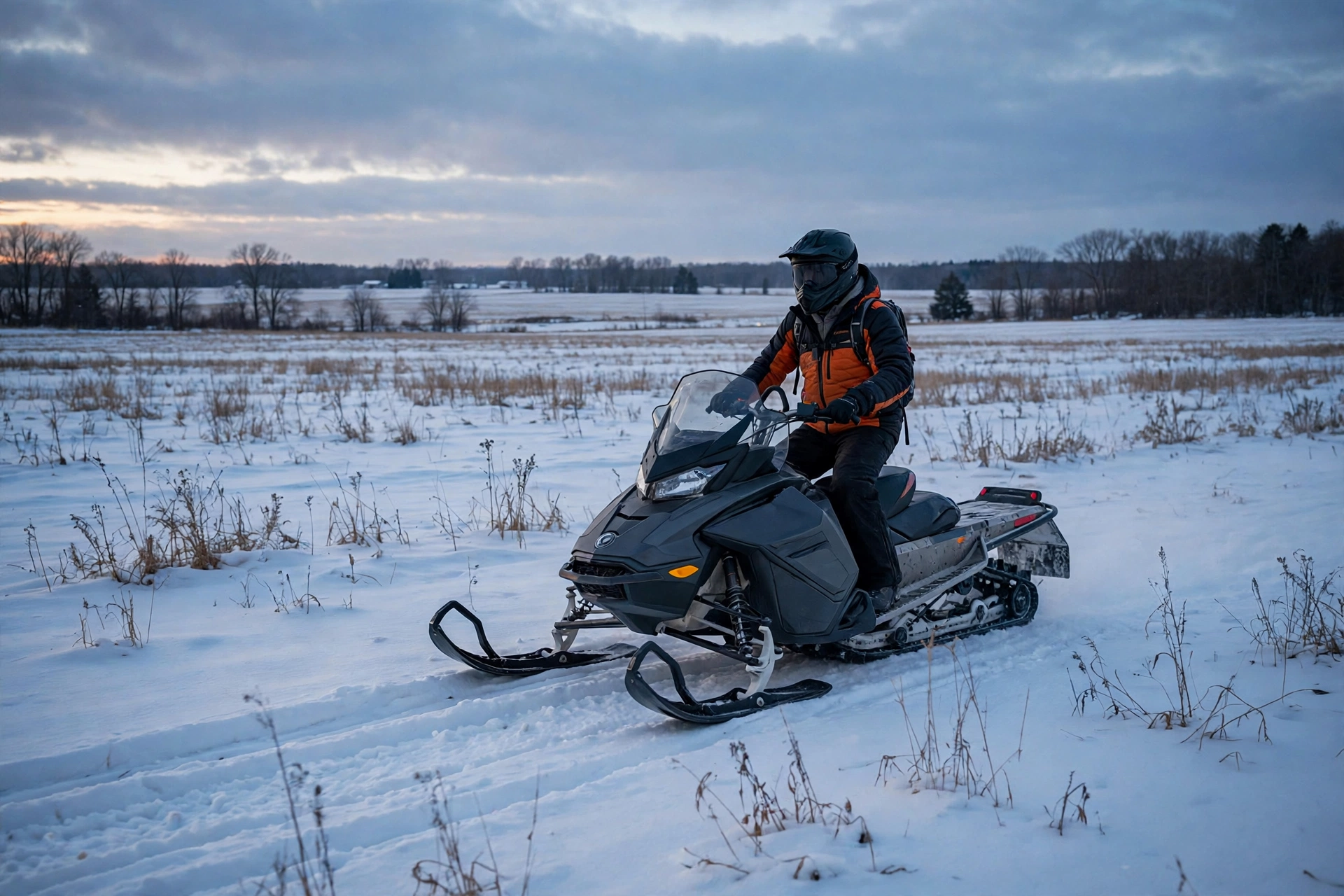
No — Wisconsin has no state law requiring a helmet for snowmobile riders of any age. Children, teenagers, and adults can all legally ride without one under state law, although the Wisconsin DNR strongly recommends a helmet for every rider, and many organized rides, tours, and rental operators require one anyway.
What Wisconsin does require is safety certification for many riders: if you were born on or after January 1, 1985, you need a snowmobile safety certificate to ride on public land and trails. Here is how the rules actually work, and why most Wisconsin riders choose to wear a helmet even though the state does not force them to.
Does Wisconsin require helmets for snowmobile riders?
No. Wisconsin state law does not mandate helmets for snowmobile operators or passengers, regardless of age or experience. A 12-year-old on a youth sled and a 50-year-old touring rider are treated the same way by the helmet law: there simply is not one.
That makes Wisconsin different from some of its neighbors, and it often surprises visitors crossing state lines on interstate trail systems. The rule that applies is the rule of the state you are physically riding in, so a helmet that is optional in Wisconsin may be legally required for a young rider once you cross into another state. Before a multi-state trip, check the requirements for every state on your route — our overview of what states have helmet laws helps you compare how states differ.
Private landowners, snowmobile clubs, event organizers, and rental companies can also set their own helmet rules on their rides and machines, and their decision overrides the state’s silence. If the ride leader says helmets on, that is the rule for the day.
What does Wisconsin require instead of a helmet law?
Wisconsin puts its emphasis on training. Anyone born on or after January 1, 1985 must complete a DNR-approved snowmobile safety education course and carry the safety certificate while operating a snowmobile on public lands, trails, and frozen waters. The course covers safe operation, trail signs and hand signals, ice awareness, alcohol rules, and protective gear.
There are also age rules for young operators. Children under 12 may operate a snowmobile only under close parental or adult supervision and within specific limits, and riders aged 12 to 15 who have completed the safety course can operate with more independence. Anyone riding in Wisconsin also needs proper snowmobile registration, and operators must follow trail permits and local ordinances where they apply.
In short: the state may not require the helmet, but it does require you to know what you are doing before you ride in public.
Why does the Wisconsin DNR still recommend a helmet?
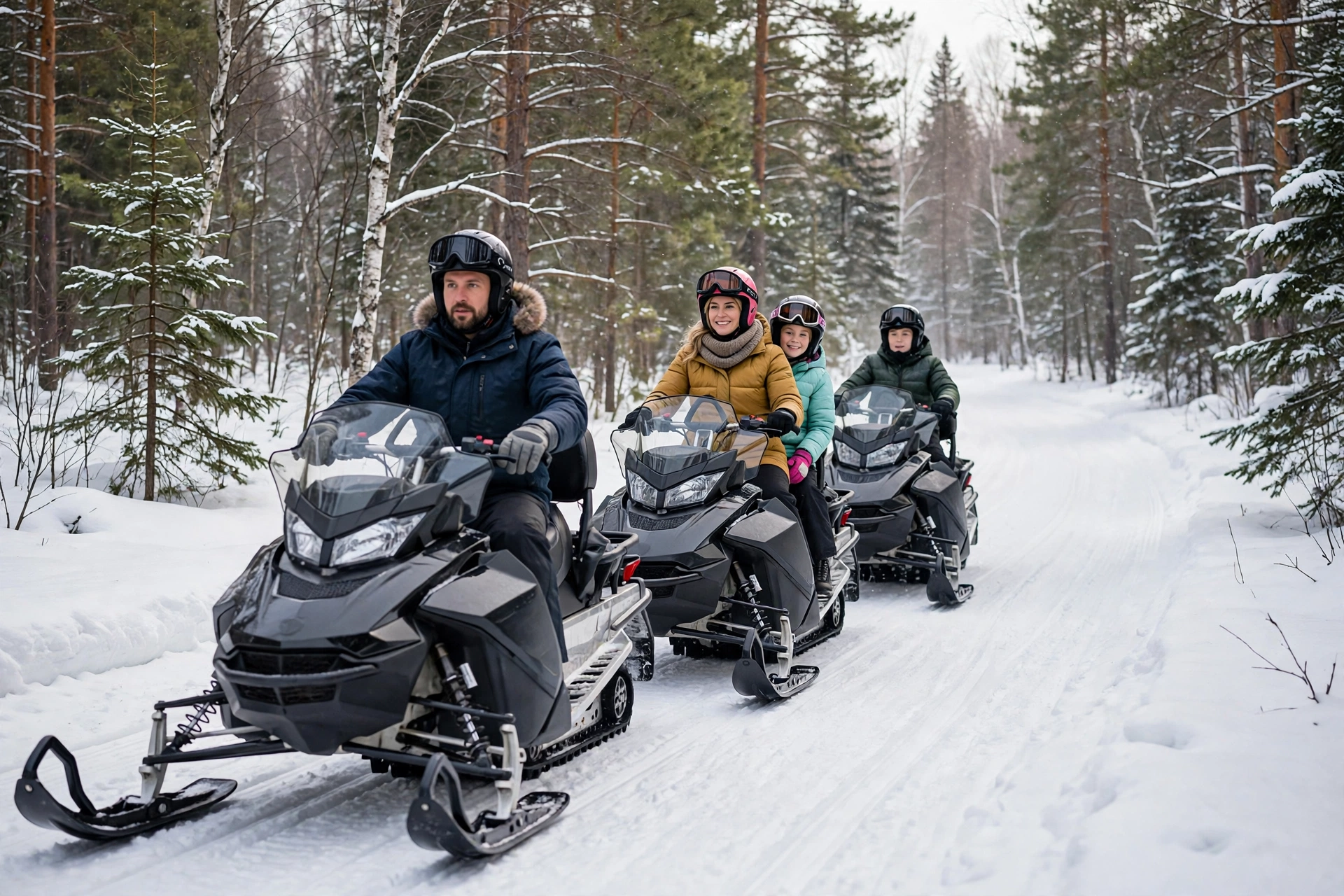
Because the crash data does not care whether a helmet was legally required. Snowmobiling combines real speed — modern sleds easily cruise at 45 to 60 mph on open trails — with trees, fence posts, road crossings, other riders, and ice that can change thickness from one bay to the next. When crashes happen, riders are often thrown from the machine, and head injuries are among the most serious and most preventable outcomes.
A full-face snowmobile helmet does more than protect against impacts. It shields your face from wind chill that can cause frostbite in minutes, keeps blowing snow and trail debris out of your eyes, and reduces fatigue from wind noise on long rides. A double-pane or heated shield keeps your vision clear in the bitter cold that defines a Wisconsin January.
The DNR’s recommendation is echoed by virtually every safety organization in the sport: a DOT-approved helmet, worn and buckled on every ride, is the single cheapest safety upgrade a rider can make.
When are helmets required on a snowmobile in Wisconsin anyway?
Even without a state law, there are several common situations where a helmet is effectively mandatory. Rental companies almost always include a helmet with the sled and require you to wear it — it is a condition of the rental agreement and their insurance. Guided tours and club events frequently do the same. If you damage a rental sled in a crash while not wearing the required helmet, you may be liable for far more than you expected.
Racing and sanctioned competitions held in Wisconsin have their own rulebooks, and approved helmets are universally required there. Some employers also require helmets for anyone operating a snowmobile as part of their job, such as resort, utility, or trail-grooming staff.
Finally, parents can — and should — make helmets a non-negotiable family rule for young riders, law or no law. Young riders have the least experience and the most to lose, and a properly fitted youth helmet costs far less than a single emergency room visit.
How should you choose a snowmobile helmet in Wisconsin?
Choose a helmet that meets DOT standards, fits snugly without pressure points, and is designed for snowmobiling rather than borrowed from another sport. Full-face models with a breath box and a double-pane shield handle Wisconsin cold best; modular helmets are popular with touring riders who stop often to talk or take photos. The helmet should not shift when you shake your head, and the chin strap should be snug enough that you can fit only one or two fingers underneath.
Buy youth sizes for young riders rather than padding out an adult helmet — a loose helmet can move on impact and fail to protect. Replace any helmet after a crash, and plan on replacing a well-used helmet every few seasons as the protective foam ages. Finally, try helmets on in person when you can: brands size differently, and the right fit should feel snug all around, with no hot spots on your forehead after ten minutes of wear.
Frequently Asked Questions
Is it illegal to ride a snowmobile without a helmet in Wisconsin?
No. Wisconsin has no state helmet law for snowmobile riders of any age. Helmets are strongly recommended by the DNR, and rentals, tours, and events may still require them.
Who needs a snowmobile safety certificate in Wisconsin?
Anyone born on or after January 1, 1985 needs a DNR-approved snowmobile safety certificate to operate on public land and trails, and must carry it while riding.
Does my child need a helmet on a snowmobile in Wisconsin?
Not by state law — but safety experts and the DNR strongly recommend one, and many clubs and rental operators require helmets for minors. As a parent, making it a family rule is the safest choice.

Olivia
Writer at Helmet Today, covering helmet reviews, fit and riding safety.


