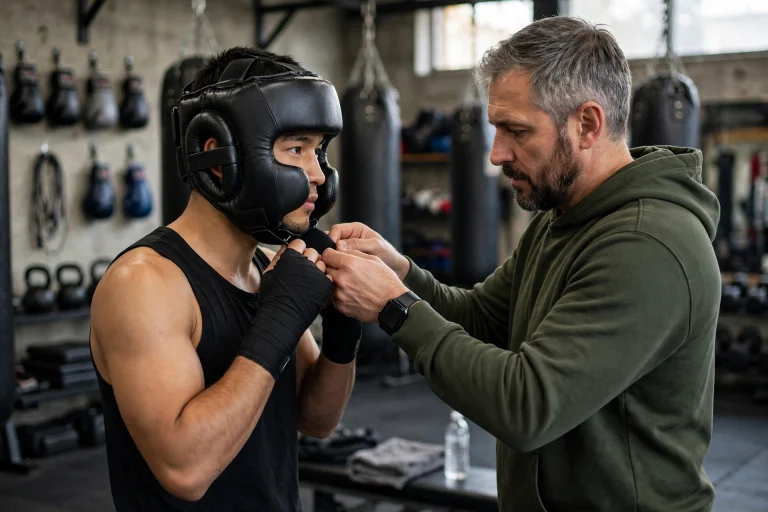
A boxing headguard should feel snug all over, like a firm handshake around your head — close enough that it does not shift when you move, but not so tight that it squeezes, throbs, or gives you a headache. If you can fit more than a finger between the padding and your head, it is too loose. If it leaves red marks that do not fade quickly, it is too tight.
Fit is the single most important thing about a headguard. A headguard that is too loose can slide over your eyes at the worst moment, and one that is too tight becomes a distraction you think about more than your opponent. This guide explains how snug is right, how to measure, and how to spot the signs of a bad fit.
How Snug Should a Boxing Headguard Feel?
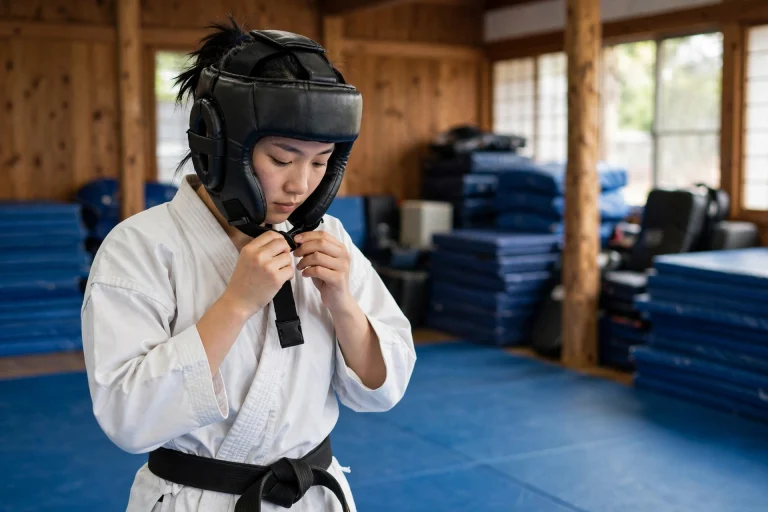
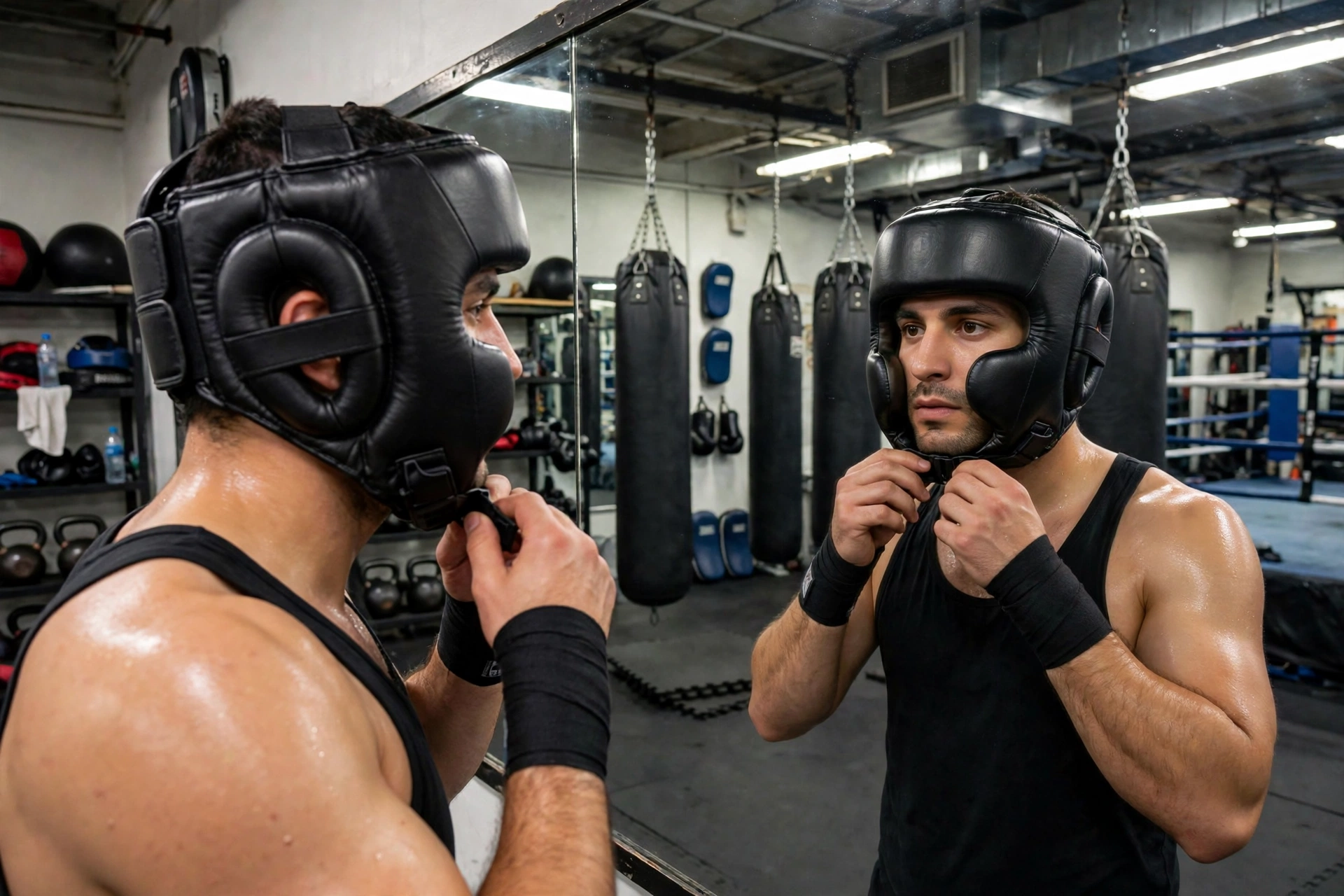
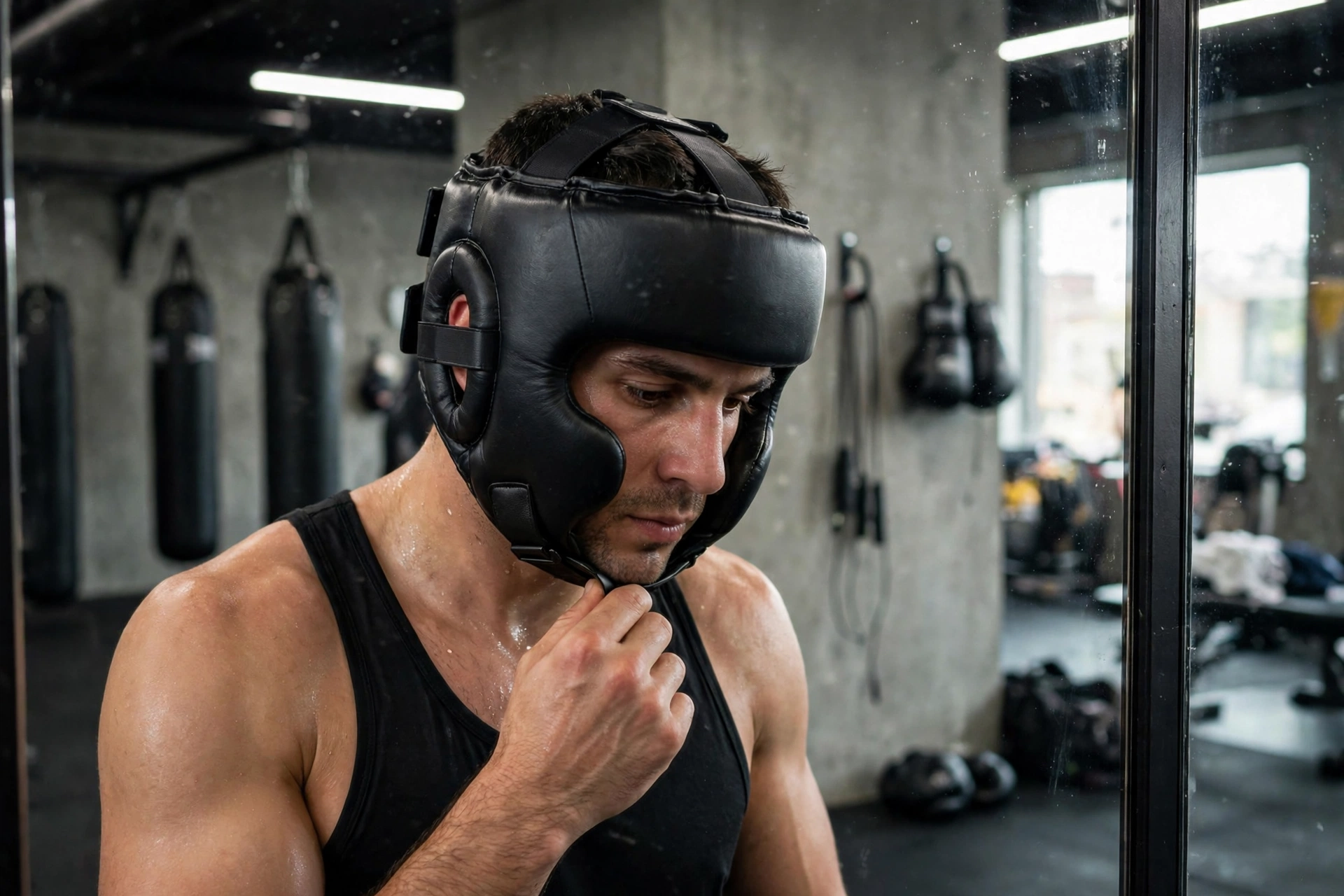
A well-fitting headguard should sit evenly around your head with no gaps and no pressure points. When you put it on and do the chin strap up, it should feel secure the moment you move — shake your head from side to side and nod up and down, and the headguard should move with your head, not slide around on it.
The padding should press gently against your forehead, cheeks, and the back of your head. You should be able to open your mouth and talk without the headguard digging in, and you should be able to see clearly in every direction. If the headguard drops over your eyebrows when you look down, or rides up when you look up, the fit is wrong.
Think of snug as secure rather than tight. The aim is contact everywhere — padding touching skin all the way around — without any single spot pressing harder than the rest. If you notice one area pinching while another area feels loose, the shape may not suit your head, and a different model could fit better.
How Do You Measure for a Boxing Headguard?
Start by measuring the circumference of your head with a soft tape measure, running it around the widest part — just above your eyebrows and ears, and around the back of your head. Write the number down in centimetres, then compare it with the size chart of the headguard you are considering. Most makers list small, medium, large, and extra-large, each covering a range of head sizes.
Do not rely on the size chart alone. Sizes vary between makers, and two headguards labelled large can fit very differently. If you can try the headguard on before buying, always do so — and try it with your mouthguard in, since that changes the shape of your face slightly.
Also pay attention to the shape of the headguard, not just its size. Some models are rounder, some are longer front to back, and some have thicker cheek padding than others. A headguard that matches the shape of your head will feel snug everywhere, while one that does not will pinch in one place and gap in another, whatever size you pick.
What Are the Signs a Headguard Is Too Tight?
The clearest sign of a headguard that is too tight is pain. If it presses on your temples, squeezes your cheeks hard, or gives you a headache within a few minutes of putting it on, it is too small or the wrong shape. A headguard should be forgettable once you start moving; if you are constantly aware of it pressing on you, something is wrong.
Look for red marks that stay visible for a long time after you take it off, especially on the forehead or around the ears. Some light marking after a hard session is normal, but deep grooves or marks that are still there an hour later suggest the fit is too tight. Also watch for restricted vision — if the padding pushes in at the sides and narrows what you can see, the headguard is squeezing your head rather than sitting on it.
Another sign is difficulty breathing or talking. A headguard that is too tight around the cheeks can make it hard to open your mouth properly, which matters when you are wearing a mouthguard and trying to breathe hard between rounds. If you find yourself pulling at the headguard between rounds just to get a proper breath, it is too tight.
What Are the Signs a Headguard Is Too Loose?
A loose headguard is easier to miss, but it is just as much of a problem. The main sign is movement: if the headguard slides forward over your eyes when you duck, or twists to one side when you take a light punch, it is not doing its job. A headguard that moves in use can block your vision at exactly the wrong moment.
Check for gaps. Run a finger around the edge of the padding — if you can slide it easily between the headguard and your skin in several places, the fit is too loose. The padding should sit against your head all the way around. Gaps mean the headguard can shift on impact, which reduces the protection it offers.
Also listen to how it feels when you move. A loose headguard often feels like it is floating slightly, and you may find yourself pushing it back into place with your glove. If you are adjusting it more than once a round, it is too big. Try a smaller size, or a model with adjustable lacing at the back that lets you tighten the fit.
How Should You Break In a New Headguard?
A new headguard often feels firmer than one you have worn for months, because the padding has not yet moulded to the shape of your head. Most headguards soften slightly with use as the foam compresses where it presses against your head.
Break a new headguard in during training, not on competition day. Wear it for a few light sessions first — pad work, bag work, and light sparring — so you can judge the fit when you are warm and moving, rather than when you are cold in a shop. If it still feels tight after several sessions, it probably is too small, and no amount of breaking in will fix that.
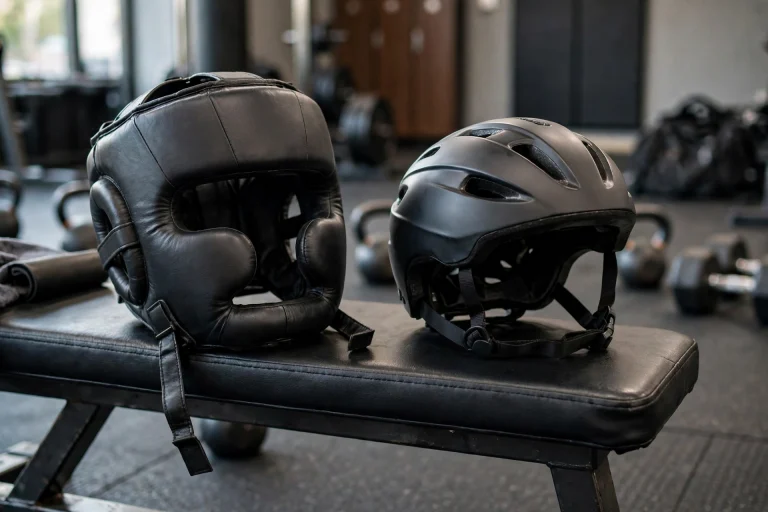
Some headguards have laces or straps at the back that let you fine-tune the fit as the padding settles. Check these before each session, since a headguard that fit perfectly last week can loosen slightly as the padding compresses. If you are comparing models and want to understand the safety features listed on the box, reading about what MIPS is for helmets can help you make sense of the technology terms.
Frequently Asked Questions
Q: How snug should a boxing headguard be?
A: It should feel snug all around with no gaps and no pressure points, and it should move with your head rather than sliding on it. If it throbs or leaves lasting red marks, it is too tight; if it shifts when you move, it is too loose.
Q: Should a headguard feel tight when it is new?
A: A new headguard often feels firmer than a worn one because the padding has not moulded to your head yet. It should feel snug, not painful. If it still feels tight after several training sessions, it is probably the wrong size.
Q: Can I wear a headguard over a mouthguard?
A: Yes, and you should always try a headguard on with your mouthguard in place. The mouthguard changes the shape of your cheeks and jaw, so a headguard that fits without one may feel different with one.

Olivia
Writer at Helmet Today, covering helmet reviews, fit and riding safety.