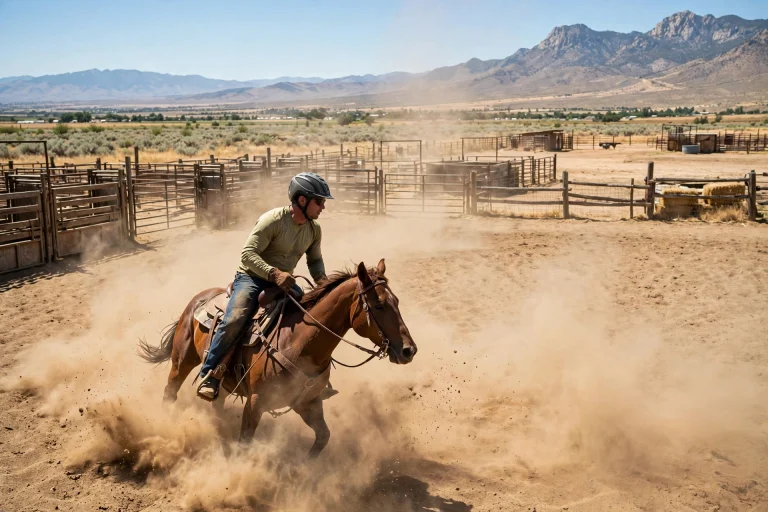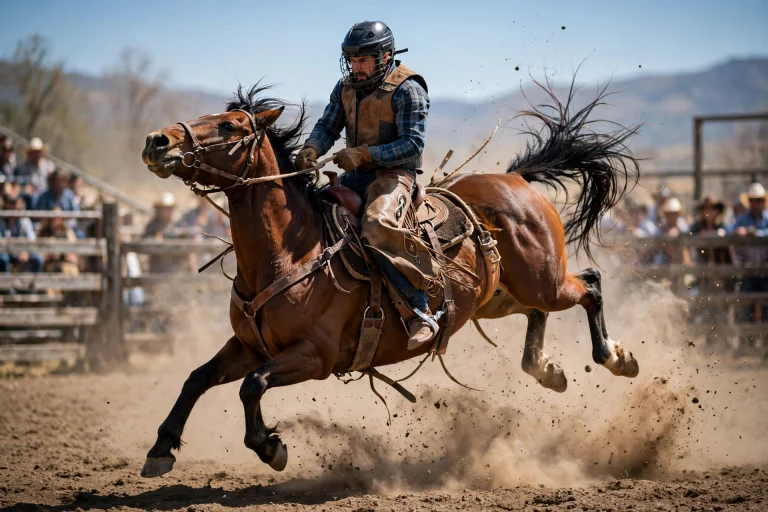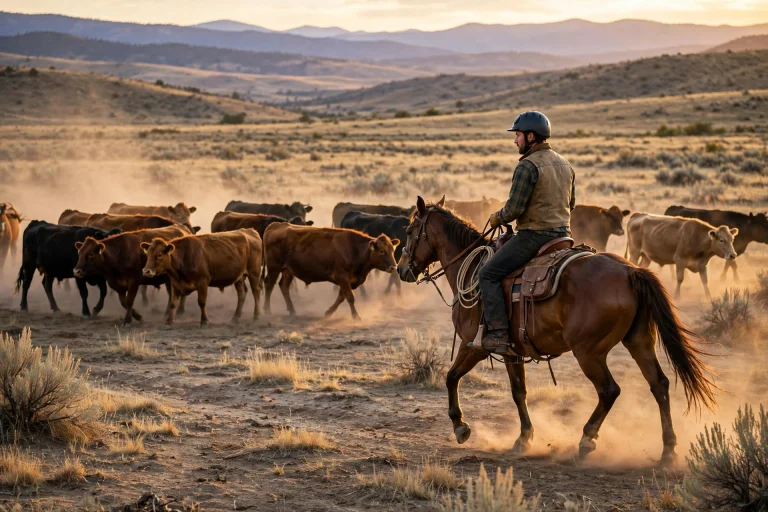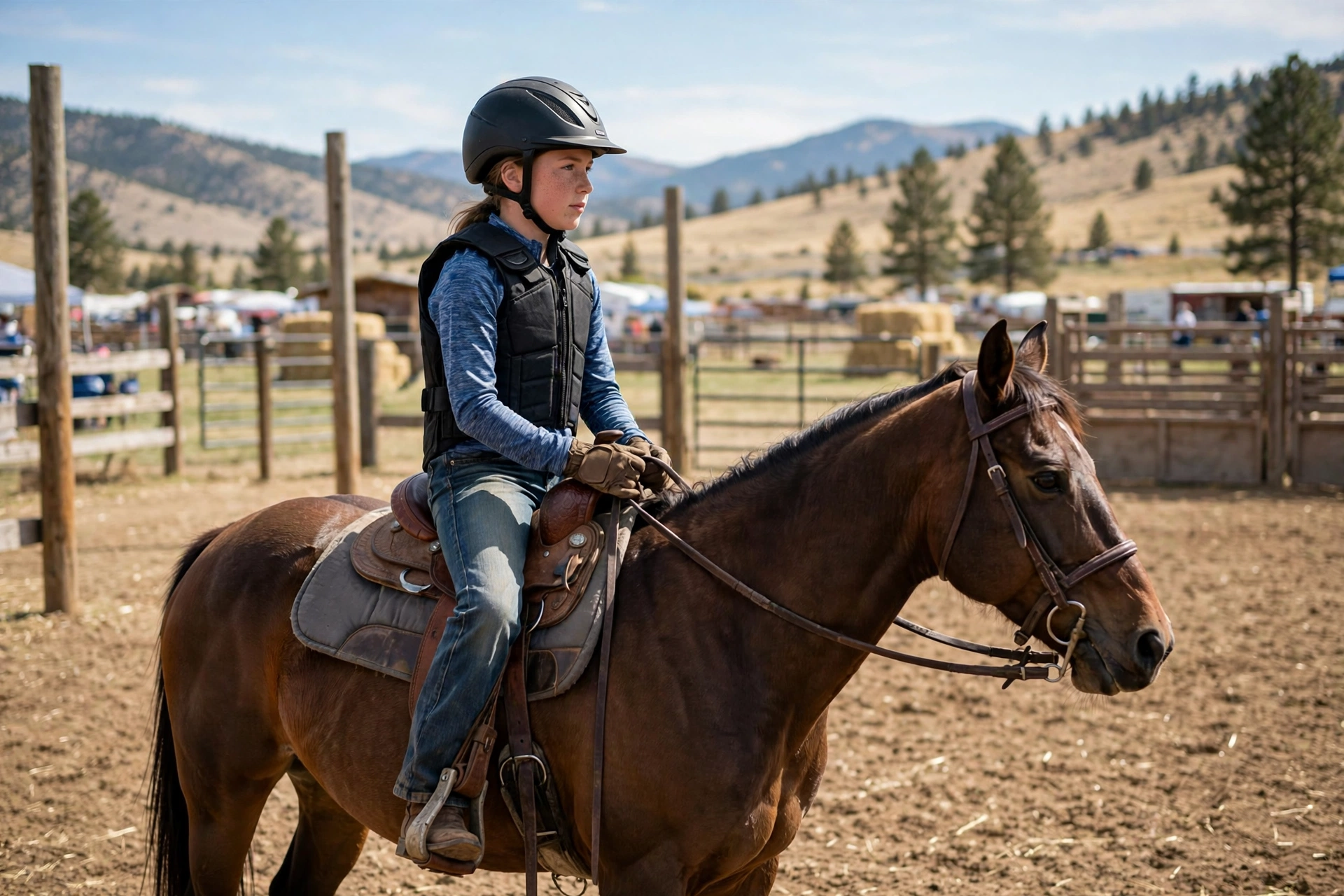
Rodeo helmet rules for youth events vary by event and organisation, but in general terms, helmets are required for most young riders in most youth rodeo events. The exact rule depends on who is running the event, the age of the rider, and the discipline they are competing in — so the only way to be sure is to check the rules of the specific event your child is entering before the day arrives.
That variation can be confusing for parents, especially when a family enters events run by different organisations across a season. One event may require a certified helmet for every youth competitor, while another may require it only for certain events or age groups. This guide explains why the rules differ, which events usually require helmets, what parents should check before entering, and what counts as an acceptable helmet.
Why Do Rodeo Helmet Rules Vary So Much?
Rodeo is not run by a single governing body. It is organised by many different associations, clubs, and event promoters, each of which sets its own rules. A youth rodeo run by a national association may have one set of helmet requirements, a local club event may have another, and a school rodeo may follow the rules of the school or district running it.
The events themselves also carry different risks. Bull riding, bareback riding, and steer wrestling involve falling from or being thrown by an animal, while barrel racing and pole bending involve speed and sharp turns. An organisation may require helmets for the roughstock events and recommend them for timed events, or require them for all riders under a certain age.
Age is another factor. Many organisations require helmets for all riders under eighteen, while leaving the choice to adults. Some go further and require helmets for every competitor in certain events regardless of age. Because the rules are set event by event, the same rider may face different requirements at different rodeos in the same season.
Which Youth Events Usually Require Helmets?
In general terms, helmets are most consistently required in the roughstock events: bull riding, bronc riding, and bareback riding. These are the events where a rider is most likely to be thrown and to land hard, so youth rules almost always make helmets mandatory for them. Many events also require a protective vest alongside the helmet for these disciplines.
Timed events such as barrel racing, pole bending, and goat tying often require helmets for younger age groups, and many youth associations require them for all riders under a certain age in every event. Some organisations have moved toward requiring helmets across all youth events, on the grounds that a fall can happen in any discipline, even a slow one.
Some local or exhibition events may only recommend helmets rather than require them, and some may leave the decision to parents. Even when a helmet is not required, it is still worth wearing one — the rules set a minimum, not a recommendation.
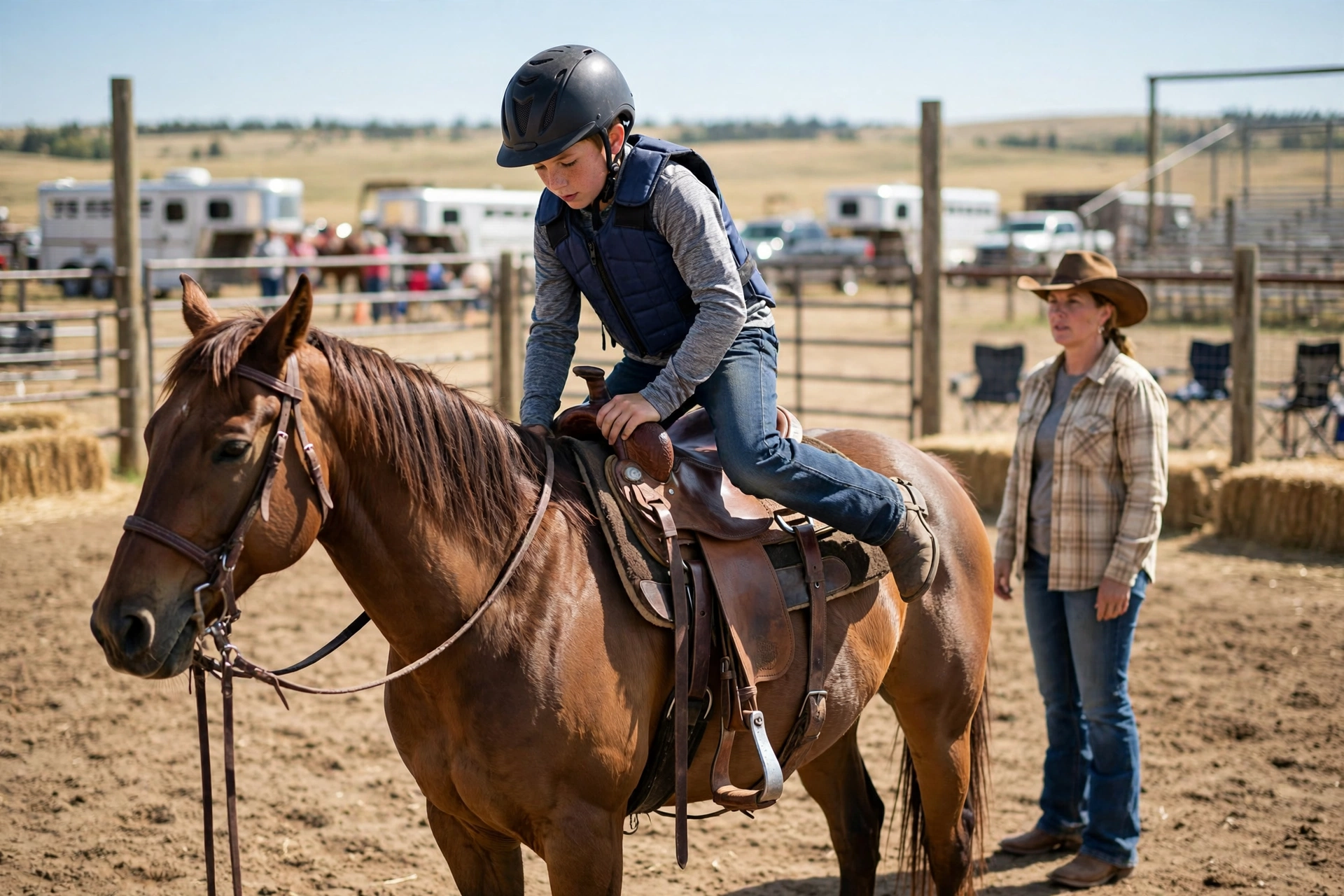
What Should Parents Check Before Entering a Youth Event?
The first thing to check is the event’s own rulebook or entry form. Most organisations publish their rules online, and the entry form usually states whether a helmet is required and, if so, for which events and age groups. Read it before entering, not on the morning of the event — by then it is too late to buy a helmet that fits properly.
Check whether the rules name a specific safety standard. Some organisations require a helmet that meets a recognised equestrian or rodeo safety standard, and a helmet that does not meet that standard may not be accepted even if it looks like a proper riding helmet. The label inside the helmet should state which standard it meets, so check it against the event’s requirements.
It is also worth contacting the event organiser directly if anything is unclear. A short message or phone call can settle questions about age cutoffs, which events require helmets, and whether a protective vest is also required. Organisers would rather answer a question in advance than turn a young rider away at check-in, and asking early avoids a wasted trip.
What Counts as an Acceptable Helmet at a Youth Rodeo?
In general terms, an acceptable youth rodeo helmet is a certified equestrian or rodeo helmet that fits the rider properly and is in good condition. A bicycle helmet, a skateboard helmet, or a hard hat is not a substitute, even if it looks similar — these are built for different kinds of impact and are not tested to equestrian standards.
Fit is checked as carefully as certification. The helmet should sit level on the child’s head, low enough to cover the forehead, and feel snug all around without pressure points. The chin strap should be done up snugly. A helmet that is too big will shift in a fall, and a helmet that is too small will be uncomfortable and may not cover the head properly. Because children grow quickly, check the fit at the start of every season rather than assuming last year’s helmet still fits.
Condition matters too. A helmet with cracked foam, a broken strap, or damage from a previous fall may not be accepted, and should not be used in any case. Some events inspect helmets at check-in, and a damaged helmet can keep a young rider from competing. If you are unsure about the features on a helmet you are considering, reading about what MIPS is for helmets can help you understand one of the terms you may see on the box.
What Happens If a Young Rider Shows Up Without the Right Helmet?
In most cases, a young rider who arrives without the required helmet will not be allowed to compete in that event. Officials at check-in may ask to see the helmet, and if it does not meet the rules — or if there is no helmet at all — the rider can be turned away from that event, even if they have already paid the entry fee.
That is a disappointing outcome for a child who has practised and prepared, and it is entirely avoidable. Confirm the helmet rules when you enter, check that the helmet meets the required standard, and try it on the rider a few days before the event so there is time to replace it if the fit is wrong.
Some events have a helmet available to borrow, but this is not something to rely on. Borrowed helmets may not fit the rider, may be in unknown condition, and may not be available at all. The safest approach is for each young rider to have their own, properly fitted, certified helmet.
Frequently Asked Questions
Q: Are helmets required for all youth rodeo events?
A: Not always. In general terms, helmets are most often required for roughstock events and for younger age groups, but the rules vary by event and organisation. Always check the rules of the specific event before entering.
Q: Can my child wear a bicycle helmet at a youth rodeo?
A: No. A bicycle helmet is built and tested for different kinds of impact and is not a substitute for a certified equestrian or rodeo helmet. Use a helmet that meets the standard named in the event’s rules.
Q: What age do youth rodeo helmet rules apply to?
A: It varies. Many organisations require helmets for all riders under eighteen, while others set a lower cutoff or apply the rule to specific events only. The event’s own rulebook will state the age it applies to.

Olivia
Writer at Helmet Today, covering helmet reviews, fit and riding safety.