Aramid fibres are strong, lightweight synthetic fibres used in some helmet shells to add toughness and help spread the force of an impact across a wider area. You may know aramid by a brand name, but in general terms it is a class of fibre valued for its high strength for its weight and its resistance to heat. In helmets it is usually woven into a fabric and layered with resin to form part of the outer shell.
Aramid is not in every helmet. It appears most often in higher-end motorcycle, motorsport and some specialist helmets, where makers want a shell that resists cracking and tearing. This guide explains what aramid fibres are, where they sit inside a helmet, what they add, and where their limits lie.
What Are Aramid Fibres?
Aramid is a synthetic fibre made from a chain of chemical compounds that line up into very strong, stiff threads. The fibres are spun into yarn, then woven into cloth, much like any textile. The result is a fabric that is light for its strength and does not melt easily, which is why it is also used in protective clothing, ropes and industrial products.
The best-known aramid brand is Kevlar, but aramid is a fibre family, not a single product. Different makers produce aramid fibres with slightly different properties, and helmet makers choose the type that suits the shell they are building. In a helmet, aramid is rarely used on its own. It is combined with resin and often with other fibres, such as carbon fibre or fibreglass, to form a composite shell.
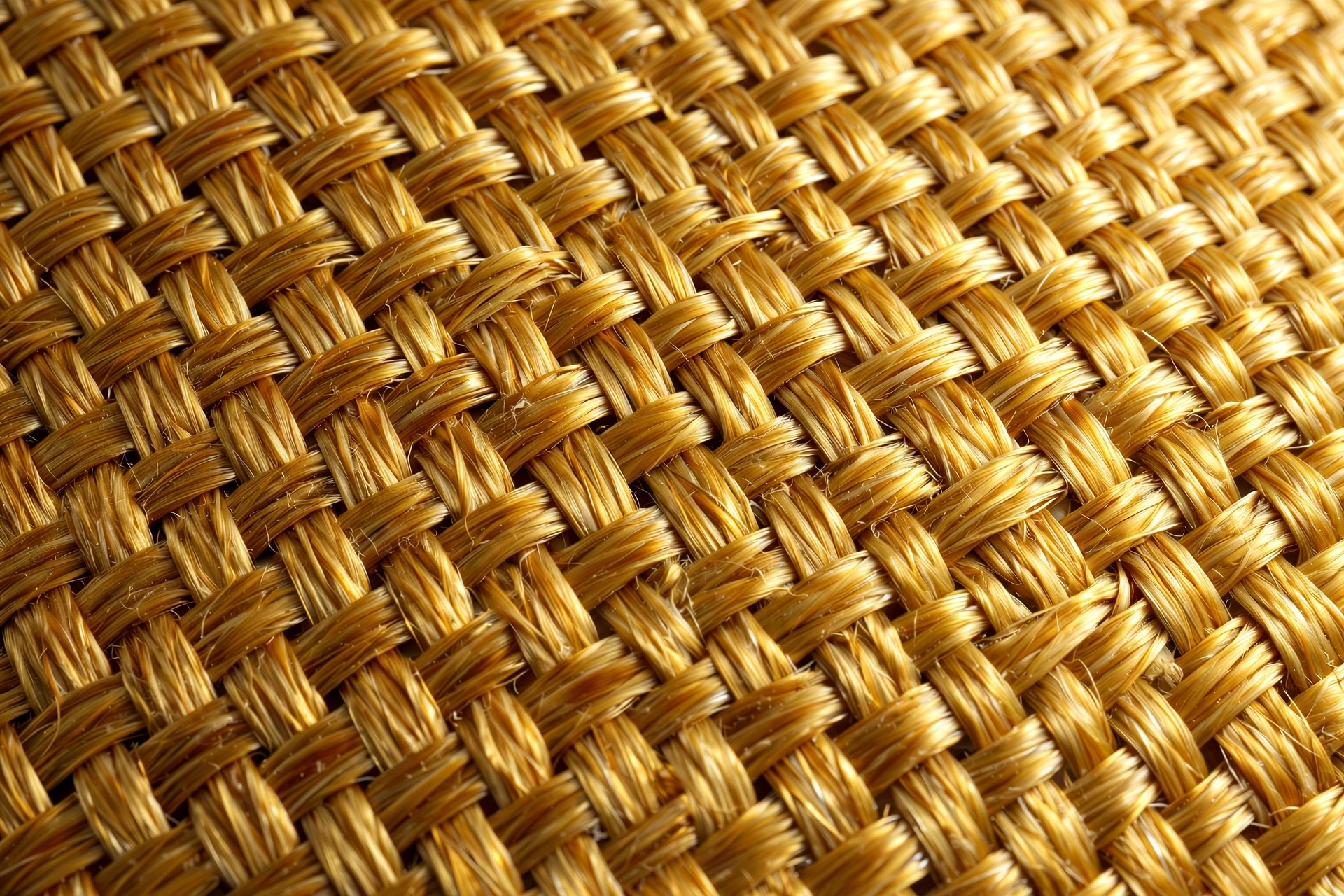
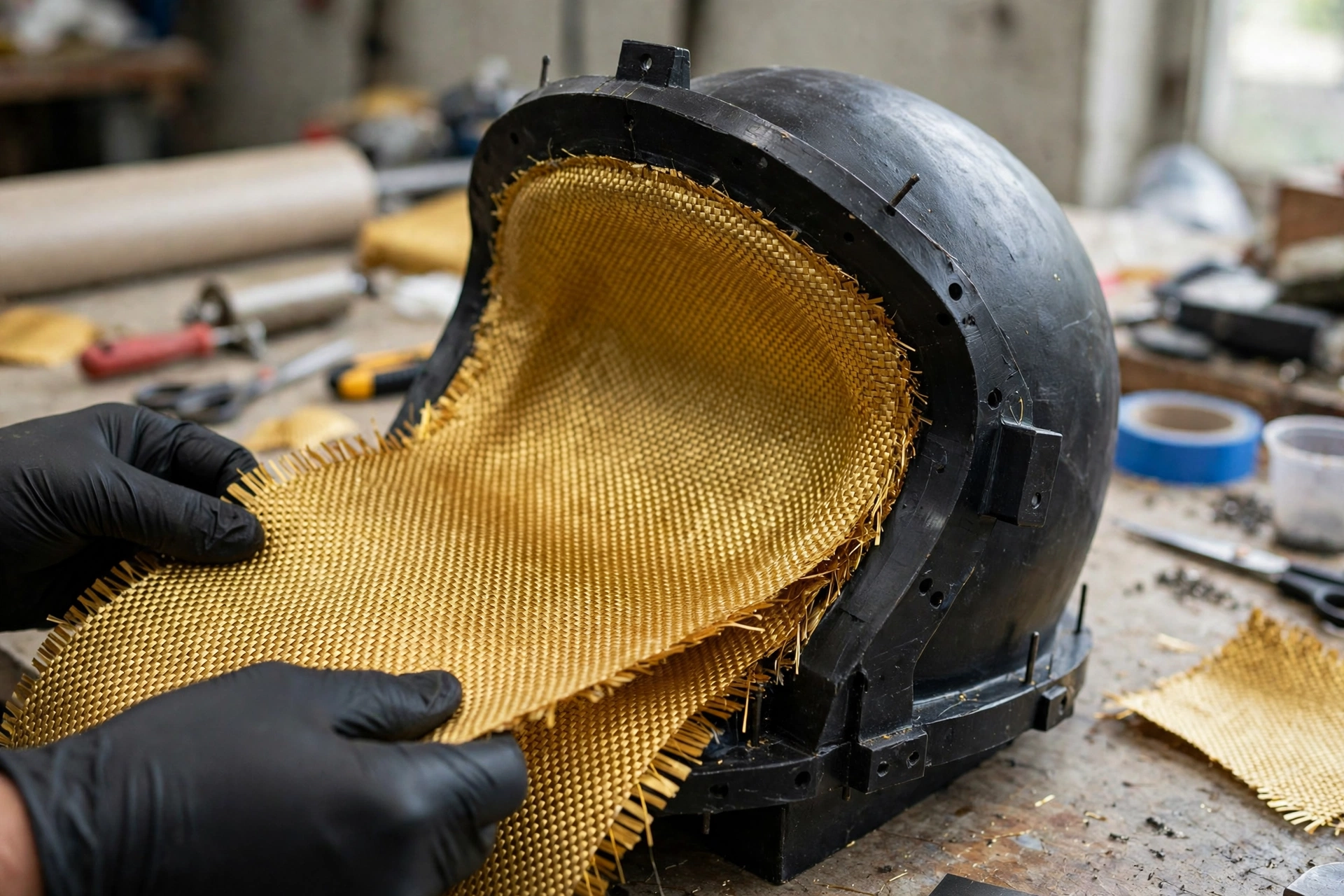
When you see a golden-yellow woven pattern on the inside or the cut edge of a helmet shell, that colour is a common sign of aramid. The colour comes from the fibre itself, and makers often leave it visible in places where the shell is trimmed or where the liner is removed.
Where Are Aramid Fibres Used in Helmets?
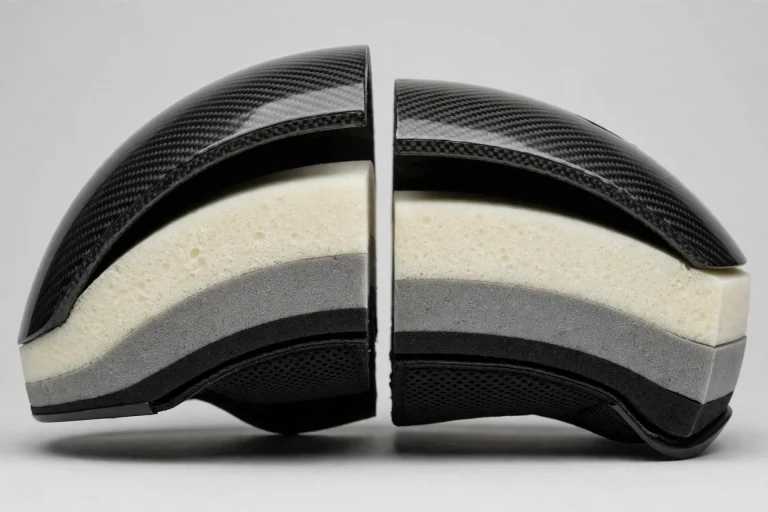
Aramid fibres are used in the outer shell of a helmet, the hard layer that takes the first contact in a fall or knock. In a composite shell, layers of woven aramid cloth are laid into a mould, soaked or coated in resin, and cured until they harden into a single rigid shape. The number of layers and the way they are arranged vary with the helmet’s design.
Some makers use aramid across the whole shell. Others use it in specific zones, such as around the crown or the sides, where they want extra resistance to tearing or puncture. The fibre’s job is to hold the shell together under load, so the shell spreads the force of an impact rather than splitting apart at one point.
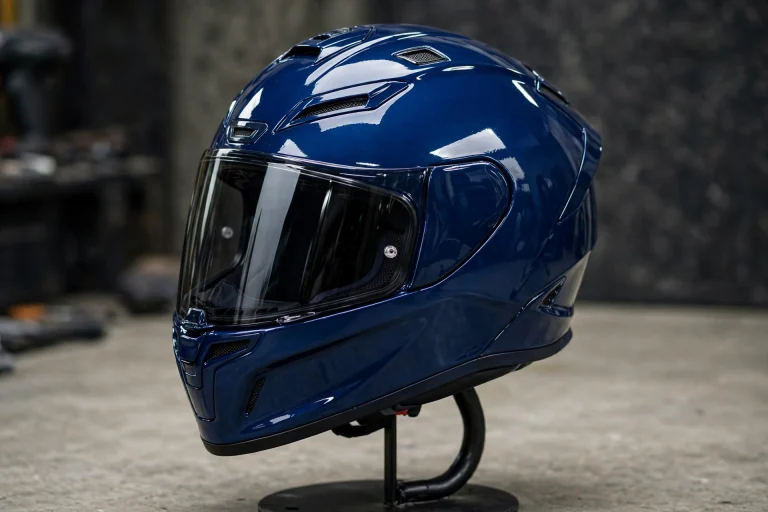
Aramid can also appear in the chin bar of a full face helmet, where a strong, light material helps the bar keep its shape. It is less common in the liner, which is usually foam, and it is not a substitute for the foam that absorbs energy inside the helmet.
What Do Aramid Fibres Add to a Helmet Shell?
The main thing aramid adds is toughness. A shell made with aramid layers is, in general terms, more resistant to cracking and tearing than a shell made from a single rigid material of the same weight. When an impact loads one spot, the woven fibres help carry that load to the surrounding shell, so the force is shared rather than concentrated.
Aramid is also light. For a given level of strength, an aramid layer can be thinner and lighter than many alternatives, which helps keep the helmet’s overall weight down. Weight matters because a heavy helmet can tire your neck on a long ride and can feel like a burden during a full day of use.
Heat resistance is another useful property. Aramid fibres do not melt at the temperatures a helmet is likely to meet in normal use, and they keep their strength in warm conditions. This is one reason aramid appears in helmets built for motorsport and other demanding uses, where heat and friction are part of the job.
What Are the Limits of Aramid Fibres?
Aramid is strong, but it is not a magic material. It is very strong when pulled, yet it can be weaker when compressed or cut, which is why it is layered with resin and combined with other fibres rather than used alone. A helmet shell needs to handle many kinds of load, and no single fibre does everything well.
Aramid can also absorb moisture over time, and it can degrade if it is left exposed to sunlight for long periods without protection. In a finished helmet, the resin and the outer finish protect the fibres from both, so this is mainly a concern for a damaged shell where the fibres are exposed. If you can see frayed golden fibres through a crack or deep scratch, the shell has been damaged and the helmet should be checked or replaced.
Cost is a practical limit too. Aramid is more expensive than fibreglass and more costly to work with than a moulded plastic shell. That is why it appears mainly in helmets where the extra toughness is worth the price, rather than in every helmet on the shelf.
How Do Aramid Fibres Compare with Carbon Fibre?
Carbon fibre and aramid are often mentioned together because both are used in composite helmet shells, but they behave differently. Carbon fibre is very stiff and very light, which makes it good at holding a shell’s shape under load. Aramid is less stiff but tougher, which means it is better at resisting tearing and holding together after damage.
That difference is why many high-end shells combine the two. Carbon fibre gives the shell stiffness and light weight, while aramid adds toughness and helps stop cracks from spreading. If you are learning about helmet technology, reading about what MIPS is for helmets can help you understand another layer of protection that works inside the shell, rather than in it.
Neither fibre makes a helmet safe on its own. What matters is the whole helmet: the shell, the foam liner, the fit, and the safety standard it meets. A shell with aramid in it is a sign of a well-built helmet, not a guarantee of a particular level of protection.
Frequently Asked Questions
Q: Is aramid the same as Kevlar?
A: Kevlar is a brand name for one type of aramid fibre. Aramid is the wider family of fibres, and different makers produce their own versions with slightly different properties.
Q: Do I need a helmet with aramid fibres?
A: Not necessarily. Many safe helmets use fibreglass or moulded plastic shells. Aramid adds toughness and helps keep weight down, so it suits riders who want a light, durable shell and are willing to pay more for it.
Q: Can I see aramid fibres in my helmet?
A: Sometimes. The golden-yellow woven pattern may be visible on the inside of the shell or at trimmed edges. If you can see frayed fibres through a crack, the shell is damaged and the helmet should be checked or replaced.

Olivia
Writer at Helmet Today, covering helmet reviews, fit and riding safety.