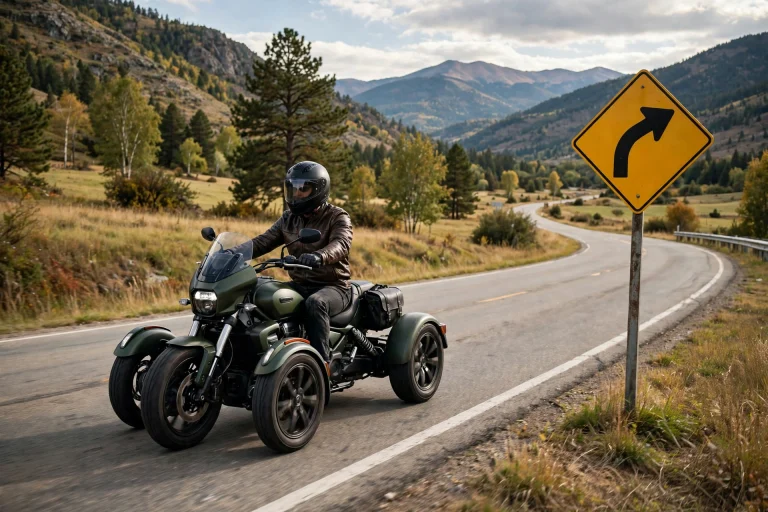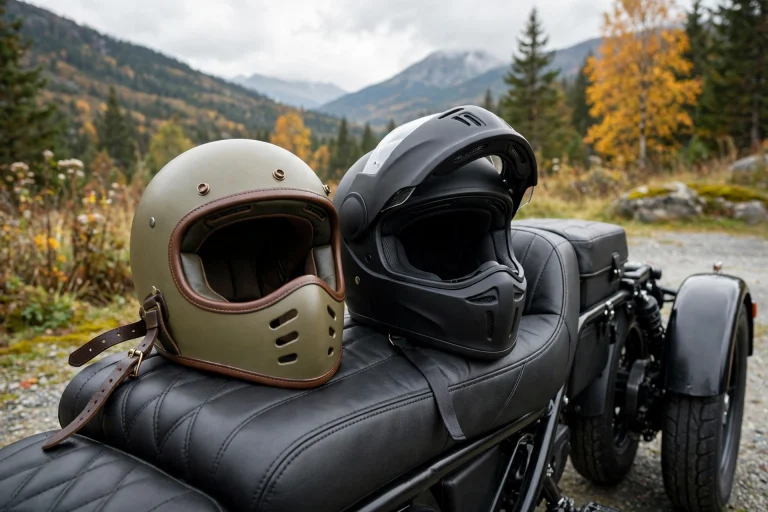
Choosing a helmet for a three-wheeled motorcycle comes down to fit, a recognised safety standard, and a design that suits an upright riding position and the speeds you actually ride at. In general terms, a good motorcycle helmet is the right starting point, but three-wheeled machines, from leaning trikes to traditional trikes and sidecar outfits, each have quirks that change which features matter most.
Three-wheeled motorcycles cover a broad range: a traditional trike with two wheels at the back, a reverse trike with two wheels at the front, a leaning three-wheeler that tilts into corners, and a motorcycle with a sidecar. The helmet rules and the practical needs are similar across all of them, but the riding position and the wind can differ. This guide explains how to choose well.
What Counts as a Three-Wheeled Motorcycle?
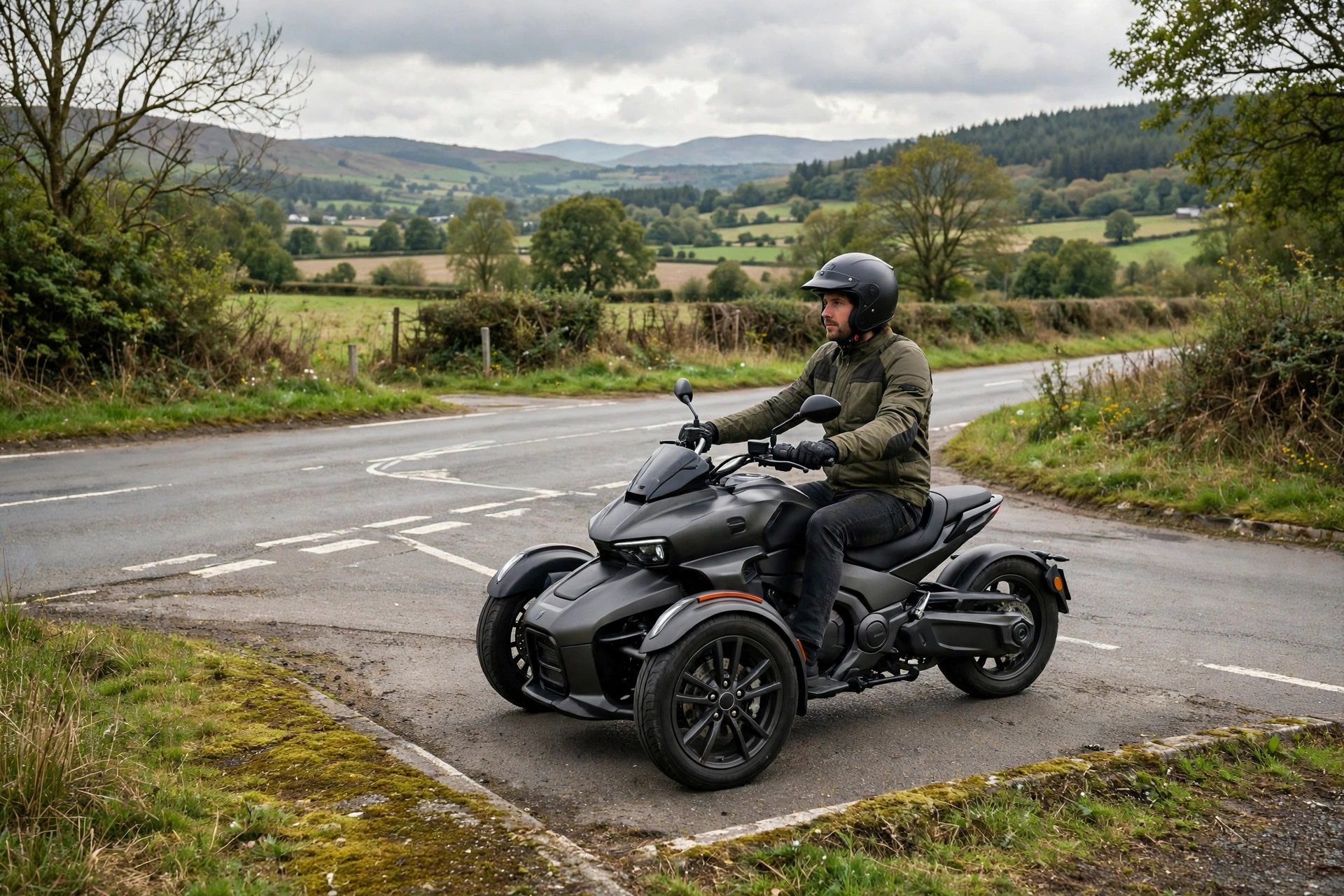
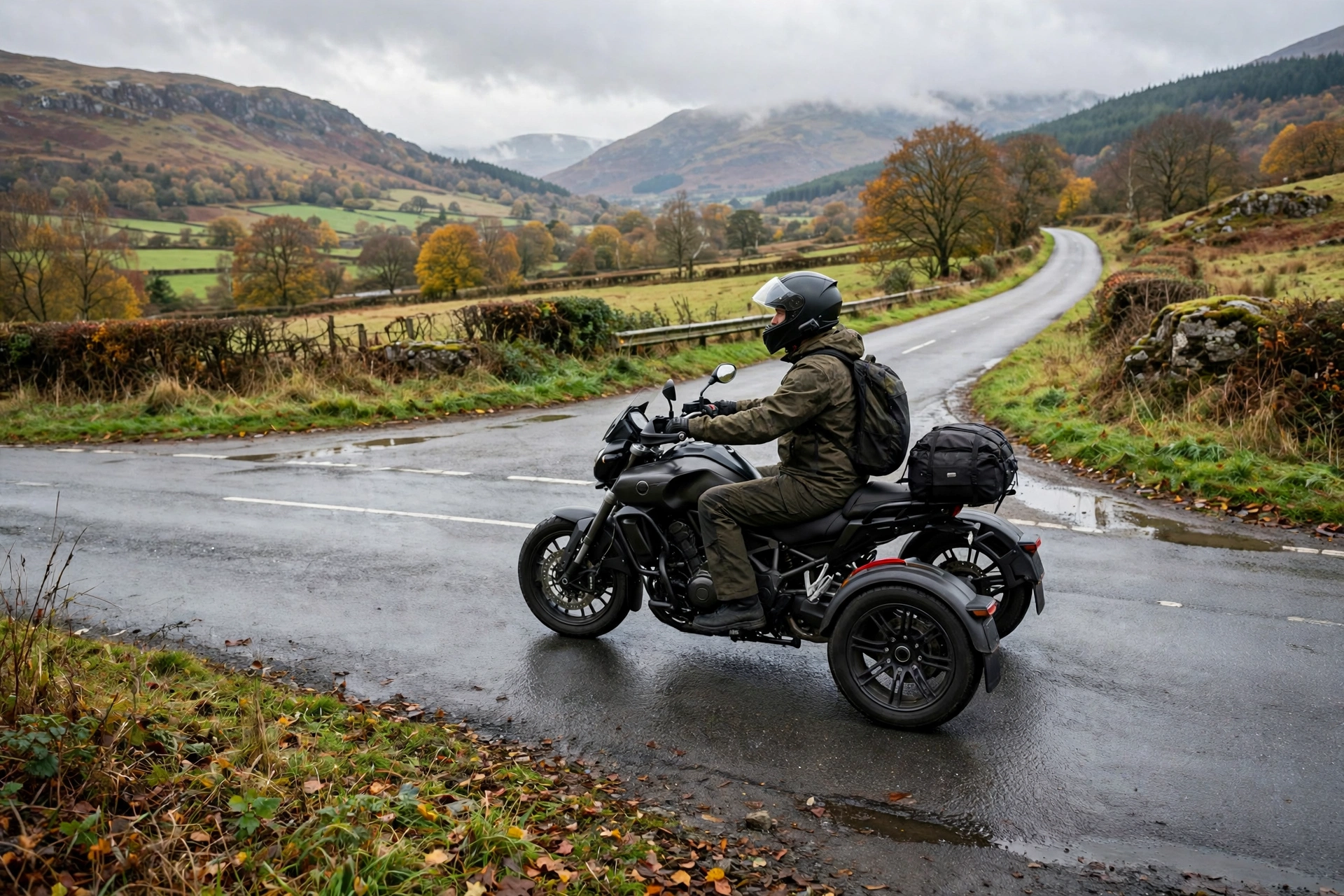
A three-wheeled motorcycle is any motorised three-wheeler ridden like a motorcycle, usually with handlebars and a saddle, rather than a car-style steering wheel and seats. Traditional trikes have one wheel at the front and two at the back, and they do not lean, so the rider sits upright through corners. Reverse trikes have two wheels at the front and one at the back, which gives more stability under braking and in corners. Leaning three-wheelers have two front wheels that tilt, so they feel more like a motorcycle in a corner.
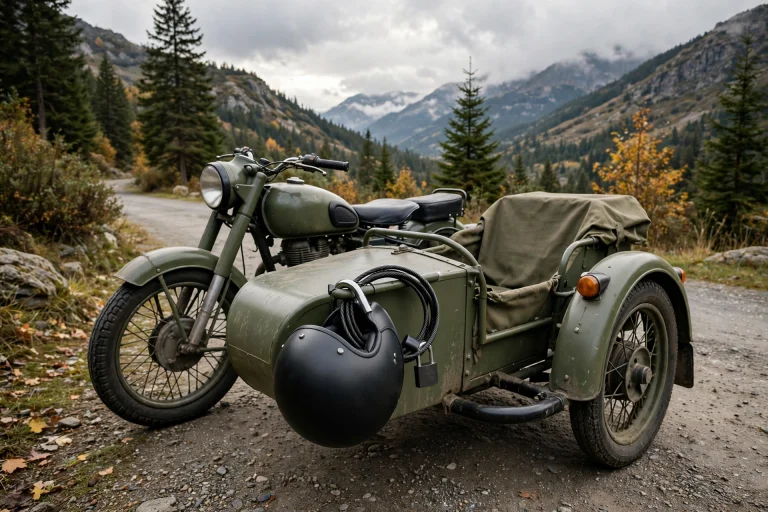
Sidecar outfits are also three-wheeled, though they are often treated separately because the passenger sits in a sidecar rather than on the machine. In most places, the same helmet rules apply to all of these as to a two-wheeled motorcycle, and the helmet should meet the same recognised standard. If you are unsure how your machine is classified where you ride, it is worth checking, because the classification can affect the licence, the insurance, and the helmet rules.
How Does Riding Position Affect Helmet Choice?
Most three-wheeled motorcycles put the rider in an upright position, with feet forward and hands on wide bars. That suits a touring-style helmet with a wide visor, good ventilation, and a comfortable fit for long hours, rather than a sports helmet designed for a tucked-down position. A helmet that is made for a tucked position can feel as if it is pushing your head down when you sit upright, and its vents may not work as well when you are not leaning forward.
Leaning three-wheelers are the exception: because they tilt into corners, the riding position is closer to a motorcycle, and a helmet that suits a motorcycle rider will usually suit a leaning three-wheeler too. For traditional and reverse trikes, look for a helmet that is comfortable when your head is upright, with a visor that gives a clear view ahead and to the sides, and with vents that work in that position. Try the helmet on while sitting on the machine if you can, because that is the only way to know how it feels in your real riding position.
Open Face, Full Face, or Modular?
An open-face helmet suits slow, relaxed riding in good weather, and it is a popular choice for trike riders who enjoy the open air and the view. It is light and cool, and it makes talking easy. The trade-off is less protection for the face and jaw, and less cover from wind, rain, and stones. For short rides in warm weather, that trade-off is acceptable to many riders.
A full-face helmet gives the most protection and the best weather cover, and it is the better choice for faster roads, motorways, or riding in poor weather. A modular helmet, with a chin bar that lifts, is a popular middle ground for three-wheeled motorcycle riders: you can lift the chin bar at a stop to talk, drink, or get fresh air, then close it for riding. Modular helmets are heavier than open-face helmets, but for touring and for longer days, the extra protection is often worth the weight.
What Features Should You Prioritise?
Ventilation is high on the list, because three-wheeled motorcycle riders are out in the open for long periods. Look for a helmet with front vents you can open and close with gloves on, and rear exhaust vents that let warm air out. A sun visor, either built in or as a tinted visor, helps in bright sun, and an anti-fog insert or a Pinlock-style visor helps in cold or damp weather, when the visor is most likely to mist up.
Noise is another factor. A helmet with a good seal around the visor and a chin curtain is usually quieter, and that matters on a long ride. If you ride with a passenger or a group, check that the helmet works with an intercom, with speaker pockets and a microphone that sits clear of the wind. And if you want to understand one of the safety features you may see on the box, reading about what MIPS is for helmets can help you compare helmets on more than just price and looks.
How Do You Get the Fit Right?
Fit is the most important part of choosing a helmet for a three-wheeled motorcycle, just as it is for any helmet. Measure the widest part of your head, compare it with the maker’s size chart, and try the helmet on for at least five minutes. It should sit level, feel snug all around, and not rock or slide when you shake your head. The strap should fasten snugly under your chin, and the cheek pads should touch your cheeks without squashing them.
Check the fit with anything else you will wear, such as glasses, earplugs, or a communication headset, because these can change how the helmet feels. If you wear a balaclava in winter, try the helmet with that on too. A helmet that fits well is one you will wear every ride, and a helmet that pinches or slips is one you will be tempted to leave behind. Never buy a helmet without trying it on, and never use a helmet that has been in a crash, even if it looks undamaged.
Frequently Asked Questions
Q: Do I need a motorcycle helmet for a three-wheeled motorcycle?
A: Yes, in general terms a helmet that meets a recognised motorcycle helmet standard is the right choice. The same helmet rules usually apply to three-wheeled motorcycles as to two-wheeled motorcycles, though the exact rules vary by place.
Q: Is a car helmet or a bicycle helmet enough for a trike?
A: No, a bicycle helmet is not made for motor vehicle speeds, and a car helmet is made for a different kind of protection. A three-wheeled motorcycle rider needs a motorcycle helmet that meets a recognised motorcycle standard.
Q: Does the type of three-wheeler change the helmet I need?
A: In general terms, no, the safety standard is the same. The riding position and the speeds you ride at may change which style suits you best, but the helmet should always meet a recognised motorcycle standard and fit well.

Olivia
Writer at Helmet Today, covering helmet reviews, fit and riding safety.