An older ATV rider should look for a helmet that is light, easy to fasten, well ventilated, and certified for off-road use — with a wide field of view and room for glasses if you wear them. The right helmet makes a day on the trails comfortable rather than tiring, and it protects you properly on rough ground where falls and low branches are part of the ride.
ATV riding is popular with older riders for good reason: it is a sociable way to enjoy the outdoors, whether you are riding trails, working on land, or exploring with family. But an ATV is a heavy machine on uneven ground, and the riding is bumpy, dusty, and sometimes steep. A helmet built for the job matters, and the features that matter most change a little as you get older. This guide explains what to look for.
What Kind of Helmet Suits an Older ATV Rider?
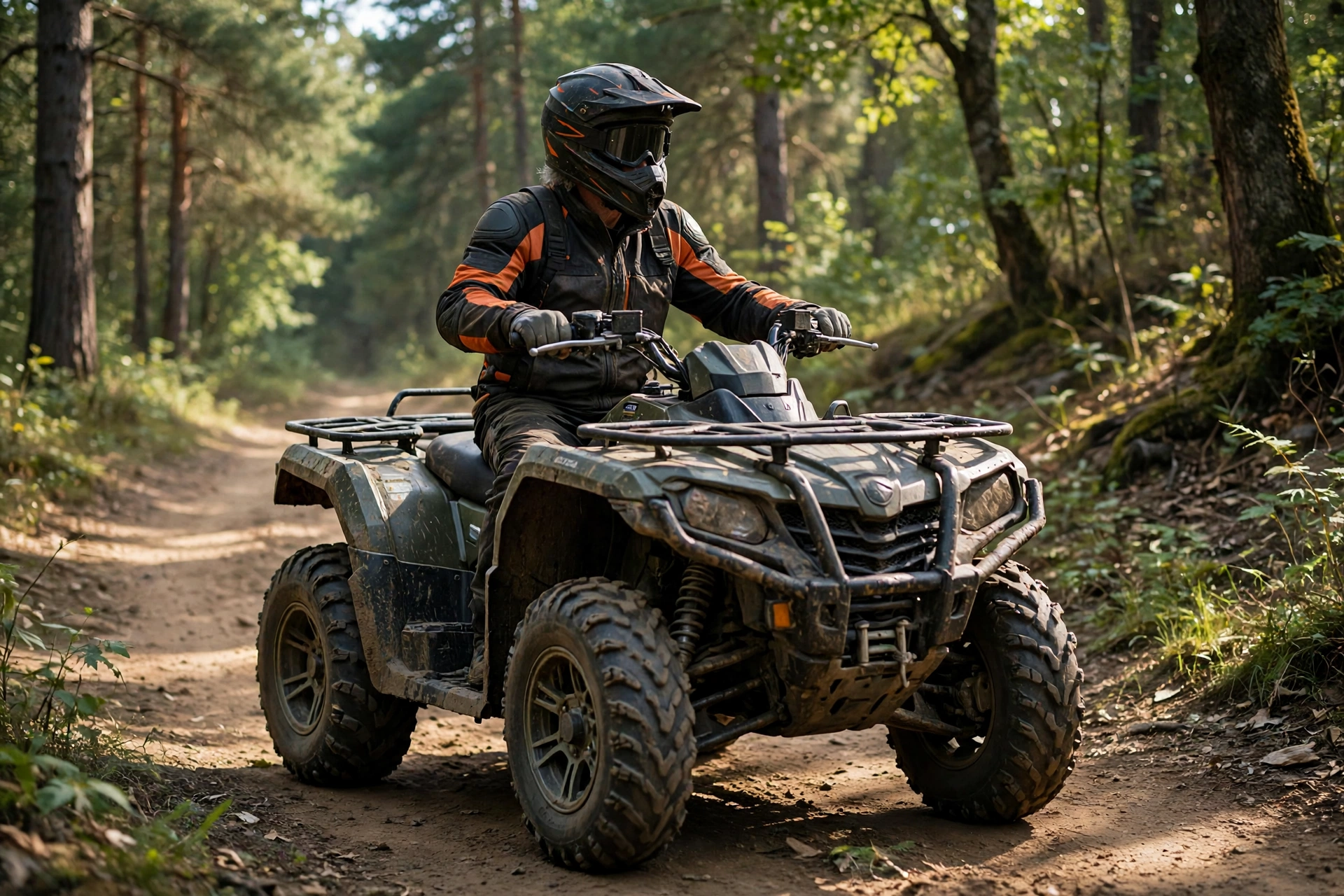
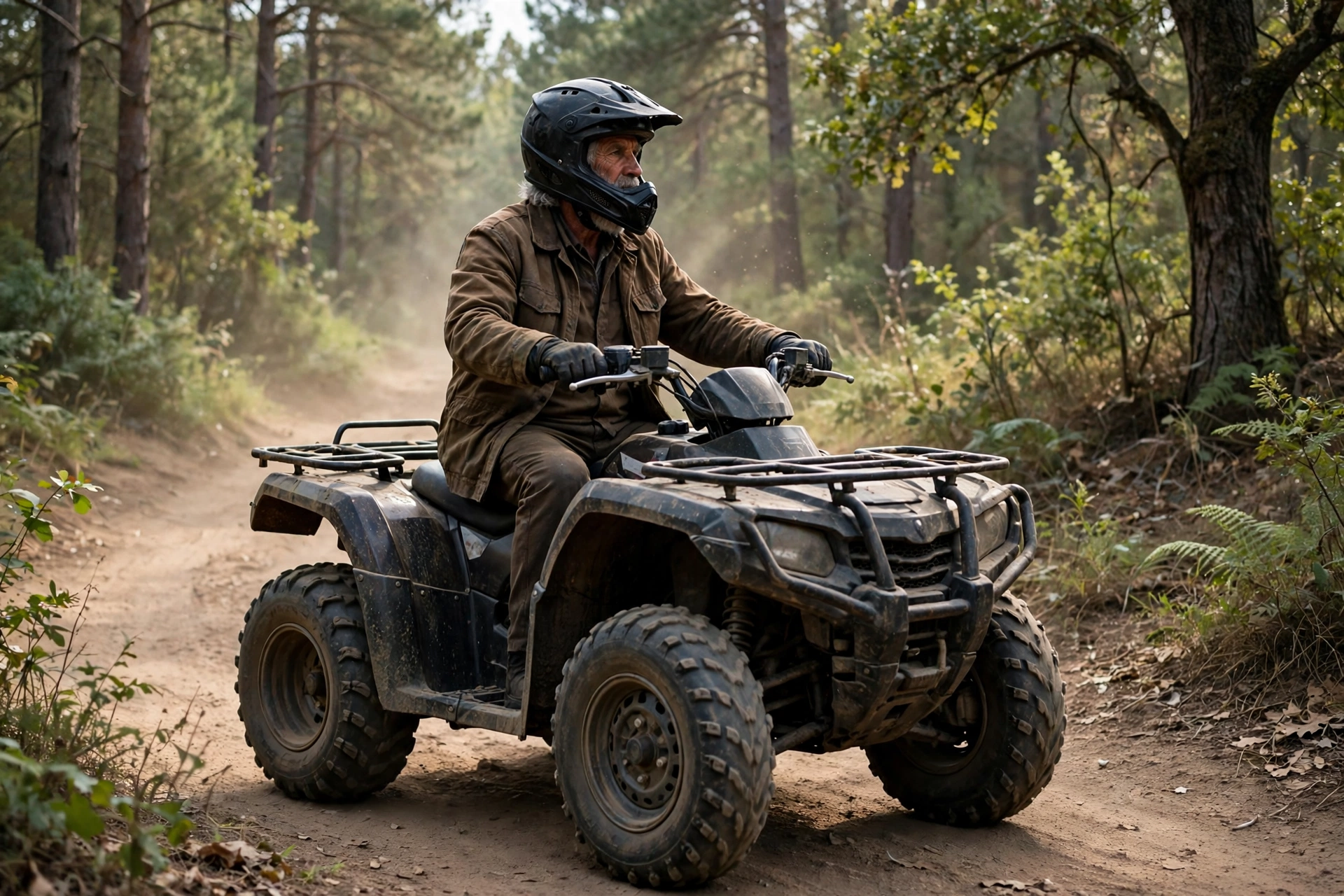
Most older ATV riders are best served by an open face or full face off-road helmet, depending on the riding they do. A full face helmet gives the most coverage, protecting the chin and jaw as well as the top of the head, and it keeps dust and insects out of your face. An open face helmet with goggles is lighter and cooler, and some riders prefer the wider view and the easier breathing it allows at slow speeds.
In general terms, a full face helmet is the safer choice for faster trail riding, where branches, stones, and falls are more likely. An open face helmet suits slow, low-speed work riding on familiar ground, especially in hot weather. Whichever style you choose, make sure it is certified for off-road or motorcycle use in your country, and that it is made for ATV riding rather than for another sport — a bike helmet or a ski helmet is not a substitute.
Weight deserves special attention. ATV riding involves a lot of head movement as you look around, check the trail ahead, and turn to talk to other riders. A heavy helmet makes that tiring, and tired neck muscles make the ride less enjoyable and less safe. Try helmets on and compare their weight in your hands and on your head before you decide.
Why Does Ventilation Matter So Much on an ATV?
ATV riding is slow, dusty, physical work, and you will get hot. Unlike road riding, there is little wind to cool you at low trail speeds, so a helmet with good airflow is essential. Look for large vents at the front that you can open and close, and for channels inside the helmet that move air over your head. A helmet that breathes well keeps you cooler, reduces sweating, and stops the visor or goggles from misting up.
Dust is the other problem. On dry trails, the rider in front kicks up a cloud of dust that hangs in the air, and a helmet with a good seal around the goggles or visor keeps it out of your eyes. If you ride in a group, a full face helmet with a clear visor or well-sealed goggles makes the dusty stretches far more comfortable. A peak on the helmet also helps, shading your eyes from low sun and keeping light rain off the visor.
What About Fit, Glasses, and Easy Fastening?
Fit comes first with any helmet, and ATV helmets are no exception. The helmet should sit level, feel snug all round, and stay put when you shake your head. Because ATV riding is bumpy, a helmet that is too loose will move around and distract you, while one that is too tight will give you a headache within an hour. Try the helmet on for several minutes in the shop, and wear it with the goggles or visor you plan to use.
If you wear glasses, check that the helmet has room for them. Some ATV helmets have channels in the padding for glasses arms, and these make a real difference to comfort. Put your glasses on with the helmet and check that nothing presses on the sides of your head. If you wear goggles over glasses, make sure the goggles fit over them without pushing them into your face.
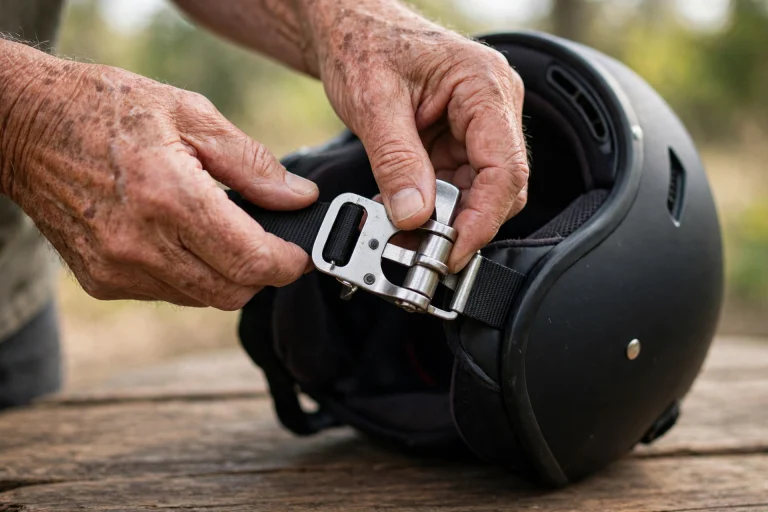
Easy fastening matters more than many riders expect. Cold hands, gloves, and stiff fingers can make a fiddly buckle a real nuisance at the start of a ride. Look for a chin strap with a buckle you can work with gloves on — a micrometric ratchet buckle or a large D-ring setup is usually easier than a small, stiff clasp. Test it in the shop with your riding gloves on, and choose the one you can fasten and unfasten without a struggle.
What Else Should an Older ATV Rider Check?
Think about hearing and communication. Many older riders ride in groups, and being able to hear the engine, the trail, and other riders matters. A helmet that is not too noisy helps, and some riders fit a simple communication system so they can talk to the group. If that appeals to you, check that the helmet has space for speakers near the ears before you buy.
If you are learning about how helmets handle different kinds of impact, reading about what MIPS is for helmets can help you understand one of the technologies used in modern helmet design. Some off-road helmets include this kind of protection, and it is worth knowing about when you compare models.
When Should You Replace an ATV Helmet?
In general terms, an ATV helmet should be replaced after any hard impact, even if the damage is not visible, because the liner inside can be damaged in ways you cannot see. It should also be replaced when the fit has loosened, the liner has gone flat, the strap is worn, or the visor is scratched enough to affect your view. A helmet that has been dropped hard onto a rock or a concrete floor deserves the same treatment as one that has been in a crash.
Age matters too. A helmet that has spent years in a shed or garage, exposed to heat, cold, and damp, will not protect as well as a new one. If you are returning to ATV riding after a break, start with a fresh helmet rather than trusting an old one. The cost of a new helmet is small compared with the protection it gives you on the trail.
Frequently Asked Questions
Q: Is a full face or open face helmet better for older ATV riders?
A: In general terms, a full face helmet gives more protection and keeps dust out, so it suits faster trail riding. An open face helmet with goggles is lighter and cooler, which suits slow work riding in hot weather.
Q: Can I wear my motorcycle helmet on an ATV?
A: In general terms, a motorcycle helmet will protect your head, but an off-road helmet is usually lighter, better ventilated, and shaped for trail riding with goggles and a peak. An off-road helmet is the better tool for the job.
Q: How do I keep my ATV helmet from misting up on cold mornings?
A: Good ventilation is the main answer, along with a visor or goggles that seal well. Open the vents before you set off, and in cold weather a helmet with a breath guard or an anti-fog visor insert can help keep your view clear.

Olivia
Writer at Helmet Today, covering helmet reviews, fit and riding safety.