Cafe racer helmet style is about a classic, stripped-back look, but safety still comes first — and the good news is that you can have both if you choose a helmet that is certified and fits properly. Cafe racer style grew out of the British motorcycle scene of the 1960s, when riders stripped their bikes down, added low handlebars, and raced between cafes. The helmets that go with that look are usually simple, round, and understated, often in plain colours with a small peak or a bubble visor. They look timeless, but not every helmet that looks the part is actually safe.
The tension between style and safety is real. Some helmets sold in cafe racer style are little more than fashion accessories, with thin shells and no proper certification. Others are fully certified helmets that happen to look classic. Telling them apart matters, because a helmet that looks right but offers little protection is a poor choice on the road. This guide explains what cafe racer style means, which helmet types fit the look, and how to make sure the helmet you choose protects you as well as it looks.
What Defines Cafe Racer Helmet Style?
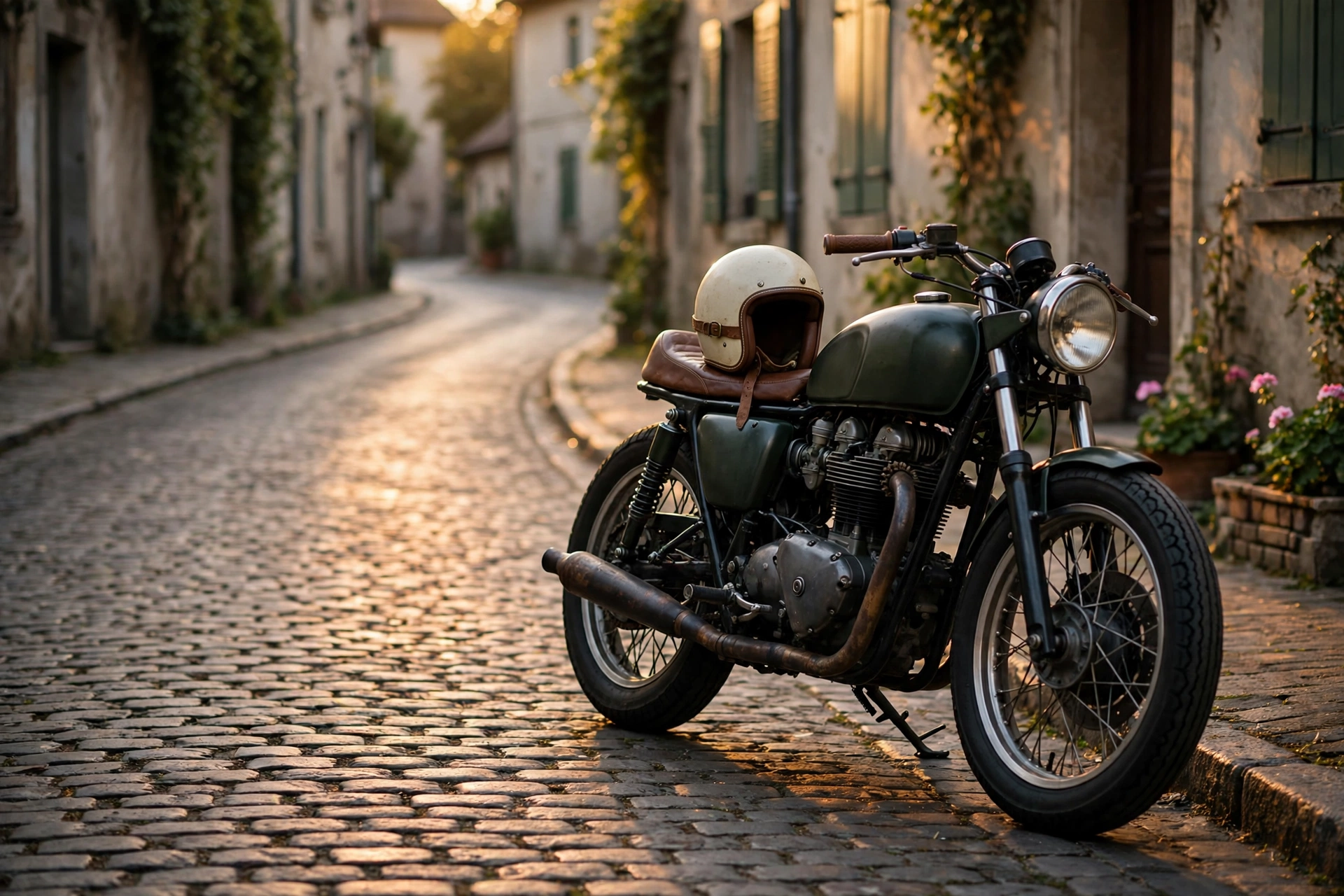
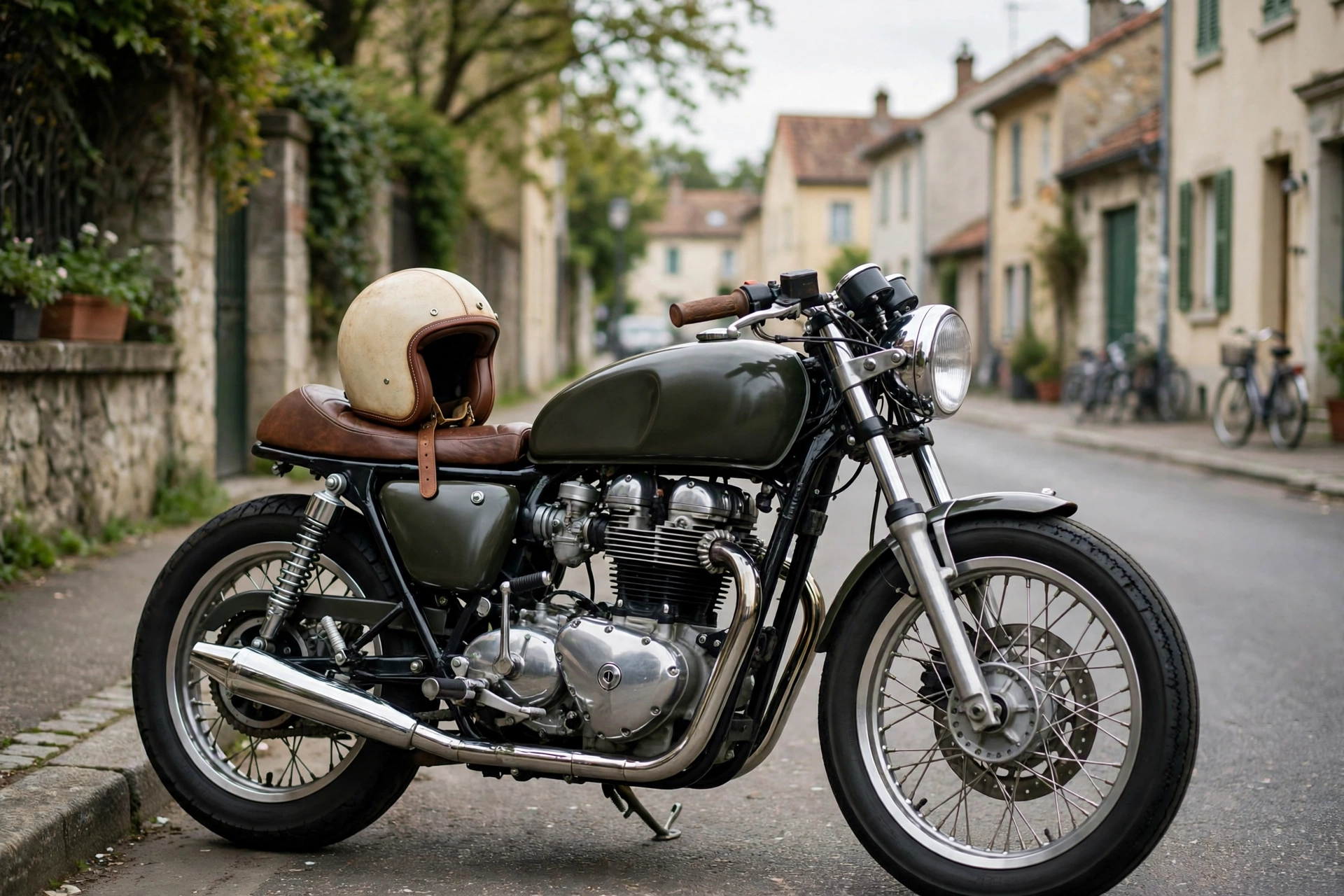
Cafe racer style is defined by simplicity. The classic cafe racer helmet is a smooth, rounded full-face or open-face helmet with clean lines, no big spoilers, and no bright graphics. Colours are usually plain: black, white, cream, silver, or a deep racing green. The look is meant to match a stripped-back motorcycle, with leather gloves, a simple jacket, and minimal fuss. It is a style that values understatement over flash.
The most iconic cafe racer helmet is the full-face helmet with a round shell and a wide visor opening, sometimes fitted with a bubble visor that curves out from the face. The bubble visor gives the helmet its vintage character and a wide view, but it can also distort vision slightly and catch the wind, so modern versions are made with better optics than the originals. Some riders prefer a flat visor for a clearer view, which keeps the classic look while improving practicality.
Which Cafe Racer Helmets Are Actually Safe?
The first test of any cafe racer helmet is certification. A safe helmet must meet the safety standards that apply where you ride, and it should carry the proper marking on the shell or the strap. If a helmet has no certification mark, or if the seller cannot tell you which standard it meets, do not buy it. Certification is the minimum proof that the helmet has been tested for impact protection, and no amount of style makes up for its absence.
The second test is construction. A safe cafe racer helmet has a proper outer shell and an energy-absorbing liner inside, usually made from a foam material that crushes on impact to reduce the force reaching your head. The liner should feel firm and even, not thin or patchy. The chin strap should be strong, easy to fasten, and hold the helmet firmly in place. If the helmet feels flimsy, very light for its size, or poorly finished, it may not be built to protect you properly.
How Do You Choose a Cafe Racer Helmet That Fits?
Fit is just as important as style, and a cafe racer helmet should fit like any other good helmet. It should sit level on your head, feel snug all round, and not press hard on your forehead or temples. The cheek pads should press gently against your cheeks, and the helmet should not rock forward or backward when you shake your head. A helmet that is too loose will move around at speed, and a helmet that is too tight will give you a headache.
Classic-shaped helmets can fit differently from modern sports helmets, because their shells are rounder and their padding is shaped differently. Try the helmet on and wear it for several minutes before you decide. If you wear glasses, check that they fit comfortably under the helmet without pressing on your temples. If you plan to wear goggles with an open-face helmet, try them on together, because the combination can change how the helmet sits.
What About Visors, Peaks, and Goggles?
Visors and goggles are a big part of the cafe racer look, and they affect safety too. A bubble visor looks great, but it can distort your view slightly, especially at the edges, and it can catch the wind at higher speeds. If you choose a bubble visor, make sure it is made from proper visor material, fits the helmet well, and gives you a clear, undistorted view straight ahead. A flat visor is a practical alternative that keeps the classic look with clearer optics.
Goggles are the classic partner for an open-face cafe racer helmet. They protect your eyes from wind, dust, and insects, and they complete the vintage look. Choose goggles that fit well with the helmet, seal against your face without pressing hard, and give you a clear view. In general terms, goggles are not a substitute for a visor on a full-face helmet, but they are essential with an open-face helmet, because your eyes have no other protection.
Can Style and Safety Work Together?
Yes, style and safety can work together, and the best cafe racer helmets prove it. Helmet makers now offer classic-shaped full-face helmets that meet modern safety standards, with proper shells, liners, and visors, all in a vintage style. These helmets look the part on a cafe racer motorcycle, but they are built to the same safety standards as any other road helmet. They are the right choice for riders who want the look without compromising on protection.
The key is to shop for safety first and style second. Start by finding helmets that are certified, well made, and fit your head properly, then choose the one whose style you like best from that shortlist. Do not start with the prettiest helmet and hope it is safe. Learning about what MIPS is for helmets can help you compare the safety features different helmets offer. If a helmet looks perfect but has no certification, poor padding, or a loose fit, walk away, however good it looks on the shelf.
It also helps to think about how you actually ride. If you ride your cafe racer every day, in all weather, a full-face helmet with a good visor seal and ventilation will serve you better than a fashion-first open-face helmet. If you ride slowly on sunny weekends, an open-face helmet with goggles may suit you, as long as you accept the lower level of face protection. Either way, choose a helmet that matches your real riding, not just the photo you have in mind.
Frequently Asked Questions
Q: Are cafe racer helmets safe?
A: A certified cafe racer helmet made by a reputable maker is safe in general terms, just like any other road helmet. The risk comes from uncertified fashion helmets that look the part but have not been tested, so always check the certification mark before you buy.
Q: Is a full-face or open-face cafe racer helmet better?
A: A full-face helmet protects more of your head, including your chin and jaw, so it is the safer choice for regular road riding. An open-face helmet suits the classic look and feels airy, but it leaves your face exposed, so it is best for slow, relaxed rides.
Q: Can I wear a bubble visor on a cafe racer helmet?
A: Yes, if it is made for your helmet and gives you a clear, undistorted view. A bubble visor adds to the vintage look, but check that it fits well and does not catch the wind or blur your vision before you ride with it.

Olivia
Writer at Helmet Today, covering helmet reviews, fit and riding safety.