How to Inspect a Rescue Helmet Before a Shift
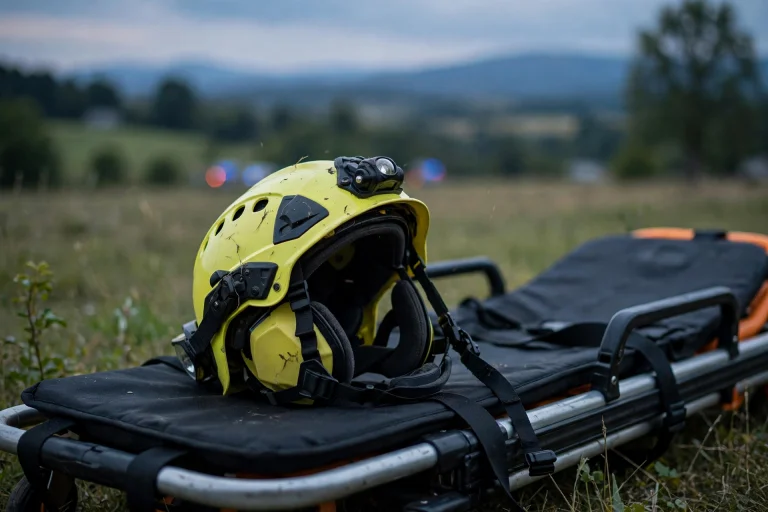
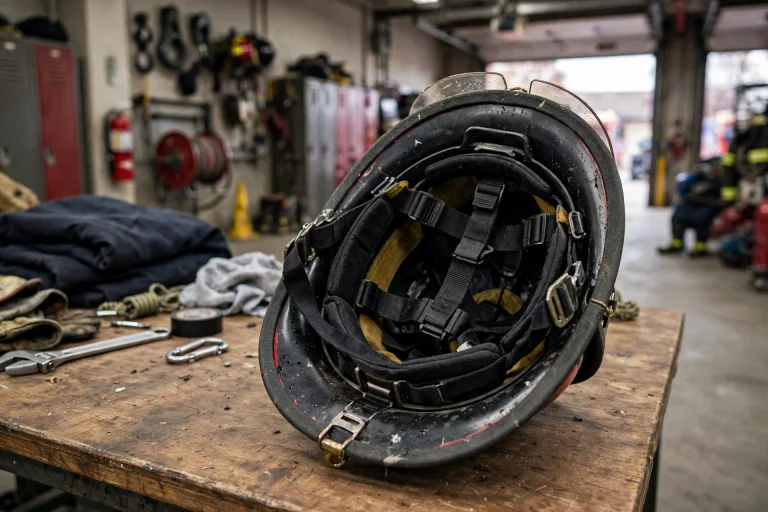
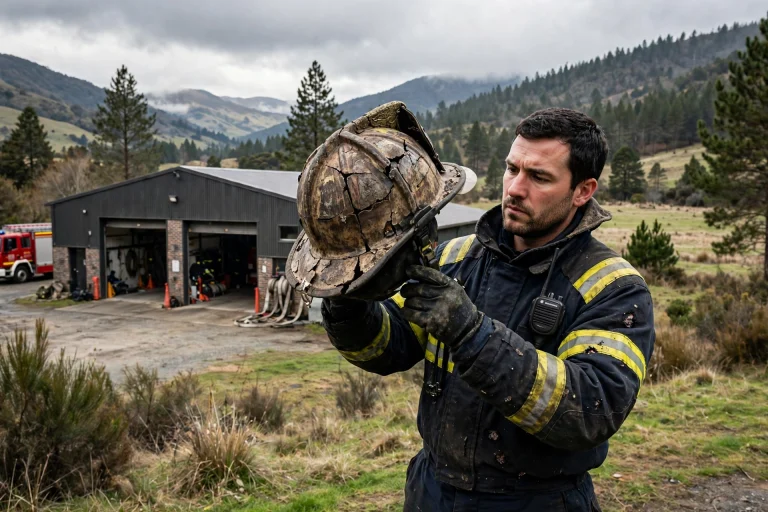
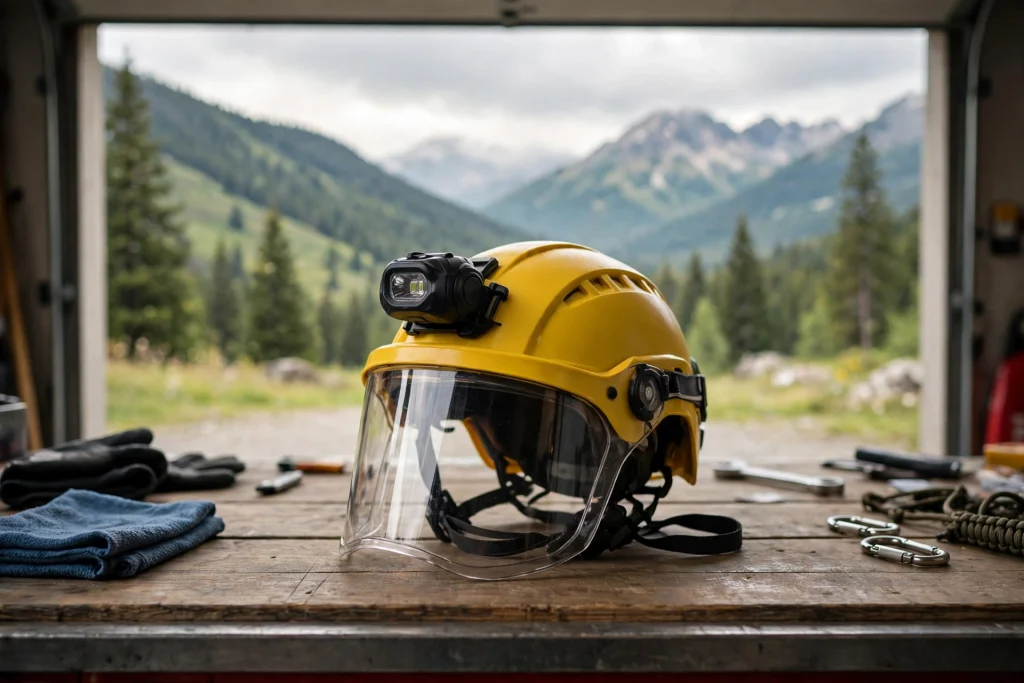
Before a shift, inspect a rescue helmet by checking the shell for cracks and dents, the suspension and straps for wear, the chin strap and buckle for function, and any visor, lamp, or fittings…
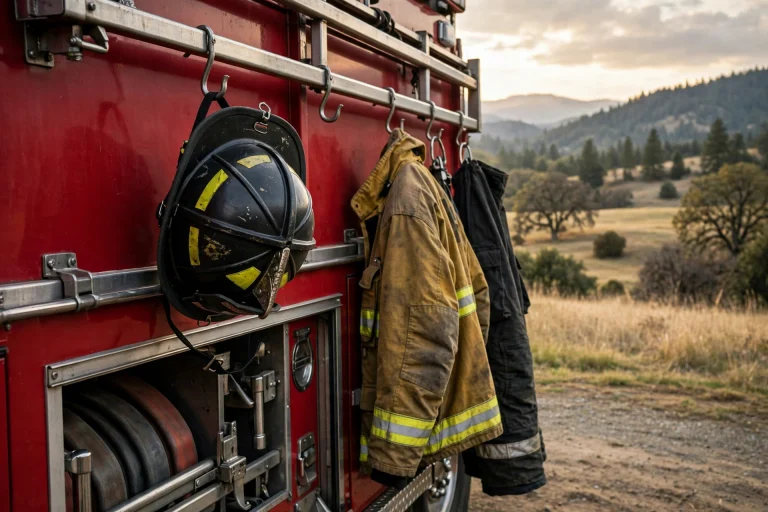
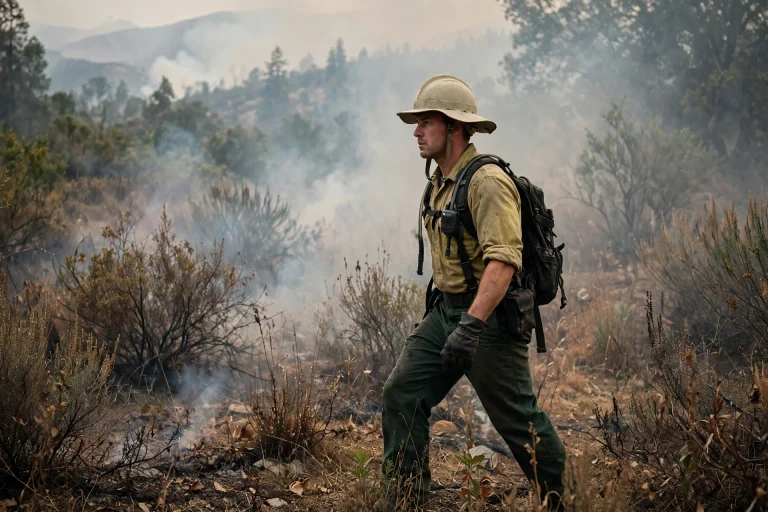
The main difference is the job: a wildland fire helmet is light, ventilated, and built for long outdoor shifts in heat and…
A fire helmet for wildland firefighting is lighter and more ventilated than a structural helmet, with no breathing-apparatus interface, a brim or…
Yes, EMS crews do wear helmets, but not on every call — they wear them when the scene carries a risk of…
A fire helmet’s suspension and fit are adjusted with the internal cradle, the ratchet or sizing band at the back, and the…
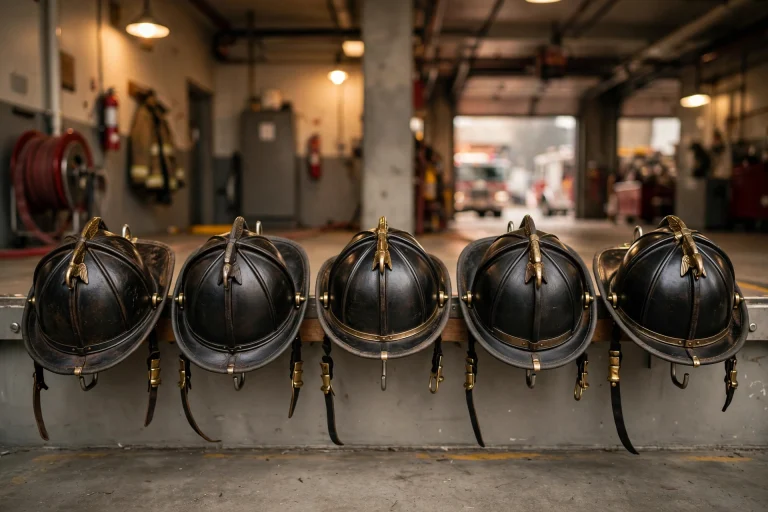
Fire helmets should be stored upright on a rack or shelf in a cool, dry, well-ventilated spot at the station, away from…
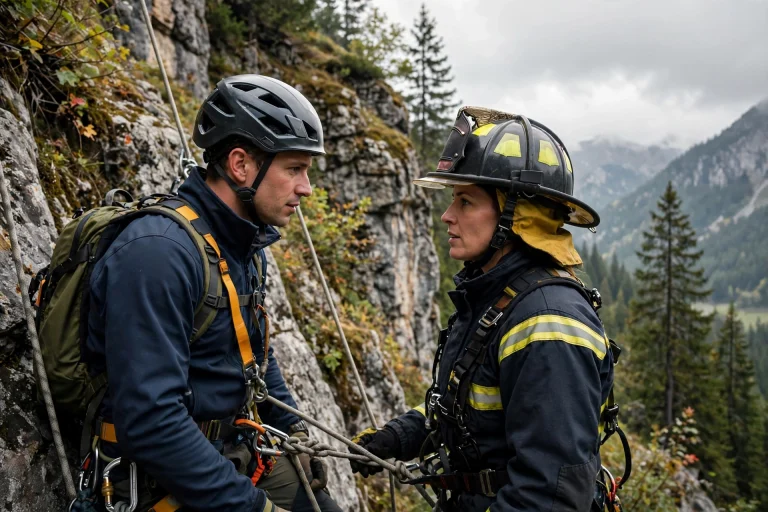
In general terms, a technical rescue helmet and a fire helmet differ in the same way a rescue helmet differs from a…
In general terms, yes — volunteer firefighters wear the same types of helmets as career firefighters, meeting the same standards for structural…
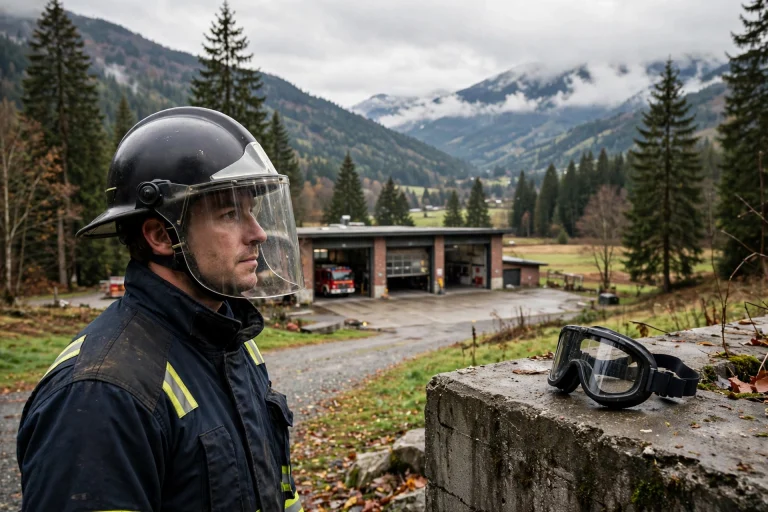
In general terms, a fire helmet face shield gives broad, flip-down protection against heat, sparks, and falling debris, while goggles give a…
In general terms, a fire helmet should be replaced after a serious impact, after visible heat damage, when its shell or suspension…