Why Do Helmets Have Liners?
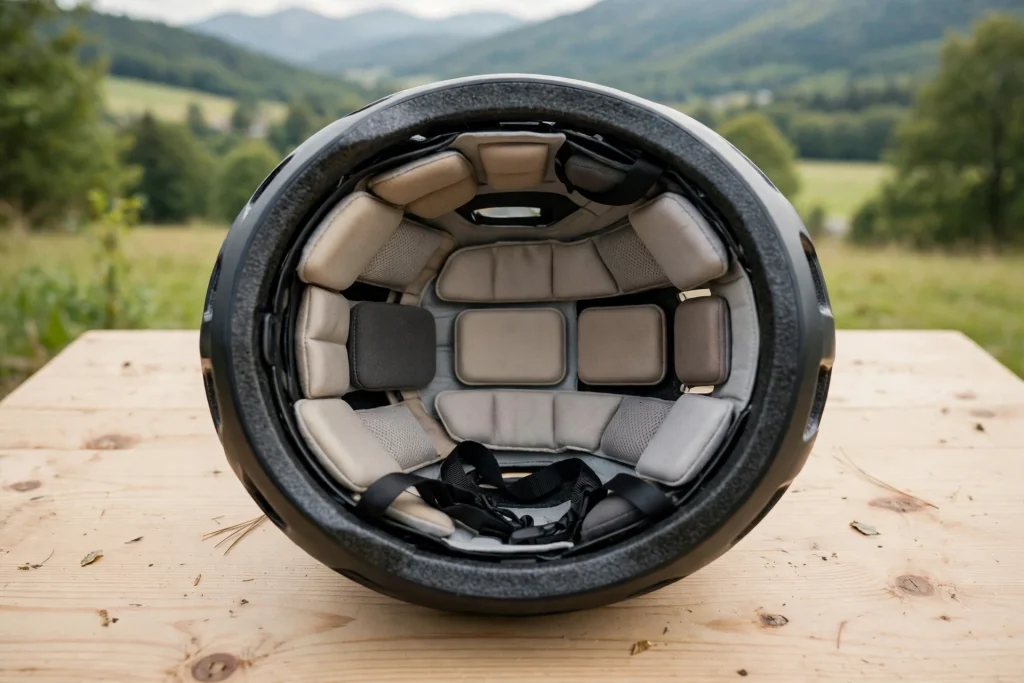
Helmets have liners so that the hard shell sits comfortably on the head, fits snugly without pressure points, and can absorb sweat, while also adding a layer that helps spread the force of an…
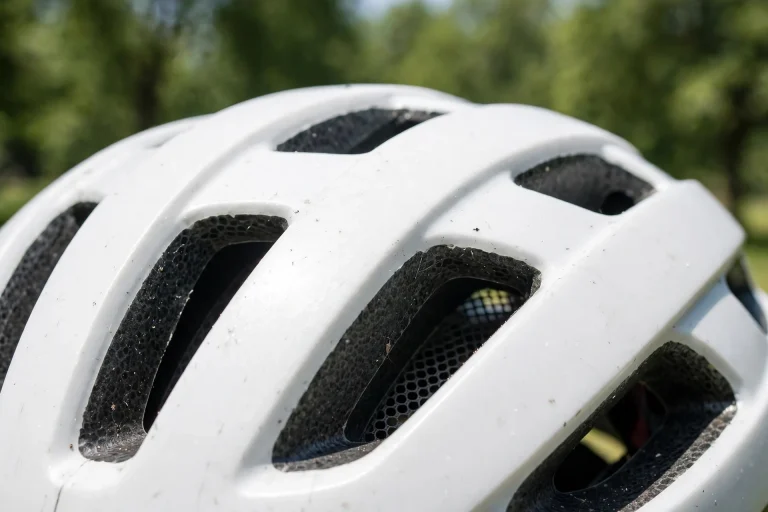
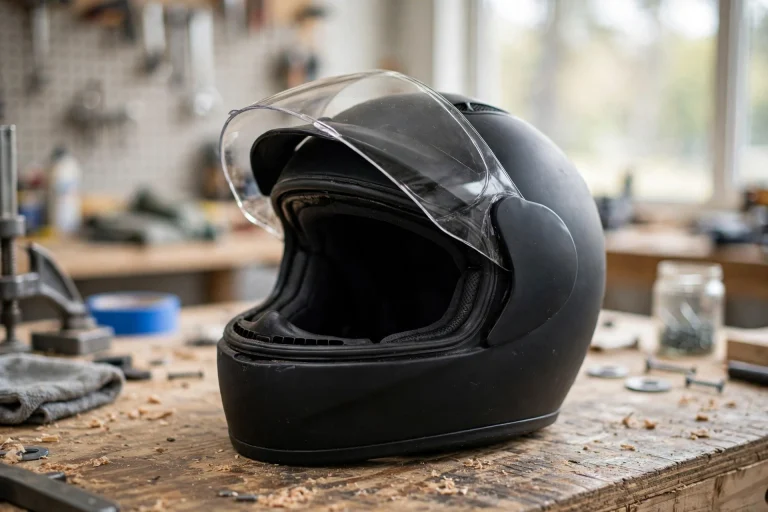
Helmets have vents so that air can flow through the helmet and carry heat and sweat away from the rider’s head, keeping…
Rubber in a helmet is the soft, flexible material used for seals, edge trim, grip strips, and small parts around the shell,…
A bio-based helmet shell is a helmet shell made partly or wholly from materials that come from plants or other renewable sources,…
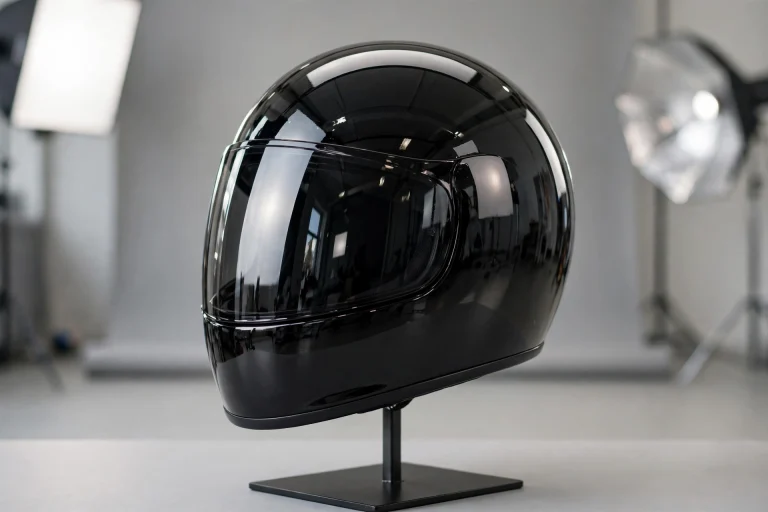
A gloss helmet finish is a smooth, shiny outer coating that gives a helmet a polished, mirror-like look, created by a clear…
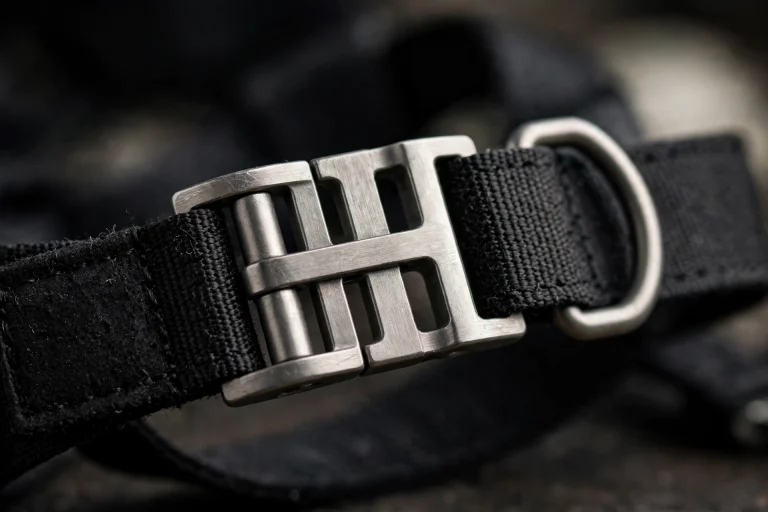
Titanium in a helmet is a light, very strong metal used for small hard parts such as buckles, screws, visor mounts, and…
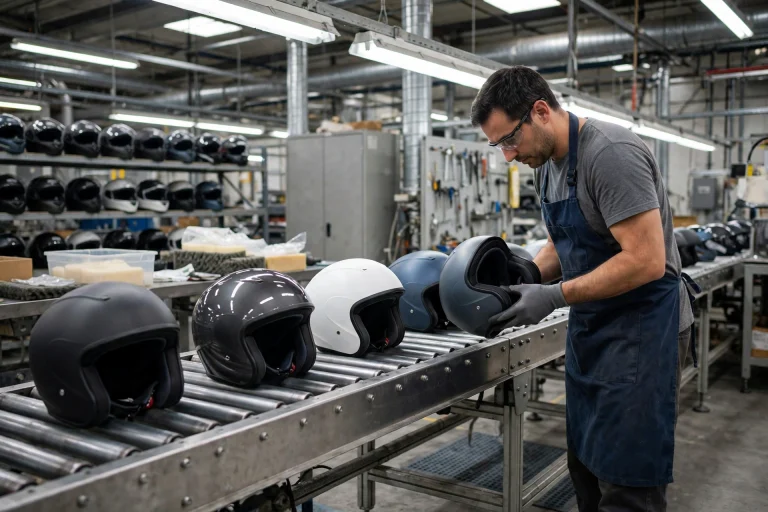
Helmets are quality checked in the factory through a mix of visual inspection, measurements, sample testing, and batch checks carried out at…
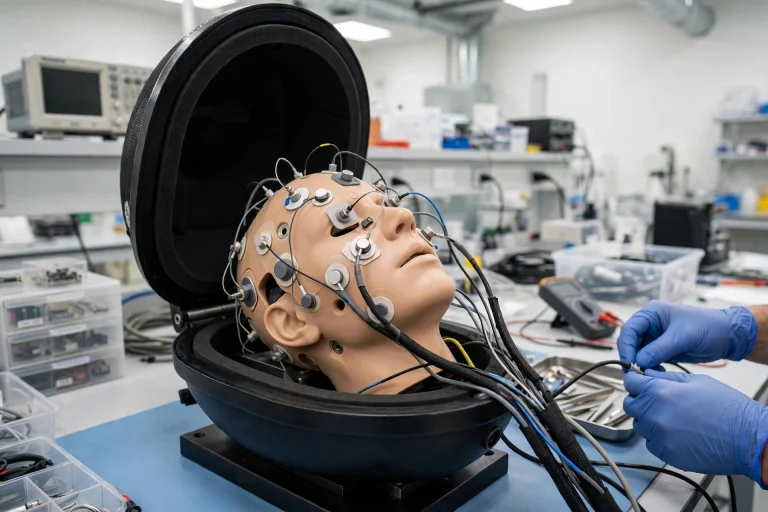
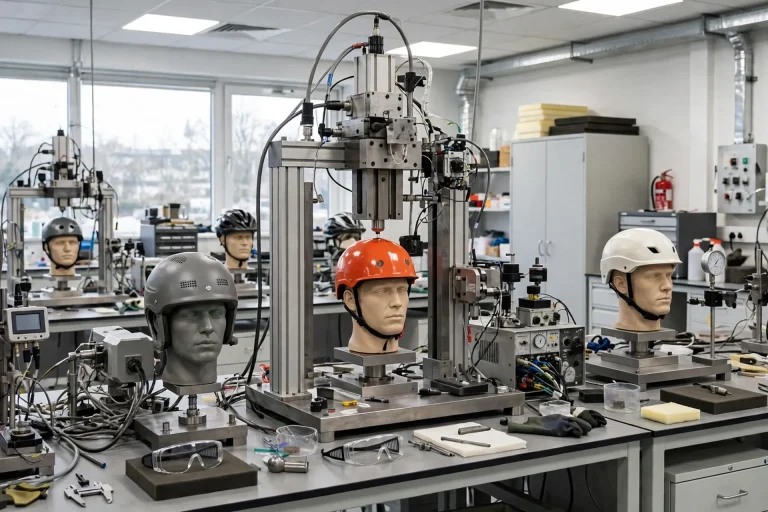
Test labs measure helmet safety by fitting a helmet onto a sensor-filled model head, striking it in controlled ways, and recording how…
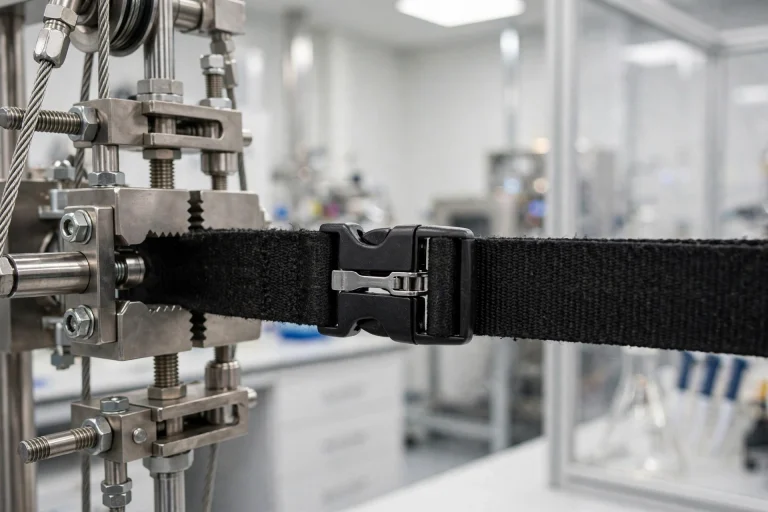
A helmet chin strap strength test is a laboratory check in which the chin strap is pulled with force to see whether…
Helmets are tested in a lab by fitting them onto a model head and putting them through a series of controlled checks,…