What Shade for Brazing and Cutting? Explained
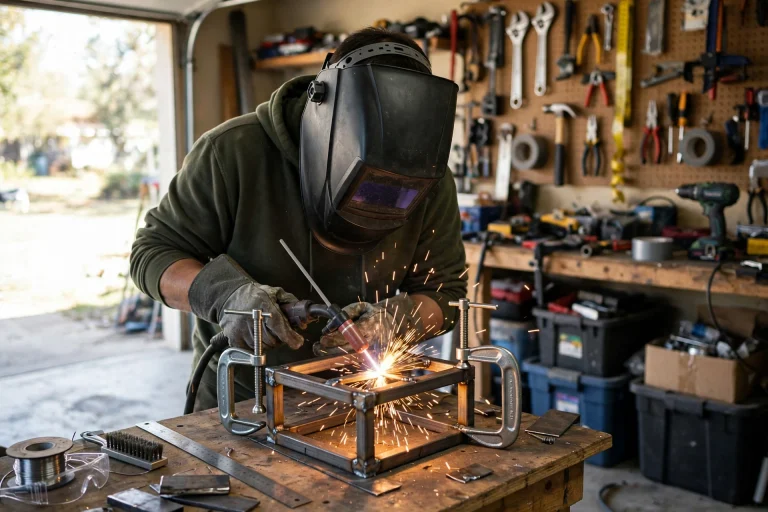
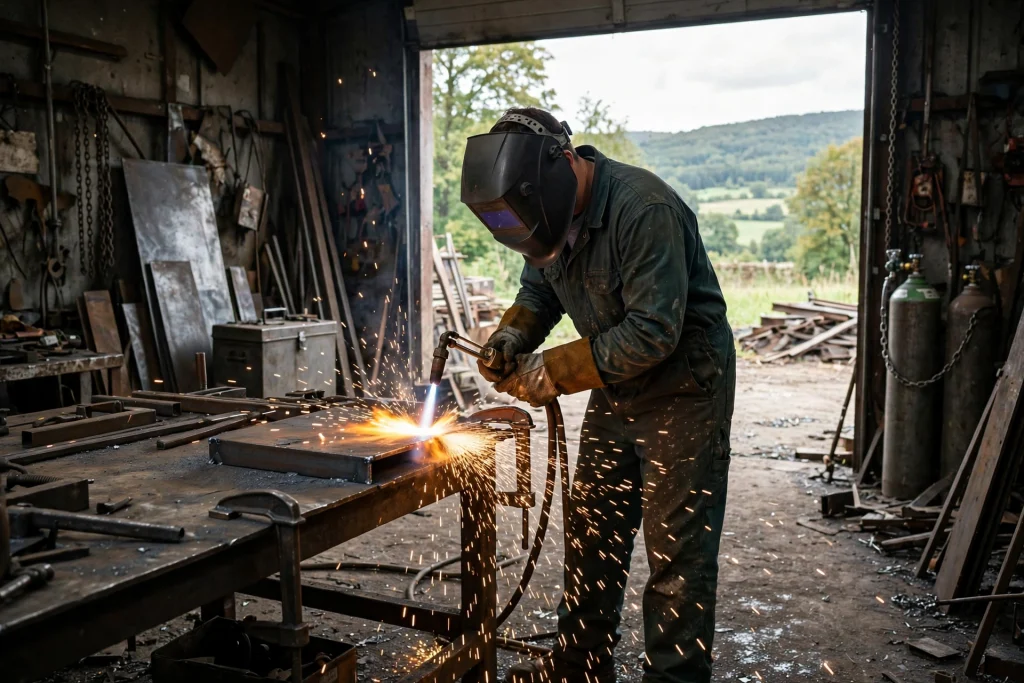
Brazing and torch cutting need lighter shades than arc welding — in general terms around shade 3 to 6, chosen from the shade chart for your process and the thickness of the metal. Too…
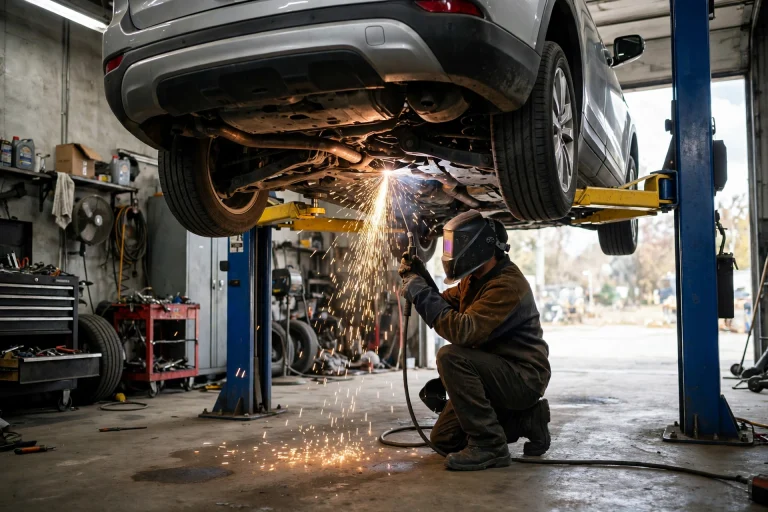
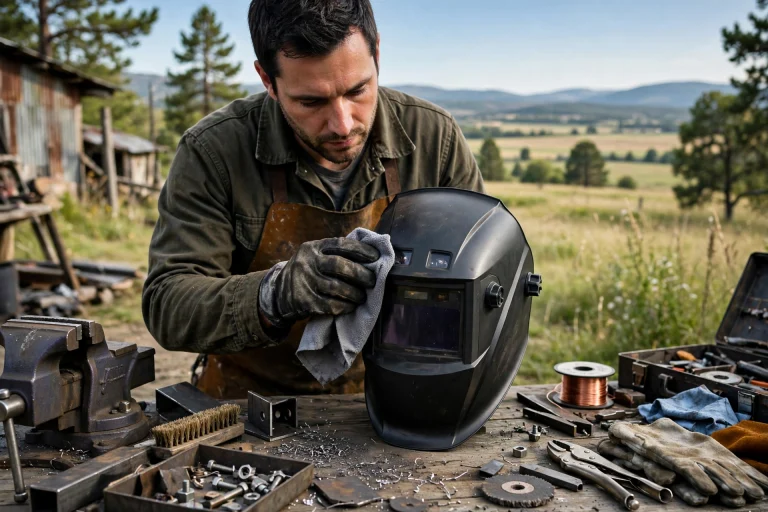
For automotive welding, look for a helmet with multiple arc sensors, a compact shell that fits into engine bays and wheel arches,…
When an auto-darkening helmet fails to darken, work through the fixes in order: clean the cover lens and sensor windows, check or…
For a hobby welder, the features that matter are a reliable auto-darkening filter with a sensible shade range, decent optical clarity, two…
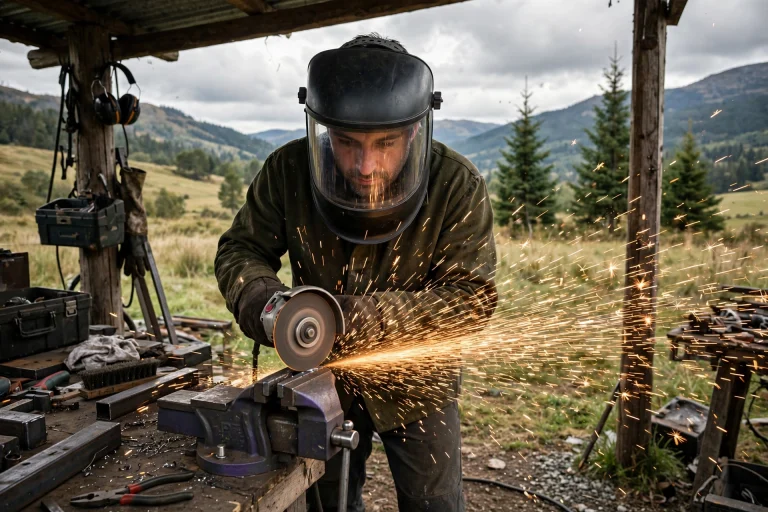
Grinding mode is a setting on many auto-darkening helmets that locks the filter at its light, clear shade so the helmet stays…
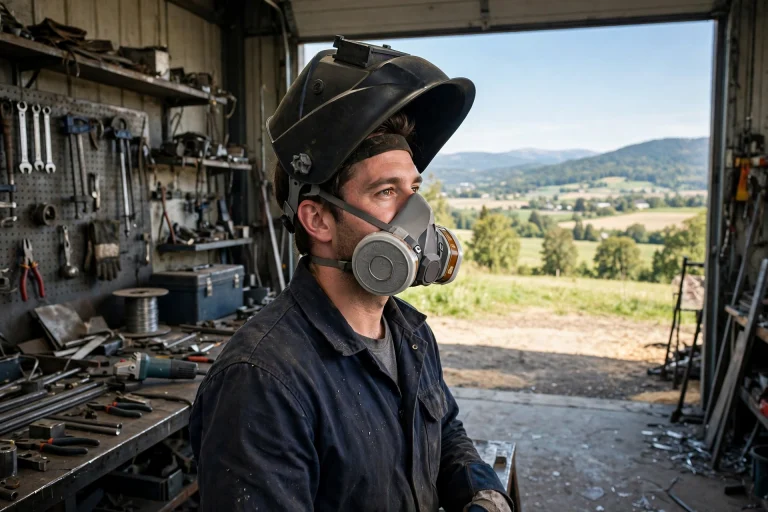
Yes — you can wear a respirator under a welding helmet, and for a lot of welding work you should. The combination…
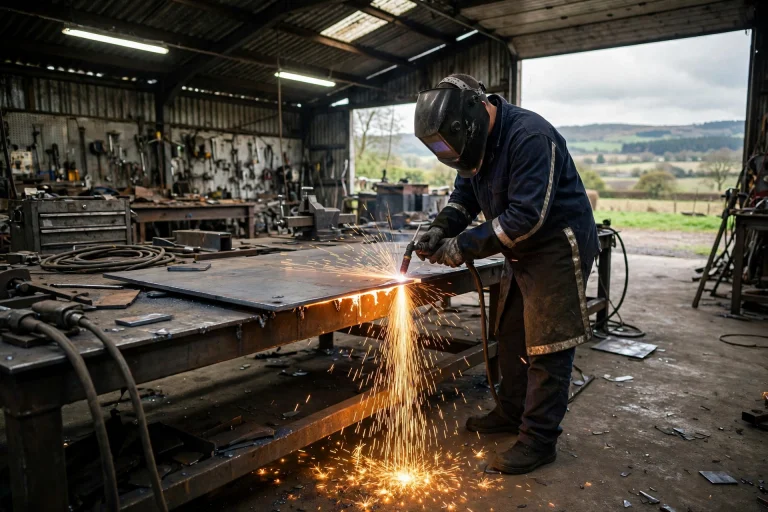
Plasma cutting normally uses a noticeably lighter shade than arc welding — in general terms, most cutting falls somewhere in the shade…
Panoramic side windows are fixed, lightly tinted panels built into the sides of some welding helmets that widen your peripheral view of…
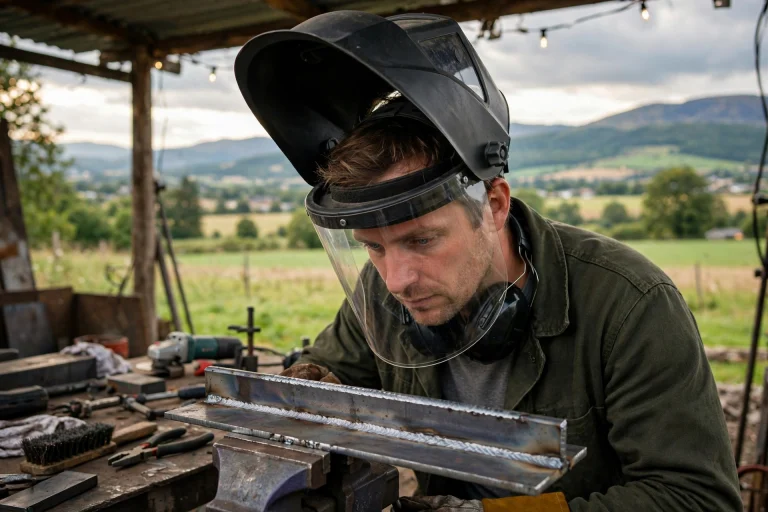
A flip-up welding helmet lets you raise just the dark filter assembly and look at your work through a clear shield, without…
The most common beginner welding helmet mistakes are picking the wrong shade, striking an arc with the helmet still in grind mode,…