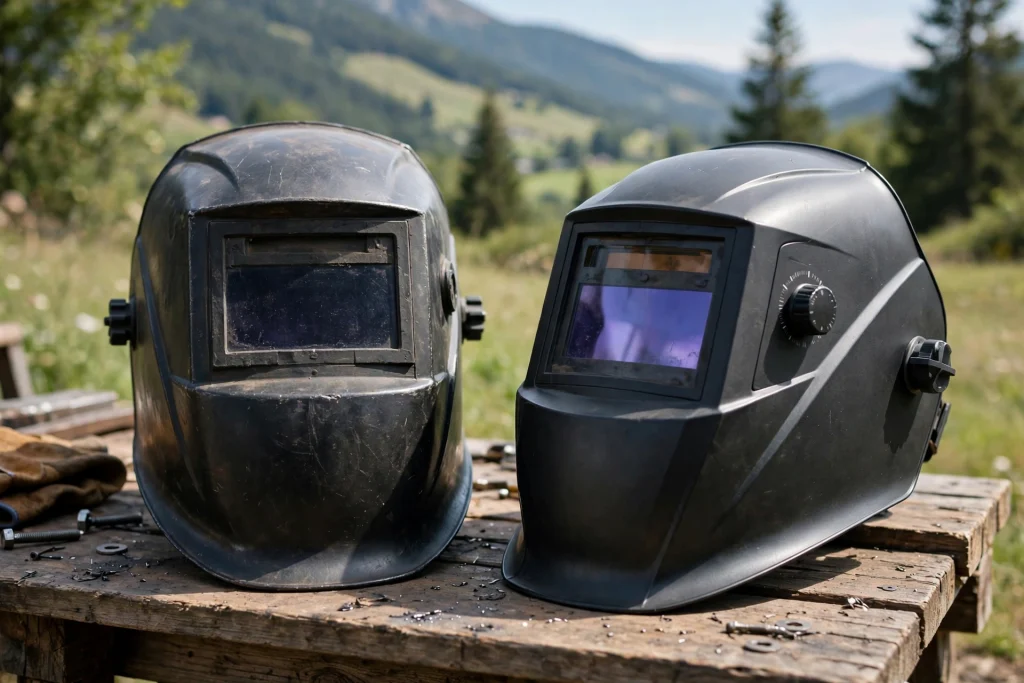
Fixed Shade vs Variable Shade Welding Helmets
A fixed shade helmet is dark all the time — one shade, no batteries, nothing to fail — while a variable shade helmet lets you adjust the darkness to suit different processes, usually with…
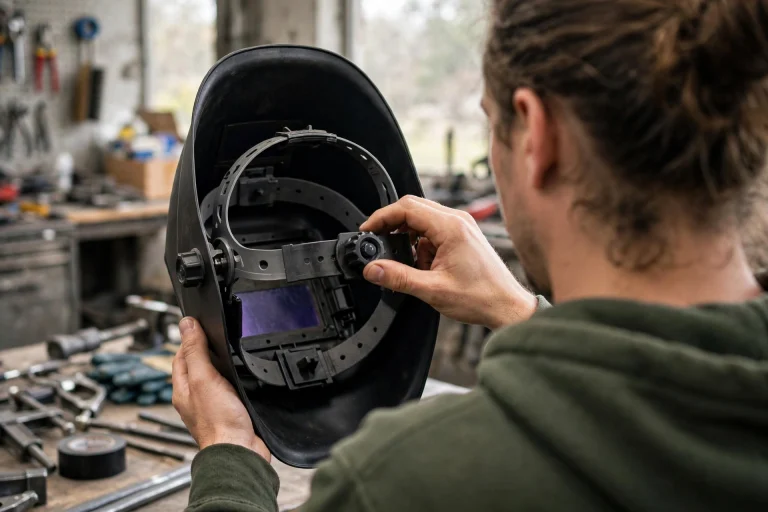
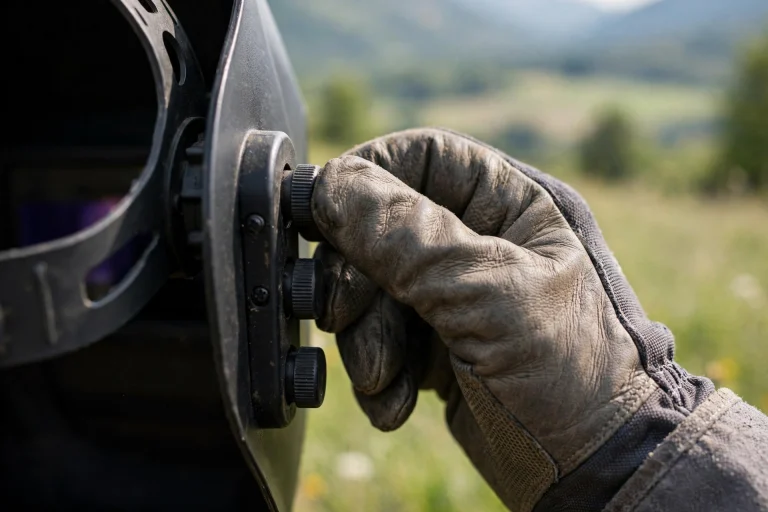
To adjust welding helmet headgear for comfort, set four things in order: the ratchet knob for overall circumference, the top strap for…
Sensitivity controls how much light it takes to trigger your lens dark, and delay controls how long the lens stays dark after…
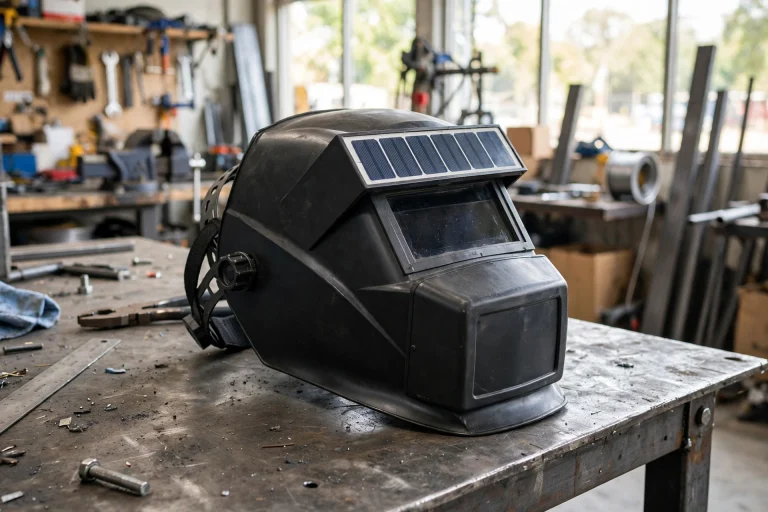
Neither type is magic: a solar powered welding helmet charges its darkening circuit from the light of the arc (and usually from…
Yes — and it only takes about a minute: inspect the lens and cover plates by eye, run the built-in self-test if…
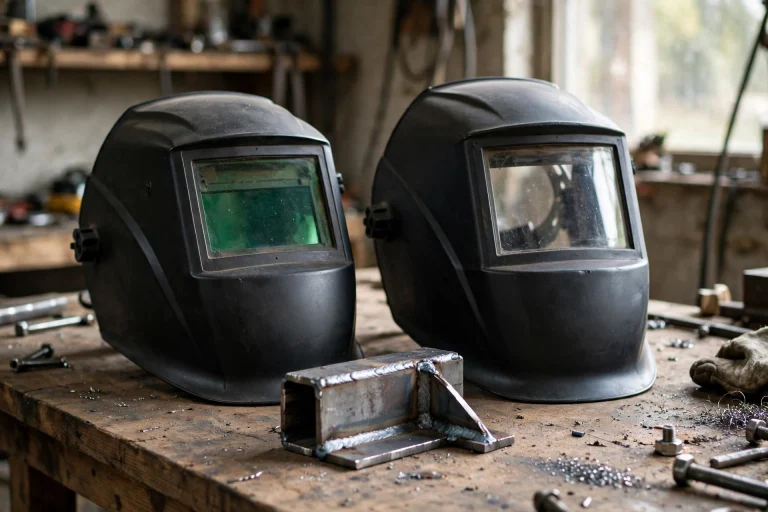
The difference is what you see: a regular auto-darkening lens tints your view green or amber, while a “true color” lens uses…
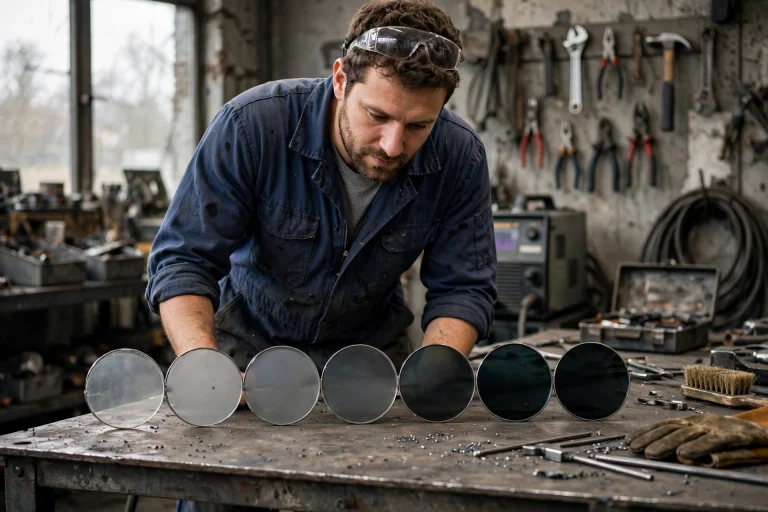
A welding helmet shade number tells you how dark the lens is: the higher the number, the more visible light the lens…