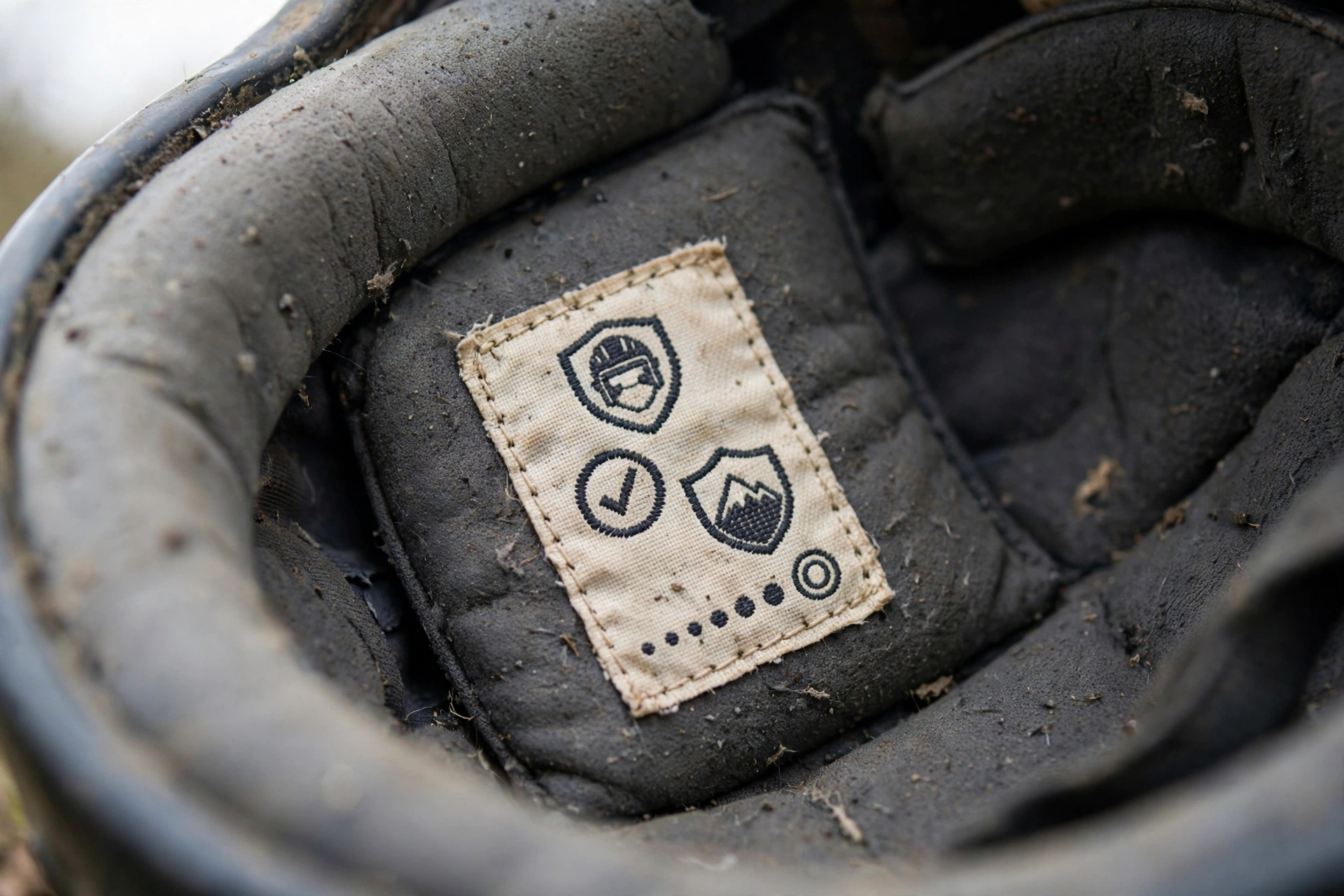
To check certification labels on a used helmet, look inside the helmet for a label or sticker naming the safety standard it meets, the sport it is made for, and usually the size and date of manufacture. That label is your main evidence that the helmet was tested to a recognised standard. If it is missing, unreadable, or does not match the helmet’s claimed model, that is a reason not to buy.
Labels vary between sports and regions, but they all serve the same purpose: to prove the helmet passed an independent test. This guide explains where to find the label, what it should say, and the warning signs that suggest a helmet is fake, too old, or misdescribed.
Where Is the Certification Label?
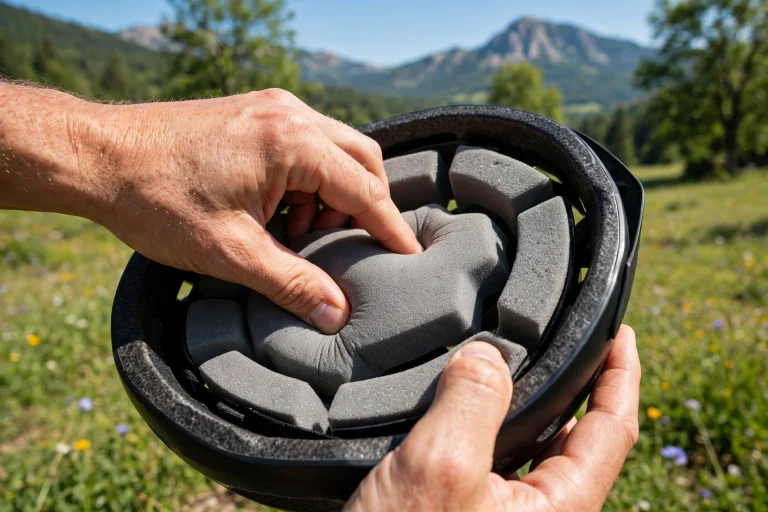
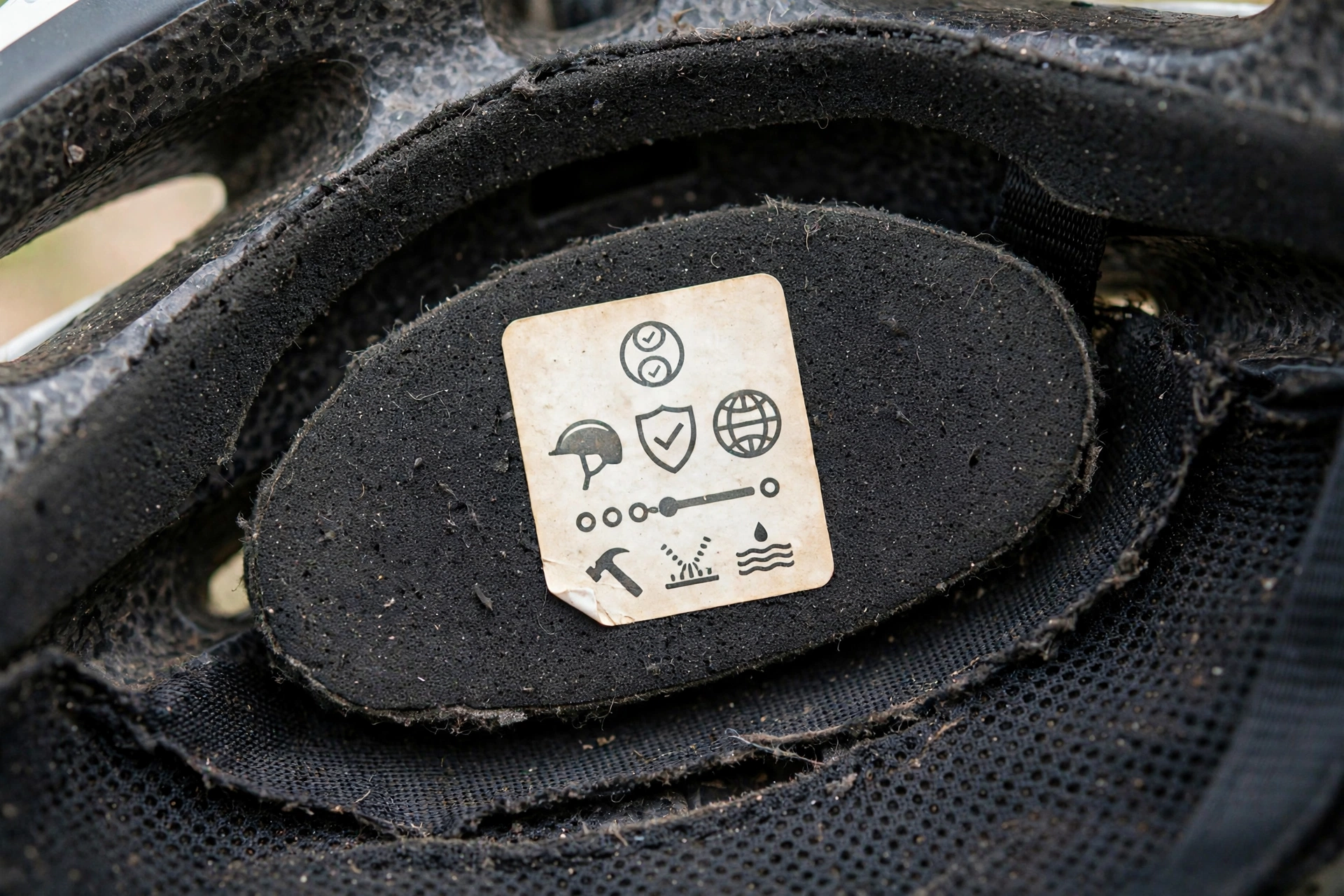
On most helmets, the certification label is inside the helmet, often stitched into the liner, stuck to the foam, or printed on a tag near the back. On some helmets it is under a removable pad, so you may need to lift the pads to find it. On a few models, the standard is also printed on the outside of the shell or on a sticker on the box.
The label usually names the standard with a code, such as the letters and numbers that identify the test the helmet passed. It may also name the organisation that certified it, and the size of the helmet. Some labels include a date of manufacture, which is useful for judging the helmet’s age.
If you cannot find any label, ask the seller where it is. A genuine helmet should have one, and a seller who cannot show it to you is a seller to be cautious about. Do not buy a helmet on the strength of a claim alone — the label is the proof.
What Should the Label Say?
The label should name a standard that matches the sport the helmet is sold for. A cycling helmet should be certified for cycling; a ski helmet for skiing; a motorcycle helmet for motorcycling. A helmet certified for one sport is not automatically safe for another, because the tests are different.
The standard’s name should be one you can look up. Most recognised standards are published by national or international bodies, and their names are easy to check online. If the label names a standard you cannot find, or uses vague wording such as “meets safety requirements” without naming a standard, be suspicious.
Check that the label matches the helmet itself. The size on the label should match the size marked elsewhere on the helmet, and the model name — if given — should match the helmet you are holding. A label that does not match the helmet may have been swapped from another helmet, which is a sign of a fake or a repaired helmet being sold as genuine.
What Are the Warning Signs of a Fake or Misdescribed Helmet?
Poor printing is a common sign. A genuine label is usually printed cleanly, with sharp text and a consistent layout. A label with blurry text, spelling mistakes, or a sticker that peels off easily may be fake. Compare the label with photos of the same model online if you can.
A helmet sold far below its normal price, especially from an unknown seller, is another warning sign. Counterfeit helmets are a real problem, and they often look convincing from the outside while using cheap foam that would not pass a real test. If the price seems too good to be true, it usually is.
Missing documentation is also worth noting. A genuine helmet usually comes with an instruction leaflet, a warranty card, or a box naming the model and standard. A helmet with no label, no leaflet, and no box is harder to verify, and you should weigh that against the price before buying.
How Do You Check a Label Against the Helmet’s Age?
Standards change over time, and a label naming an old standard can tell you the helmet is older than the seller claims. If the seller says the helmet is two years old but the label shows a standard that was replaced five years ago, the helmet is at least five years old — and may be older.
Look for a date of manufacture on the label or stamped into the shell. Some helmets have a small date wheel or a printed date inside. If you find one, compare it with what the seller told you. A mismatch is a reason to ask more questions, or to walk away.
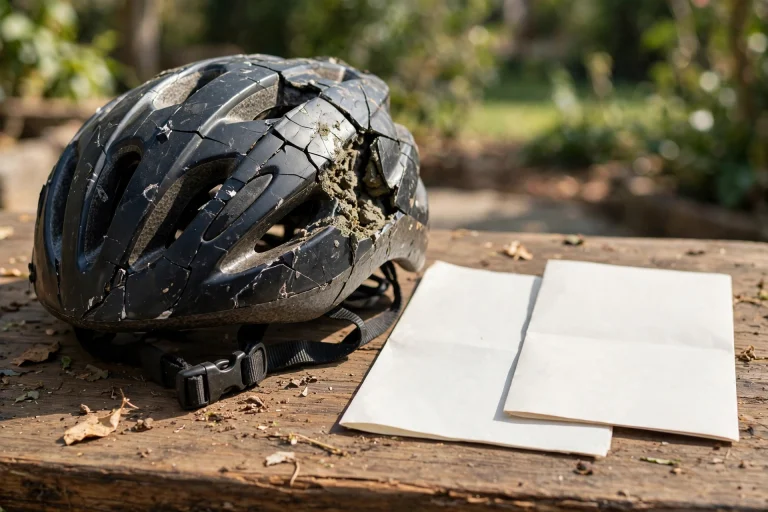
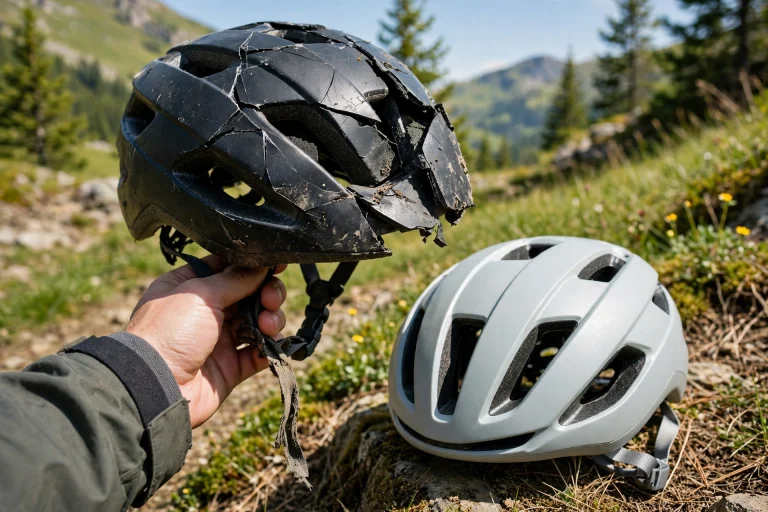
Even if the label is genuine and the helmet is young, remember that certification is a minimum, not a guarantee. A certified helmet that has been crashed, dropped hard, or stored badly may no longer protect you, whatever its label says. The label is one check among several, not a substitute for inspecting the helmet itself.
What Should You Do If the Label Is Missing?
If the label is missing but the seller can show you the original box, the receipt, or the maker’s listing for the model, you may be able to confirm the standard that way. A helmet’s model name can usually be searched online to find which standard it was certified to, and when it was made.
If there is no label and no other evidence, do not buy the helmet. The saving is not worth the risk. A new helmet, with a readable label and a warranty, is the safer choice — and it is the only way to be sure the helmet in your hands is the helmet the label describes. If you want to understand the safety features that sit behind the label, reading about what MIPS is for helmets can help you compare helmets on more than price.
Finally, remember that a label is only useful if you read it. When you buy any helmet, new or used, take a moment to find the label and check what it says. It is a small habit that can save you from buying a helmet that looks right but is not.
Frequently Asked Questions
Q: Can a helmet be safe if its certification label is missing?
A: In general terms, you cannot be sure. Without the label, you cannot confirm which standard the helmet meets or how old it is. Do not buy a used helmet without a readable label.
Q: Do all helmets use the same certification standard?
A: No. Different sports and different regions use different standards, because the tests are designed for different kinds of impact. Check that the label names a standard for the sport you will use the helmet for.
Q: Can a fake helmet have a real-looking label?
A: Yes. Counterfeit helmets sometimes carry copied labels, which is why the price, the seller, and the helmet’s overall quality all matter. Buy from a reputable source when you can, and be wary of deals that seem too good to be true.

Olivia
Writer at Helmet Today, covering helmet reviews, fit and riding safety.