There is no single weight limit that makes a child’s helmet too heavy — in general terms, a helmet is too heavy when it pulls the child’s head forward or to one side, causes neck tiredness on a normal ride, or makes the child want to take it off, even when the fit is correct. Comfort and fit matter more than any number on a label, because children have smaller, weaker neck muscles than adults and feel extra weight sooner.
Parents often worry about helmet weight, and with good reason: a heavy helmet can spoil a child’s first rides and put them off cycling altogether. But weight is only one part of the picture. A light helmet that fits badly is worse than a slightly heavier one that fits well, stays put, and feels comfortable. This guide explains how to judge whether a helmet is too heavy for your child, and what to look for instead.
How Can You Tell If a Child’s Helmet Is Too Heavy?
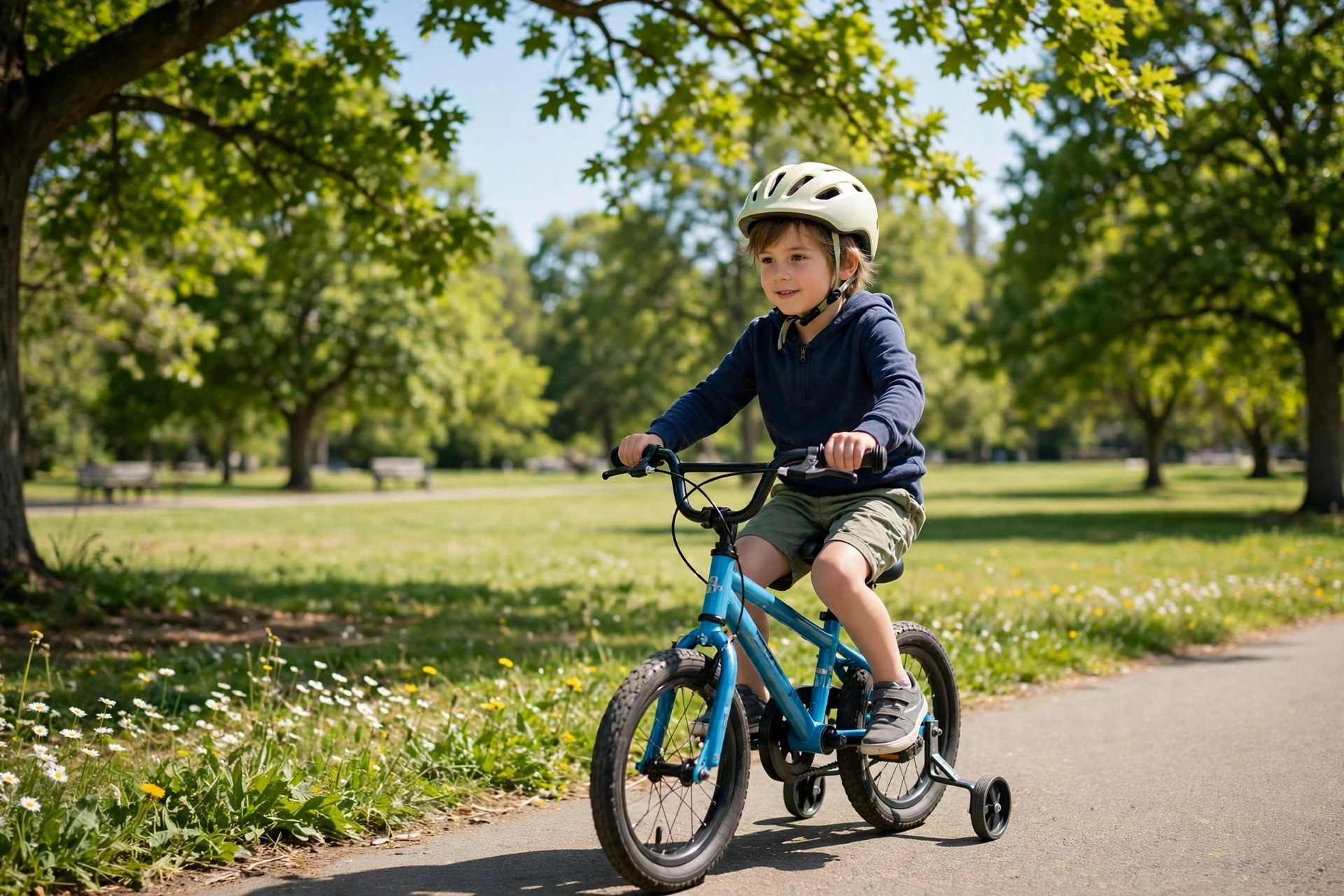
Watch how your child holds their head. If the helmet pulls their head forward, makes them tilt their head back to balance it, or causes them to complain of a sore neck after a short ride, it is likely too heavy for them. Young children may not say “my neck hurts” — they may simply ride more slowly, look down at the ground, or ask to stop sooner than usual.
Another sign is the helmet moving around. A heavy helmet can rock forward over the eyes or slide to one side, especially when the child looks around or goes over a bump. That movement is not only annoying; it also means the helmet may not be in the right place if they fall. Check that the helmet sits level and stays put when your child shakes their head gently.
What Weight Should You Aim for in a Child’s Helmet?
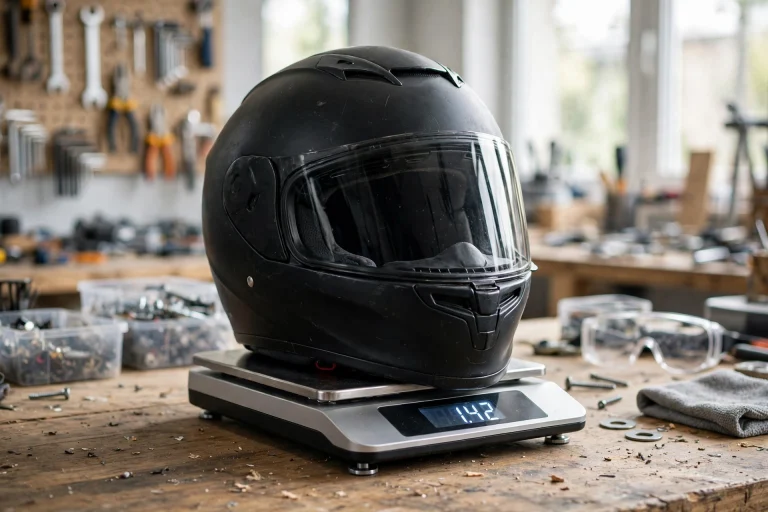
In general terms, lighter is better for children, but there is no official weight limit for a child’s helmet, and the right weight depends on the child’s age, size, and neck strength. A helmet for a toddler will naturally be lighter than one for a ten-year-old, simply because it is smaller, and that is as it should be.
When you compare helmets in a shop, hold them in your hands first. Pick up two or three helmets in your child’s size and feel the difference. Then let your child try them on, one at a time, and ask which feels lightest and most comfortable. Children are often good judges of this, even if they cannot explain why — they will usually prefer the helmet that feels least noticeable on their head.
Do not chase the lightest helmet at any cost. Very light helmets can still fit badly, and a helmet that is light because it has very thin padding may feel hard and uncomfortable. The goal is a helmet that is light enough to forget, comfortable enough to wear for a whole ride, and snug enough to stay in place.
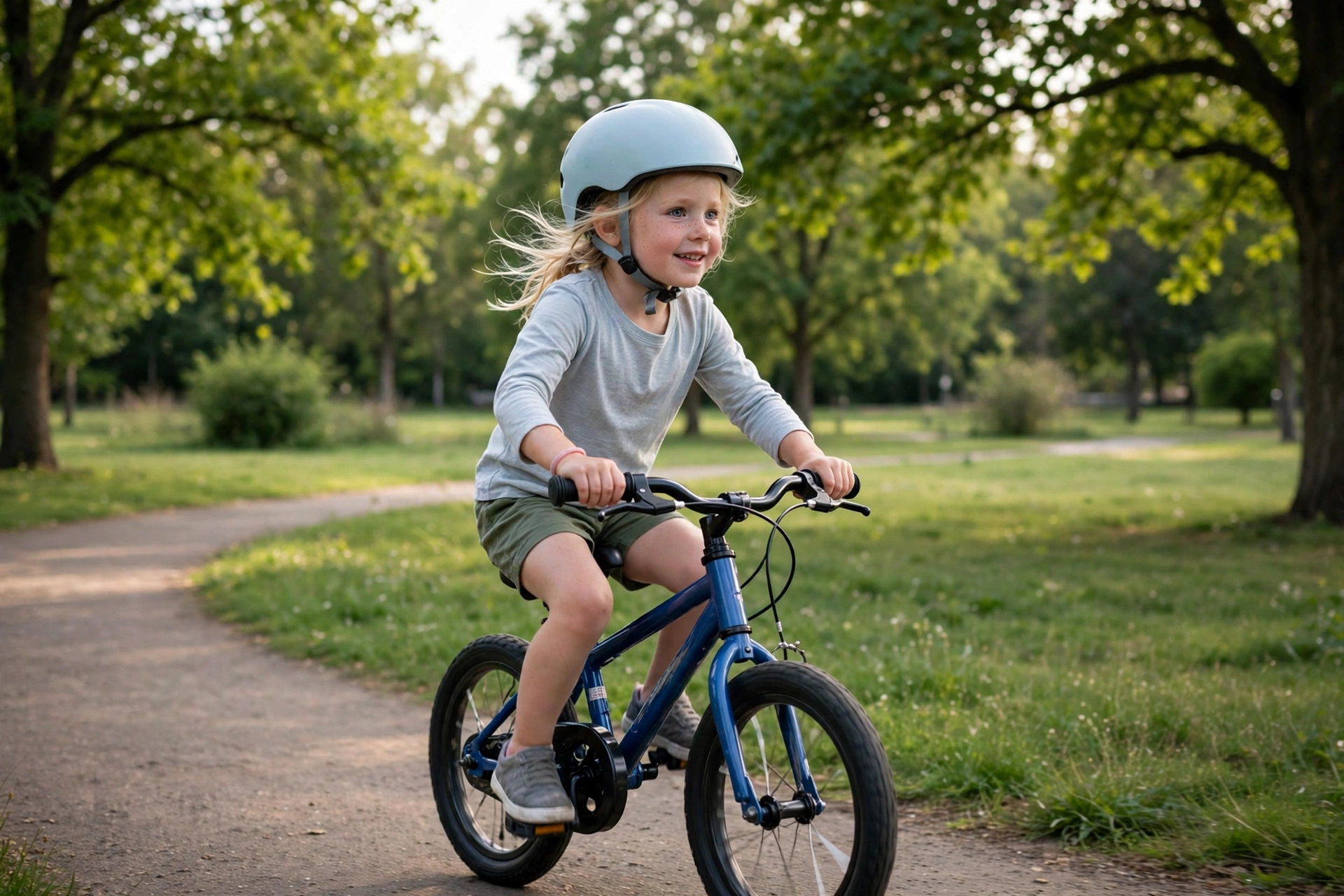
Does a Heavier Helmet Protect a Child Better?
Not necessarily. A heavier helmet is not automatically safer, and a lighter helmet is not automatically less safe. Protection depends on the helmet meeting the right safety standard, fitting correctly, and being worn properly — not on how much it weighs. In general terms, a helmet that is too heavy can actually be less safe in practice, because a child is more likely to wear it loosely, tilt it back, or take it off.
What matters most is the fit. A helmet should sit level on the head, low on the forehead, with the straps snug under the chin and the side straps forming a neat shape around the ears. It should not wobble when your child shakes their head. A helmet that fits well will stay in the right place in a fall, which is what gives the best protection.
Check the safety standard for your country before you buy, and look for a label or mark showing the helmet meets it. Then focus on fit and comfort. A helmet that meets the standard, fits well, and feels light enough for your child to wear happily is a far better choice than a heavier one bought in the hope that weight means safety.
How Does Age Change What Counts as Too Heavy?
Very young children, around three to five years old, have the least neck strength, so even a small amount of extra weight can feel tiring. For them, choose the lightest helmet you can find in the right size, with soft padding and a simple, easy-to-use buckle. Keep rides short at first, and build up the time gradually so their neck muscles get used to the helmet.
Older children, from about six upwards, can usually handle a slightly heavier helmet, especially if they ride regularly and their neck muscles have strengthened. But they still feel weight sooner than adults, and a heavy helmet can still cause tiredness on a long ride or a hilly route. Let them try the helmet on and walk around in it for a few minutes before you decide.
Teenagers are closer to adults in strength, but their heads are still growing, so fit matters as much as weight. A helmet that fitted last year may be too small now, and a too-small helmet can feel heavy and press on the head even if it is light. Check the fit every few months while your child is growing.
What Else Makes a Child’s Helmet Feel Heavy?
Fit is the biggest factor. A helmet that is too large will slide around and feel heavier than it is, because the weight is not balanced on the head. A helmet that is too small will press on the forehead and temples, which can feel like heaviness even when the helmet is light. Make sure the helmet is the right size, and use the fit pads or dial that comes with it to fine-tune the fit.
Ventilation matters too. A helmet with poor airflow can feel hot and heavy on a warm day, even if it is light. Look for a helmet with vents that let air flow over the head, and a light-coloured shell, which can feel cooler in the sun. If your child rides in hot weather, a well-vented helmet will feel much lighter in practice.
If you are learning about how helmets handle different kinds of impact, reading about what MIPS is for helmets can help you understand one of the technologies used in modern helmet design. Weigh that alongside weight and fit, and remember that a helmet your child is happy to wear is the safest helmet of all.
Frequently Asked Questions
Q: Is there an official maximum weight for a child’s helmet?
A: In general terms, no. There is no widely used official weight limit for children’s helmets — the right weight depends on the child’s age, size, and neck strength, so comfort and fit are the best guides.
Q: Should I buy the lightest child’s helmet I can find?
A: Not at any cost. A very light helmet that fits badly is worse than a slightly heavier one that fits well. Choose the lightest helmet that also fits correctly and feels comfortable.
Q: How often should I check my child’s helmet fit?
A: Check the fit every few months while your child is growing, and after any growth spurt. A helmet that fitted well last season may be too small now.

Olivia
Writer at Helmet Today, covering helmet reviews, fit and riding safety.