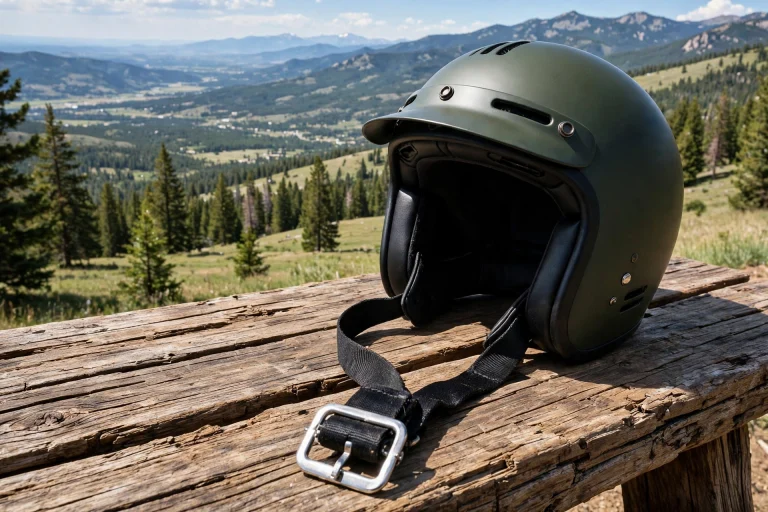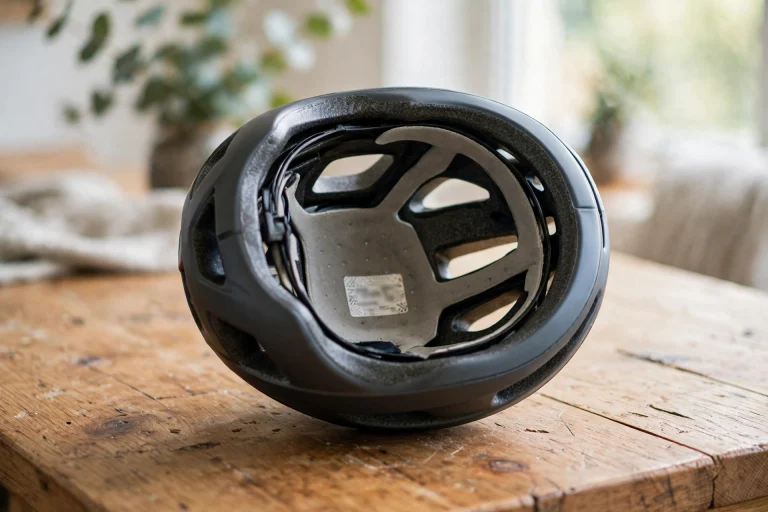
EN 397 and ANSI Z89.1 are both industrial helmet standards, but they come from different places: EN 397 is the European standard for industrial safety helmets, while ANSI Z89.1 is the United States standard for industrial head protection. In general terms, both set out how a hard hat should perform in an impact test and how it should be marked, but they test helmets in different ways and apply in different countries. A helmet that meets one does not automatically meet the other.
For workers and site managers, the difference matters because the standard a helmet meets should match the rules of the country and the site where it is used. This guide compares the two standards in plain terms, so you can check a hard hat with confidence.
What Is EN 397?
EN 397 is the European standard for industrial safety helmets, the kind of hard hat worn on construction sites, in factories, and in other workplaces where something could fall on a worker’s head. In general terms, it sets out the requirements a helmet must meet to be sold in Europe, including impact protection, penetration resistance, and the strength of the chin strap, where one is fitted.
The helmet is tested with a headform fitted inside, using a falling object to simulate something dropping onto the helmet, and the test measures how much force reaches the headform. A separate penetration test checks whether a sharp object can pass through the shell. The helmet is also tested after being conditioned in different temperatures, because a hard hat used outdoors must work in hot and cold weather.
Helmets that meet EN 397 carry the CE mark and a reference to EN 397, usually on a label or marking inside the shell. The marking also shows the manufacturer, the model, and the size, and it may show optional features the helmet has been tested for, such as protection against very low temperatures or against molten metal splash.
What Is ANSI Z89.1?
ANSI Z89.1 is the standard set by the American National Standards Institute for industrial head protection in the United States. In general terms, it plays the same role as EN 397, but for the American market: it sets out the impact protection, penetration resistance, and marking that an industrial helmet must meet before it can be used on a work site.
Like EN 397, ANSI Z89.1 tests helmets using a headform fitted inside the helmet, with a falling object to simulate an impact from above, and it measures the force that reaches the headform. A penetration test checks whether a sharp object can pass through the shell, and the helmet is tested in different conditions to make sure it performs in the kinds of weather a worker may meet.
Helmets that meet ANSI Z89.1 carry a marking inside the shell stating that they comply with the standard, along with the type and class of the helmet. The type shows whether the helmet is designed for impacts from above only, or from above and from the side, and the class shows whether it offers electrical protection. That marking is the main way a buyer can tell what the helmet is made for.

How Do EN 397 and ANSI Z89.1 Differ?
The two standards differ in the details of their tests and in how they classify helmets. In general terms, EN 397 sets out one main type of industrial helmet, with optional extras that a helmet can be tested for, while ANSI Z89.1 divides helmets into types and classes, so the marking tells you more about what the helmet is designed to protect against, including side impacts and electrical hazards.
Neither standard is simply better than the other. Both are recognised safety standards that have been developed over many years, and both require a helmet to offer real impact protection. The right choice depends on where the helmet will be used and which standard is recognised there.
Which Standard Should You Look for on a Work Site?
Look for the standard that applies where the work is done. In general terms, if the site is in Europe, look for EN 397 and the CE mark; if the site is in the United States, look for the ANSI Z89.1 marking. Many helmets sold by major brands carry both marks, because the manufacturer has made the helmet to meet both standards, and that can be a practical choice for companies that work in more than one country.
When you check a helmet, look inside the shell for the marking and read it properly. It should name the standard, the manufacturer, the model, and the size, and the details should match the helmet you are holding. For an ANSI Z89.1 helmet, also check the type and class, to make sure the helmet is made for the hazards on your site.
If you are learning about the technologies that can sit inside a certified helmet, reading about what MIPS is for helmets can help you understand one of the features some modern helmets include, although MIPS is more common in sports helmets than in industrial hard hats.
What Else Should You Check on an Industrial Helmet?
The standard is only part of the check. In general terms, an industrial helmet should fit well, be in good condition, and be suited to the work being done. The shell should be free of cracks, dents, and deep scratches, the suspension or liner inside should be firm and evenly fitted, and the chin strap, where fitted, should fasten securely. A helmet that has been damaged should be taken out of use.
Fit matters on a work site as much as it does in sport. A helmet should sit level, feel snug without pressing hard in one place, and stay put when you move your head. If the helmet has an adjustment system, check that it holds its setting through a full shift. A helmet that slips or lifts is a distraction, and it may not be in the right place when it is needed.
Finally, check the age and condition of the helmet. Hard hats wear out over time, especially when they are used outdoors in sun and weather, and a helmet that has been in use for many years may no longer offer the protection it was designed for. Follow the manufacturer’s guidance on when to replace a helmet, and keep a record of when each helmet was put into service.
Frequently Asked Questions
Q: Can I use an EN 397 helmet on a site in the United States?
A: In general terms, a helmet that meets EN 397 is a properly certified industrial helmet, but the recognised standard in the United States is ANSI Z89.1. Check the site rules before you use it.
Q: Can I use an ANSI Z89.1 helmet on a site in Europe?
A: In general terms, a helmet that meets ANSI Z89.1 is a properly certified industrial helmet, but the recognised standard in Europe is EN 397. Many helmets carry both marks, which avoids the question altogether.
Q: What does the type and class on an ANSI Z89.1 helmet mean?
A: In general terms, the type shows whether the helmet is designed for impacts from above only or from above and the side, and the class shows whether it offers electrical protection. Check both against the hazards on your site.

Olivia
Writer at Helmet Today, covering helmet reviews, fit and riding safety.