A helmet buying guide for winter sports helps you choose a snow helmet that fits well, suits your sport, and protects your head on the slopes. The right winter sports helmet is snug, comfortable with goggles, well ventilated, and built for skiing or snowboarding, and it should be chosen with care rather than grabbed as an afterthought. Falls on snow and ice can be hard, and collisions with other skiers, trees, and lift towers do happen, so a helmet is one of the most important pieces of winter kit. In general terms, a good helmet is one you will actually wear every run, because it fits and feels right.
What Makes a Good Winter Sports Helmet?
A good winter sports helmet starts with a hard outer shell and a liner that absorbs impacts, built to cope with cold, snow, and repeated knocks. The shell protects against sharp objects and spreads the force of an impact, while the liner inside absorbs some of that force before it reaches the head. Many modern snow helmets also have adjustable ventilation, so the wearer can open vents on warm days and close them when it is cold.
Weight and warmth matter too. A helmet that is too heavy can tire the neck over a long day, while one with no insulation or ear coverage can leave the wearer cold. In general terms, the best winter sports helmet balances protection, comfort, and warmth, and it is one that suits the conditions where it will be used most, from resort pistes to the backcountry.
How Should a Winter Sports Helmet Fit?
A winter sports helmet should fit snugly all round the head, sitting level and covering the forehead without slipping down over the eyes. It should not rock forwards, backwards, or sideways when the wearer shakes the head, and there should be no pressure points that cause pain. Trying the helmet on with the goggles and any hat or balaclava that will be worn underneath is important, since layers change the fit.
The chin strap should be fastened snugly, and the helmet should feel secure without being so tight that it causes a headache. Many snow helmets have a dial or adjustable pads at the back that let the fit be fine-tuned, which is useful for getting a snug fit without pressure. If you want to understand one of the safety technologies used in modern helmets, reading about what MIPS is for helmets is a good place to start, since many winter sports helmets now use that system.
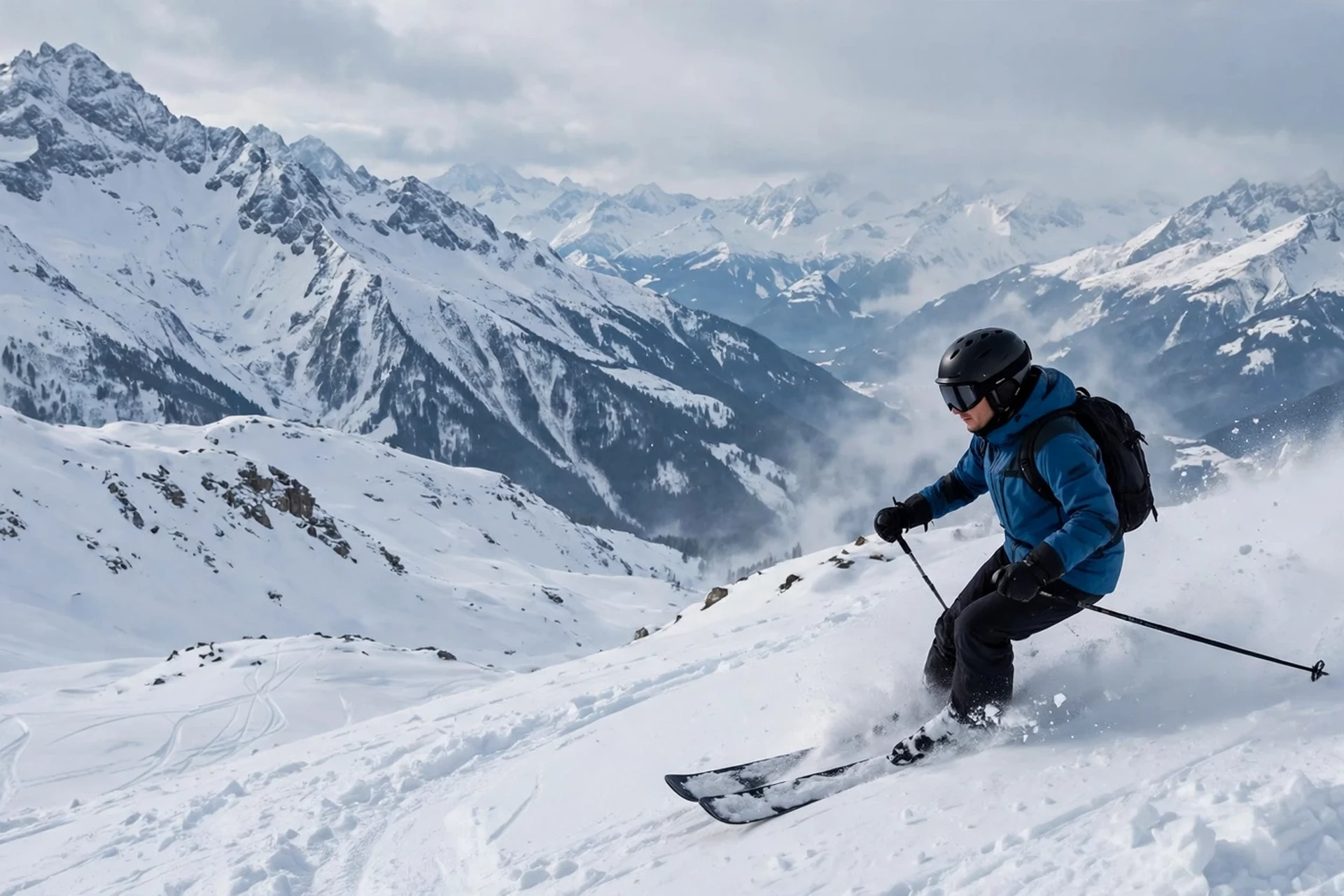
Ski or Snowboard: Does the Helmet Differ?
In general terms, ski helmets and snowboard helmets are very similar, and many helmets are sold for both sports. The main differences are small: snowboard helmets sometimes have a slightly different shape, with more coverage at the back of the head, and they may have less ventilation, since snowboarders often wear a hood or beanie under the helmet. Ski helmets may have more vents and a shape that sits well with ski goggles.
The way a rider falls can also differ. Skiers often fall forwards or sideways at speed, while snowboarders are more likely to fall backwards and hit the back of the head, which is why rear coverage matters for both. In practice, most skiers and snowboarders can use the same helmet, and the fit, comfort, and goggle compatibility matter far more than whether the box says ski or snowboard on it.
What Features Should You Look For?
The features worth looking for in a winter sports helmet start with fit adjustment, good ventilation, and a comfortable liner. A rear adjustment dial helps fine-tune the fit, vents keep the head cool on warm days and can be closed when it is cold, and a removable, washable liner makes the helmet easier to keep fresh. Ear pads that can be removed are useful for warmer days and for wearing headphones.
Other features to consider include a goggle clip or strap holder at the back, which stops goggles slipping, and a brim or shape that sits well with the goggles you own. Some helmets have built-in audio, while others are ready for aftermarket speakers. In general terms, the most useful features are the ones that help the helmet fit well and stay comfortable all day, rather than extras that add weight or cost without real benefit.
How Do Goggles and Helmets Work Together?
Goggles and helmets need to work as a pair, with no gap between the top of the goggles and the brim of the helmet. A gap there lets cold air and snow in, which is uncomfortable and can fog the goggles, so it is worth trying the helmet and goggles together before buying. The goggles should sit comfortably against the face, with the strap running over or under the helmet as the design intends.
Helmet and goggle shapes differ between brands, so a helmet from one brand may not sit neatly with goggles from another. Trying them together in a shop is the best way to check, and buying them as a matched set from the same brand can help. In general terms, a helmet and goggles that fit together well are more comfortable, warmer, and less likely to fog, which makes for a better day on the slopes.
When Should You Replace a Winter Sports Helmet?
A winter sports helmet should be replaced after a hard impact, even if it looks fine from the outside. The liner inside can compress or crack in a heavy knock, and that damage may not be visible under the shell. A helmet that has already absorbed a hard blow may not protect as well the next time, so retiring it after a serious crash is generally the sensible choice.
Age and wear matter as well. Years of sun, cold, sweat, and knocks wear down the liner, straps, and shell, and a helmet that no longer fits snugly or has cracked vents, frayed straps, or loose padding is ready for replacement. In general terms, a helmet that has been used hard for several seasons, or one that has taken a hard hit, should be replaced rather than trusted for another winter.
Do I need a helmet for skiing or snowboarding?
Yes, in general terms a helmet is essential for skiing and snowboarding. Falls on snow and ice can be hard, and a helmet reduces the force of impacts with the snow, other skiers, trees, and lift towers.
Can I use a bike helmet for winter sports?
No, a bike helmet is not a good choice for winter sports. Bike helmets are designed for road impacts and warm weather, not for cold, snow, and falls on ice, and a proper snow helmet is the right tool for the job.
Should I buy a helmet and goggles together?
It is a good idea to try them together before buying, since the fit between the two matters. A matched set from the same brand can help, but any combination that sits together with no gap will work well.

Olivia
Writer at Helmet Today, covering helmet reviews, fit and riding safety.