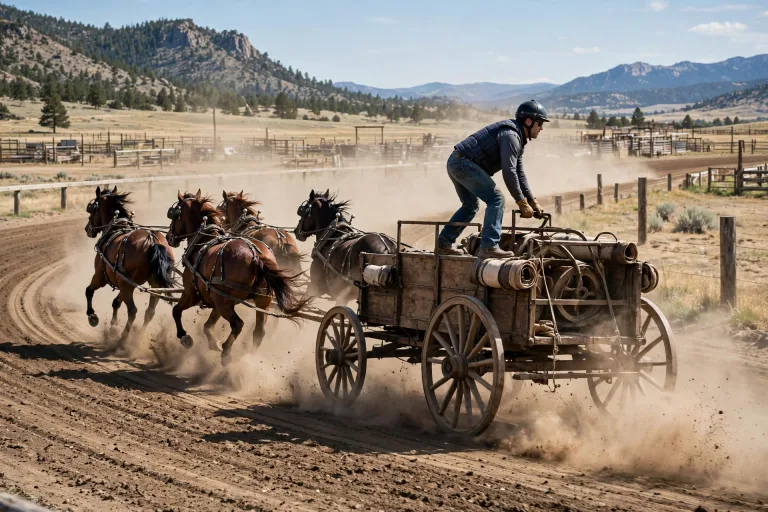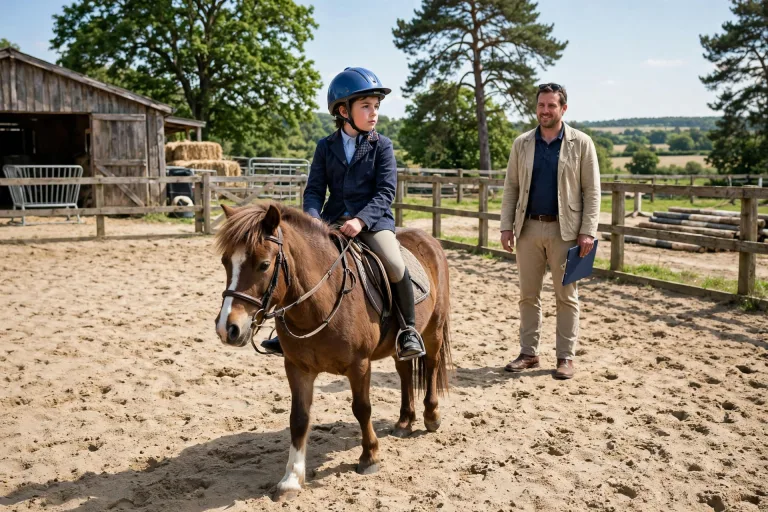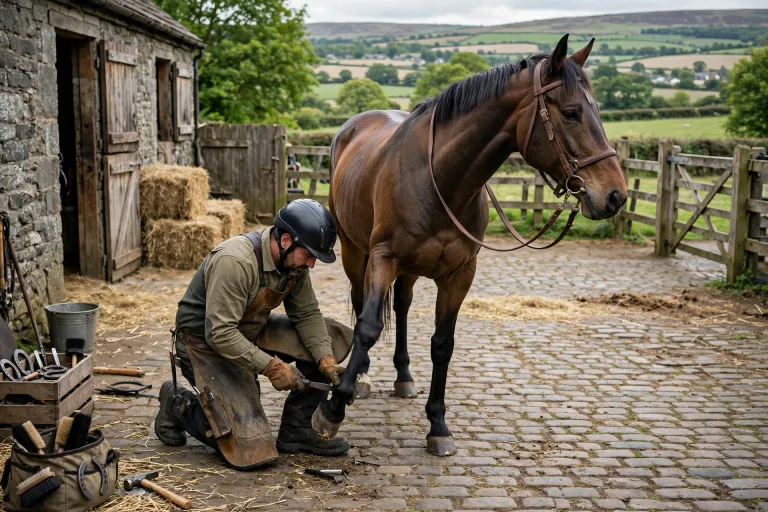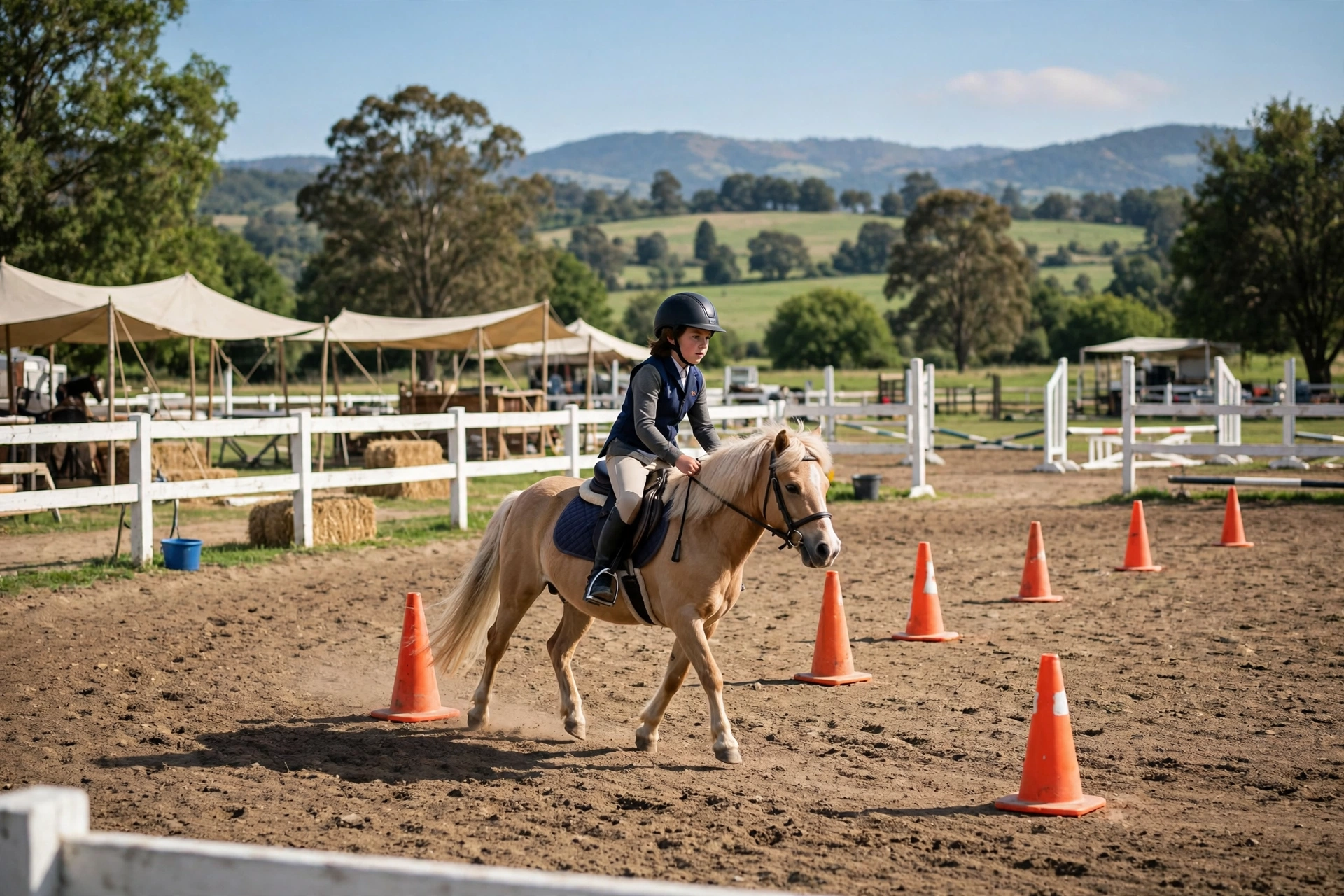
A helmet for gymkhana is a riding helmet worn by a rider taking part in gymkhana, a horseback games event with races and timed challenges around poles, cones, and barrels, and in general terms every gymkhana rider should wear one that fits well and stays in place. Gymkhana is a fast, fun event, often held at riding clubs and shows, in which riders race their ponies or horses through a course as quickly as they can. The speed, the sharp turns, and the excitement make a fall more likely, so a helmet is essential safety equipment, not an optional extra.
A gymkhana rider may be young, riding a pony that is keen and quick, and the course asks for tight turns and sudden stops. A rider can slip from the saddle, lose balance on a turn, or be unseated if the pony stops or swerves. A helmet gives the rider protection in that moment, and that is why it should be worn at every gymkhana event.
Why do gymkhana riders need a helmet?
Gymkhana riders need a helmet because the event is fast and the turns are sharp, and a fall can happen even to a skilled rider. A pony that turns quickly around a barrel or a pole can unbalance a rider, and a rider who falls onto hard ground, a fence, or a pole can hit their head with real force. In general terms, a helmet spreads the force of an impact and helps to protect the skull, and that protection matters when the rider cannot control how or where they land.
There is also the risk of being kicked or struck by a hoof, or of falling near other ponies and riders. A gymkhana arena can be busy, with riders warming up, waiting for their turn, and racing in quick succession. A helmet gives a layer of protection in that busy space, and it also protects the rider from low branches or poles if the course runs near trees or fences.
What kind of helmet is best for gymkhana?
The best helmet for gymkhana is, in general terms, a light, well-ventilated riding helmet with a hard outer shell, a secure chin strap, and a fit that works with the rider’s hair and any hat or cap worn underneath. Many riders use a riding helmet made for general horse riding or for cross-country, because those helmets are light, comfortable, and made to cope with falls from a horse. The key points are a snug fit, good ventilation, and a strap that holds the helmet in place at speed.
The helmet should meet the standard or approval expected by the club or the event organiser. Different clubs and shows may have different rules, so a rider or a parent should check those rules before buying a helmet or before turning up to compete. A helmet that meets a recognised riding standard is a sensible choice, and the rider should keep any approval label or marking easy to find in case an official asks to see it.
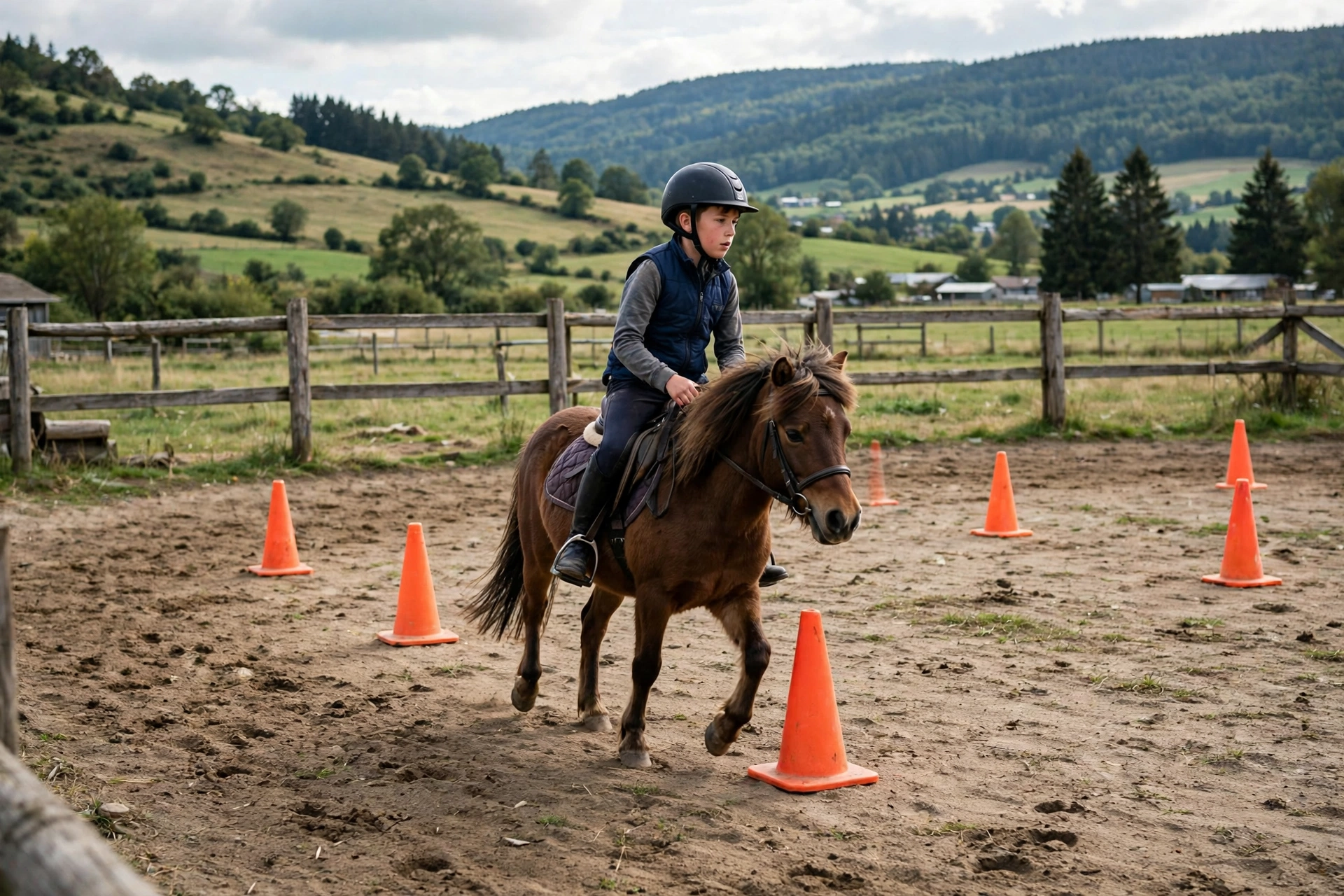
How should a gymkhana helmet fit?
A helmet for gymkhana should fit snugly, sit level on the head, and stay in place when the rider shakes their head or leans into a turn. The helmet should cover the forehead and the top of the head, and the chin strap should be fastened securely every time the rider is on the pony. A strap that is left loose lets the helmet lift in the wind or slide in a fall, and a helmet that comes off at speed is no help at all.
The fit should be checked with the rider’s hair tied back in the way it will be worn for the event, because a ponytail or a plait can change how a helmet sits. The rider should be able to see clearly to the sides as well as straight ahead, because gymkhana needs good awareness of poles, cones, and other riders. The helmet should not press on the rider’s ears so hard that it blocks the sound of instructions, the starter, or the pony’s movement.
What should a rider check before a gymkhana event?
Before a gymkhana event, a rider should check the helmet for cracks, dents, or damage to the shell, and should look at the lining, the peak, the strap, and the buckle to make sure they are sound and working. A helmet that has been dropped onto hard ground, or that has taken a knock in a fall, should be looked at with care, and in general terms a helmet that has taken a serious impact should be replaced rather than used again. The damage may not be easy to see, so the rider should think honestly about what the helmet has been through.
The rider should also check the pony, the tack, and the course before starting. A helmet is only one part of staying safe at gymkhana, and it works best when the rider also checks that the saddle and bridle are secure, that the pony is fit and calm, and that the course is clear. The rider should also listen to the briefing from the organisers, because the course, the order of events, and the rules can change from meeting to meeting.
How should a gymkhana helmet be looked after?
A gymkhana helmet should be looked after with regular cleaning and sensible storage, in the same way as any riding helmet. After an event, the rider should brush off dust and dirt, wipe the shell clean, and let the helmet dry naturally away from direct heat. Strong heat, such as a hot car, can harm the materials in a helmet over time, so a cool, dry place is a better choice for storage.
The helmet should be kept where it will not be knocked about or used as a seat or a shelf, because a hard knock can damage it even when no crack is visible. A helmet bag is a simple way to protect it between events, and the lining can be wiped or washed if the maker allows it, because sweat and dust build up over a season of riding. A helmet that is stored in a damp stable or tack room should be aired regularly so it does not develop a smell or mould.
Riders who are choosing a new helmet may also want to learn about features that can help in a fall, including a system designed to reduce rotational forces, such as MIPS, which is found in some helmets made for horse riding and other high-impact activities. A well-kept helmet, worn every time the rider is in the saddle, gives a gymkhana rider the best chance of enjoying a fast day of games in safety.
Do all gymkhana riders have to wear a helmet?
In general terms, yes, a helmet is expected at organised gymkhana events, and the rules of the club or show will say what type is needed. A rider who is unsure should check with the organiser before the event.
Can a bike helmet be used for gymkhana?
In general terms, a bike helmet is not the best choice for gymkhana, because it is made for a different kind of fall. A helmet made for horse riding, with the right approval for riding, is the safer choice.
When should a gymkhana helmet be replaced?
A gymkhana helmet should be replaced after a hard impact or a fall, or when it no longer fits well, shows damage, or has been worn for a long time. When in doubt, replace it rather than keep riding in it.

Olivia
Writer at Helmet Today, covering helmet reviews, fit and riding safety.