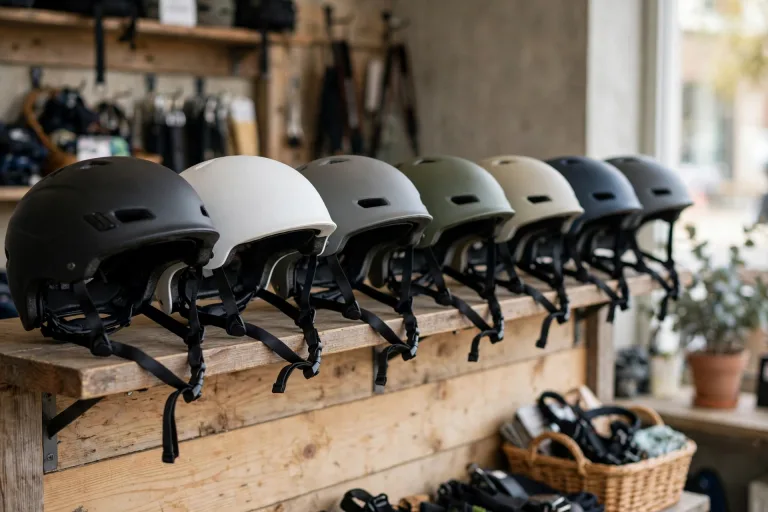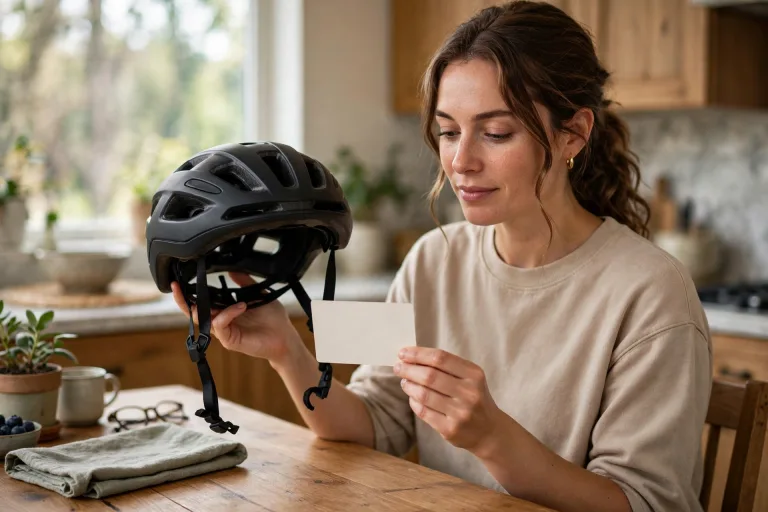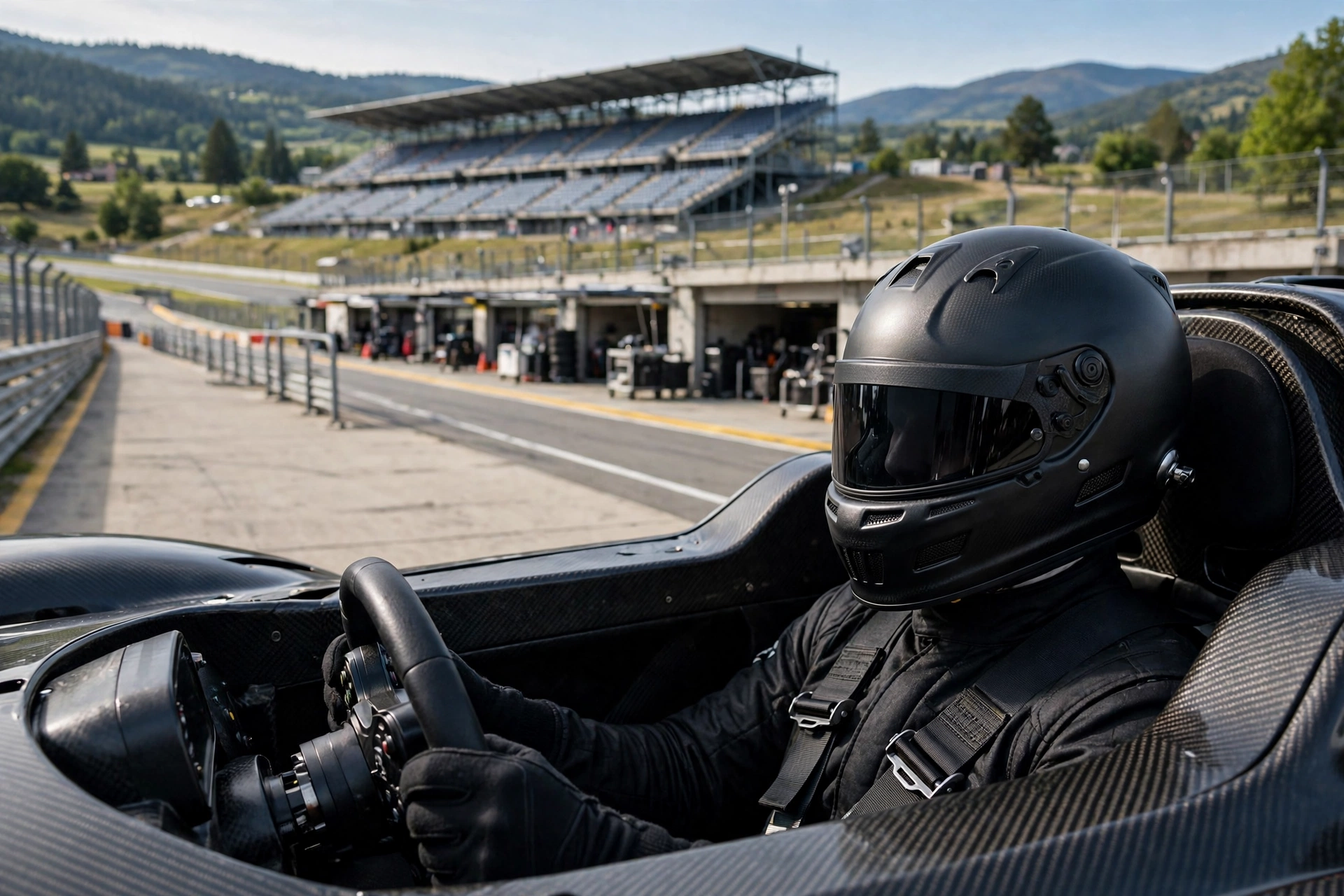
In general terms, you do not need a helmet to drive a car on a normal road, and most drivers drive without one every day. A car already gives the driver protection through its body, seat belt, airbags, and crumple zones, and a helmet is not part of everyday driving kit. There are, however, some situations in which a helmet is used in a car, such as on a race track, and those are worth understanding so the everyday rule is clear.
The question comes up because helmets are linked in many people’s minds with road safety, and because motorcyclists must wear one. A car is different from a motorcycle, because the driver sits inside a protective shell rather than on top of a vehicle. That difference is why the answer for normal driving is no, while the answer for some kinds of motorsport driving is yes.
Do you need a helmet to drive a car on the road?
In general terms, no, you do not need a helmet to drive a car on a normal road. A driver is protected by the car itself, and by the seat belt and airbags, which are designed to work together in a crash. A helmet could even make everyday driving harder, because it can limit the driver’s view to the sides, muffle the sound of traffic, and make it harder to hear a passenger, a horn, or a warning.
There may be local rules that say otherwise in a particular place or for a particular kind of vehicle, so a driver who is unsure should check the rules that apply where they are driving. In general terms, though, a driving licence, a seat belt, and a roadworthy car are the normal requirements, not a helmet. A driver should focus on the basics of safe driving, such as wearing the seat belt, keeping a safe distance, and staying alert, rather than on wearing a helmet.
When is a helmet used in a car?
A helmet is used in a car in motorsport, such as on a race track, in a rally, or in a kart, where the speeds are higher, the risks are different, and the rules of the event require it. A racing driver may hit a barrier, roll the car, or be struck by debris, and a helmet is part of the safety kit for that kind of driving. Track days, racing schools, and organised motorsport events will usually say in their rules what type of helmet is needed.
A helmet may also be used in a car for a driving test or a lesson on a track, or when a passenger is taken for a fast lap. In those cases, the organiser will usually provide a helmet or will say what kind to bring. A driver who is going to a track day for the first time should check with the organiser in advance, rather than turning up and hoping a helmet will be available.
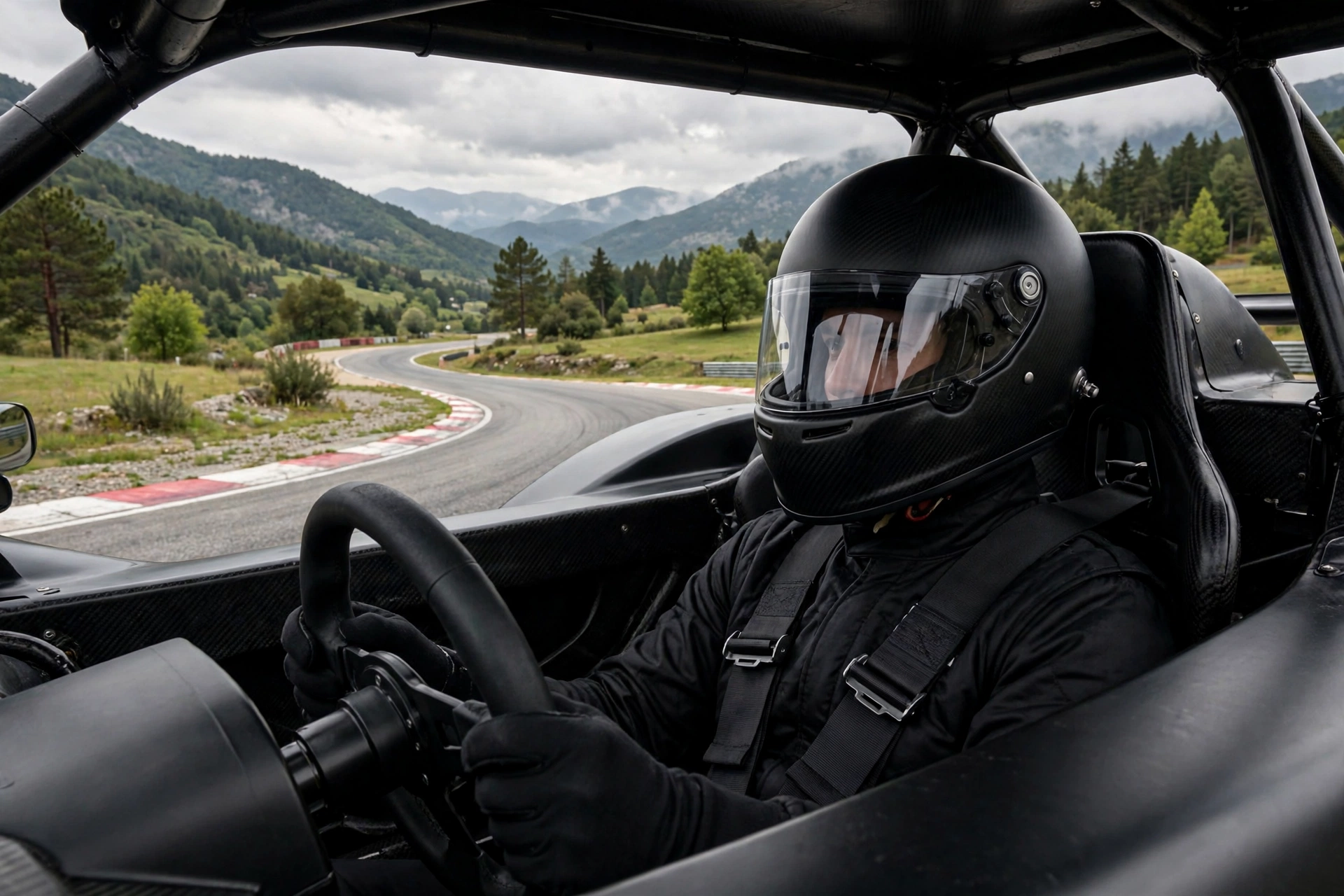
What kind of helmet is used for motorsport driving?
The best helmet for motorsport driving is, in general terms, a full-face helmet made for car racing, with a hard outer shell, a secure chin strap, and a visor that gives a clear view of the track. A full-face helmet protects the chin and the jaw as well as the top and sides of the head, and that matters in a sport where a driver can be hit from any direction. The helmet should meet the standard or approval expected by the event organiser or the racing club.
The helmet should also work with the rest of the driver’s kit, such as a balaclava, a race suit, gloves, and a harness. A helmet that is too heavy or too hot will become tiring on a long session, and a tired driver is less alert. Good ventilation, a comfortable lining, and a visor that can be cleaned quickly between sessions are all useful features for track driving.
How should a driving helmet fit?
A helmet for driving should fit snugly, sit level on the head, and stay in place when the driver shakes their head or leans into a turn. The helmet should cover the forehead and the top of the head, and the chin strap should be fastened securely every time the driver is in the car. A strap that is left loose lets the helmet lift or slide in a crash, and a helmet that comes off in an impact is no help at all.
The fit should be checked with the balaclava the driver will actually wear, because extra layers can change how a helmet sits. The driver should be able to see clearly to the sides as well as straight ahead, because driving on a track needs good awareness of other cars alongside and behind. The visor should close fully and open easily, and the helmet should not press on the driver’s ears so hard that it blocks the sound of other cars or the instructions from officials.
What should you check before driving with a helmet?
Before driving with a helmet, a driver should check the helmet for cracks, dents, or damage to the shell, and should look at the lining, the visor, the strap, and the buckle to make sure they are sound and working. A helmet that has been dropped onto a hard surface, or that has taken a knock in a crash, should be looked at with care, and in general terms a helmet that has taken a serious impact should be replaced rather than used again. The damage may not be easy to see, so the driver should think honestly about what the helmet has been through.
The driver should also check the visor for scratches or dirt that could blur the view, and should clean it with a soft cloth before going out. A scratched visor can catch the light and make it hard to judge distance, especially in low sun or under floodlights. The driver should also check the car, including the seat belt or harness, the seat, and the mirrors, because a helmet is only one part of staying safe on a track.
Drivers who are choosing a helmet for track use may also want to learn about features that can help in a crash, including a system designed to reduce rotational forces, such as MIPS, which is found in some helmets made for motorsport and other high-impact activities. A well-kept helmet, worn every time the driver is on the track, gives a driver the best chance of enjoying a day of motorsport in safety, while normal road driving needs no helmet at all.
Is it illegal to drive a car without a helmet?
In general terms, no, it is not expected for normal road driving, and a helmet is not part of the usual rules for car drivers. A driver who is unsure about a particular place should check the local rules before driving.
Should a passenger wear a helmet in a car?
In general terms, no, a passenger in a normal car on a normal road does not need a helmet. On a race track, in general terms, both the driver and the passenger may be asked to wear one by the event organiser.
When should a driving helmet be replaced?
A driving helmet should be replaced after a hard impact or a crash, or when it no longer fits well, shows damage, or has been worn for a long time. When in doubt, replace it rather than keep driving in it.

Olivia
Writer at Helmet Today, covering helmet reviews, fit and riding safety.