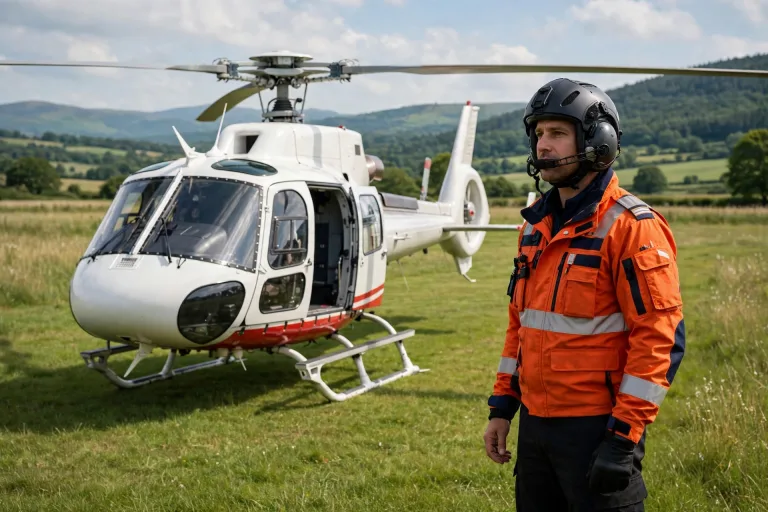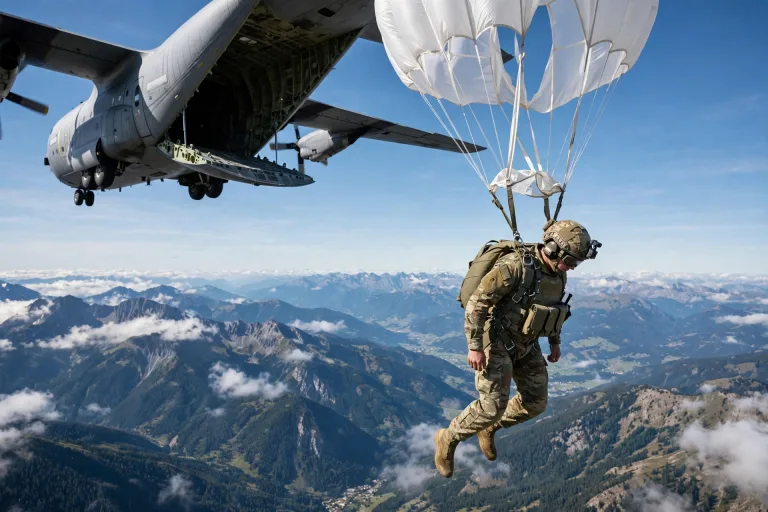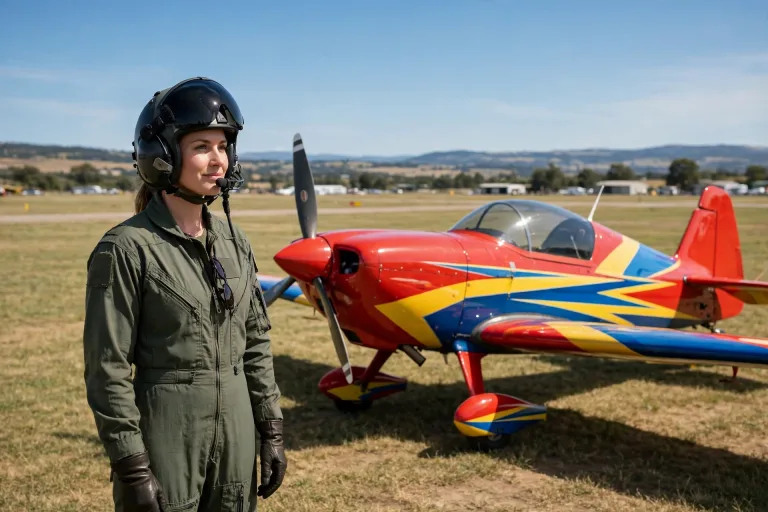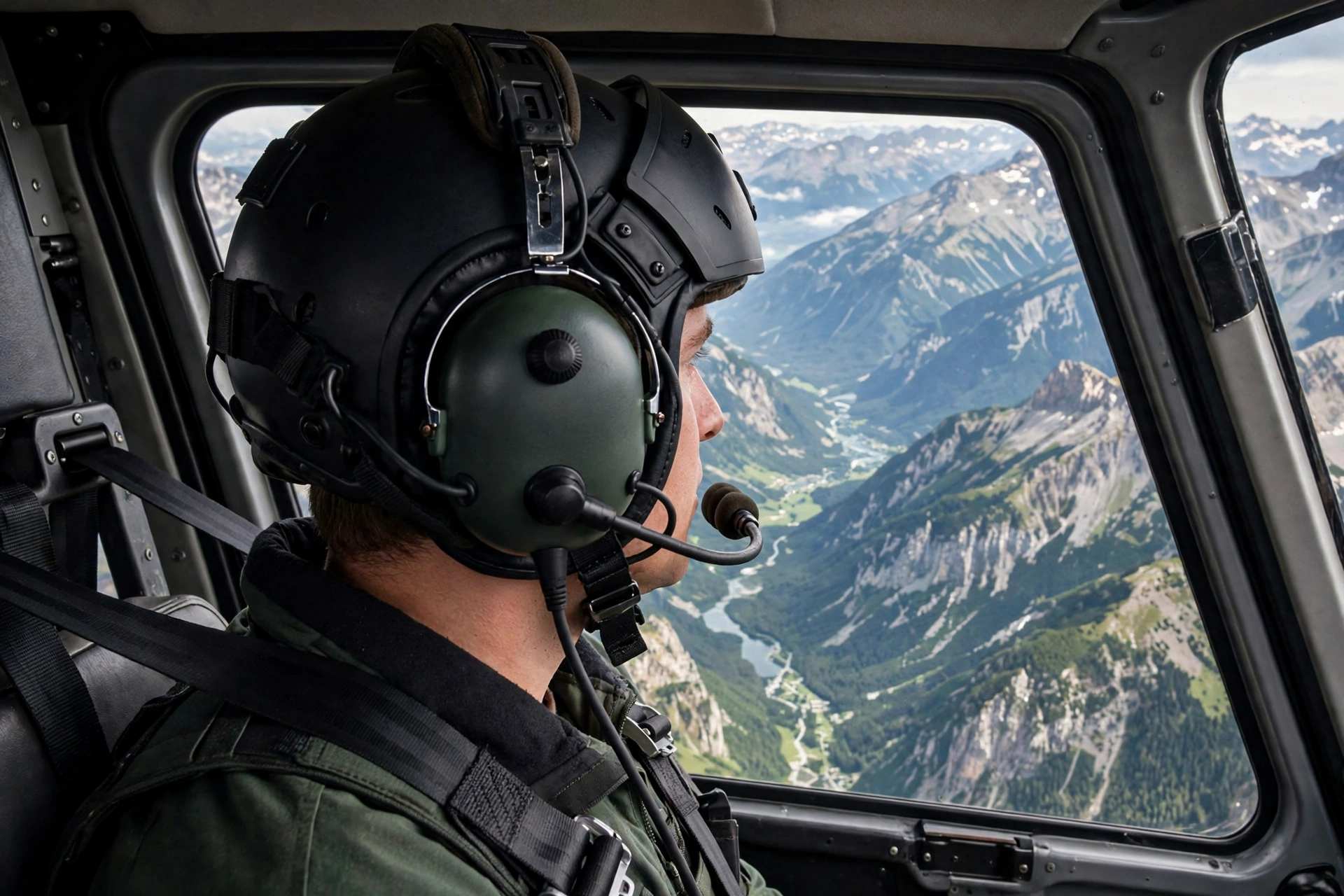
A helmet for helicopter passengers is a protective helmet worn by a passenger in a helicopter, and in general terms it is a good idea for anyone riding in an open or noisy helicopter cabin, especially on scenic, survey, or utility flights where the head is close to hard surfaces and moving parts. A helicopter cabin is a small, busy space with metal frames, door edges, and equipment close to the head, and a sudden movement, a hard landing, or turbulence can throw a passenger against those surfaces. A helmet gives the passenger a layer of protection that a seat belt alone cannot provide.
Helicopters are used for sightseeing, transport to remote places, filming, and work in the air, and passengers are often new to flying in one. The cabin can be loud, the view can be distracting, and the aircraft moves in ways that feel unfamiliar. A helmet that fits well helps the passenger to stay comfortable and protected, and it also makes it easier to hear the pilot through a headset.
Why do helicopter passengers need a helmet?
Helicopter passengers need a helmet because the cabin is full of hard edges and the aircraft can move suddenly. Turbulence, a sharp turn, or a firm landing can push a passenger sideways or forward, and the head can strike a door frame, a window edge, or a piece of equipment. In general terms, a helmet spreads the force of such a knock and helps to protect the skull, and that protection matters most for passengers who are not used to bracing themselves in flight.
There is also the risk of something loose in the cabin, such as a bag or a camera, moving in turbulence and striking a passenger. A helmet helps in that case too. On flights where the doors are removed for filming or sightseeing, there is wind, dust, and debris to think about, and a helmet with a visor or with goggles helps the passenger to keep their eyes clear. Many operators provide helmets for exactly these reasons, and a passenger who is offered one should wear it.
What kind of helmet is best for helicopter passengers?
The best helmet for helicopter passengers is, in general terms, a light helmet with a hard outer shell, a secure chin strap, and room for a headset or built-in communications. Many passengers wear a helmet made for flying or for a similar activity, because those helmets are light, comfortable, and made to work with a headset and a microphone. The key points are a snug fit, good hearing, and a strap that holds the helmet in place for the whole flight.
The helmet should also be comfortable for the length of the flight. A helmet that is too heavy or too tight becomes a distraction, and a passenger who is uncomfortable is less likely to enjoy the flight or to listen to the pilot. Ventilation helps on a warm day, and a visor or a pair of goggles helps with sun and wind. The passenger should ask the operator what helmet is provided and whether they should bring their own, because different operators have different rules and equipment.
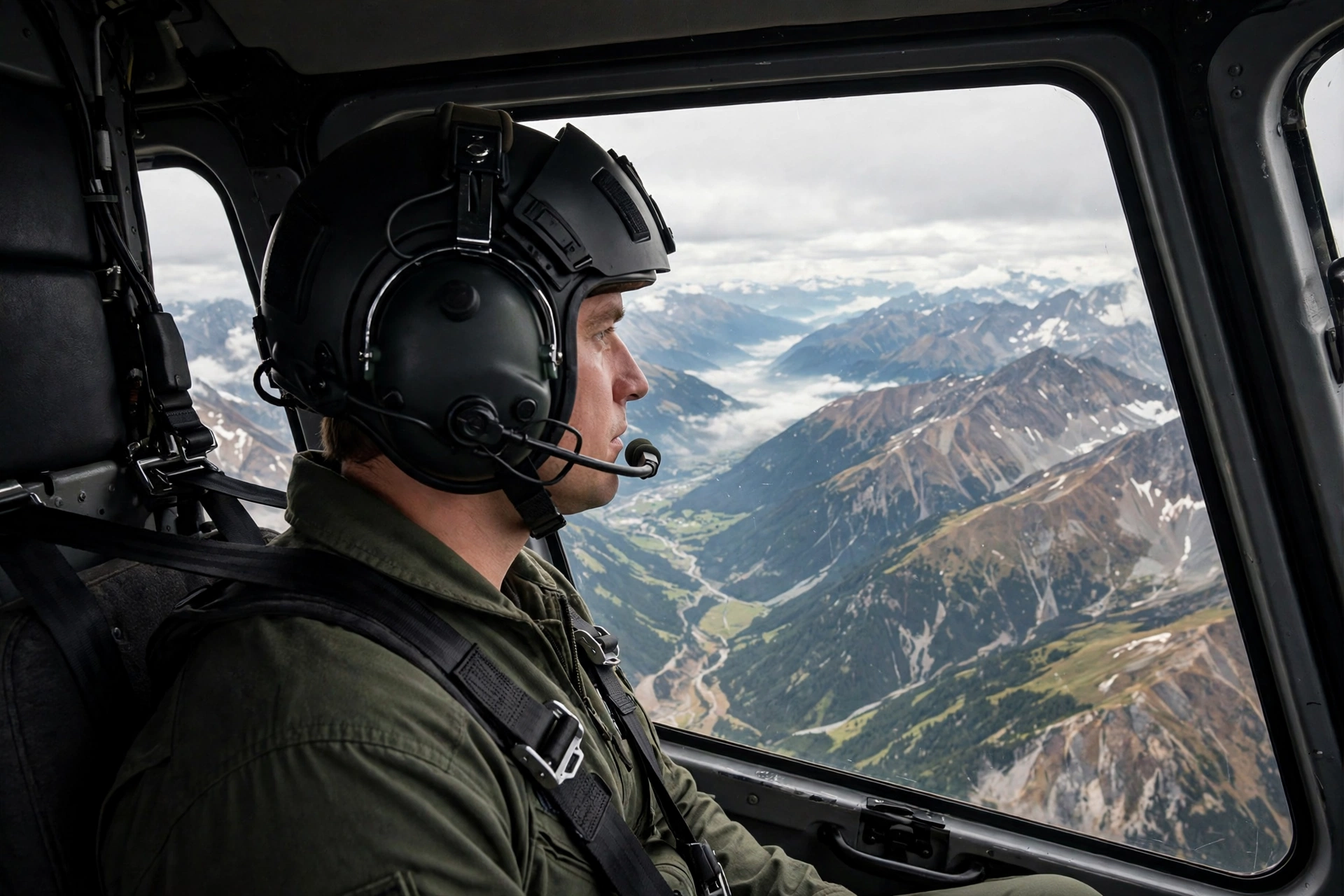
How should a helmet for helicopter passengers fit?
A helmet for helicopter passengers should fit snugly, sit level on the head, and stay in place when the passenger moves their head or leans to look out of the window. The helmet should cover the forehead and the top of the head, and the chin strap should be fastened securely before take-off. A strap that is left loose lets the helmet lift in the wind from an open door or slide in a sudden movement, and a helmet that comes off in flight is no help at all.
The fit should be checked with the headset the passenger will actually wear, because a headset changes how a helmet sits. The ear cups should sit neatly against the ears without pressing painfully, and the microphone should sit close to the mouth without pushing the helmet out of place. The passenger should also check that they can hear the pilot clearly and that the helmet does not block their view. If the helmet feels wrong, the passenger should ask the crew for help or for a different size.
What should a helicopter passenger check before take-off?
Before take-off, a helicopter passenger should check the helmet for cracks, dents, or damage to the shell, and should look at the lining, the strap, and the buckle to make sure they are sound and working. A helmet that has been dropped or knocked hard should be looked at with care, and in general terms a helmet that has taken a serious impact should be replaced rather than used again. The damage may not be easy to see, so the passenger should tell the crew about any knock they know of.
The passenger should also listen carefully to the safety briefing, including how to fasten the seat belt, where the exits are, and what to do in an emergency. A helmet is only one part of staying safe in a helicopter, and it works best when the passenger also follows the crew’s instructions, keeps loose items secured, and stays seated with the belt fastened for the whole flight. Asking a question before take-off is always better than guessing in the air.
How should a helicopter passenger helmet be looked after?
A helicopter passenger helmet should be looked after with regular cleaning and sensible storage, in the same way as any flying helmet. After a flight, the passenger or the operator should wipe the shell clean, air out the lining, and let the helmet dry naturally away from direct heat. Strong heat, such as a hot car, can harm the materials in a helmet over time, so a cool, dry place is a better choice for storage. The headset and microphone should be wiped clean too.
The helmet should be kept where it will not be knocked about or used as a seat or a shelf, because a hard knock can damage it even when no crack is visible. A helmet bag is a simple way to protect it between flights. Passengers who are choosing a helmet of their own may also want to learn about features that can help in a fall, including a system designed to reduce rotational forces, such as MIPS, which is found in some helmets made for flying and other activities. A well-kept helmet, worn every flight, gives a helicopter passenger the best chance of a safe and comfortable trip.
Do all helicopter passengers need to wear a helmet?
Not always, because the rules depend on the operator, the aircraft, and the type of flight. In general terms, a helmet is expected on open-door, scenic, and utility flights, and a passenger should wear one whenever the operator provides it or asks them to.
Can a passenger use their own helmet in a helicopter?
Yes, in general terms a passenger can often use their own helmet if it fits well, is in good condition, and works with the aircraft headset. The passenger should check with the operator first, because some operators only allow their own helmets.
When should a helicopter passenger helmet be replaced?
A helicopter passenger helmet should be replaced after a hard impact, or when it no longer fits well, shows damage, or has been worn for a long time. When in doubt, replace it rather than keep flying in it.

Olivia
Writer at Helmet Today, covering helmet reviews, fit and riding safety.