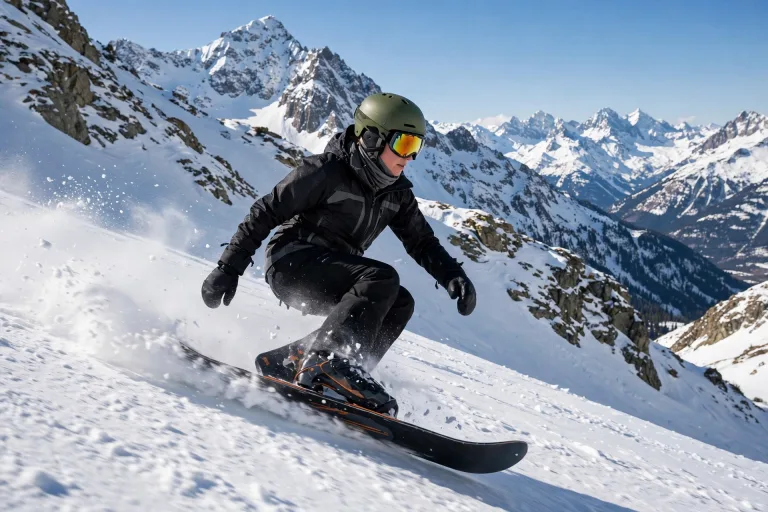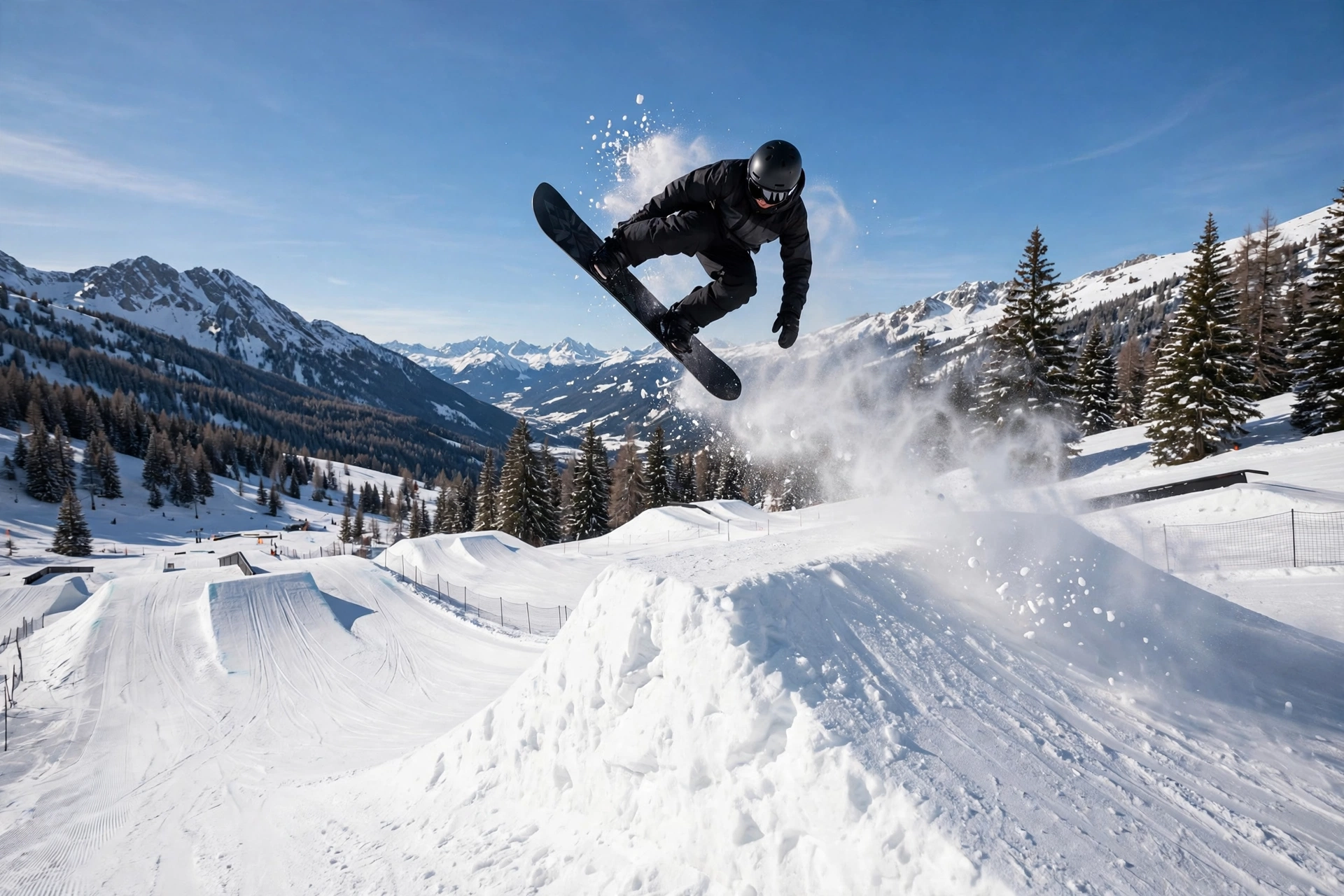
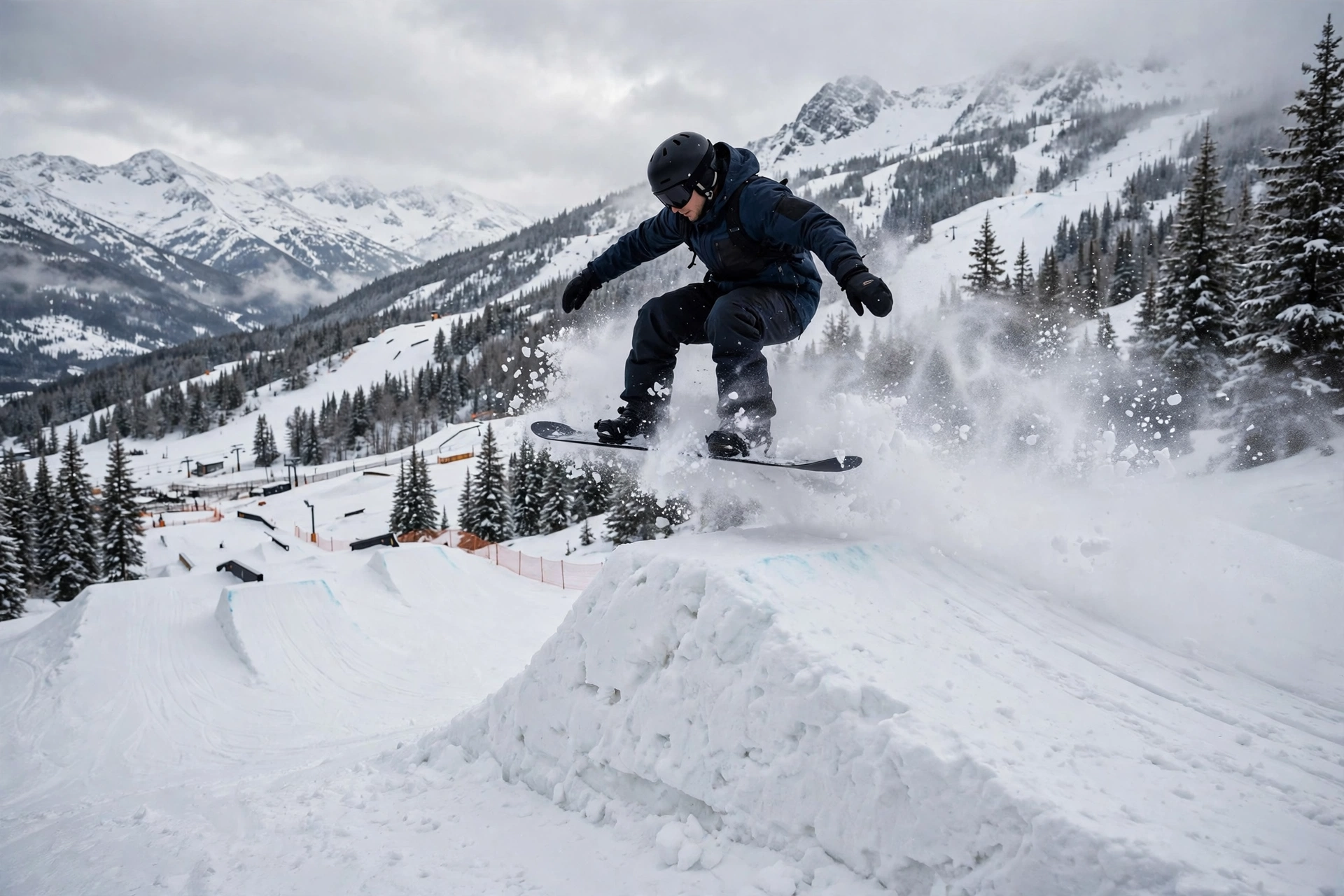
A helmet for slopestyle snowboarders is a snow helmet worn by a rider who hits jumps, rails, and boxes in a terrain park, and in general terms it should be a certified snow sports helmet that fits snugly, stays in place in the air, and works with goggles. Slopestyle is a freestyle snowboarding discipline in which riders link jumps and rail features in one run, and falls can happen on hard landings, icy take-offs, and metal rails. A helmet made for snow sports gives the rider protection in those moments, and it is treated as essential equipment in the park.
Slopestyle riding is different from gentle cruising on a groomed slope. The rider leaves the ground, spins, and lands on a slope that may be firm and fast, and a mistake can send the rider onto the snow, a rail, or the edge of a jump.
Why do slopestyle snowboarders need a helmet?
Slopestyle snowboarders need a helmet because the features they ride carry a real risk of a hard fall. A jump landing can be firm and unforgiving, especially in the morning when the snow is still icy, and a rider who comes up short or over-rotates can hit the snow with real force. Rails and boxes add another risk, because a slip can send a rider onto metal or onto the hard snow beside the feature. In general terms, a helmet is the simplest way to reduce the risk of a head injury in those falls.
There is also the risk of a collision with another rider or with a feature itself. A busy terrain park has riders moving in different directions, and a rider who lands blind after a spin may not see someone below. A helmet does not prevent a collision, but it gives the head a layer of protection if one happens.
What kind of helmet is best for slopestyle snowboarders?
The best helmet for slopestyle snowboarders is, in general terms, a light snow sports helmet with a hard shell, good ventilation, and a fit that works with goggles. Many riders choose a helmet with a low profile and a brim that sits neatly above the goggles, because a bulky helmet can feel awkward in the air and can catch the wind on a spin. The helmet should be made for snow sports rather than for another activity, because snow helmets are built to cope with cold, moisture, and the kind of impacts that happen on snow.
Ventilation matters in the park, because a rider works hard hiking back to a feature and riding lap after lap. Vents that can be opened and closed let the rider cool down on a warm day and stay warm on a cold one. Ear pads that cover the ears help with warmth and with hearing, and a lining that can be removed and washed is useful after a long day of riding. A helmet with a secure chin strap is essential, because a strap that comes loose in the air is no help at all.
How should a helmet for slopestyle fit?
A helmet for slopestyle should fit snugly, sit level on the head, and stay in place when the rider shakes their head or leans into a turn. The helmet should cover the forehead and the top of the head, and there should be no large gap between the top of the goggles and the front of the helmet. That gap, often called goggle gap, lets cold air and snow in, and it leaves part of the forehead unprotected. A snug fit with goggles on is the test that matters most.
The fit should be checked with the exact goggles the rider will wear in the park, because goggles change how a helmet sits. The rider should fasten the chin strap and try to move the helmet from side to side and front to back; it should move the skin of the forehead slightly rather than sliding freely over the head. If the helmet wobbles, it is too loose, and if it presses painfully in one spot, it is the wrong shape. A good fit feels firm and even all the way around.
What should a slopestyle rider check before a run?
Before a run, a slopestyle rider should check the helmet for cracks, dents, or damage to the shell, and should look at the lining, the vents, and the chin strap to make sure they are sound and working. A helmet that has taken a hard knock in a fall should be looked at with care, and in general terms a helmet that has taken a serious impact should be replaced rather than used again. The damage may not be easy to see, so the rider should think honestly about what the helmet has been through.
The rider should also check the features before dropping in. A quick look at the take-off, the landing, and the run-out helps the rider to judge speed and to spot ice, ruts, or other riders below. A helmet is only one part of staying safe in the park, and it works best when the rider also rides within their ability, waits for a clear run, and builds up to bigger features step by step rather than trying everything at once.
How should a slopestyle helmet be looked after?
A slopestyle helmet should be looked after with regular cleaning and sensible storage, in the same way as any snow sports helmet. After a day in the park, the rider should shake out the snow, wipe the shell dry, and let the helmet dry naturally away from direct heat. Strong heat, such as a radiator or a hot car, can harm the materials in a helmet over time, so a cool, dry place is a better choice for storage. The lining should be aired out so that it does not hold moisture or smell.
The helmet should be kept where it will not be knocked about or sat on, because a hard knock can damage it even when no crack is visible. A helmet bag is a simple way to protect it between sessions and on the journey to the mountain. Riders who are choosing a new helmet may also want to learn about features that can help in a fall, including a system designed to reduce rotational forces, such as MIPS, which is found in some snow helmets. A well-kept helmet, worn every run, gives a slopestyle snowboarder the best chance of enjoying the park in safety.
Can a regular ski helmet be used for slopestyle snowboarding?
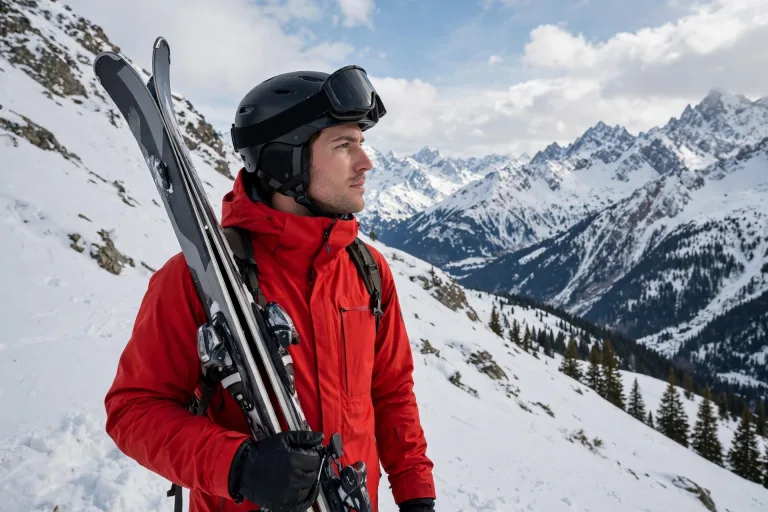
Yes, in general terms a ski helmet that fits well and is in good condition is often suitable for slopestyle snowboarding, because ski and snowboard helmets are built to the same kind of snow sports needs. The key points are fit, goggle compatibility, and a secure chin strap.
Do slopestyle snowboarders need a full-face helmet?
No, in general terms most slopestyle snowboarders wear an open-face snow helmet, because it gives a wide field of vision and good hearing. A full-face helmet is more common in racing and in some downhill disciplines than in the terrain park.
When should a slopestyle helmet be replaced?
A slopestyle helmet should be replaced after a hard impact or a fall, or when it no longer fits well, shows damage, or has been worn for a long time. When in doubt, replace it rather than keep riding in it.

Olivia
Writer at Helmet Today, covering helmet reviews, fit and riding safety.