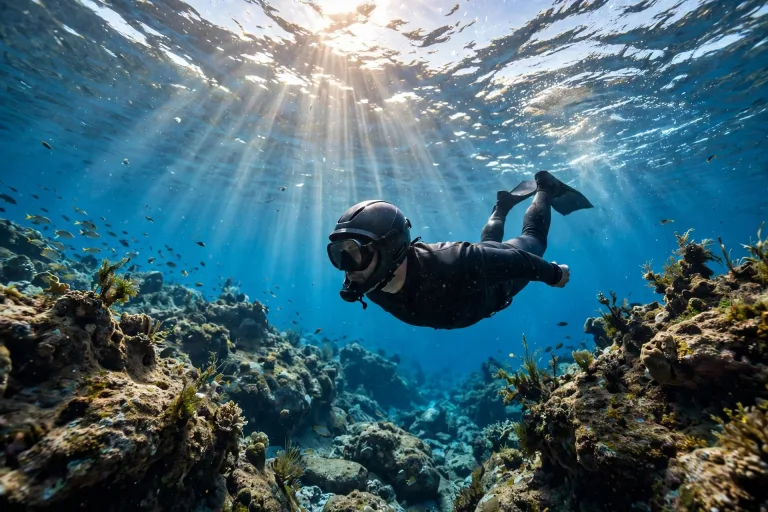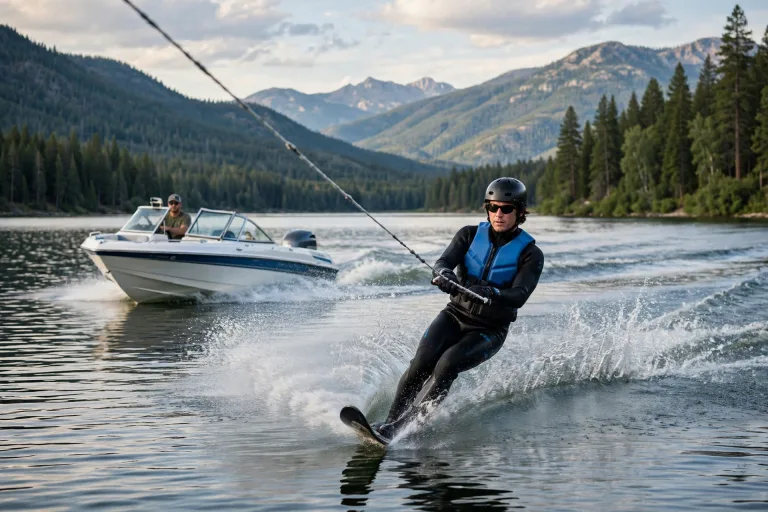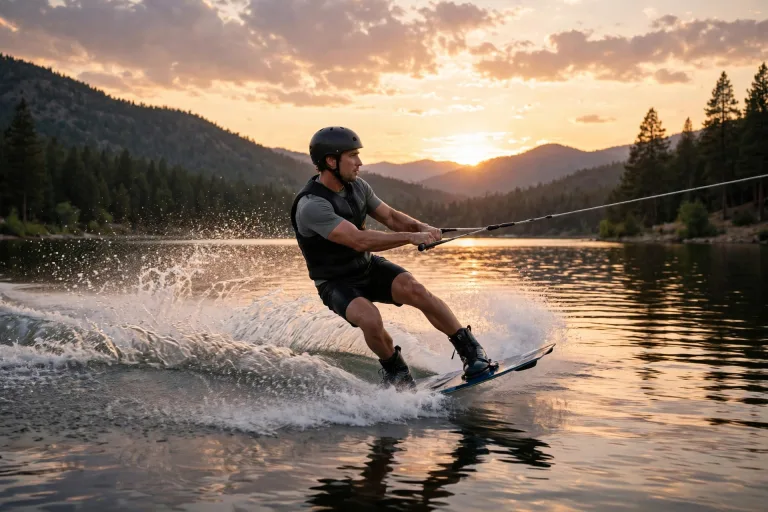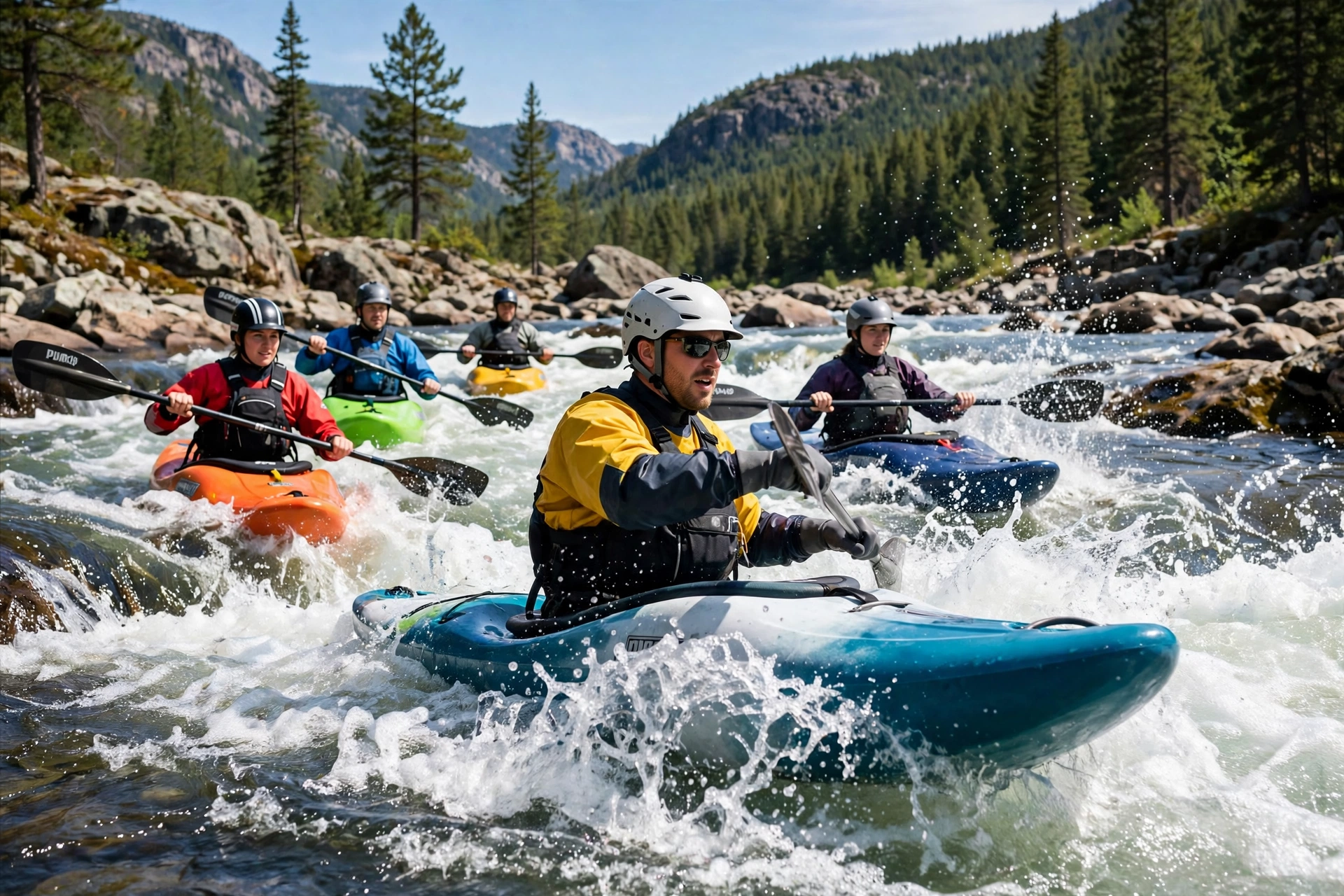
A helmet for kayak instructors is a helmet worn by a person teaching kayaking, to protect the head from rocks, the kayak itself, and knocks during rescues, and in general terms every kayak instructor should wear one that fits well and stays in place in moving water. Kayak instructors spend their days on rivers, lakes, and the sea, guiding groups, demonstrating skills, and carrying out rescues when a paddler capsizes. The water can be fast and rocky, and a fall onto a rock or a knock from a boat can be a hard one, so a helmet is treated as essential safety equipment.
An instructor is often in the water more than the students, because rescues mean swimming to a capsized paddler, holding a boat in a current, or wading through shallow rocky sections. The instructor’s head is close to rocks, to the hulls of kayaks, and to the paddles of the group. A helmet gives the instructor protection in those moments, and it also sets a good example for the students.
Why do kayak instructors need a helmet?
Kayak instructors need a helmet because moving water is unpredictable, and a slip on a wet rock or a capsize in a rapid can happen without warning. A riverbed that looks smooth can hide sharp rocks just below the surface, and a paddler thrown from a kayak in a rapid can hit them with real force. In general terms, a helmet spreads the force of an impact and helps to protect the skull, and that protection matters all the more when the instructor cannot control how or where they land.
There is also the risk of being struck by a kayak, a paddle, or a rock during a rescue. A capsized kayak in a current can swing round suddenly, and a paddle held by a nervous student can catch the instructor on the head. A helmet gives a layer of protection against those knocks too. Cold water is another reason: a helmet helps to keep the head a little warmer, and a warm head helps the instructor to think clearly during a long day on the river.
What kind of helmet is best for kayak instructors?
The best helmet for kayak instructors is, in general terms, a light, well-ventilated whitewater helmet with a hard outer shell, a secure chin strap, and a fit that works with a spray skirt and a buoyancy aid. Many instructors use a helmet made for whitewater kayaking, because those helmets are light, drain well, and are made to cope with constant water. The key points are a snug fit, good drainage, and a strap that holds the helmet in place in a capsize.
The helmet should also cope with constant wetting and drying. A helmet used on the river will be soaked many times a day, so it should be easy to rinse clean and to dry out. Vents that let water drain out are useful, and a lining that can be removed and washed is a practical feature. Instructors should also check the rules of their centre or qualification body before buying, because some ask for a helmet that meets a particular safety standard, and a helmet that meets the standard is the safest choice.
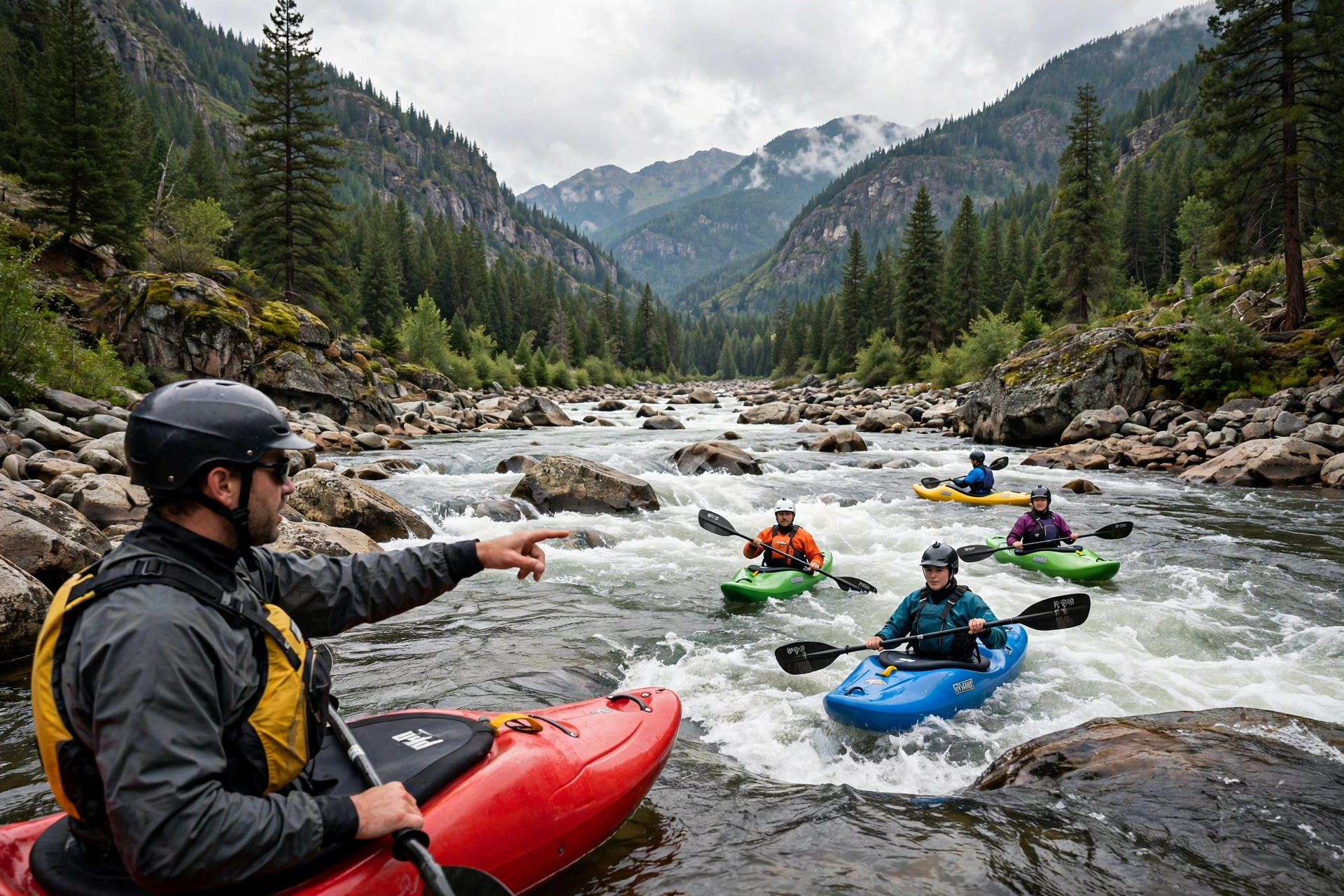
How should a helmet for kayak instructors fit?
A helmet for kayak instructors should fit snugly, sit level on the head, and stay in place when the instructor shakes their head or rolls in the water. The helmet should cover the forehead and the top of the head, and the chin strap should be fastened securely every time the instructor is on the water. A strap that is left loose lets the helmet lift in a rapid or slide in a fall, and a helmet that comes off in moving water is no help at all.
The fit should be checked with the spray skirt and buoyancy aid the instructor will actually wear, because a buoyancy aid can change how a helmet sits. The helmet should not press on the ears or block hearing, because an instructor needs to hear the group, other instructors, and any warnings from the riverbank. The instructor should also check that the helmet stays put during a practice roll, because a helmet that shifts in a roll will be a distraction when it matters most.
What should an instructor check before a session?
Before a session, an instructor should check the helmet for cracks, dents, or damage to the shell, and should look at the lining, the strap, and the buckle to make sure they are sound and working. A helmet that has been in a capsize against rocks should be looked at with care, and in general terms a helmet that has taken a serious impact should be replaced rather than used again. The damage may not be easy to see, so the instructor should think honestly about what the helmet has been through.
The instructor should also check the river, the weather, and the condition of the group’s kit before setting off. A helmet is only one part of staying safe on the water, and it works best when the instructor also checks that the river level is safe, that the group is properly briefed, and that rescue kit is ready. Paddling with other instructors nearby, rather than alone on a remote river, is a sensible habit too.
How should a kayak instructor’s helmet be looked after?
A kayak instructor’s helmet should be looked after with regular cleaning and sensible storage, in the same way as any water sports helmet. After a day on the river, the instructor should rinse the helmet with fresh water, shake out the sand and grit, and let it dry naturally away from direct heat. Strong heat, such as a hot car, can harm the materials in a helmet over time, so a cool, dry place is a better choice for storage.
The helmet should be kept where it will not be knocked about or dropped onto rocks, because a hard knock can damage it even when no crack is visible. A helmet bag is a simple way to protect it between sessions. Instructors who are choosing a new helmet may also want to learn about features that can help in a fall, such as MIPS, a system designed to reduce rotational forces, which is found in some modern water sports helmets. A well-kept helmet, worn every time, gives a kayak instructor the best chance of enjoying a safe day on the water.
Do all kayak instructors wear a helmet?
Yes, in general terms a helmet is expected for kayak instructors, and centres and qualification bodies ask for one on moving water. An instructor who is unsure should check the rules for their centre before the session.
Can a bike helmet be used for kayaking?
No, in general terms a bike helmet is not the right choice for kayaking. A whitewater helmet drains water, fits low on the head, and is made for impacts with rocks, so a proper water sports helmet should be worn.
When should a kayak instructor’s helmet be replaced?
A kayak instructor’s helmet should be replaced after a hard impact against rocks, or when it no longer fits well, shows damage, or has been worn for a long time. When in doubt, replace it rather than keep paddling in it.

Olivia
Writer at Helmet Today, covering helmet reviews, fit and riding safety.