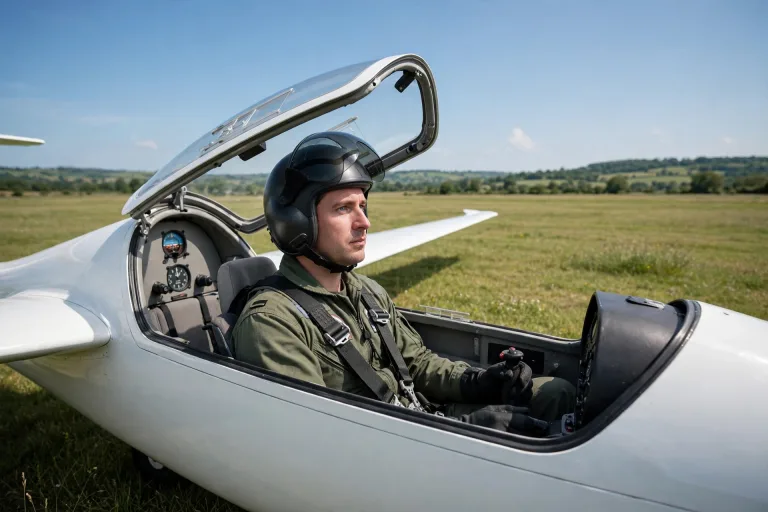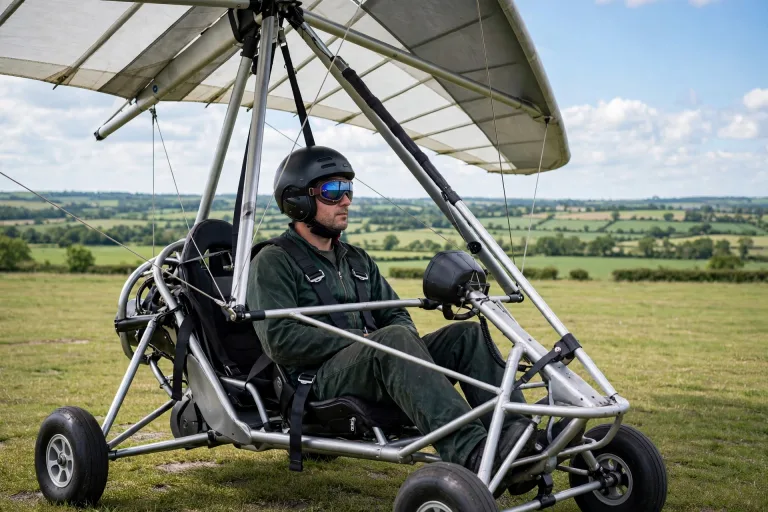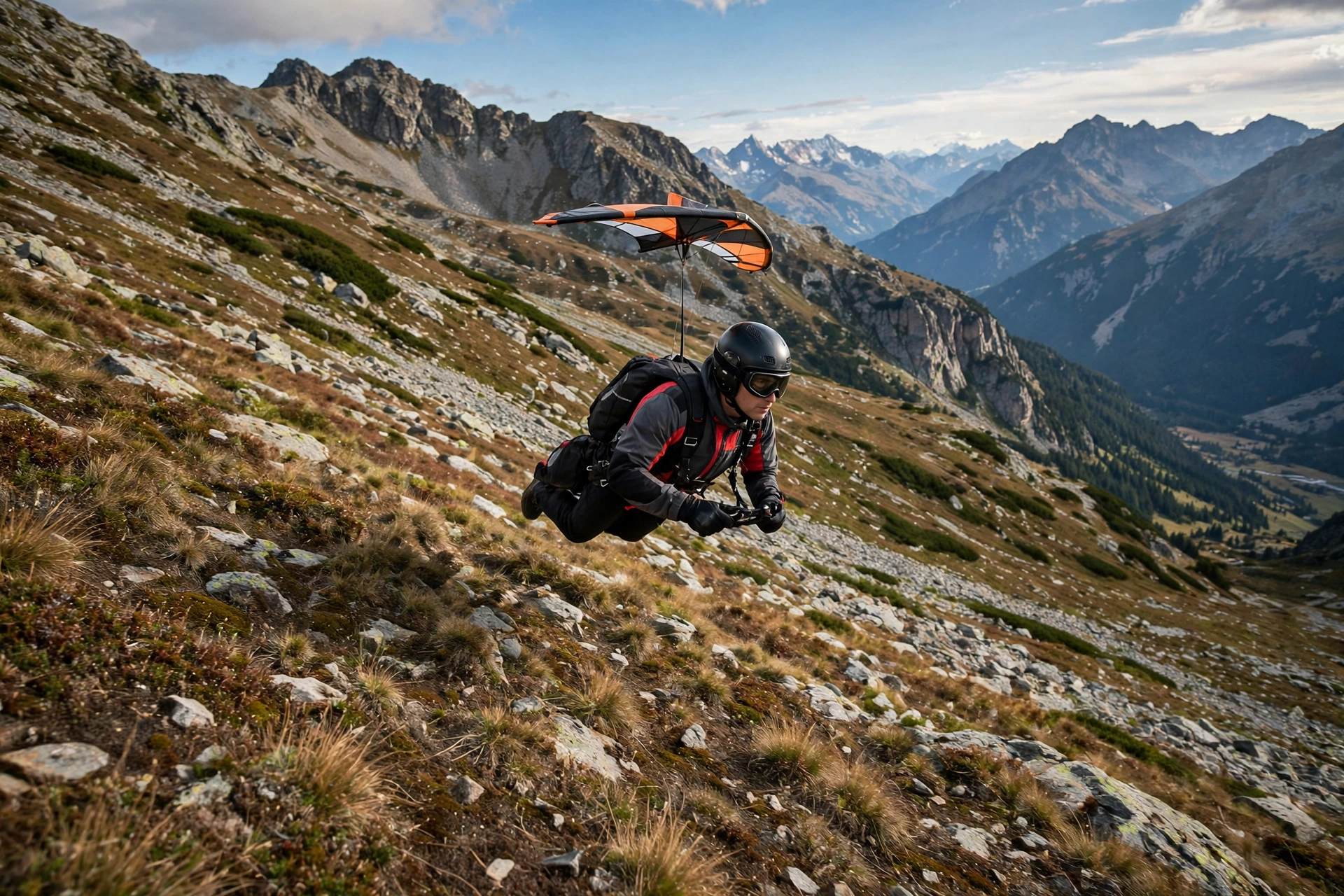
A helmet for speed flying is a light, close-fitting helmet worn by pilots who fly a small, fast wing close to the ground, to protect the head from knocks during launch, landing, and any contact with the slope. In general terms, speed flying is a mix of paragliding and skiing, where the pilot launches from a snowy mountain with a small wing and flies down the slope at high speed, often with skis on. The helmet is essential kit, because the pilot flies low and fast over ground that is hard, uneven, and unforgiving.
Speed flying looks graceful from a distance, but the pilot is moving quickly just above the snow, and a small mistake can mean a hard landing or a slide across the slope. The helmet protects the head during those moments, and it also shields the pilot from wind, snow spray, and the cold at speed. It is one of the first pieces of kit a speed flyer buys, and it is worn on every flight without exception.
What is speed flying?
Speed flying is a sport in which a pilot uses a small paragliding wing to fly down a steep mountain slope, usually on skis, staying close to the ground and moving much faster than a normal paraglider. In general terms, the wing is smaller than a paraglider’s wing, which makes it faster and more responsive, but also means it needs more speed to stay in the air. The pilot launches by skiing down the slope until the wing lifts them, then flies just above the snow, steering with the brakes and the body.
The sport grew out of paragliding and speed riding, and it is flown in the mountains in winter, where the snow gives a softer landing than rock. Even so, the ground is never far away, and the pilot is always close to the slope. That closeness is part of the thrill, and it is also why a helmet is not optional. A speed flyer who flies without a helmet is taking a risk that no experienced pilot would accept.
What type of helmet is best for speed flying?
The best helmet for speed flying is a light helmet made for air sports, such as a paragliding or skydiving helmet, that fits closely and has a secure chin strap. These helmets have a hard outer shell and a cushioning liner, and they are designed to be worn for long periods in the air without pressing on the ears or blocking hearing. In general terms, a helmet made for paragliding is a better choice than a ski helmet, because it is shaped for flying and it works well with the wing’s risers and lines.
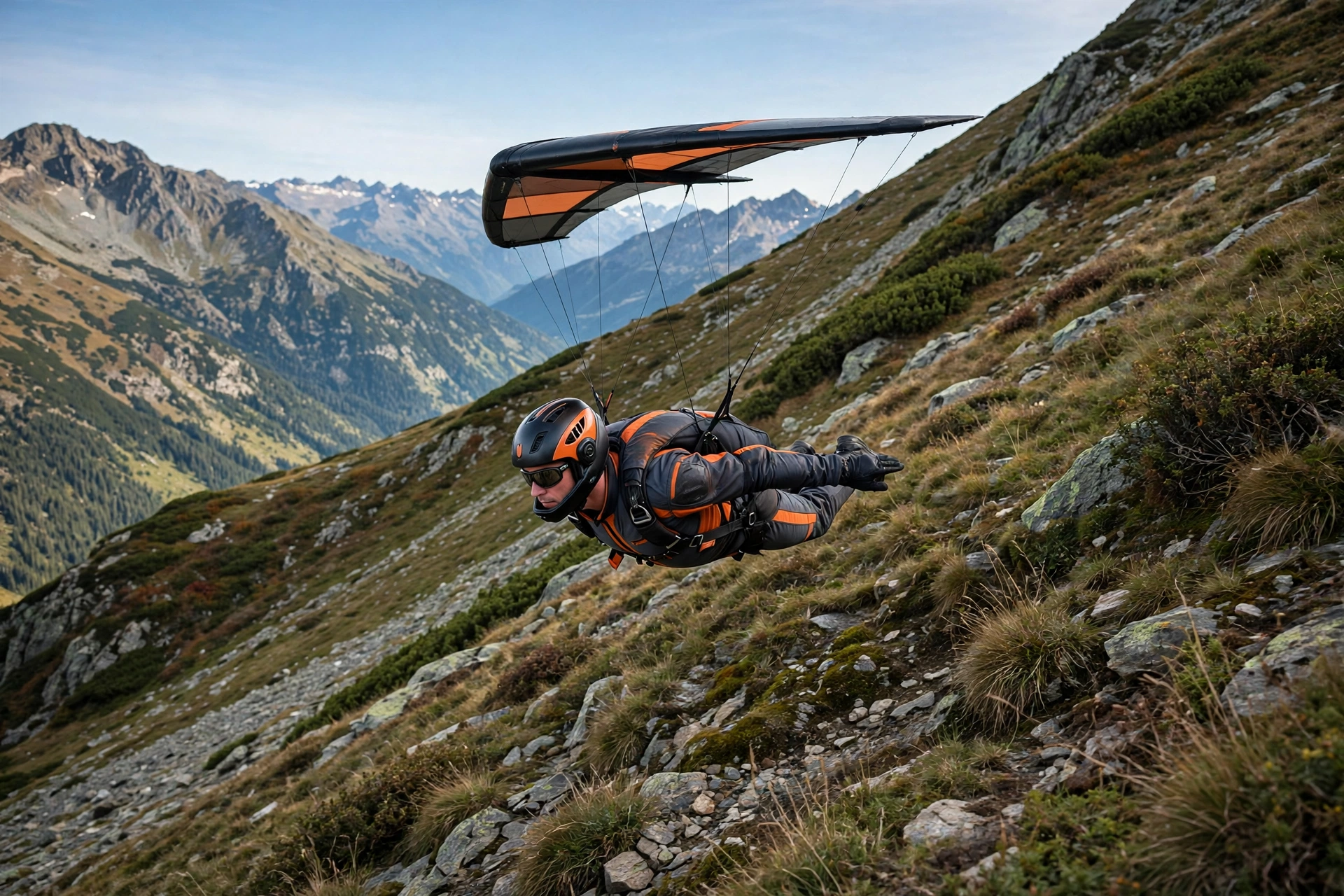
Some speed flyers wear a full-face helmet, which adds protection for the chin and the face, while others wear an open-face helmet with goggles. A full-face helmet suits pilots who fly very low and fast, or who fly in terrain with trees and rocks, while an open-face helmet suits pilots who want a wider view and easier communication. Whichever type you choose, it should fit snugly, sit level on the head, and stay put when you shake your head hard.
How does a speed flying helmet protect the pilot?
A speed flying helmet protects the pilot by putting a hard shell and an energy-absorbing liner between the head and the ground, the snow, or any object the pilot might strike. In general terms, the shell spreads the force of an impact over a wider area, and the liner crushes slightly to absorb energy, so less force reaches the head. The helmet is most useful during launch and landing, when the pilot is closest to the slope, and during any slide or tumble after a bad landing.
The helmet also protects the head from the wing’s lines and risers, which can whip around in strong wind, and from snow and ice thrown up by the skis. Some helmets include a system designed to reduce rotational forces in a fall, such as MIPS, which can help when the head strikes the snow at an angle. A helmet cannot remove all the risk from speed flying, but it is the most important piece of protective kit a pilot wears.
What should I look for when buying a speed flying helmet?
When buying a speed flying helmet, look for a close fit, a secure chin strap, good hearing, and a shape that works with your goggles or visor. The helmet should feel snug all around the head, with no loose spots, and the strap should fasten firmly without pressing on the throat. In general terms, you should be able to hear the wind and your flying partners clearly, because hearing is part of flying safely, and a helmet that muffles sound is a poor choice.
Check that the helmet is light enough to wear for a full day in the mountains, and that it has enough ventilation to stop it fogging your goggles. Look for a helmet with a smooth outer shell, so the lines and risers slide over it rather than catching, and check that it is made for air sports rather than for another activity. If you fly with a radio, make sure the helmet works with your headset, and try the whole setup on together before you buy.
Can I use a ski helmet for speed flying?
You can use a ski helmet for speed flying, but in general terms a helmet made for air sports is a better choice. A ski helmet is designed for the speeds and impacts of skiing, and it will protect the head in a fall on snow. But it is often heavier, warmer, and bulkier than a flying helmet, and its shape can catch the wind or interfere with the wing’s lines.
A paragliding or speed flying helmet is lighter, shaped for flight, and made to be worn with the harness and the wing for hours at a time. If you already own a ski helmet and you are trying speed flying for the first time on a gentle slope, it will do for an introductory flight. But if you plan to fly regularly, a helmet made for the sport is worth the investment, and most schools and clubs will expect you to have one.
Do speed flyers have to wear a helmet?
Yes, in general terms speed flyers are required to wear a helmet whenever they fly, whether by the rules of the site, the school, or the club. Flying without a helmet is not accepted in the sport, and a pilot who turns up without one will not be allowed to launch.
Is speed flying the same as paragliding?
No, speed flying uses a much smaller wing than paragliding, and it is flown faster and closer to the ground, usually on skis. Paragliding is slower and higher, while speed flying is about speed and proximity to the slope.
How long does a speed flying helmet last?
In general terms, a speed flying helmet should be replaced after a hard impact, or when the shell or the liner shows signs of wear. Check it regularly for cracks and soft spots, and follow the maker’s guidance on how long it should stay in service.

Olivia
Writer at Helmet Today, covering helmet reviews, fit and riding safety.