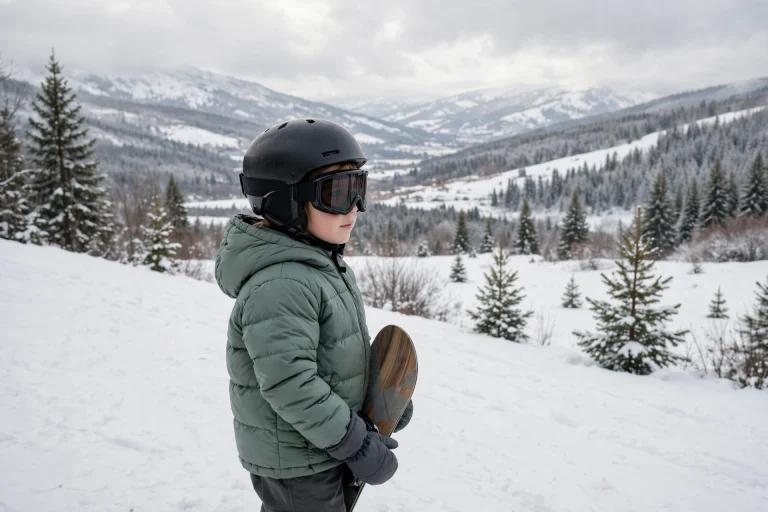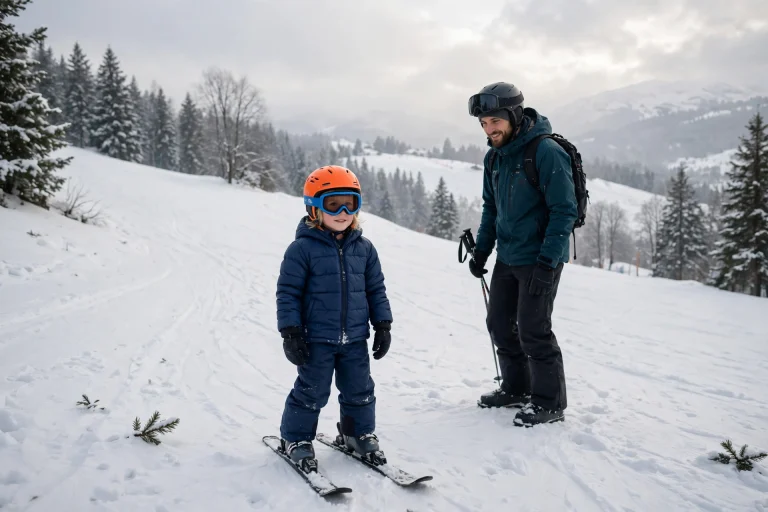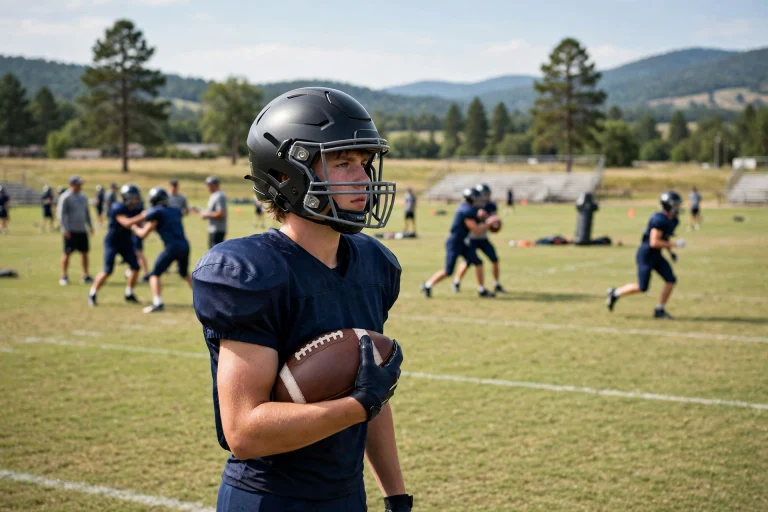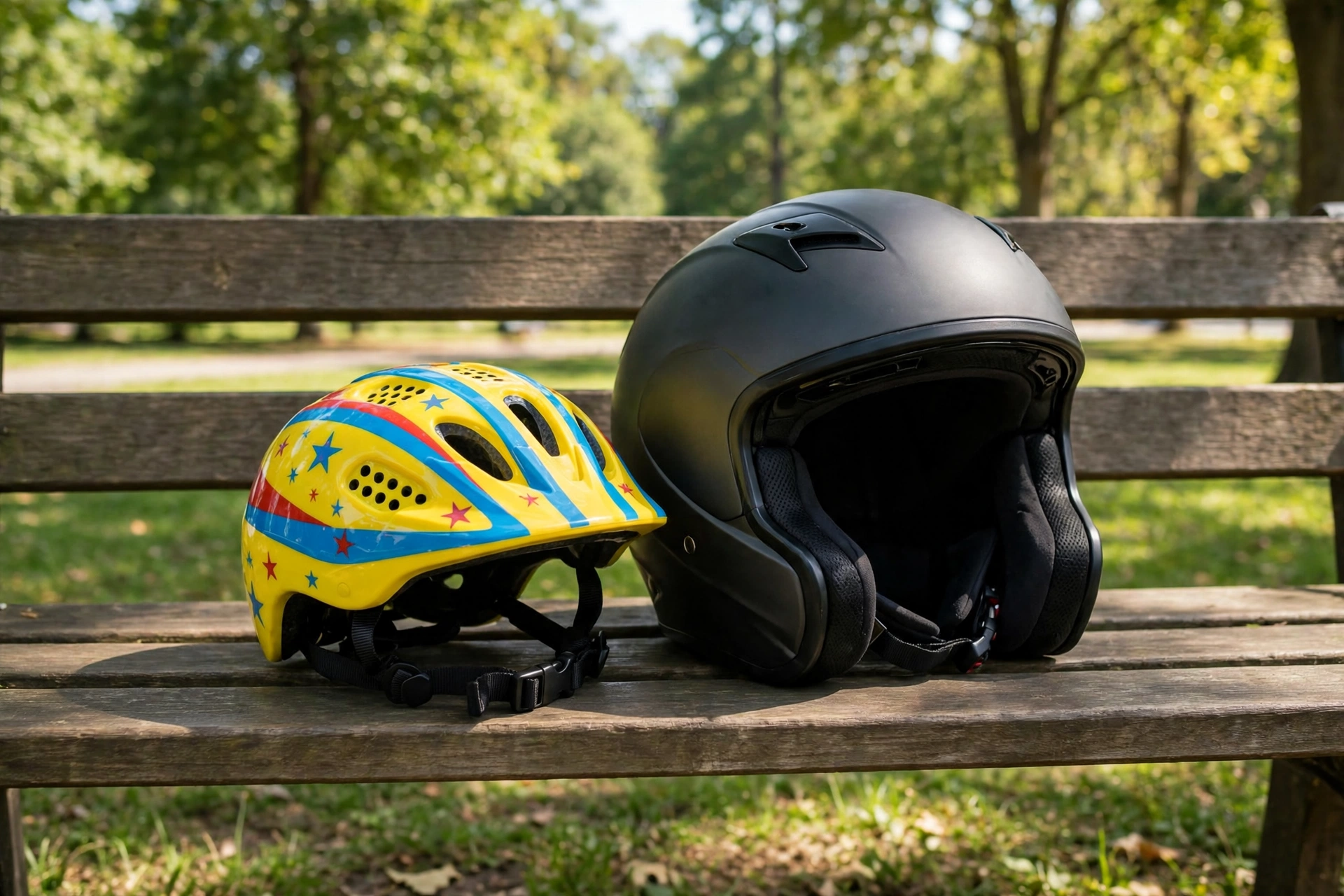
No, kids helmets are not just small adult helmets, because a child’s head, neck, and riding needs are different from an adult’s, so a good kids helmet is designed differently, not just shrunk down. The shell shape, the weight, the padding, the vents, and the straps are all made with a child in mind. A small adult helmet may fit on a child’s head, but it will usually be heavier, less comfortable, and less suited to how a child rides and falls. Choosing a helmet made for children is the safer and more comfortable choice.
How Is a Kids Helmet Different from an Adult Helmet?
A kids helmet is lighter than an adult helmet, because a child’s neck is weaker and a heavy helmet can tire them quickly or pull their head around. The shell is shaped for a smaller, rounder head, with padding placed to suit a child’s head shape rather than an adult’s. Vents are placed to keep a child cool on short, active rides, and the whole helmet is built to sit well on a smaller frame without covering their eyes or ears.
The straps and buckles are also different: they are easier for a parent to adjust and for a child to fasten, and they sit in the right place on a smaller face. In general terms, the difference is in the design, not just the size. A helmet made for a child takes account of how children move, how they fall, and how much weight they can comfortably carry on their heads.
Why Does Weight Matter So Much for Kids Helmets?
Weight matters because a child’s neck muscles are still developing, and a heavy helmet can cause tiredness, poor posture, and a reluctance to wear it at all. A helmet that feels heavy will slide around on a small head, which can make it sit badly and protect less well. A light helmet stays in place better, feels more comfortable, and is much more likely to be worn without complaint.
This is why a small adult helmet is a poor substitute: adult helmets are built for adult necks and adult heads, and even the smallest size is often heavier than a child’s helmet. In general terms, a light, well-fitting kids helmet is safer in practice than a heavier adult helmet that a child finds uncomfortable and keeps taking off. Comfort and fit are part of safety, not extras.
Do Kids Helmets Meet the Same Safety Standards as Adult Helmets?
Yes, in general terms, kids helmets sold for the same activity must meet the same safety standard as adult helmets for that activity, such as cycling or skateboarding. The standard sets the level of protection required, and a child’s helmet must pass the same tests. What changes is the size of the test headform and the weight of the helmet, not the level of protection expected.
Always check the label inside the helmet to confirm which standard it meets, and make sure it matches the activity your child will do. A bike helmet is not the same as a skate helmet, and a helmet for one sport may not protect well in another. In general terms, a kids helmet that carries the right standard, fits well, and is worn every time is doing its job, whatever its size or price.
How Should a Kids Helmet Fit?
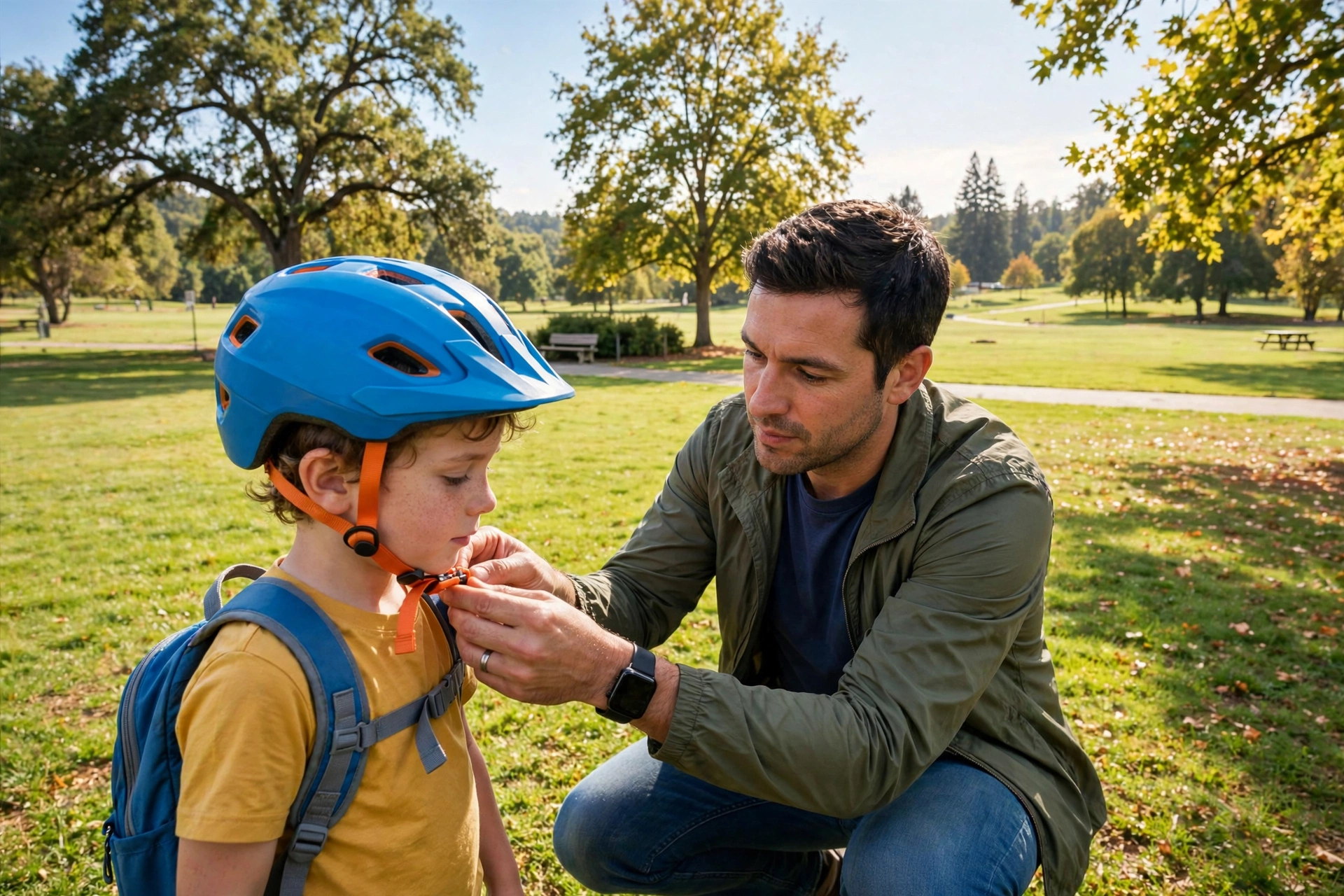
A kids helmet should sit level on the head, low on the forehead, just above the eyebrows, with the straps forming a snug V under the ears. The chin strap should be tight enough that only one or two fingers fit between the strap and the chin. Shake the head gently: the helmet should move the skin, not slide around on its own. If it wobbles or tips forwards, it is too big or badly adjusted.
Let your child help choose the colour or design, since a helmet they like is one they will wear. Check the fit regularly, because children grow fast and a helmet that fitted in spring may be too small by autumn. In general terms, a helmet should be snug but never painful, and if it hurts or leaves red marks, try a different size or model. Replace it as soon as it is outgrown.
When Should a Child Move to an Adult Helmet?
A child should move to an adult helmet when they have outgrown the largest kids size and an adult extra-small fits them properly, not before. Head size is the guide, not age, so measure the head and try the helmet on. An adult helmet is fine once it fits snugly, sits level, and feels comfortable, with the straps in the right place and the weight manageable.
Do not rush the change: a well-fitting kids helmet protects better than a loose adult one. Some older children and teenagers fall between sizes, so try both kids and adult small sizes to see which fits best. In general terms, the right helmet is the one that fits the head in front of you, whatever the label says. To understand more about how modern helmets protect your head, it helps to read about what MIPS is for helmets.
What Should Parents Look for When Buying a Kids Helmet?
Look first for the right standard and a good fit, then for light weight and comfortable padding. Check that the vents are open and clear, the straps adjust easily, and the buckle is simple enough for your child to use. A dial or slider at the back can help fine-tune the fit as your child grows. Avoid helmets with loose decorations or clip-on parts that could come off.
Buy from a trusted shop and keep the receipt, so you can exchange it if the fit is wrong. Check the helmet after any fall, and replace it if the shell is cracked or the foam is dented. In general terms, the best kids helmet is not the most expensive one: it is the one that fits well, feels light, meets the standard, and gets worn every single ride.
Are kids helmets just small adult helmets?
No. Kids helmets are designed for children’s heads and necks, with lighter weight, a different shell shape, and straps and padding made for a child, not just a smaller version of an adult helmet.
Can my child wear a small adult helmet?
It may fit, but in general terms a small adult helmet is usually heavier and less suited to a child’s head shape, so a proper kids helmet is the better and more comfortable choice.
When should I replace my child’s helmet?
Replace it when your child outgrows it, after a crash or a hard drop, or if the shell is cracked, the foam is dented, or the straps no longer hold the fit.

Olivia
Writer at Helmet Today, covering helmet reviews, fit and riding safety.