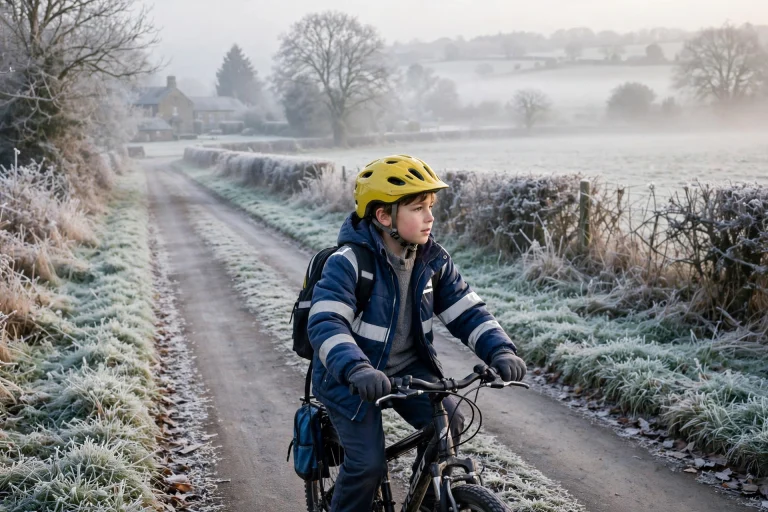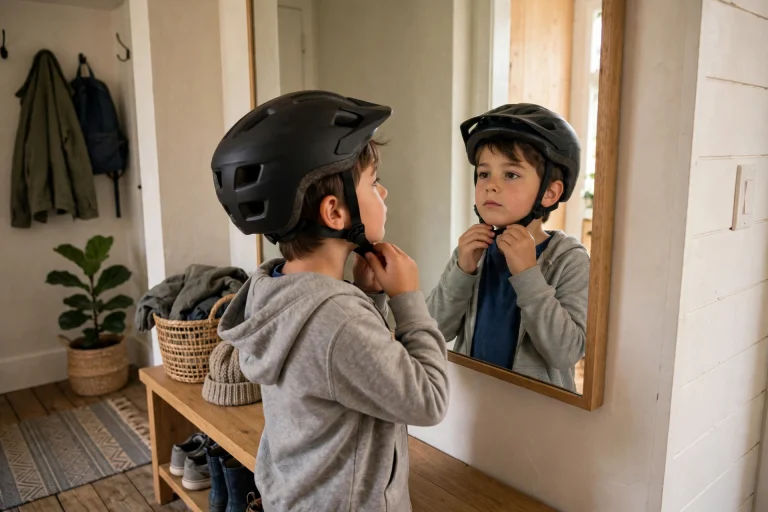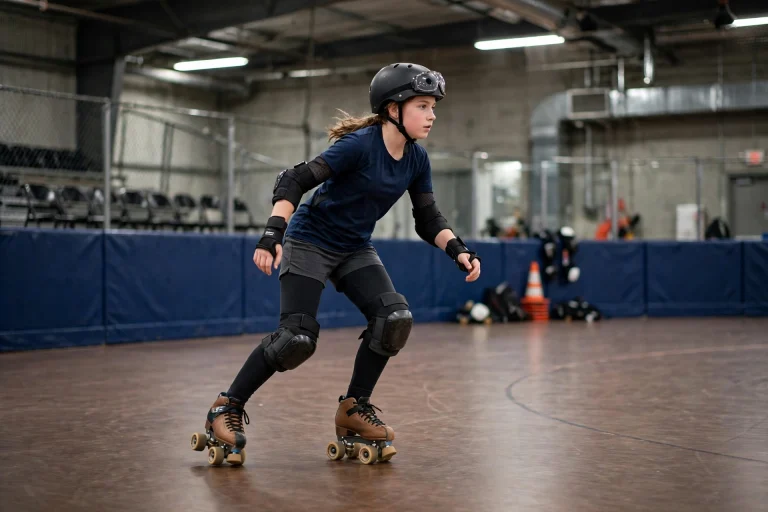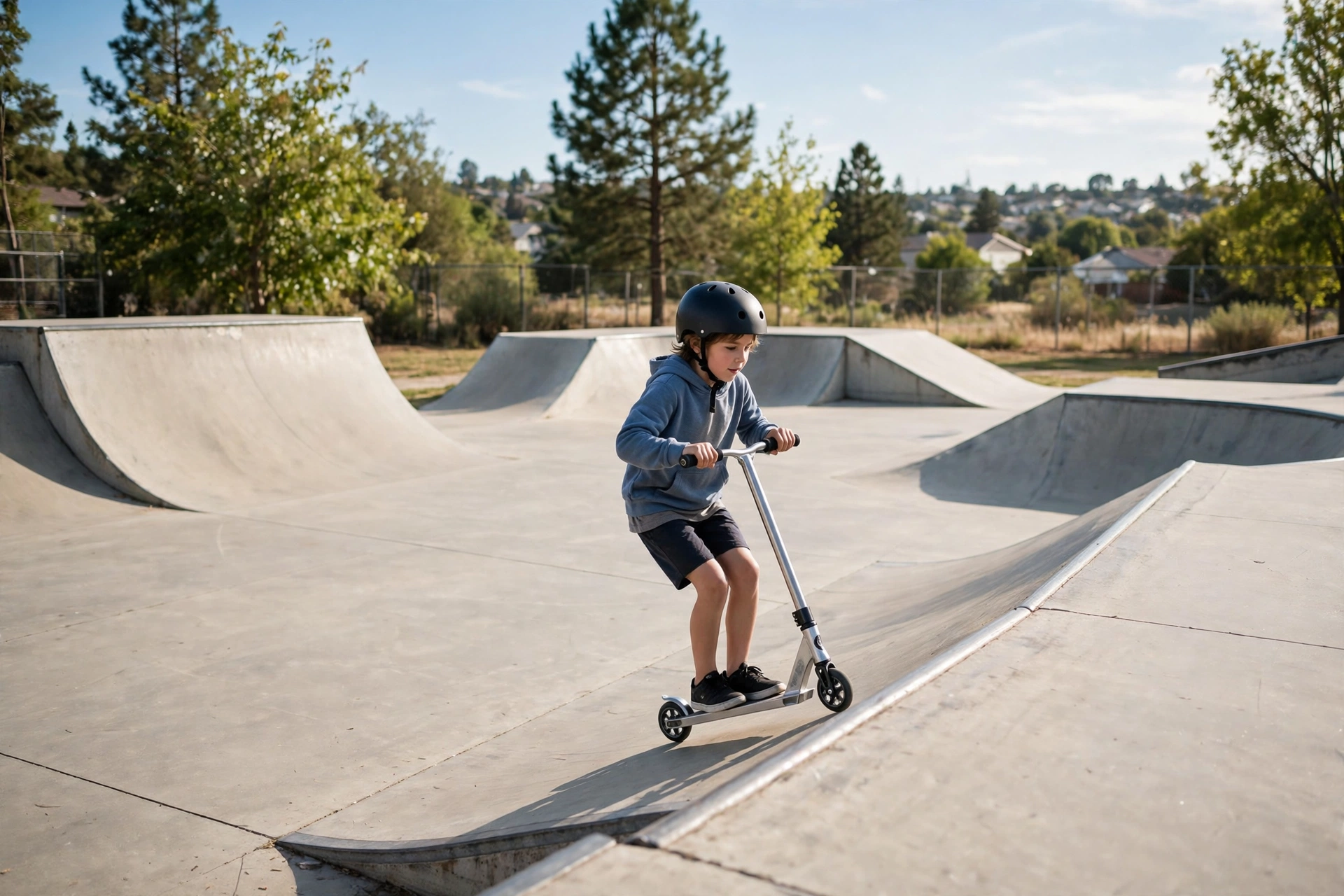
In general terms, a child at a skate park should wear a helmet, and at many skate parks a helmet is compulsory for under-18s. Skate parks involve concrete, speed, and falls onto hard surfaces, and a helmet is the simplest protection a young skater, scootering rider, or BMX rider can wear. Parents should check the helmet fits properly before their child drops in.
Skate parks are a magnet for children who ride skateboards, scooters, and BMX bikes, and they are a great place to build skill and confidence. They are also unforgiving places to fall. Concrete ramps, bowls, and rails do not absorb impact, and a fall from height onto concrete can cause a serious head injury. This guide explains what kind of helmet suits a skate park, how it should fit, and what parents should check before their child rides.
What Kind of Helmet Suits a Skate Park?
A skate-style helmet is the usual choice for a skate park. These helmets cover more of the back and sides of the head than a typical road cycling helmet, which suits the way park riders fall, often sideways or backwards after a failed trick. They are also designed for repeated lower-speed impacts, which is what happens when a rider is learning a new trick and falling often. Look for a helmet that meets a recognised safety standard for your region, and check the label inside to confirm which standard it meets.
For BMX riders at a skate park, a full face helmet is worth considering, particularly for older or more experienced riders who are hitting bigger ramps and jumps. A full face helmet protects the jaw and chin as well as the top of the head, which matters when a fall is face-first at speed. For younger children on scooters or skateboards, a well-fitting skate-style helmet is usually the right choice. Whatever the activity, the helmet should be a proper sports helmet, not a novelty or fancy-dress item.
How Should a Kids Skate Park Helmet Fit?
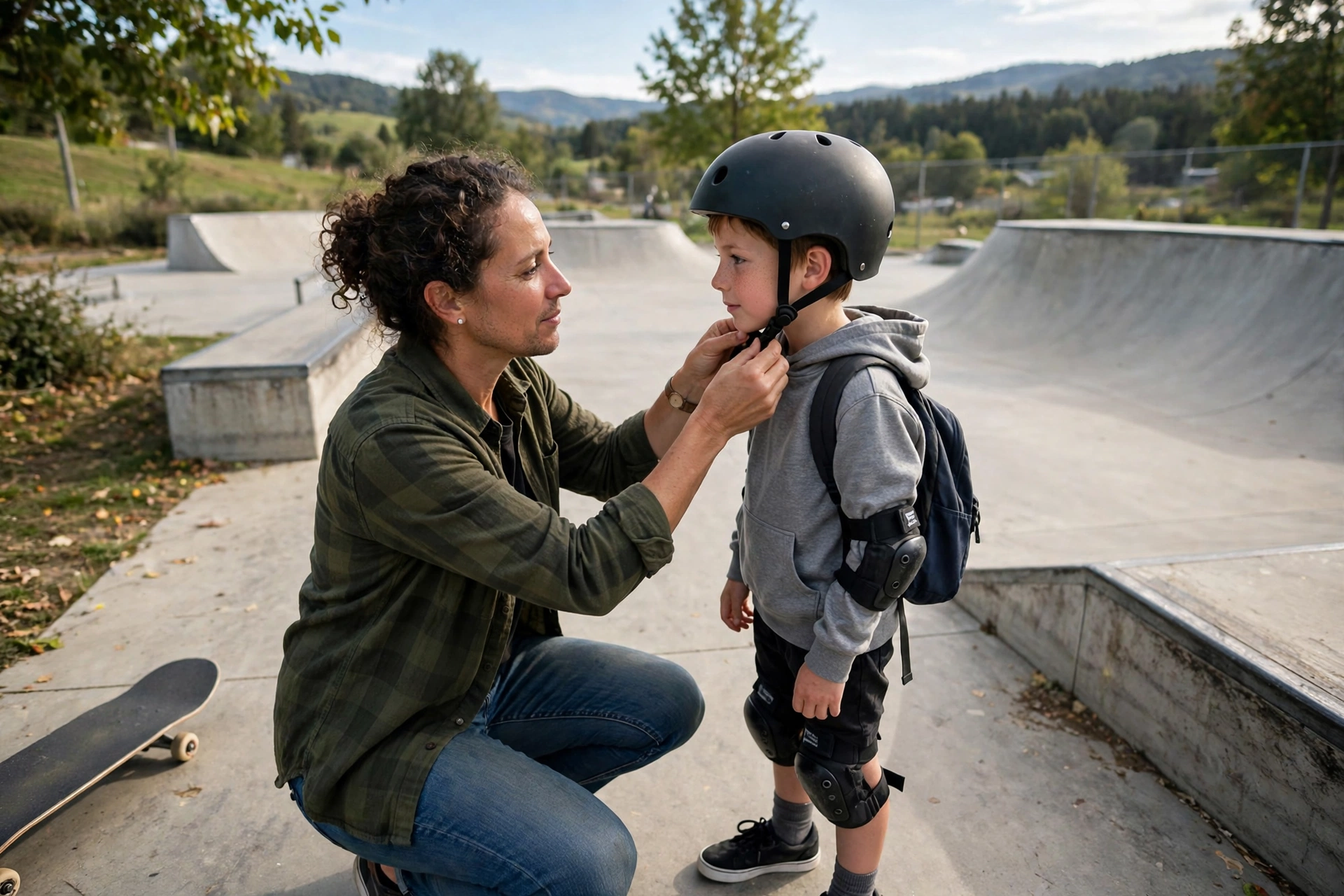
A skate park helmet should sit level on your child’s head, low enough to cover the forehead, and snug enough that it does not rock from side to side when they shake their head. It should feel comfortable with no pressure points that throb after a few minutes, and it should stay in place during the quick movements and impacts of park riding. If the helmet moves easily, it is too loose, whatever the size label says.
The chin strap should be done up snugly under the chin, with only one or two fingers fitting between the strap and the chin, and it should be fastened before every run, not just at the start of the session. A helmet with an unfastened strap can come off in the very fall it is meant to protect against. Check the fit with your child’s hair as it will be during riding, since a bulky hairstyle can change how the helmet sits. If you are learning about helmet technology, reading about what MIPS is for helmets can help you understand one of the features you may see listed on the box.
What Else Should Parents Check at a Skate Park?
Before your child rides, check the helmet for damage. Look for cracks in the shell, dents, or crushed foam inside, and check that the straps and buckle still fasten firmly. A helmet that has already taken a hard knock should be replaced, even if it looks fine from the outside, because the foam inside may have done its job already. Also check that the helmet still fits, since children grow quickly and a helmet that fitted last summer may be too small now.
Look at the park itself too. A well-run skate park has smooth surfaces, clear rules, and areas for different skill levels. Encourage your child to start on the smaller ramps and features and to build up gradually, rather than heading straight for the biggest bowl. Remind them to watch for other riders before dropping in, and to wait their turn rather than cutting across someone else’s line. Skate park etiquette keeps everyone safe, and a child who follows it is far less likely to have a collision.
What Other Gear Helps at a Skate Park?
Knee pads and elbow pads are a sensible addition for children at a skate park, especially for beginners who fall often. They protect against the grazes and bruises that come with concrete, and they give a child the confidence to try new tricks without worrying about every fall. Wrist guards are also useful for skateboarders, who often put their hands out when they fall.
Gloves can help too, particularly for scooter riders and BMX riders, who can get blisters from gripping the bars. Make sure your child’s clothing is comfortable and allows free movement, and that nothing loose can catch on the board, scooter, or bike. Closed shoes with good grip are essential, since a foot slipping off a pedal or a board is a common cause of falls at a skate park.
How Can You Help a Child Ride a Skate Park Safely?
Talk to your child about skate park rules before you go. Dropping in without checking, cutting across another rider’s line, and standing in the middle of a ramp are all dangerous habits that cause collisions. A child who understands the rules is safer and is also more welcome at the park, since other riders will see them as a considerate rider rather than a hazard.
Encourage your child to build up gradually. Learning a new trick takes time, and a child who tries to run before they can walk is more likely to fall hard. Praise effort and progress rather than just landing a trick, and remind them that even experienced riders fall. A helmet that fits well and feels comfortable is part of that confidence, because it lets a child focus on riding rather than worrying about falling.
Frequently Asked Questions
Q: Is a helmet compulsory at skate parks?
A: It depends on the park. Many skate parks require a helmet for under-18s, and some require one for everyone. Check the rules of your local park before you go, and bring a helmet even if it is not required.
Q: Can my child wear a bike helmet at a skate park?
A: In general terms, a bike helmet offers some protection, but a skate-style helmet usually suits a skate park better because it covers more of the back and sides of the head. If a bike helmet is all you have, check it fits well and consider a skate-style helmet for regular park sessions.
Q: When should a child’s skate park helmet be replaced?
A: Replace it after any hard knock, if the shell is cracked or the foam is damaged, or when your child outgrows it. In general terms, a helmet that no longer fits snugly cannot protect properly, so check the fit regularly as your child grows.

Olivia
Writer at Helmet Today, covering helmet reviews, fit and riding safety.