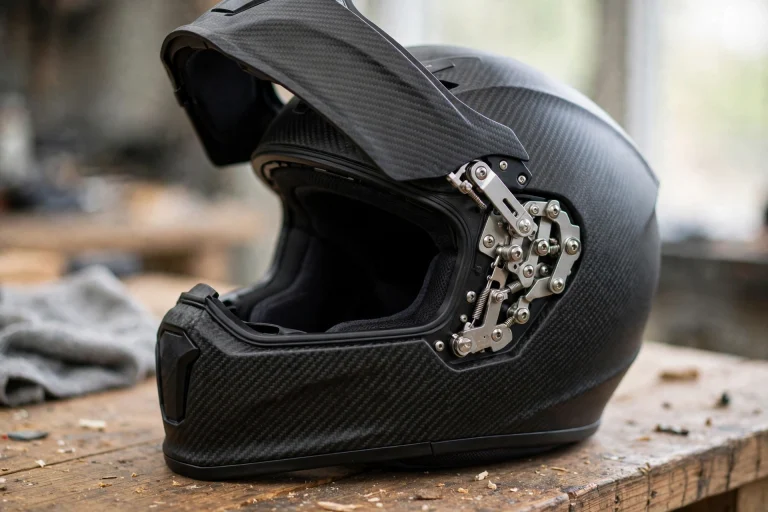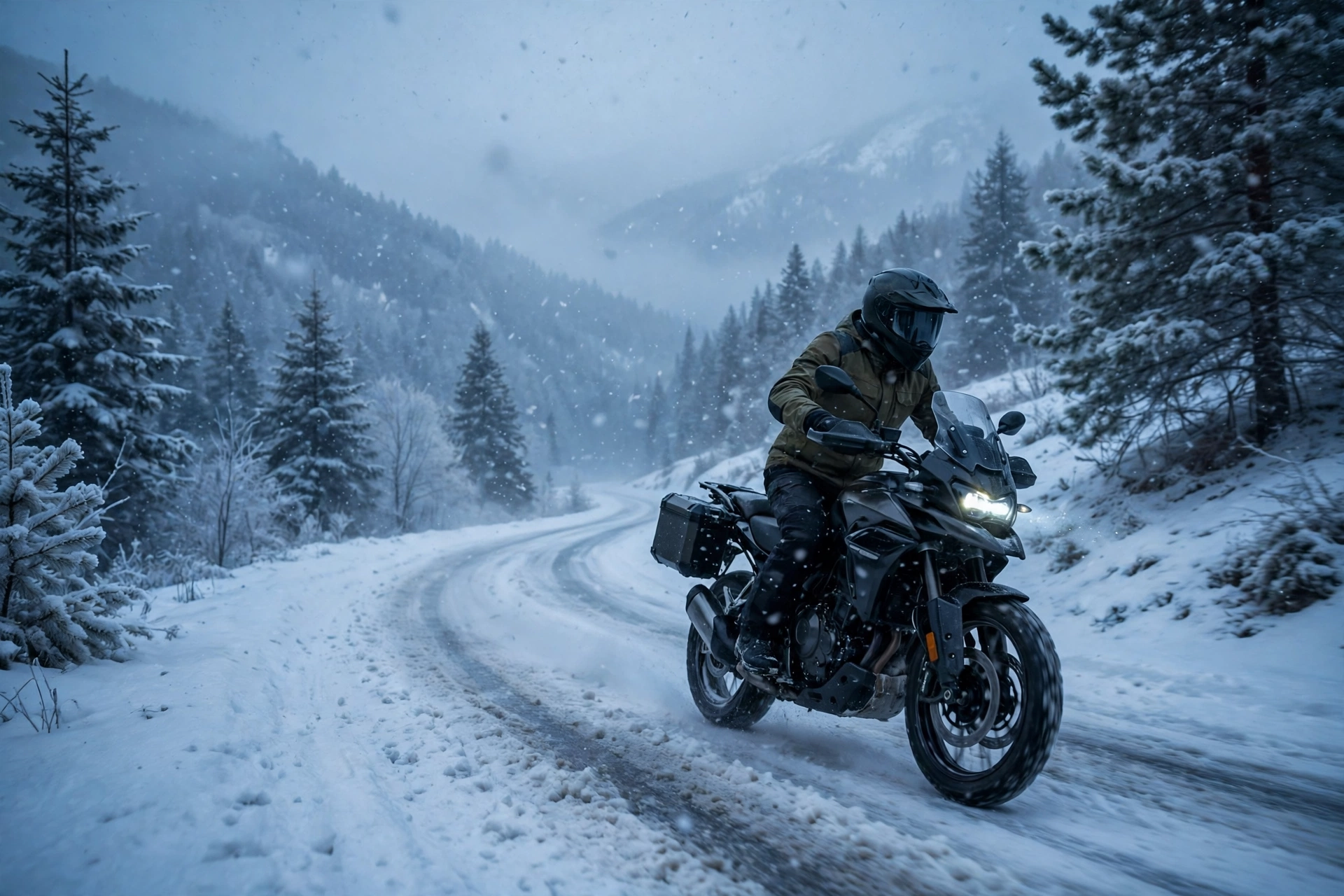
Motorcycle helmet vent management in winter means keeping most vents closed to stay warm, opening the chin vent just enough to stop the visor fogging, and adjusting the vents through the ride as the temperature and your speed change. In winter, the same vents that keep you cool in summer can let in freezing air, dry out your eyes, and chill your head — so the skill is using them in small amounts rather than leaving them wide open. Done well, vent management keeps you warm, keeps the visor clear, and keeps you comfortable on a cold ride.
Winter riding changes what you need from a helmet. In summer, the problem is heat building up inside the shell; in winter, the problem is the opposite — cold air, fogging, and the chill that creeps in on a long ride. Many riders simply close every vent in winter, but that often makes the visor fog worse, because warm, moist air from your breath has nowhere to go. The answer is a balance, and this guide explains how to find it, in general terms.
Why Does Vent Management Matter More in Winter?
In winter, the temperature difference between the inside and the outside of the helmet is much bigger. Your breath is warm and moist, the outside air is cold, and the visor sits between them — which is exactly the recipe for fogging. If the vents are all closed, the moist air stays trapped inside, and the visor fogs up quickly, especially when you slow down in traffic and the airflow drops.
At the same time, opening the vents too wide lets in a blast of cold air that can chill your head and make your eyes water. A cold head is distracting, and over a long ride it can leave you tired and less able to concentrate. Wind chill makes the problem worse: at riding speed, even moderately cold air can feel much colder as it flows through the helmet. The goal is to let in just enough air to clear moisture and keep the visor clear, without letting in so much that you get cold.
Which Vents Should Be Open in Winter, and Which Closed?
Start with the top vents closed or only slightly open. The top vents cool the crown of your head, which is the last thing you need in cold weather, and closing them keeps warmth in. If your helmet has several top vents, try closing them all first, and only open one slightly if the inside of the helmet starts to feel stuffy or the visor begins to fog.
The chin vent is the most useful vent in winter, and it should usually be open at least a little. It directs air up across the inside of the visor, which is the best way to keep the visor clear, and it brings a small amount of fresh air toward your face. Open it just enough to stop fogging — a small opening is often enough, and you can open it wider if the visor still fogs when you slow down.
How Do You Stop the Visor Fogging in Cold Weather?
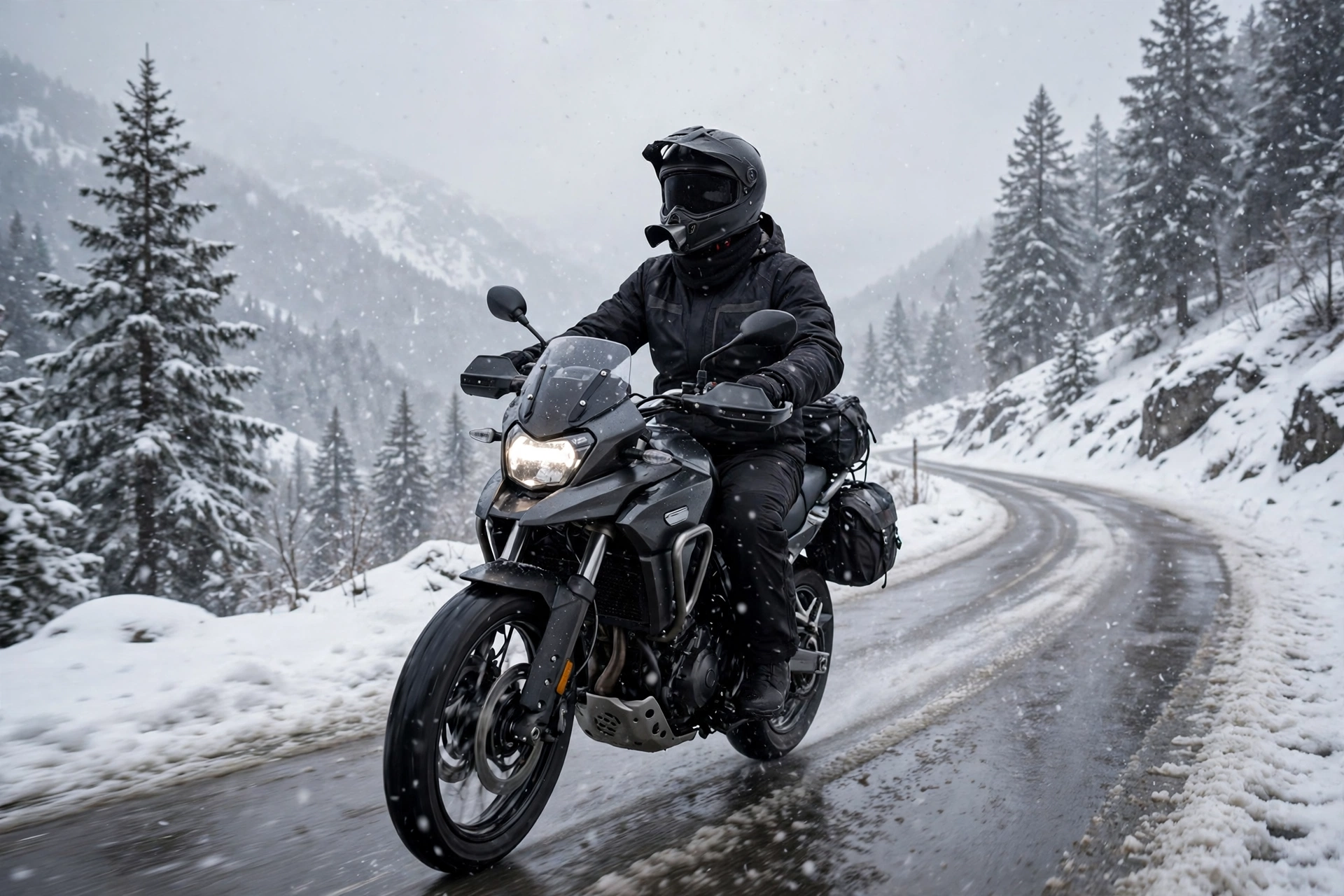
Fogging is the biggest winter visor problem, and the chin vent is your first tool against it. Open it slightly before you set off, so air is already flowing across the visor when you start riding. If the visor still fogs, crack the visor open by a small amount — many helmets have a first notch or city position that leaves a small gap — and the extra airflow will usually clear the fog quickly.
An anti-fog insert on the inside of the visor is one of the best winter investments a rider can make. The insert creates a double layer that stays warmer than the visor itself, so moisture does not condense on it. Make sure the insert is fitted correctly and sealed all the way round, and keep it clean, because a dirty or damaged insert works less well. Some riders also use a breath guard or a chin curtain, which directs breath down and away from the visor.
Your riding habits matter too. When you stop at traffic lights, the airflow drops and fogging can appear quickly, so crack the visor open before you stop rather than after the fog appears. Avoid breathing hard through your nose directly onto the visor when you are stopped, and keep the visor clean — a dirty visor fogs more easily and is harder to see through. If you are learning about helmet safety technology, reading about what MIPS is for helmets is a useful place to start.
What Kit Helps with Winter Vent Management?
A thin balaclava or helmet liner cap is one of the most useful pieces of winter kit. It covers your head, neck, and chin, keeping warmth in and reducing the chill from any air that does come through the vents. It also keeps the helmet liner cleaner and drier, and it gives you a layer you can adjust — a thicker balaclava on the coldest days, a thinner one when the temperature rises.
A neck warmer or buff is just as important, because cold air often gets in at the bottom of the helmet, around the neck. A good neck warmer seals that gap and keeps the cold out, which means you can afford to keep the chin vent open a little for demisting without feeling a draught. Make sure the neck warmer sits comfortably and does not push the helmet up or interfere with the chin strap.
How Should You Adjust Vents Through a Winter Ride?
Think of the vents as controls you use through the ride, not as a setting you choose once. Start with the top vents closed and the chin vent slightly open. As you ride, watch the visor: if it starts to fog, open the chin vent a little more or crack the visor. If your head feels cold, close the top vents fully and check that your neck warmer is sealing the gap at the bottom of the helmet.
At the end of the ride, open the vents and leave the helmet somewhere ventilated so the inside can dry out. A helmet that stays damp inside will feel cold the next time you put it on, and the liner can develop a smell. In general terms, winter vent management is a small skill that makes a big difference: a little air in the right place keeps the visor clear and the rider warm, and that combination is what makes winter riding enjoyable rather than a chore.
Frequently Asked Questions
Q: Should I close all my helmet vents in winter?
A: In general terms, no. Closing everything traps moist air inside and makes the visor fog. Keep the top vents closed or nearly closed, open the chin vent slightly to clear the visor, and leave the rear exhausts open so moist air can escape.
Q: Why does my visor fog more in winter than in summer?
A: Fogging happens when warm, moist air from your breath meets a cold visor, and the temperature gap is much bigger in winter. Use the chin vent, an anti-fog insert, and a cracked visor in slow traffic to keep the visor clear.
Q: Does a balaclava help with helmet ventilation in winter?
A: Yes. A balaclava keeps your head and neck warm, which means you can keep the chin vent open enough to stop fogging without feeling cold. It also keeps the liner cleaner and reduces draughts around the neck.

Olivia
Writer at Helmet Today, covering helmet reviews, fit and riding safety.