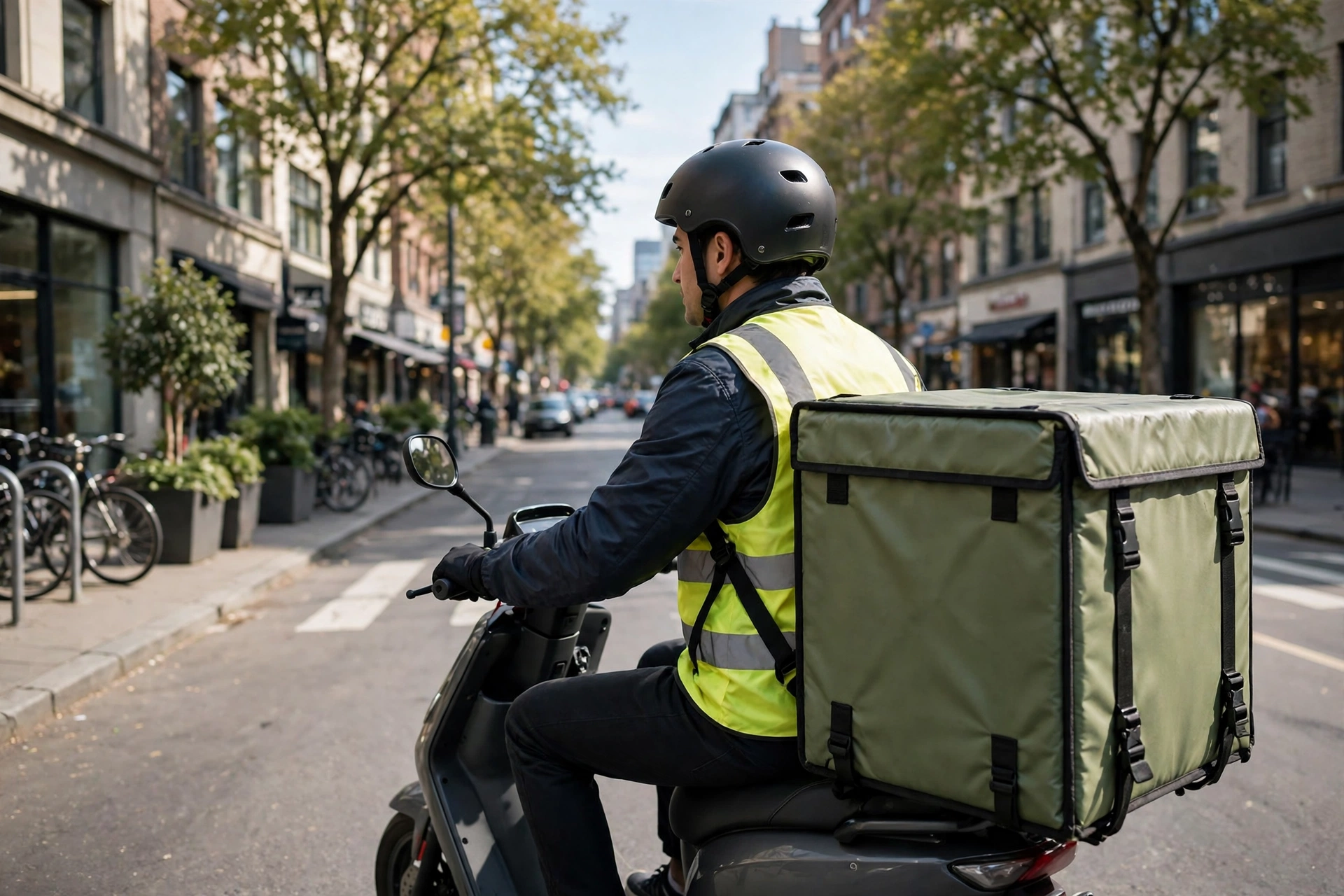
A motorcycle helmet for food delivery riders needs to be light, well ventilated, easy to put on and take off many times a day, and comfortable for hours of stop-start riding in all weather. Delivery riding is different from touring or weekend riding: you are on and off the bike constantly, riding short trips in traffic, in heat, rain, and cold, often with a delivery box on the back. The right helmet makes that working day far easier, and the wrong one makes every stop a chore.
Food delivery has grown quickly, and many riders are new to motorcycling, using a bike or scooter as a way to earn a living rather than as a hobby. That means the helmet is work equipment, worn for long shifts rather than short rides. It needs to be practical above all else: quick to fasten, comfortable hour after hour, and tough enough to cope with daily use. This guide explains what to look for, in general terms, and how to choose a helmet that suits the job.
What Makes Delivery Riding Different from Other Riding?
Delivery riding is stop-start riding. You ride a short distance, park, take the helmet off to hand over food, put it back on, and ride to the next job. A helmet that is awkward to fasten or uncomfortable to put on and off becomes a real frustration when you repeat the process dozens of times a day. A quick-release buckle, a light shell, and a design that slips on easily without catching your hair or glasses all make the working day smoother.
The riding itself is mostly at low speed in traffic, which means less airflow through the vents than on the open road. A helmet that relies on speed for ventilation will feel hot and stuffy in town, so ventilation that works at low speed matters more than it does for a touring rider. The helmet also needs to cope with rain, dust, and heat, often in the same shift, and it needs to be visible — delivery riders spend their time in traffic, and being seen is part of staying safe.
Which Helmet Type Suits Food Delivery Best?
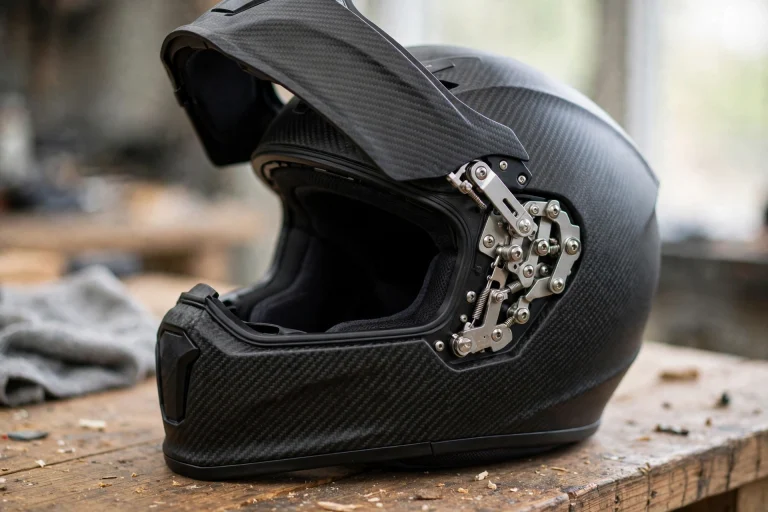
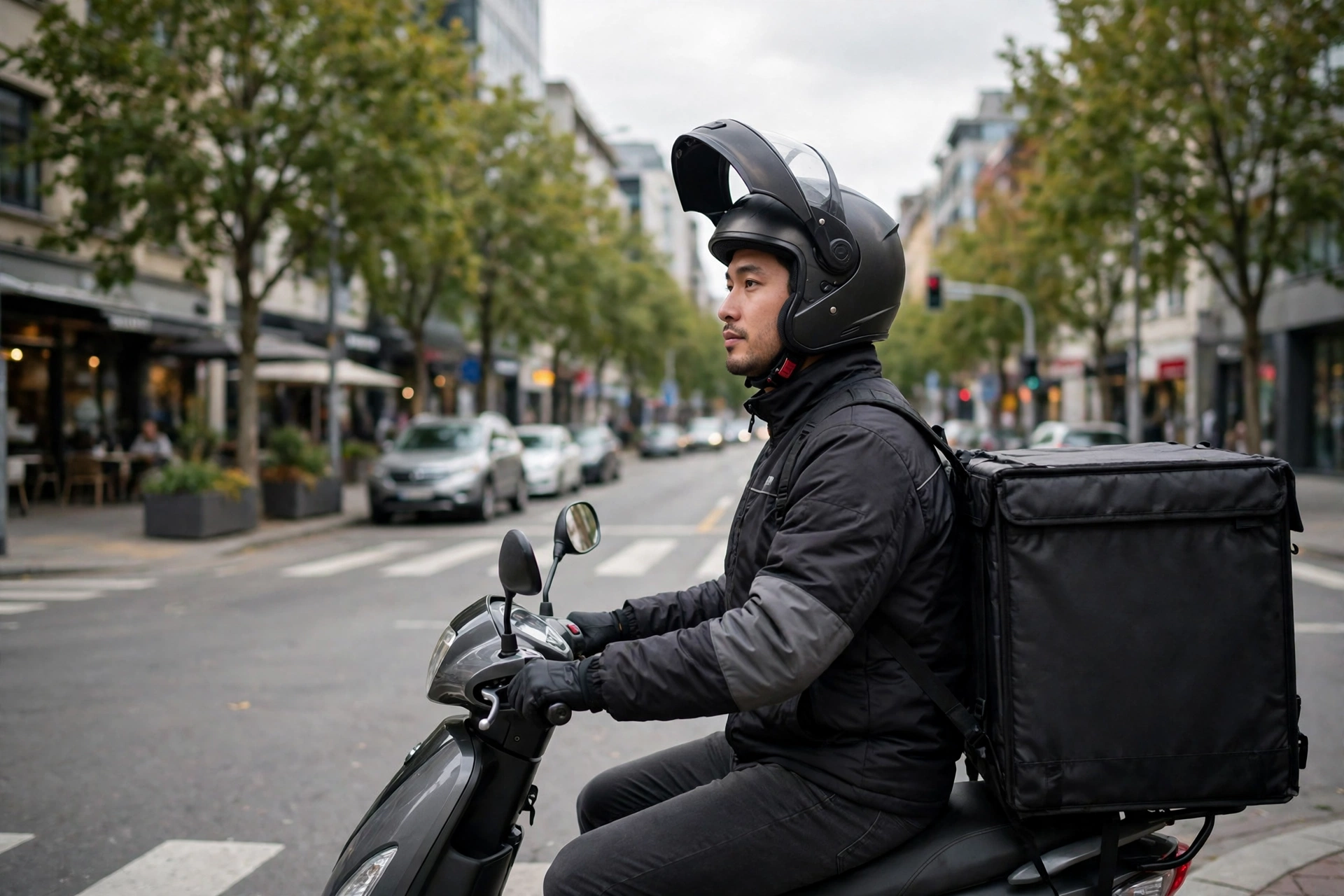
For many delivery riders, an open-face or a flip-up helmet is the practical choice. An open-face helmet is light, easy to put on and take off, and gives good airflow in traffic, but it leaves the face exposed. A flip-up, or modular, helmet offers the best of both: you can ride with the chin bar down for full protection, and flip it up when you stop to talk to a customer, without taking the helmet off at all. That convenience is a real advantage over a long shift.
A full-face helmet gives the most protection, and it is the safest choice in general terms. It is also warmer in hot weather and slower to take on and off, which matters when you are stopping constantly. Some delivery riders choose a full-face helmet and accept the extra effort, while others prefer a flip-up for the balance of protection and convenience. The right choice depends on your priorities, but protection should always come first — a helmet that is easy to use is no help if it does not protect you well.
What Features Matter Most for Delivery Riders?
Ventilation is one of the most important features. Look for a helmet with a chin vent and top vents that work at low speed, and a visor that can be cracked open slightly to let air in while you wait in traffic. A helmet that stays cool and dry is a helmet you will be happy to wear for a whole shift, and it helps you stay alert and comfortable.
Weight is the second feature to weigh carefully. A helmet that feels fine for twenty minutes can feel heavy after six hours, so choose the lightest helmet you can that still fits well and meets the safety standards for your area. A light helmet is also easier to carry when you walk into a restaurant or a customer’s building, which delivery riders do many times a day.
Practical details make a difference too. A quick-release chin strap buckle saves time at every stop, and a washable liner is almost essential, because a helmet worn for long shifts in all weather will need regular washing. A clear visor that is easy to clean matters in rain and dust, and a helmet with a sun visor built in saves you from carrying sunglasses. If you want to understand the safety technology inside modern helmets, reading about what MIPS is for helmets can help you compare your options.
How Do Delivery Riders Stay Comfortable in Hot and Wet Weather?
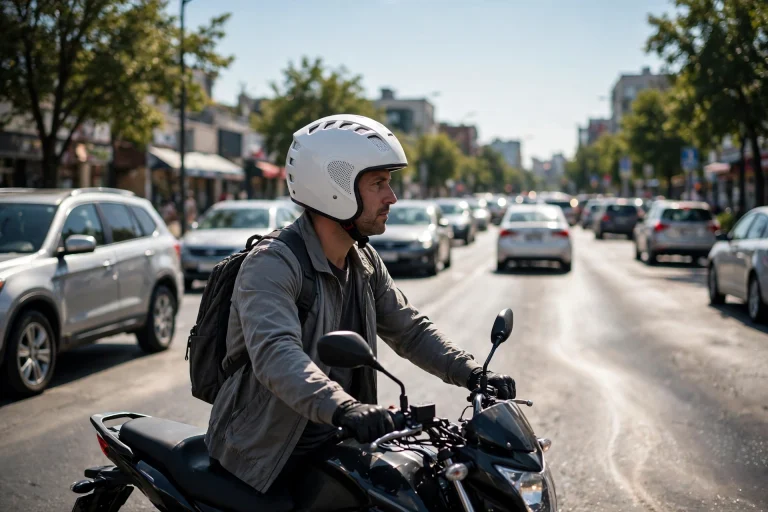
In hot weather, ventilation and a light-coloured shell make the biggest difference. A white or pale helmet absorbs less heat from the sun than a black one, and open vents let air flow through even at low speed. A thin, moisture-wicking liner cap can keep sweat off your skin and help the helmet feel cooler. Drink water regularly during your shift, and take the helmet off in the shade whenever you stop for a break, so both you and the helmet can cool down.
In wet weather, a full-face or flip-up helmet with the chin bar down keeps rain off your face, and a clear visor with an anti-fog insert helps you see clearly. Keep the visor clean, because a dirty visor is harder to see through in rain, and consider a visor treatment or a small visor peak to help rain run off. Make sure the vents are not letting rain in — closing the top vents in heavy rain and relying on the chin vent can keep the inside drier.
How Should a Delivery Rider Look After Their Helmet?
A helmet used for delivery work gets far more wear than a weekend helmet, so it needs regular care. Wash the liner often — many helmets have a removable liner that can be hand-washed and air-dried overnight, which is ideal if you ride every day. Wipe the shell and visor clean after each shift, and check the vents for dust and insects that can block the airflow.
Store the helmet somewhere safe between shifts, in a cool, dry place, and not on the bike where it can fall or be stolen. Do not hang it by the strap, and keep it away from petrol fumes and strong chemicals. In general terms, a helmet is the most important piece of a delivery rider’s kit, and looking after it is part of looking after yourself on the job.
Frequently Asked Questions
Q: What is the best helmet type for food delivery riders?
A: In general terms, a flip-up helmet suits many delivery riders, because you can ride with the chin bar down and flip it up at stops without removing the helmet. A full-face helmet gives the most protection, so weigh convenience against protection when you choose.
Q: How do I keep cool wearing a helmet all day in traffic?
A: Choose a light helmet with vents that work at low speed, wear a moisture-wicking liner cap, pick a light-coloured shell, and take the helmet off in the shade during breaks. Drink water regularly and wash the liner often so it stays fresh.
Q: Should delivery riders wear a hi-vis helmet?
A: A bright or reflective helmet helps other road users see you, which matters when you spend all day in traffic. It is not a replacement for careful riding, but it is a simple way to be more visible, especially in rain and at night.

Olivia
Writer at Helmet Today, covering helmet reviews, fit and riding safety.