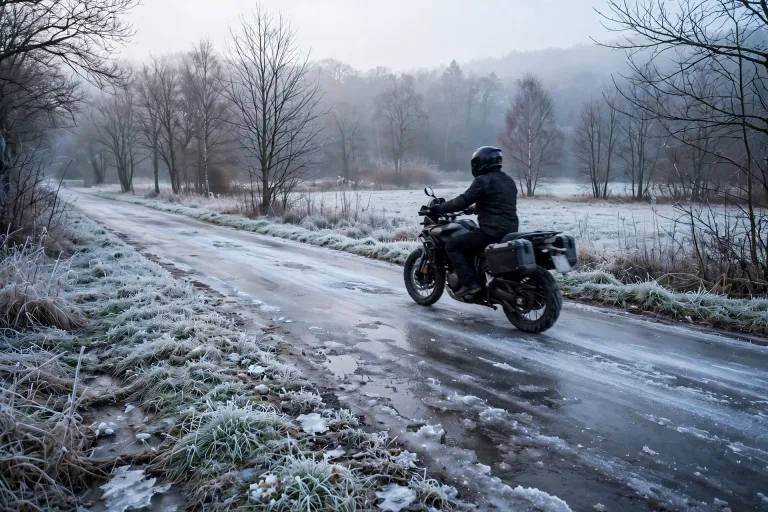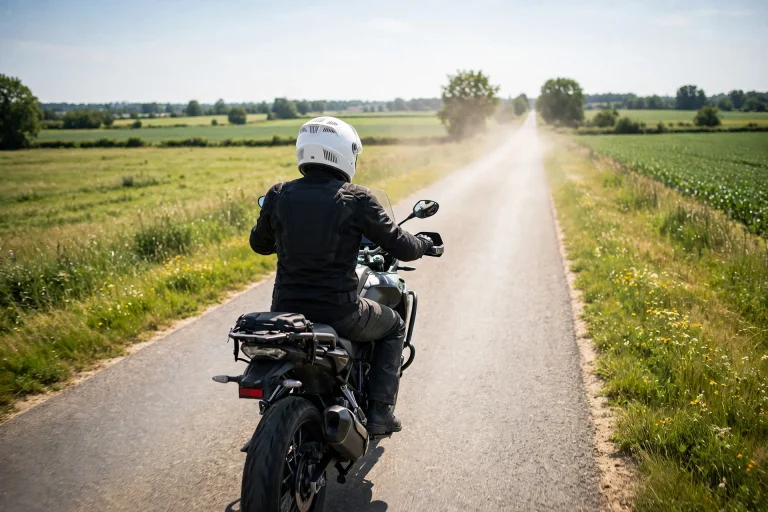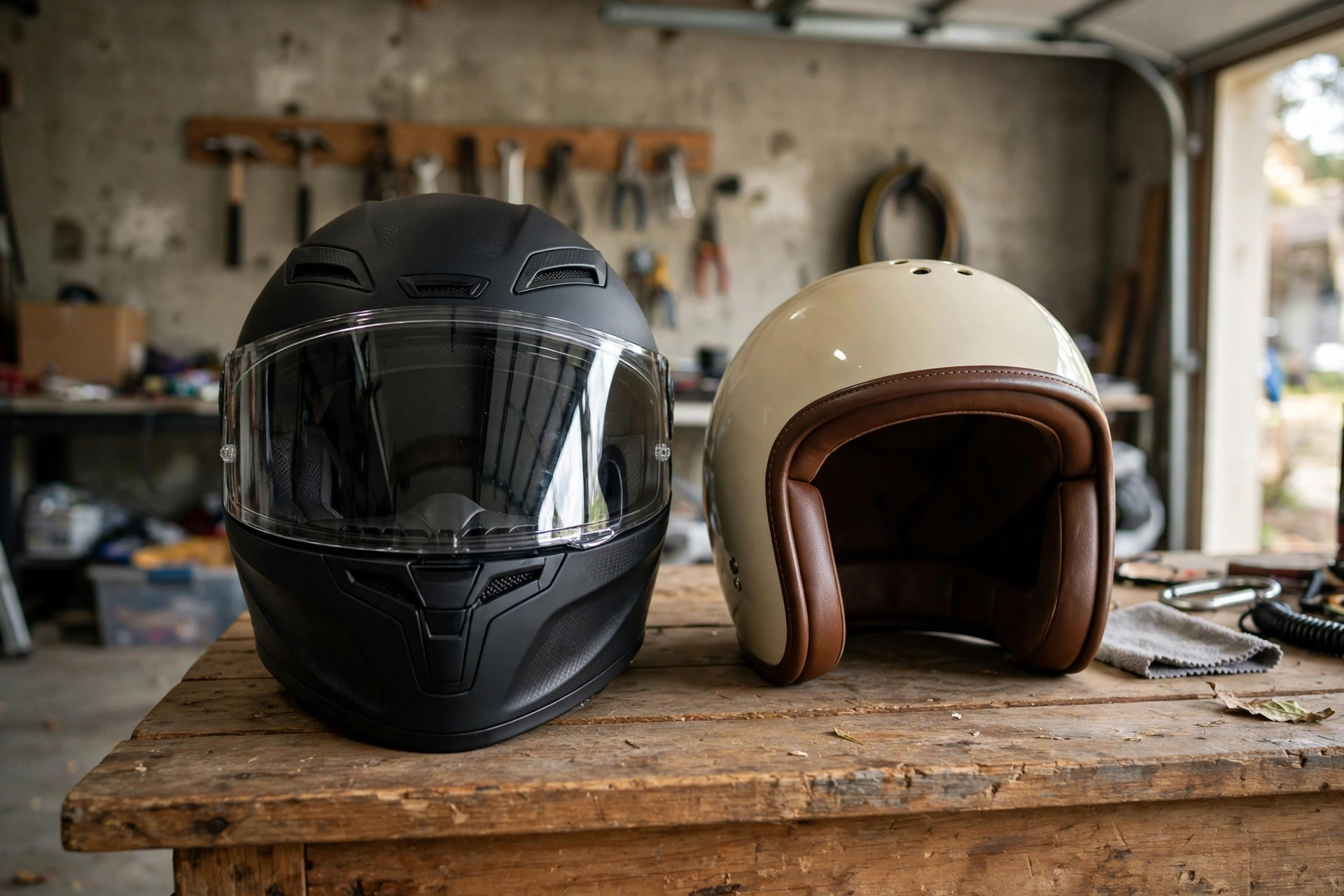
A motorcycle helmet and a scooter helmet differ mainly in the level of protection and the speeds they are built for, and in general terms a motorcycle helmet is a stronger, faster-speed helmet, while a scooter helmet is often a lighter, open-face helmet made for slower city riding. Many riders use the two words as if they mean the same thing, but the difference matters. A helmet that is right for a short, slow ride through town may not be enough for a faster motorcycle, and a heavy motorcycle helmet may feel like too much for a gentle scooter trip. Knowing the difference helps a rider to choose the right helmet for the ride they actually do.
The key is not the label on the box but what the helmet is built to do: how much of the head it covers, how strong the shell is, how well it copes with wind at speed, and how it fits. A rider who understands those points can make a sensible choice.
What is a motorcycle helmet?
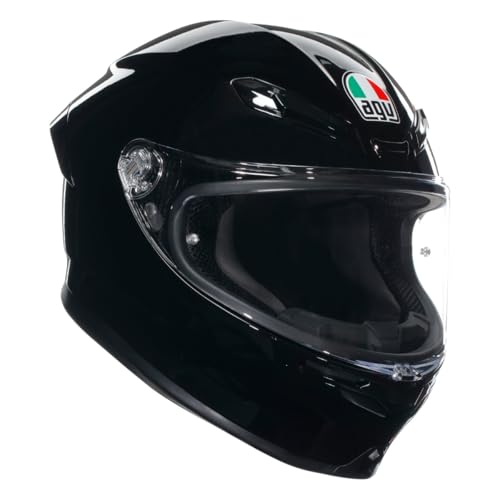
A motorcycle helmet is a helmet made for riding a motorcycle, usually at higher speeds and over longer distances. Most motorcycle helmets are full-face helmets, covering the whole head, the chin, and the jaw, with a visor that seals against wind, rain, and insects. They are built with a strong outer shell and a thick impact-absorbing lining, and they are made to cope with the wind and the noise of fast riding. In general terms, a motorcycle helmet gives the most complete protection of any helmet a rider can wear.
Motorcycle helmets come in several styles, including full-face, modular, and open-face, but the full-face style is the most common for road riding. A modular helmet has a chin bar that lifts up, which is handy at a fuel stop or in traffic, while an open-face motorcycle helmet leaves the face open and is usually worn with goggles.
What is a scooter helmet?
A scooter helmet is a helmet worn by a scooter rider, and it is often an open-face or half helmet that is light, easy to put on, and easy to carry. Scooters are usually ridden at lower speeds in towns and cities, often for short trips, and many riders choose a helmet that feels light and cool for that kind of riding. A scooter helmet may have a small peak or a short visor, and it may be easier to store under the seat or in a top box.
That lightness comes with a trade-off. An open-face scooter helmet leaves the chin and the jaw uncovered, and a half helmet covers even less of the head. In a fall, the face and the jaw are among the parts most likely to strike the road, so a rider in an open-face helmet has less protection there. In general terms, a scooter helmet is a reasonable choice for slow city riding, but it gives less protection than a full-face motorcycle helmet, and a rider who rides faster or further should think carefully about that gap.
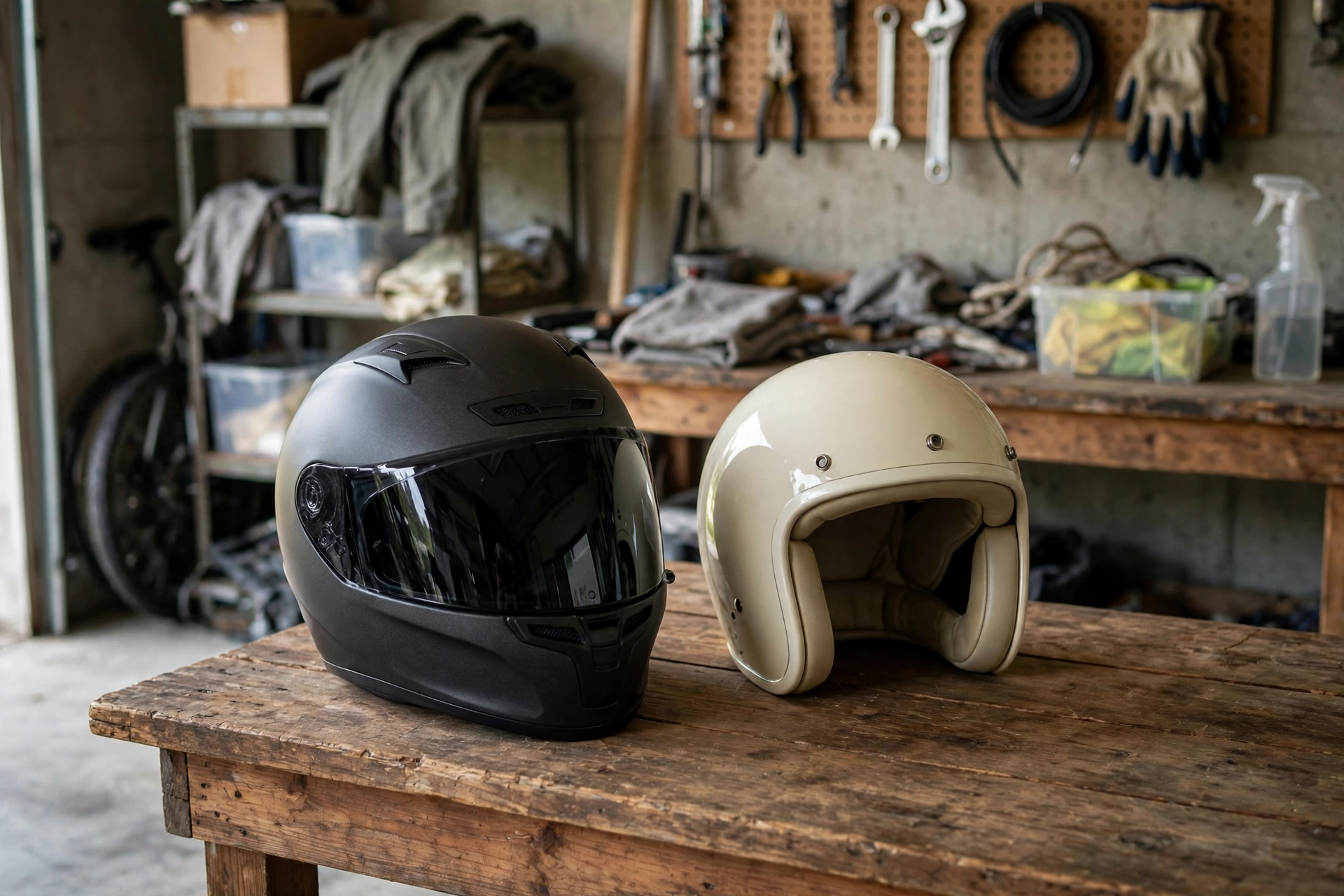
How do motorcycle and scooter helmets differ in protection?
Motorcycle and scooter helmets differ in protection mainly in how much of the head they cover and how they are built for speed. A full-face motorcycle helmet covers the chin, the jaw, and the whole face, and its visor seals the eyes from wind and debris. A typical scooter helmet, if it is open-face, covers the top and the back of the head but leaves the face open. That difference matters in a fall, because the chin bar of a full-face helmet can take a knock that would otherwise reach the rider’s face.
The shell and the lining also differ. Motorcycle helmets are usually built with a stronger shell and a thicker lining, because they are made for higher speeds and harder impacts. Scooter helmets can be lighter and thinner, which feels comfortable in town but may offer less in a harder fall. A rider should also check that any helmet they buy is certified for road use in their country, because a helmet without proper certification may not have been tested to the standard the rider expects.
Which helmet should I choose for my ride?
The right helmet depends on the ride. A rider who uses a scooter for short, slow trips in town may be happy with a light open-face helmet that is easy to wear and easy to carry, as long as they understand that it gives less face protection. A rider who rides a scooter faster, on open roads, or for longer distances should consider a full-face helmet, because the speeds and the risks are closer to those of a motorcycle. In general terms, the faster and further the ride, the more protection the rider should choose.
A rider on a motorcycle should, in general terms, choose a full-face motorcycle helmet, because it gives the best protection for the speeds a motorcycle reaches. The helmet should fit snugly, sit level on the head, and work with the rider’s glasses or goggles if they wear them. Comfort matters too, because a helmet that is hot, heavy, or noisy will tempt a rider to leave it at home. The best helmet is the one that fits well, is certified, and is worn every time.
How should I look after either helmet?
Either helmet should be looked after with regular cleaning and sensible storage, in the same way as any road helmet. After a ride, the rider should wipe the shell clean, air out the lining, and let the helmet dry naturally away from direct heat. Strong heat, such as a hot car, can harm the materials in a helmet over time, so a cool, dry place is a better choice for storage. The visor should be cleaned with water and a soft cloth so that it stays clear.
The helmet should be kept where it will not be knocked about or sat on, because a hard knock can damage it even when no crack is visible. A helmet bag is a simple way to protect it between rides. In general terms, a helmet that has taken a serious impact should be replaced rather than used again, because the damage may not be easy to see. Riders who are choosing a new helmet may also want to learn about features that can help in a fall, including a system designed to reduce rotational forces, such as MIPS, which is found in some motorcycle helmets. A well-kept helmet, worn every ride, gives a rider the best chance of a safe trip, whether on a motorcycle or a scooter.
Can I wear a motorcycle helmet on a scooter?
Yes, in general terms a motorcycle helmet can be worn on a scooter, and it gives more protection than a light scooter helmet. Many scooter riders choose a full-face motorcycle helmet for longer or faster rides.
Can I wear a scooter helmet on a motorcycle?
In general terms, a scooter helmet that is certified for road use can be worn on a motorcycle, but it may give less protection, especially if it is open-face. A rider on a motorcycle should, in general terms, choose a full-face motorcycle helmet.
Is an open-face helmet safe enough for city riding?
An open-face helmet can be a reasonable choice for slow city riding, because it is light and gives a wide view. It does, however, leave the face and chin uncovered, so a rider who wants the most protection should choose a full-face helmet.

Olivia
Writer at Helmet Today, covering helmet reviews, fit and riding safety.