For very cold days, choose a ski helmet with a warm, full-coverage liner, few or closable vents, and ear pads that fully cover your ears — in general terms, insulation in a ski helmet comes from trapped air in the liner and ear coverage, not from the shell, so a helmet that seals out wind and holds warm air around your head will feel far warmer than a heavily vented one.
Skiers often blame their jacket or gloves when they feel cold, but the head loses heat fast on a lift in a biting wind, and a summer-weight vented helmet makes it worse. Understanding what actually insulates a helmet helps you pick the right one without overbuying.
What Makes One Ski Helmet Warmer Than Another?
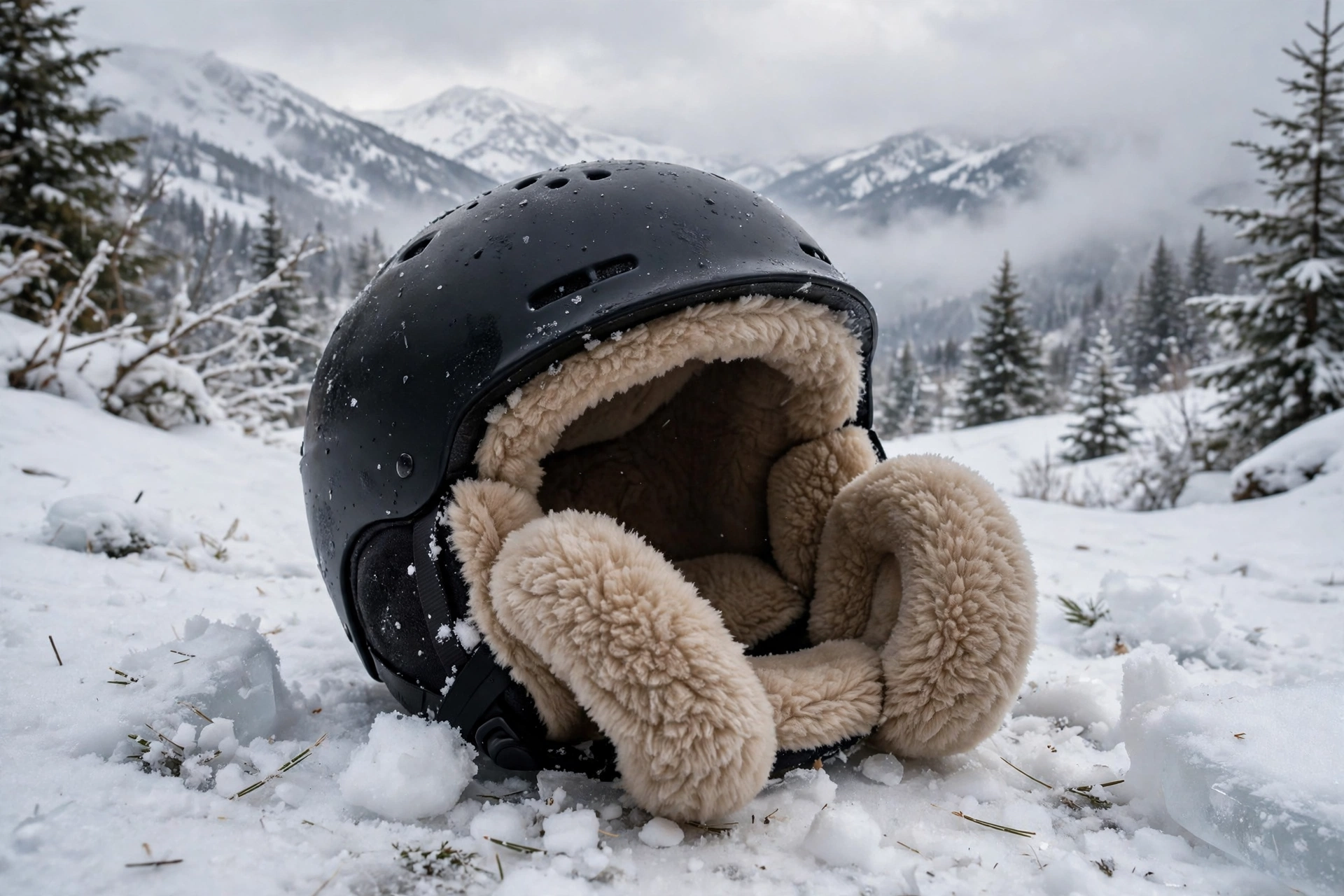
The liner does most of the work. A thick, soft liner with full ear coverage traps a layer of warm air against your head, while a thin, minimal liner lets that air escape. Some helmets use fleece or brushed linings that feel warmer against the skin, and some add extra padding around the ears and neck where wind chill bites hardest.
Vents are the other big variable. Every open vent is a hole that lets warm air out and cold air in, which is welcome on a spring day and miserable at well below freezing. Helmets with closable vents let you seal up for the lift and open up for a hard run, and that adjustability is worth more than any single insulation claim.
Shell construction plays a smaller role. In general terms, a full-coverage shell that extends lower at the back and sides shields more of your head from wind than a short, high-cut shell, but the shell itself is thin plastic and foam — it insulates by blocking wind, not by holding heat.
How Do Vents Affect Warmth on a Freezing Day?
On a very cold day, close them. Open vents create a chimney effect: warm air rises out of the top vents and cold air is drawn in at the front, which cools your head steadily on every lift ride. Closing the vents breaks that draught and lets the liner do its job.
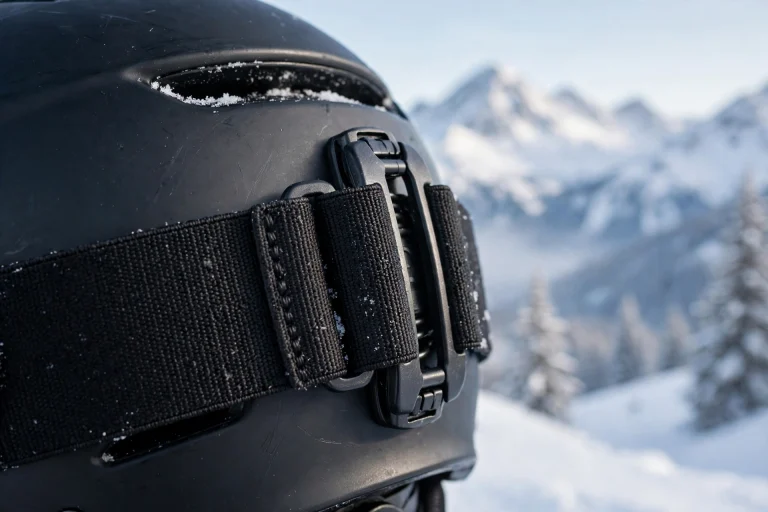
Vent placement matters too. Top vents lose the most heat, brow vents feed cold air straight onto your forehead, and rear vents matter least. If your helmet’s vents cannot all be closed, covering the top and brow vents with tape or a vent cover on the coldest days is a common, practical workaround — just remove it when temperatures rise.
Watch for fogging when you seal up. A fully closed helmet traps moist breath, which can fog goggles. The fix is usually goggle ventilation and a good face seal, not reopening the helmet vents — keep the helmet sealed and let the goggles breathe.
What Should You Wear Under a Cold-Weather Helmet?
A thin balaclava is the best base layer. It adds a windproof layer without changing the helmet’s fit much, covers the neck and lower face, and wicks sweat away from the skin. Choose one made for helmets — thin, stretchy, and without bulky seams over the ears.
Avoid thick beanies under a helmet. A chunky knit lifts the shell off your head, changes the fit, and can push the helmet out of position, which reduces both warmth and protection. If you need more warmth than a balaclava gives, add a thin fleece liner cap rather than a thick hat.
Protect the neck gap. The space between helmet and jacket collar is where wind sneaks in, so a neck gaiter or a jacket with a high collar that meets the helmet makes a real difference. Tuck the gaiter inside the collar, not over the helmet’s fit system, so adjustments still work.
Do Ear Pads and Fit Change How Warm a Helmet Feels?
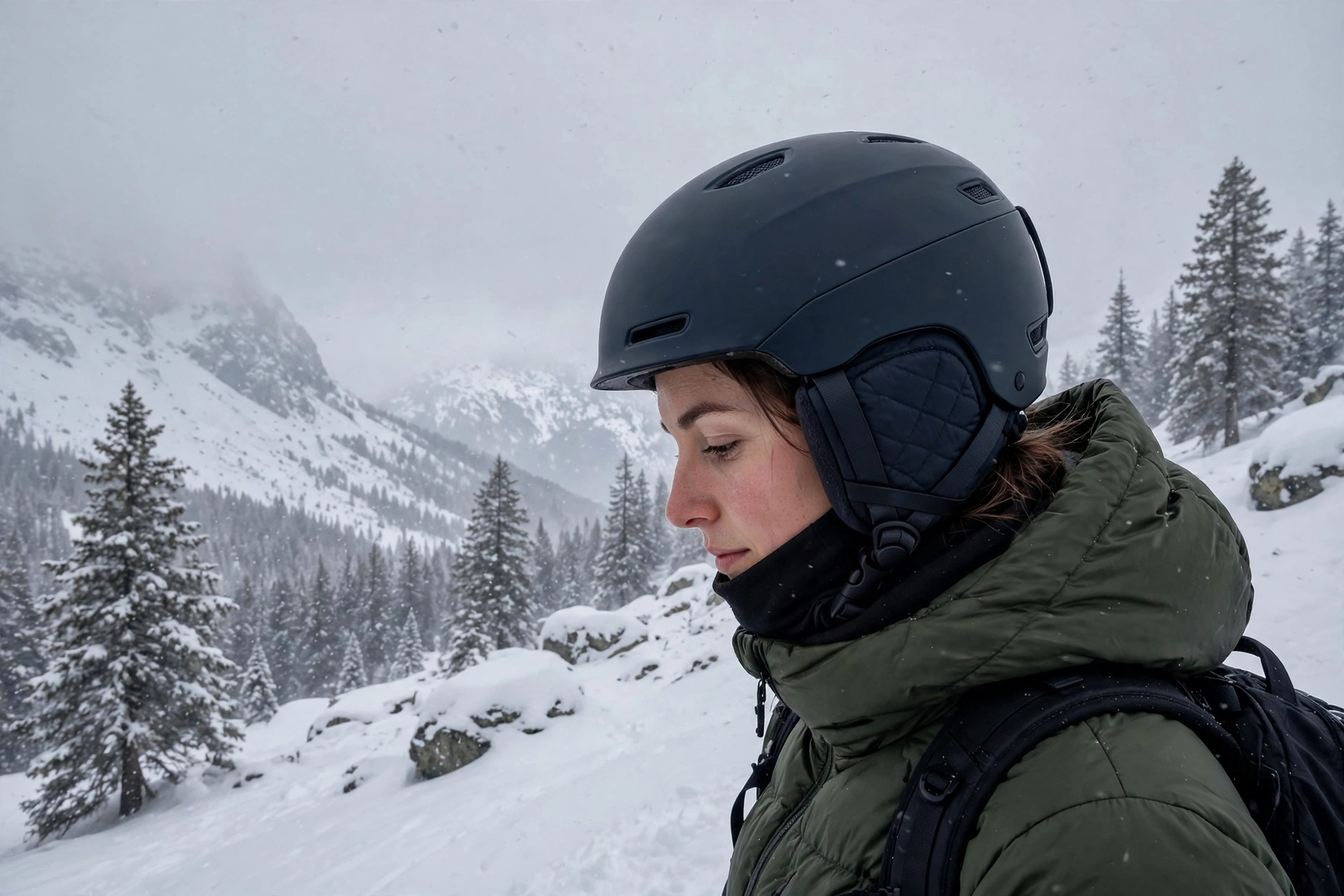
Yes, more than most skiers expect. Ears are exposed, thin-skinned, and quick to feel cold, so ear pads that fully cover the ear — rather than sitting on top of it — are the single most noticeable warmth feature on a cold day. Some helmets offer thicker winter ear pads as a spare part, which is an easy upgrade.
Fit affects warmth too. A helmet that is too loose lets cold air circulate inside the shell, while a helmet that is too tight compresses the liner and squeezes out the trapped air that insulates. The warmest fit is snug and even, with the liner in full contact with your head all the way round.
Check the goggle seal as well. A gap between goggle and helmet — the so-called “gaper gap” — lets wind straight onto your forehead, which feels far colder than the rest of your head. A helmet and goggle combination that meets cleanly at the brow keeps that draught out.
When Is a Helmet Too Warm, and What About Safety?
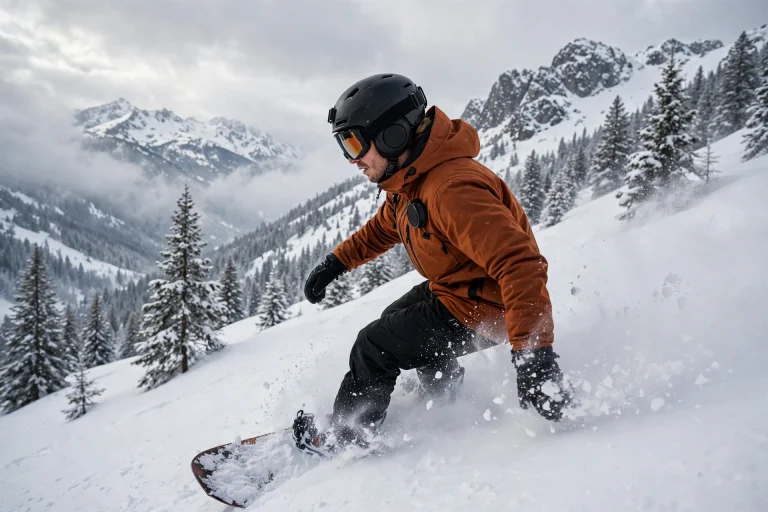
Overheating is a real problem on hard runs, even on cold days. Sweat that soaks the liner then chills you on the next lift ride, so the goal is adjustable warmth, not maximum warmth: closable vents, a liner you can manage, and layers you can add or remove. Open the vents for the descent, close them for the lift.
Never compromise fit or certification for warmth. A warm helmet that is too big, or a non-certified winter hat worn instead of a helmet, is a bad trade. Insulation features — liners, ear pads, vent covers — should sit on top of a correctly fitted, certified helmet, not replace one. The helmet’s job of managing impact, including the rotational forces described in this guide to what MIPS is for helmets, depends on it staying in position, which is why fit comes before warmth in every decision.
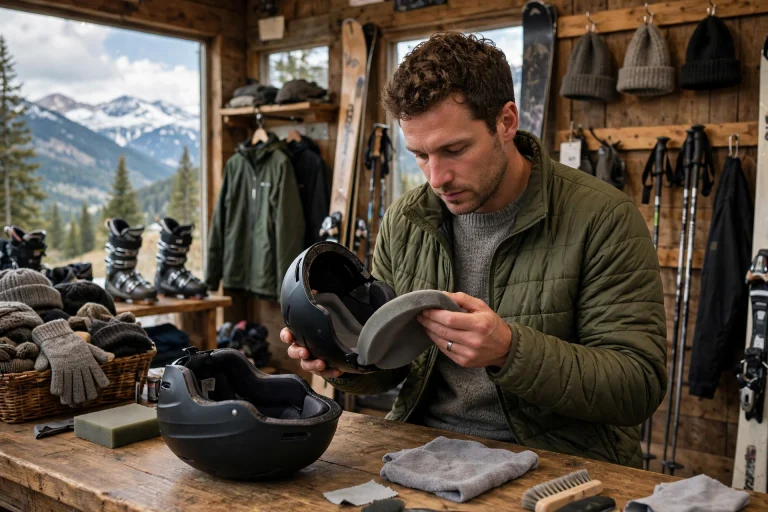
Finally, dry the helmet properly. A damp liner from the day’s sweat will feel cold the next morning, so air-dry the helmet overnight with the liner exposed, and never dry it on a radiator or with direct heat, which can damage foam and glue.
Frequently Asked Questions
Q: Can I just wear a thick beanie under my normal helmet in extreme cold?
A: In general terms, no — a thick beanie changes the fit, lifts the shell, and can push the helmet out of position. A thin balaclava designed for helmets adds warmth without disturbing the fit, which is the safer and warmer option.
Q: Are helmets marketed as “warm” actually warmer?
A: Sometimes, but check what makes them warm: full ear coverage, a thicker liner, and closable vents are real features. A helmet that is simply heavier or bulkier is not automatically warmer — trapped air and wind sealing are what count.
Q: Should I close all the vents on a very cold day?
A: Yes, for lift rides and gentle cruising, closing the vents keeps warm air in. Open them briefly for hard exertion if you start to sweat, then close them again before the next lift — managing vents through the day beats leaving them in one position.

Olivia
Writer at Helmet Today, covering helmet reviews, fit and riding safety.