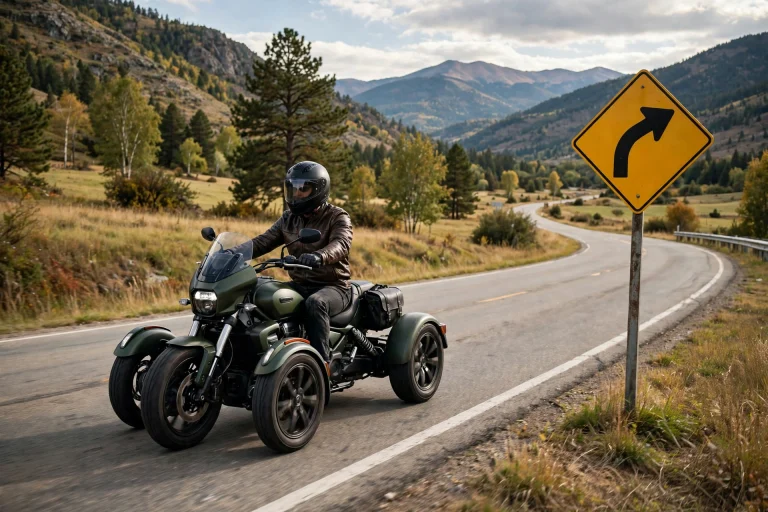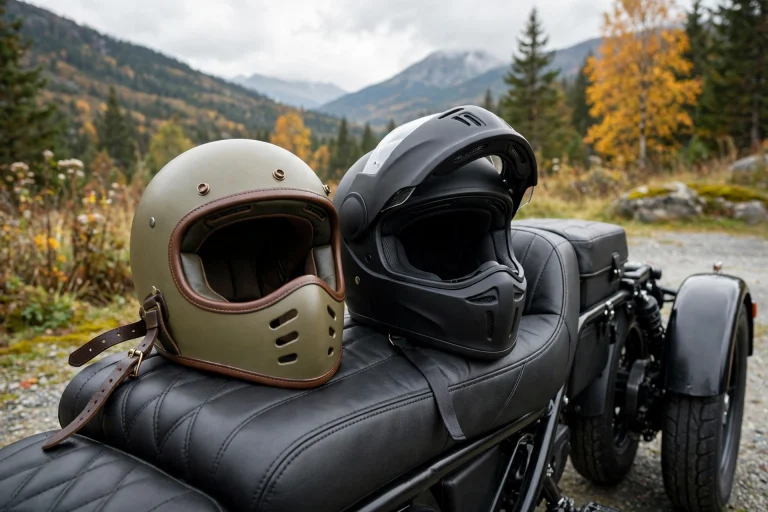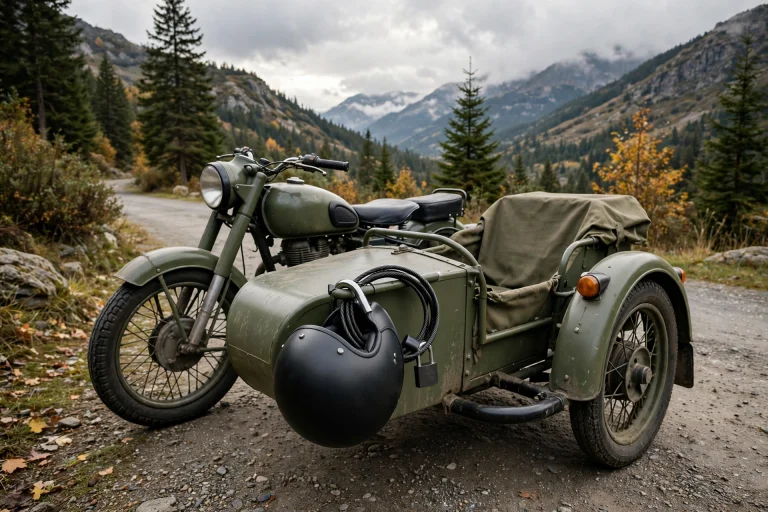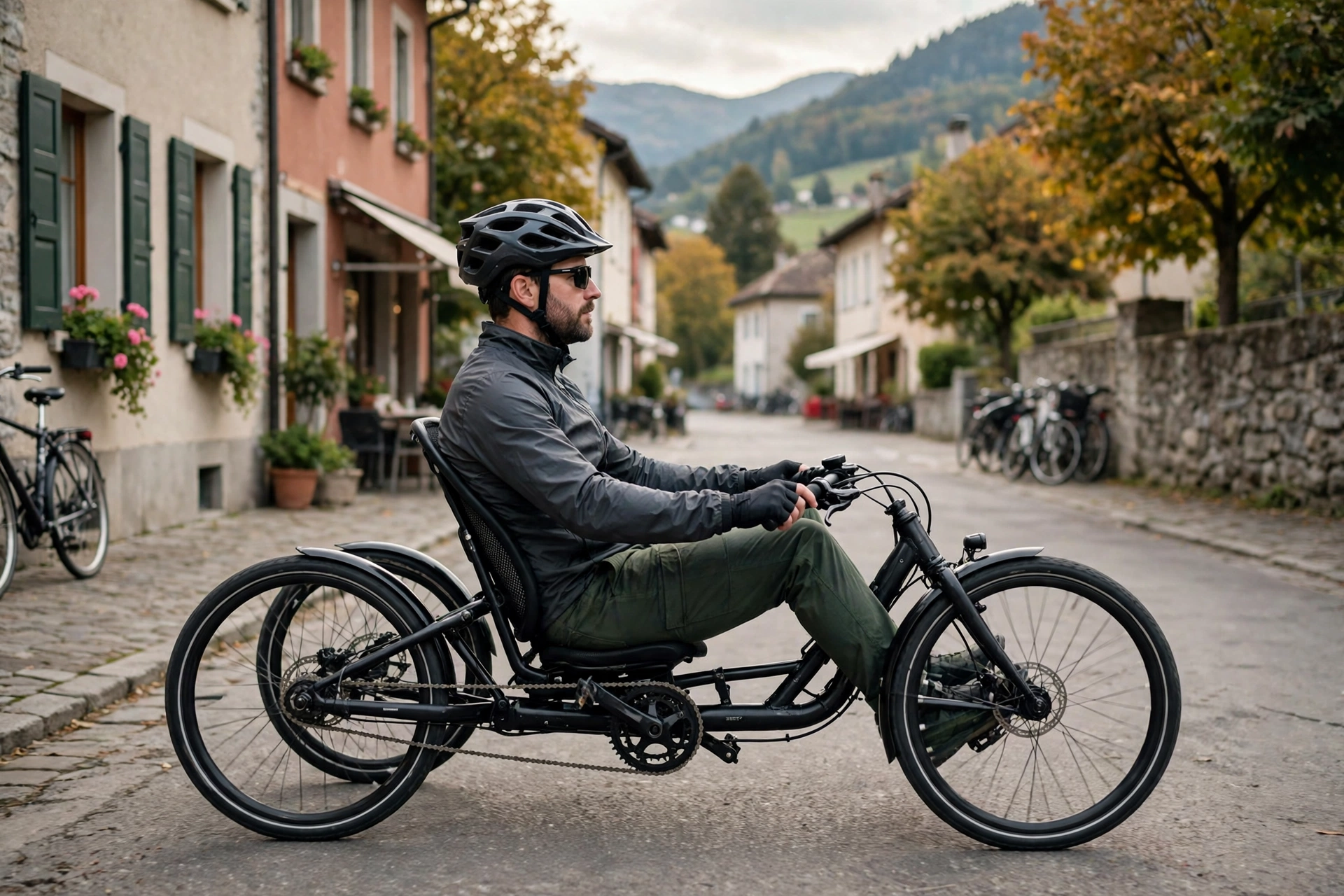
Trike helmet ventilation for slow-speed riding works best when the helmet has large, easy-to-open front vents and rear exhaust vents that let air flow through even when there is little wind from speed. In general terms, a helmet that relies on speed to push air through will feel hot and stuffy at slow speeds, so trike riders need vents that work with the gentle airflow of a slow ride, not just at motorway speed.
Trike riding is often slow: town riding, country lanes, touring at a relaxed pace, and long stretches at low speed. That is a different ventilation problem from a sports bike at high speed, where the wind does most of the work. This guide explains how trike helmet ventilation works at slow speeds and what to look for.
Why Is Slow-Speed Ventilation Different?
At high speed, air is forced into the helmet’s front vents and out through the rear exhaust vents, which creates a steady flow that cools your head and clears moisture. At slow speed, there is much less pressure to push the air through, so the flow drops and the helmet can feel hot and stuffy. The warm, moist air from your breath and your head has nowhere to go, so it builds up inside the helmet, and the visor can fog, especially in cold or damp weather.
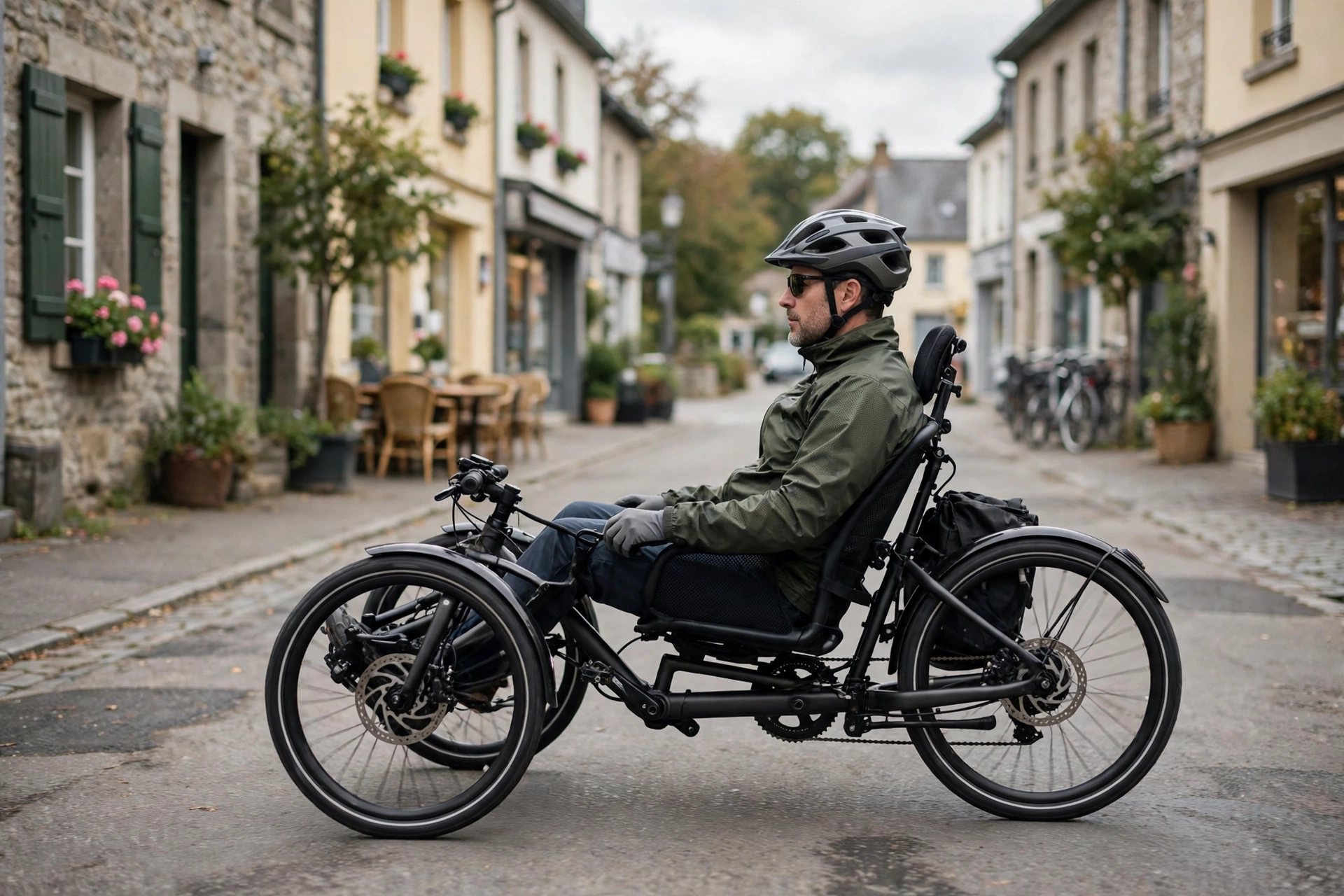
Trike riders feel this more than most, because they ride slowly for much of the time and they sit upright, which means the vents may not face directly into the wind. A helmet designed for high-speed riding may have vents that only work well when the rider is leaning forward at speed, and those vents can be almost useless on a slow, upright trike ride. That is why it is worth choosing a helmet with ventilation designed to work at low speed, not just at high speed.
What Vent Features Help at Slow Speeds?
Look for a helmet with large front vents that can be opened wide, because a bigger opening lets in more air even when the airflow is gentle. A chin vent is particularly useful, because it sits low and catches air even when you are upright, and it directs air up across the inside of the visor, which helps prevent fogging. Some helmets have a vent on the top that can be opened to let hot air out, which helps when you are stopped at lights or riding slowly in traffic.
Rear exhaust vents matter too, because they give the warm air somewhere to go. A helmet with no exhaust vents will trap hot air inside, however good the front vents are. Look for a helmet where the vents are easy to open and close with gloves on, because a vent that is hard to operate will simply stay in one position. And check that the vents work when you are sitting upright, not just when you are leaning forward, because that is how you will ride a trike most of the time.
How Do You Keep Cool on a Slow Trike Ride?
Ventilation is the main tool, but there are other ways to stay cool. A light-coloured helmet absorbs less heat from the sun than a dark one, which makes a real difference on a hot day. A helmet with a light, moisture-wicking liner will feel cooler than one with a heavy, non-breathable liner, and a liner you can remove and wash will stay fresher through a long summer of riding.
On a hot day, opening all the vents and cracking the visor open slightly will let air flow through the helmet, even at slow speed. A cooling neck tube or a damp bandana under the helmet can help, though it should not interfere with the fit or the strap. And if you stop for a break, take the helmet off and let your head cool down, rather than sitting in the sun with the helmet on. Small habits like these make a long, slow ride much more comfortable.
How Do You Stop the Visor Fogging at Slow Speeds?
Visor fogging is worse at slow speeds, because there is less airflow to clear the moisture from your breath. An anti-fog visor insert is the most effective fix: it creates a double layer that keeps the inner surface warmer, so moisture is less likely to condense on it. Make sure the insert is fitted properly, with no gaps at the edges, and replace it if it becomes scratched or cloudy.
Open the chin vent and crack the visor open a fraction, which lets fresh air in and carries moist air out. Breathing through your nose rather than your mouth directs less warm air at the visor, and a breath deflector can help guide your breath away from the visor. If you want to understand the helmet itself better, reading about what MIPS is for helmets can help you make sense of the safety features listed on the box, so you can choose a helmet that protects well and ventilates well at the speeds you actually ride.
What Should You Check Before Buying?
Before you buy a helmet for slow-speed trike riding, try it on and check the vents. Open and close each vent with gloves on, and check that you can feel air flowing through the helmet when you move your head or when someone blows air at the front. Sit on the trike if you can, and check that the vents face into the wind in your normal riding position, not just when you lean forward.
Ask about the liner: is it removable and washable, and does it wick moisture? Check the weight, because a heavy helmet is more tiring on a long, slow ride, and check the visor: is it easy to open and close, and does it have an anti-fog option? A helmet that ventilates well at slow speed will make every ride more comfortable, and it is worth taking the time to find one that suits the way you ride.
Frequently Asked Questions
Q: Why does my helmet feel hotter on a trike than on a motorcycle?
A: In general terms, it is because trike riding is often slower and more upright, so there is less wind forcing air through the vents. A helmet with large, easy-to-open vents and good exhaust vents will feel cooler at slow speeds.
Q: Should I keep the vents open in cold weather?
A: Yes, keep at least the chin vent open, because closing the vents traps moist air and makes the visor fog. Use a neck warmer or balaclava to stay warm instead of closing the vents.
Q: Do I need a special helmet for slow-speed trike riding?
A: No, you need a motorcycle helmet that meets a recognised standard, but you should choose one with ventilation that works well at low speed, with large front vents and rear exhaust vents that you can operate with gloves on.

Olivia
Writer at Helmet Today, covering helmet reviews, fit and riding safety.