The difference between a winter and a summer motorcycle helmet comes down to airflow management. A summer helmet is built to move as much air as possible across your head; a winter helmet is built to seal air out, stop the visor fogging, and leave room for warm layers. In practice, most riders do not own two helmets — they own one good year-round helmet and adapt it with closable vents, an anti-fog insert, and a balaclava as the seasons change.
That said, helmets genuinely are designed with a season in mind, and knowing which features belong to which season helps you buy the right one — or set up the one you have. Here is the full comparison.
What defines a summer motorcycle helmet?
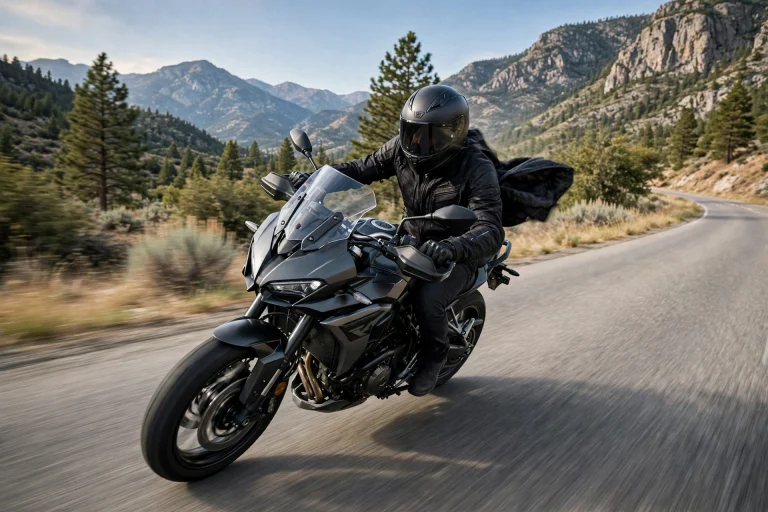
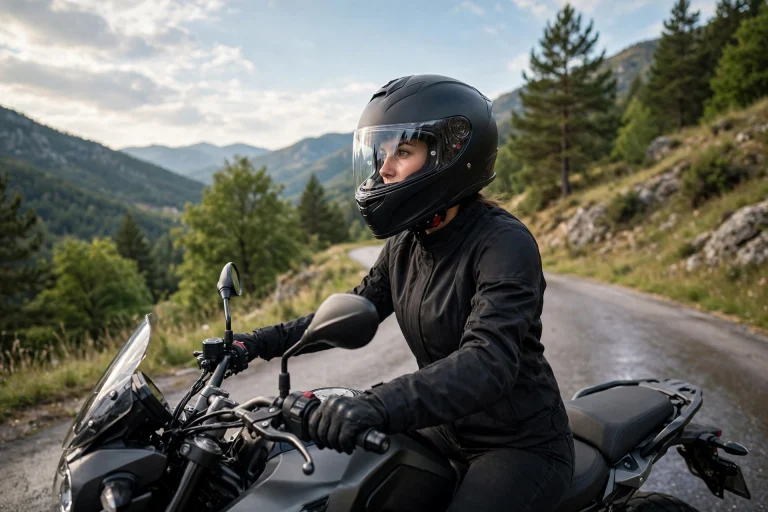
Summer helmets are ventilation machines. Expect multiple large intake vents on the chin bar and crown, exhaust ports at the rear, and internal channels carved into the impact foam to pull air across the scalp and out the back. The more upright your riding position and the hotter your climate, the more this matters — at low speeds in traffic, only generous venting and a moisture-wicking liner keep a helmet bearable.
Summer-oriented helmets also tend to be lighter, simply because riders wear them for long, hot days where neck fatigue builds. Liners are made from fast-drying, breathable fabrics, and many summer helmets use light-colored shells that absorb less heat in direct sun. A drop-down sun visor is a popular summer feature too, letting the rider deal with glare without stopping to swap visors.
The trade-off is noise and sealing. Big, permanently open vents are louder at highway speed, and a helmet designed to breathe cannot fully shut out cold air or rain — which is precisely the problem winter exposes.
What makes a helmet a winter helmet?
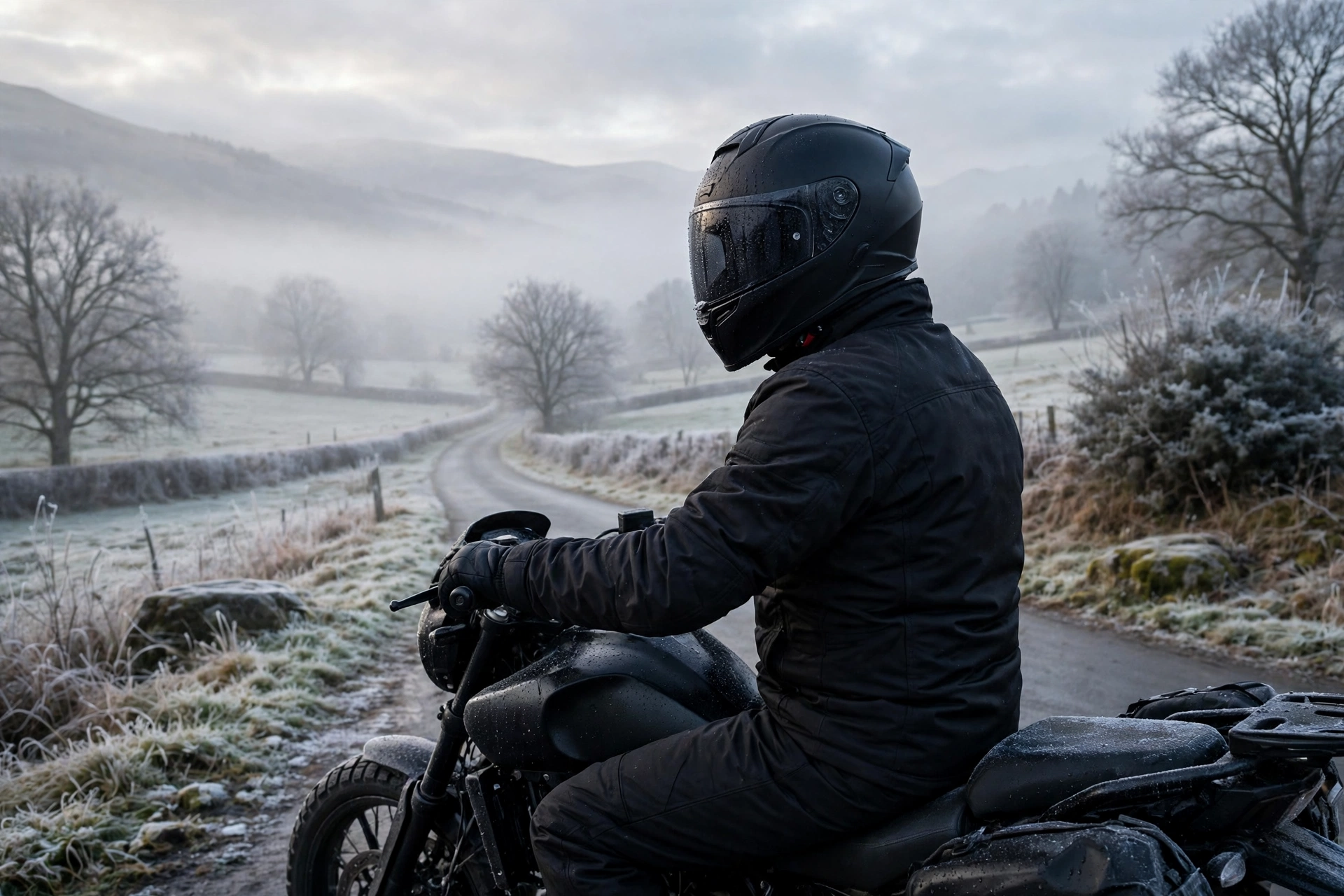
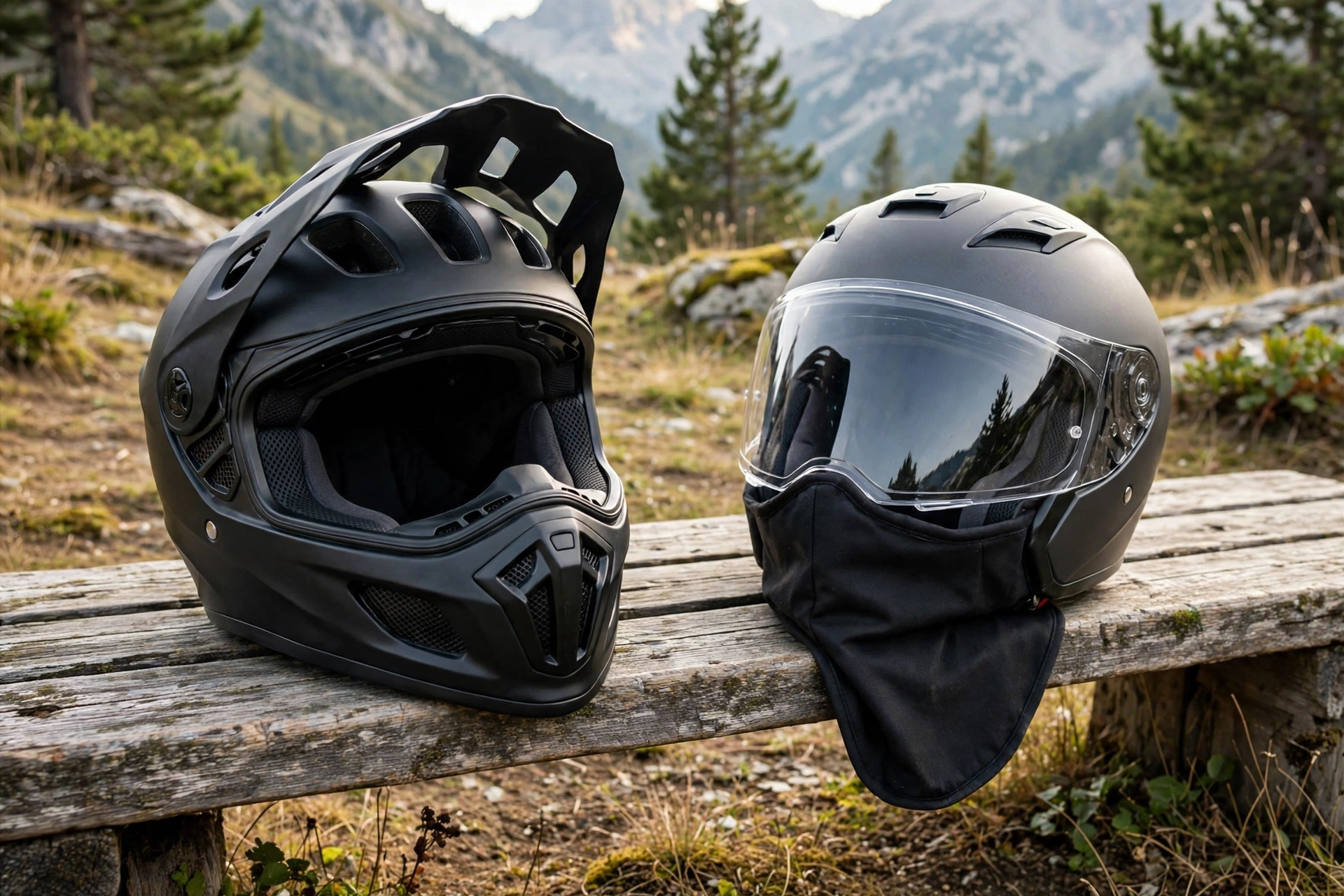
Winter helmets reverse every summer priority. Vents must close completely, not just “mostly,” because a small leak of near-freezing air at 60 mph finds your forehead in seconds. A chin curtain under the chin bar blocks the updraft that rushes in from below, and a neck roll seals the bottom edge against your jacket collar.
Fog control is the second winter pillar. Cold visor, warm breath — the visor mists over constantly unless the helmet fights it. Winter helmets therefore pair an anti-fog insert system, such as a Pinlock-ready visor, with a breath guard that deflects exhaled air downward and generous lower venting that can be cracked open for demisting. A slightly roomier fit is the third trait: winter riders wear a balaclava or liner cap underneath, and the helmet must accommodate it without becoming painfully tight.
There are trade-offs the other way, too. A drop-down sun visor mechanism adds weight and can be one more thing to fog; heavily sealed helmets feel stuffy the moment spring arrives. A true winter helmet in July is its own punishment. Winter controls matter as well: vent sliders and visor tabs must be easy to work in thick gloves, so oversized, positive-feeling controls are a genuine winter feature rather than a styling choice.
Can one helmet really work all year round?
For most riders, yes — and this is the setup manufacturers design around. Choose a mid-range full-face helmet with vents that genuinely close, a Pinlock-ready visor, a removable chin curtain, and a washable liner, and you have a helmet that adapts:
- Summer setup: all vents open, chin curtain removed, light liner cap or nothing under the helmet, sun visor or sunglasses for glare
- Winter setup: vents closed, Pinlock insert fitted, chin curtain and breath guard in place, balaclava underneath, neck warmer sealing the gap to your jacket
The riders who truly benefit from two dedicated helmets are the extremes: daily winter commuters in genuinely cold climates, and riders in very hot regions doing long summer miles. If that is you, a second helmet optimized for your hardest season is money well spent. Everyone else is better served by one quality helmet plus a small kit of seasonal accessories — which also means one helmet to maintain, inspect, and replace on schedule. When comparing models, you will also see rotational-protection systems on the spec sheet; our explainer on how MIPS works is a helpful primer.
What should be on your summer and winter feature checklists?
For summer riding, prioritize:
- Large, easy-to-operate vents you can adjust with gloves on
- Exhaust vents and visible airflow channeling, not just intake holes
- Moisture-wicking, removable, washable liner
- Lighter overall weight for long hot days
- Sun protection: drop-down visor, or a shell shape that works well with sunglasses
For winter riding, prioritize:
- Vents that seal fully shut, especially the chin vent
- Pinlock-ready or Pinlock-fitted visor, plus a breath guard
- Chin curtain and a well-sealed neck roll
- Enough internal room for a thin balaclava without pressure points
- A visor seal that keeps rain from creeping in at the top edge
Notice what does not change between seasons: the helmet must fit snugly and be properly certified in both January and July. Seasonal features are adjustments on top of fit and protection, never replacements for them.
How should fit change between summer and winter?
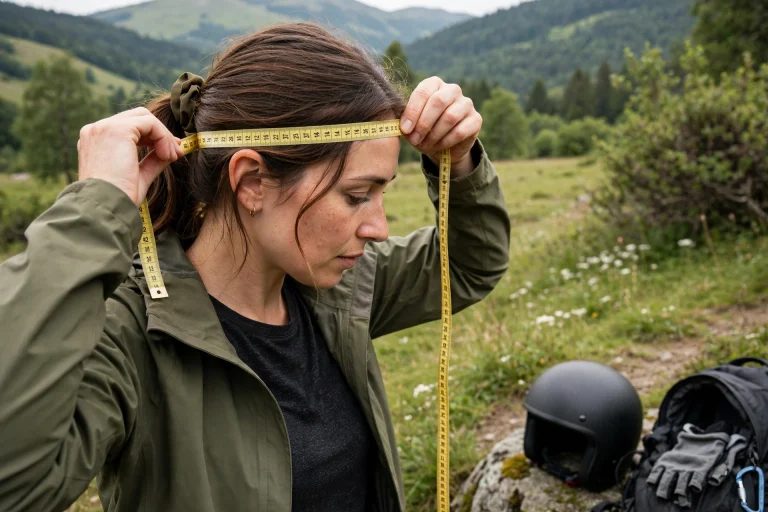
Barely — and that is the point to be careful about. In winter you will add a balaclava, which takes up a little space. A helmet that is perfectly snug in summer may feel tight with one on; a helmet bought loose to allow for it will be too loose all summer. The right answer is a helmet that fits correctly bare-headed, paired with a thin balaclava that adds minimal bulk. If you cannot wear even a thin balaclava without forehead pain, the helmet’s shape or size was marginal to begin with.
Never solve winter tightness by loosening the chin strap or removing padding, and never solve summer looseness with thick caps underneath. Seasonal layers should be thin, smooth, and consistent — then the one helmet genuinely works all year.
Frequently Asked Questions
Q: Is a winter helmet safer than a summer helmet?
A: No — safety comes from certification, fit, and condition, which are identical requirements in both seasons. Winter and summer helmets differ in venting, sealing, and fog control, not in how much protection they are built to provide.
Q: Can I just close the vents on my summer helmet for winter?
A: Partly. If your vents seal properly, add a Pinlock insert, a chin curtain, and a balaclava, and a summer helmet becomes serviceable in mild winter weather. In sustained near-freezing riding, helmets designed for winter will still be warmer and fog less.
Q: Do I need a bigger helmet for winter to fit a balaclava?
A: No. Fit your helmet correctly without layers, then use a thin balaclava. Sizing up for winter makes the helmet too loose in summer, and a loose helmet is a safety problem in any season.

Olivia
Writer at Helmet Today, covering helmet reviews, fit and riding safety.