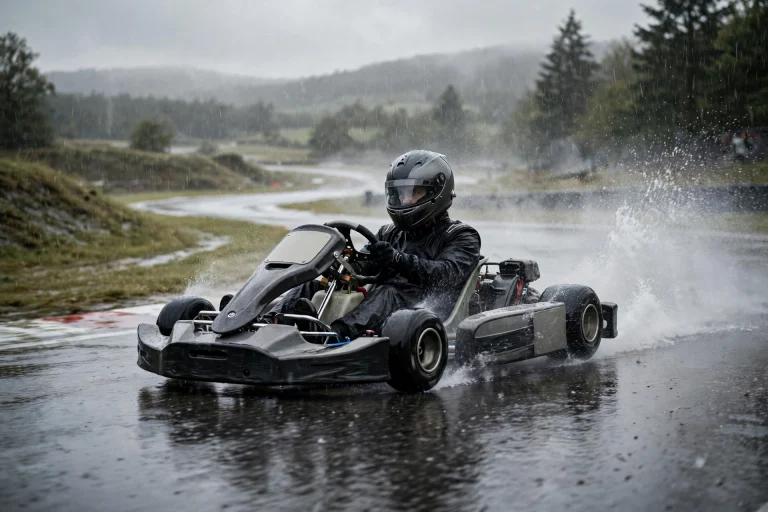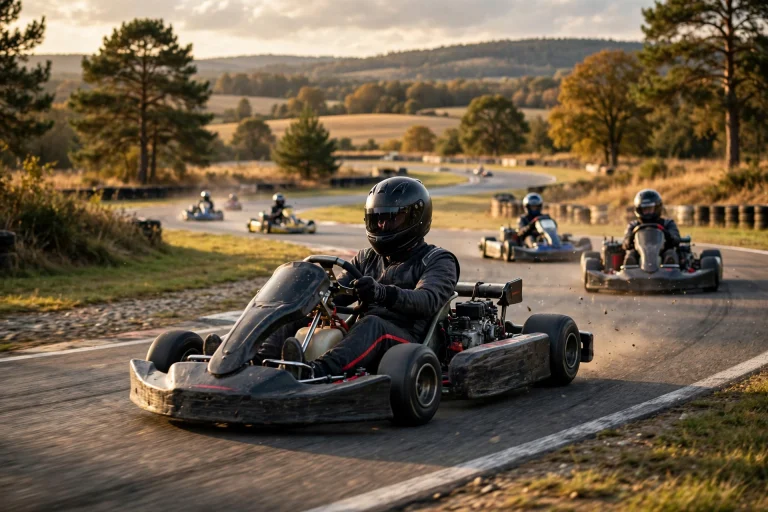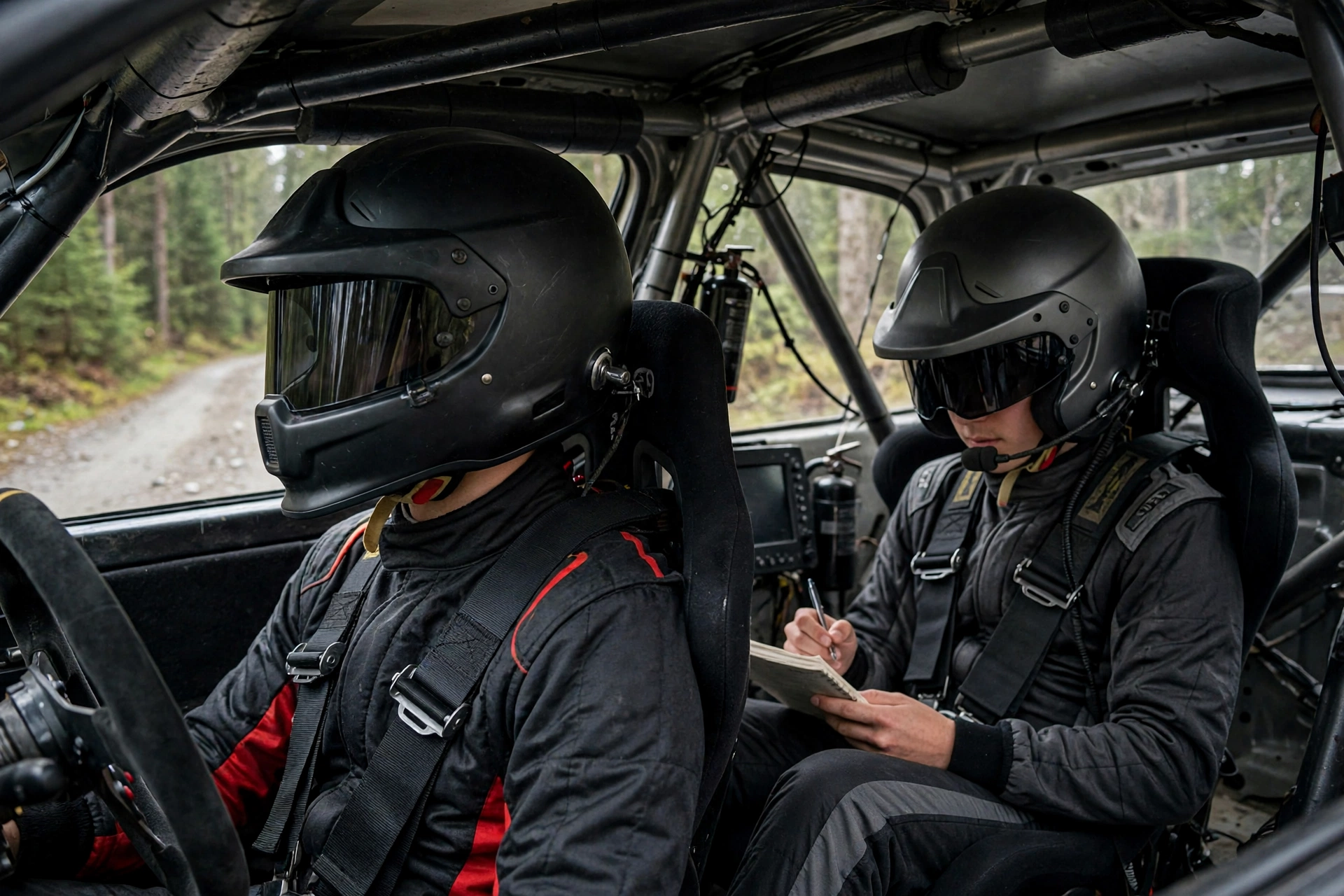
A junior rally driver helmet is a full-face motorsport helmet made for young drivers starting out in rallying — a lightweight, properly fitted helmet that protects a young driver in a rally car while working with a head restraint, a harness, and a co-driver’s pace notes. Junior rallying is how many rally drivers begin: young drivers, often in their teens, racing on closed stages in cars prepared for their age group, with a co-driver reading pace notes beside them. The speeds are lower than in top-level rallying, but the risks are real, and the helmet is one of the most important pieces of safety equipment in the car. In general terms, a junior rally helmet is a full-face motorsport helmet in a smaller size, with a wide visor, good ventilation, and a fit that suits a young driver’s head and neck.
This guide explains what a junior rally driver helmet is, how it differs from an adult rally helmet, and what parents and young drivers should look for when choosing one. It covers fit and sizing for young drivers, visors and communication, the head restraint and harness, and how to look after a helmet that a young driver will grow out of.
What Is Junior Rallying and What Does It Ask of a Helmet?
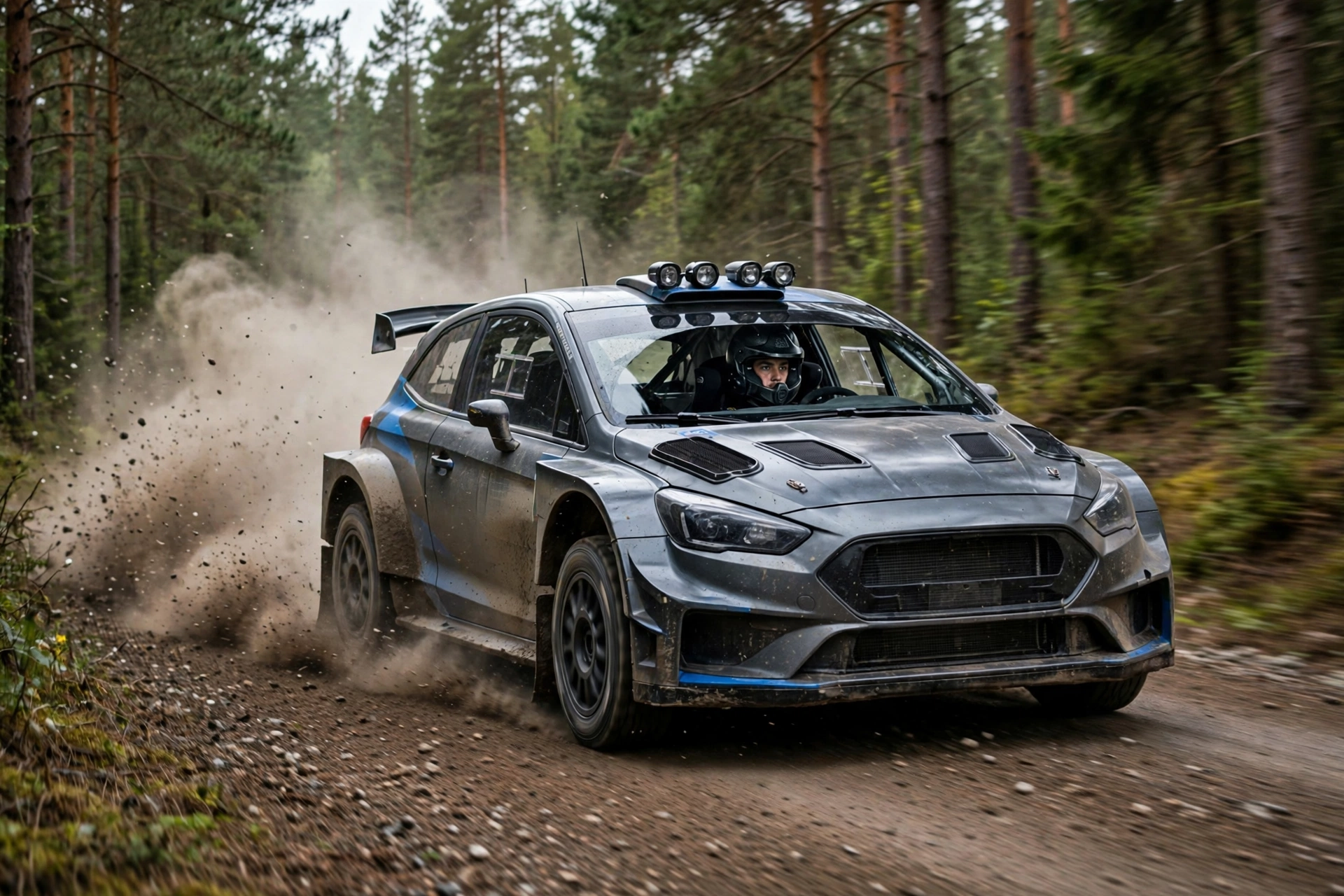
Junior rallying gives young drivers a safe way to learn the sport. Drivers race on closed stages — stretches of forest road, gravel track, or tarmac — with a co-driver beside them reading pace notes that describe the corners ahead. The cars are prepared to a standard for the age group, and the events are run with safety as the priority. The driver needs to concentrate on the road, the notes, and the car, all at once, and the helmet has to support that, not get in the way.
The helmet needs to protect a young driver whose head and neck are still developing, and it needs to fit properly, which is not always easy when the driver is still growing. A helmet that is too big will move around and may not protect properly, while a helmet that is too small will be uncomfortable and distracting. In general terms, junior rally helmets are full-face designs in smaller sizes, with a wide field of view, good ventilation for a hot car, and fittings for a head restraint device.
How Should a Junior Rally Helmet Fit?
Fit is the most important thing, and it is worth taking time over. The helmet should be snug all round, with even pressure and no loose spots, and it should not move when the young driver shakes their head. It should sit low enough to protect the forehead and the sides of the head, with the visor opening giving a clear view ahead and to the sides. Try it on with the balaclava and, if one is used, the head restraint device, because those change how the helmet sits and how tight it feels.
Because young drivers grow, the fit needs checking regularly — at least at the start of each season, and whenever the driver has a growth spurt. A helmet that fitted perfectly last year may be too tight now, and a tight helmet is not just uncomfortable, it can also be less effective. If the helmet no longer fits, it needs replacing, even if it is still in good condition. If you are learning about how helmets handle different kinds of impact, reading about what MIPS is for helmets can help you understand one of the technologies used in modern helmet design.
What About Visors, Pace Notes, and Communication?
Communication is at the heart of rallying. The co-driver reads pace notes, and the driver has to hear them clearly over the engine and the noise of the car. The helmet carries an intercom system, with earpieces and a microphone, so the driver and co-driver can talk to each other throughout the stage. The system has to be clear and comfortable, and it has to work with the helmet’s lining and padding.
The visor matters too. Rally stages run through forests and open country, and the light changes constantly, from bright sun to deep shade. A clear visor is usually the safest choice, and some drivers carry a tinted visor for bright conditions. The visor should give a wide view, so the driver can see the road ahead and the co-driver’s notes, and it should seal well against the shell to keep out dust. Keep a spare visor in the service area, and check the visor for scratches after each event.
Why Does the Head Restraint Matter for Young Drivers?
A head restraint device connects the helmet to the driver’s shoulders and seat, and it limits how far the head can move forward in a crash. It is a key part of rally safety, and it is especially important for young drivers, whose necks are still developing. The helmet must have the right fittings for the head restraint, and the two must work together as a system. When trying a helmet, fit it with the head restraint and the harness, and check that the driver can turn their head enough to see the road and the mirrors.
The head restraint also changes how the helmet feels. It sits over the shoulders and connects to the helmet with tethers, so the helmet’s weight is shared and the driver’s neck is supported. In general terms, a helmet and head restraint that are fitted together properly will feel natural after a short time, and they will protect the driver far better than a helmet alone.
How Do You Look After a Junior Rally Helmet?
A junior rally helmet needs the same care as any motorsport helmet, with a few extra checks. Before each event, check the shell for cracks or damage, check the visor for scratches, and make sure the visor mechanism works smoothly. Check the intercom system, and make sure the head restraint fittings are secure.
After the event, clean the helmet properly. Wipe dust from the shell and the vents with a soft, damp cloth, and clean the visor with a proper visor cleaner. Remove the lining if it comes out and wash it according to the maker’s instructions, or air it out well if it does not. Store the helmet in a cool, dry place, away from fuel and chemicals, and keep it in its bag. Check the fit at the start of each season, and replace the helmet when the driver outgrows it. A well-kept helmet is one less thing for a young driver to worry about.
Frequently Asked Questions
Q: Can a young driver use an adult rally helmet?
A: In general terms, an adult helmet can work if it fits properly, but junior drivers often need a smaller size and a lighter helmet.
Q: Does a junior rally driver need a head restraint device?
A: In most junior rally series, a head restraint is required, and it is a sensible piece of safety equipment even where it is not. It limits how far the head can move in a crash, which is especially important for young drivers.
Q: How often should a junior rally helmet be replaced?
A: Replace it after any crash or heavy impact, and whenever the driver outgrows it. Check the fit at the start of each season, and replace the helmet sooner if the lining is worn, the fit has loosened, or the shell shows any damage.

Olivia
Writer at Helmet Today, covering helmet reviews, fit and riding safety.