Is a Longer-Lasting Helmet More Sustainable?
In general terms, yes — a longer-lasting helmet is more sustainable, because the biggest environmental cost of a helmet is making it, shipping it, and throwing it away. A helmet that stays in use…

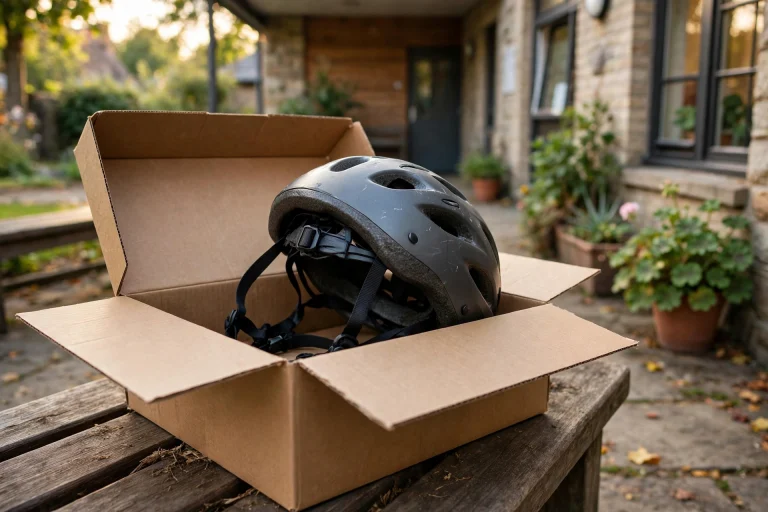
Helmet packaging waste is the box, inserts, bags, and ties that come with a new helmet, and in general terms makers are…
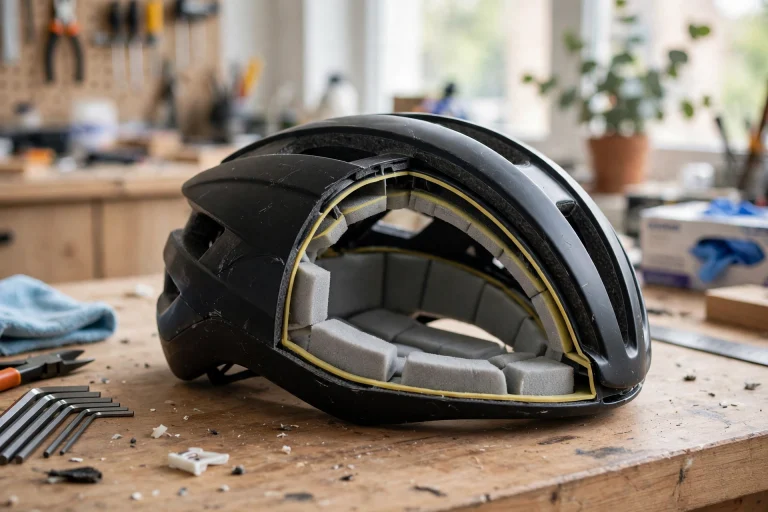
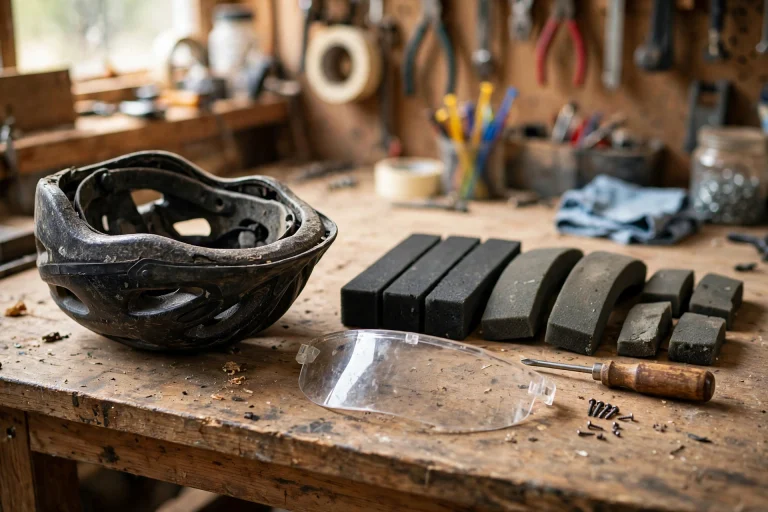
In general terms, you can part out an old helmet for spares — but only after you have made sure the helmet…
In general terms, you can donate a used helmet — but only if it is in good, undamaged condition, has not been…
Plant-based foams in helmets are impact liners made partly from chemicals drawn from plants, most often castor oil, instead of entirely from…
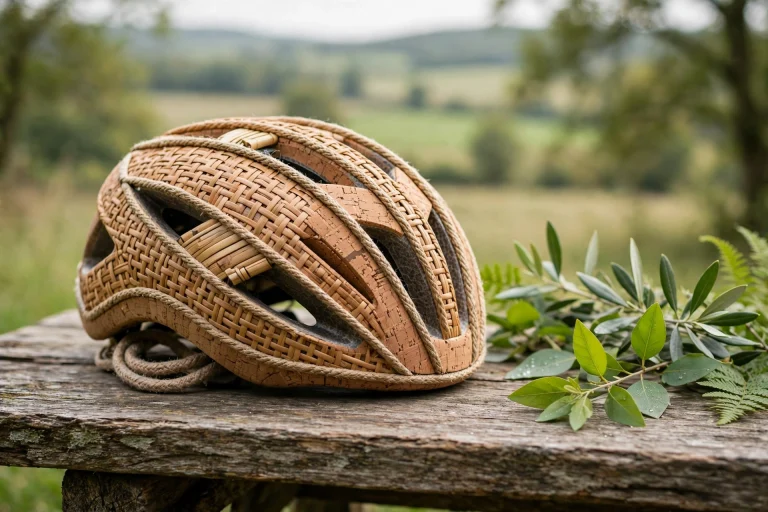
Eco-friendly helmet materials are plant-based, recycled, or renewable alternatives to the usual petroleum-based foams and plastics, and in general terms they aim…
After a helmet is recycled, its parts go separate ways: the foam is usually compacted, melted, and made into new plastic products;…
A helmet take-back scheme is a programme run by a helmet maker, a retailer, or a recycling organisation that collects old helmets…
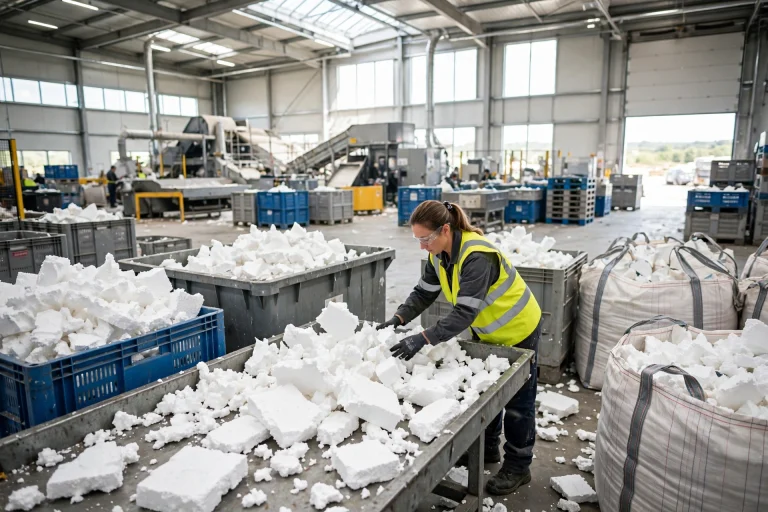
EPS helmet foam is recycled, in general terms, by collecting old helmets, taking them apart to separate the foam from the shell…
MIPS began in Sweden in the 1990s, when a neurosurgeon and a researcher at the Royal Institute of Technology studied how the…