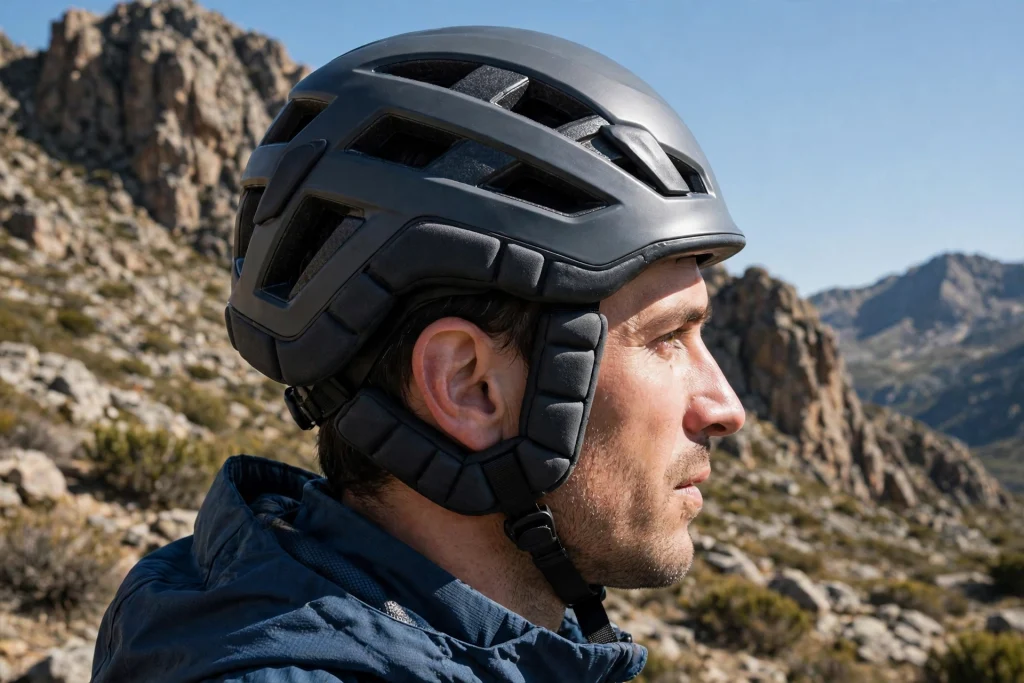
Side Impact Protection in Climbing Helmets Explained
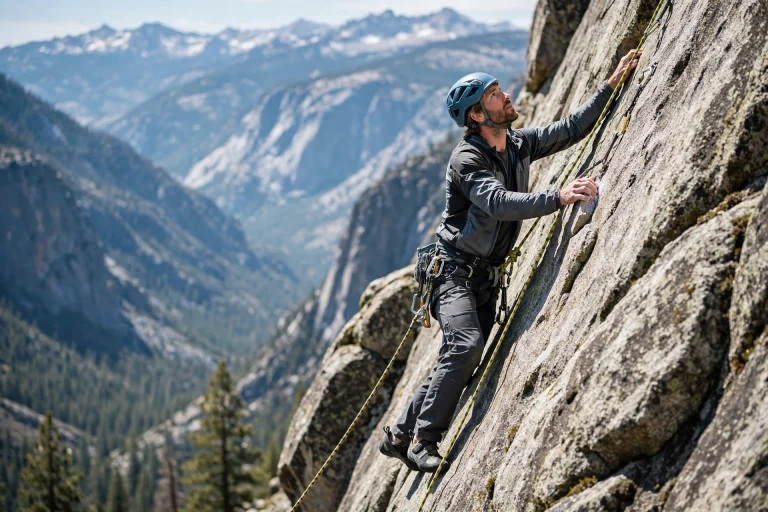
Side impact protection in a climbing helmet means the helmet is designed to absorb blows to the sides of your head — not just rockfall landing on top. Traditional climbing helmets focused on the…
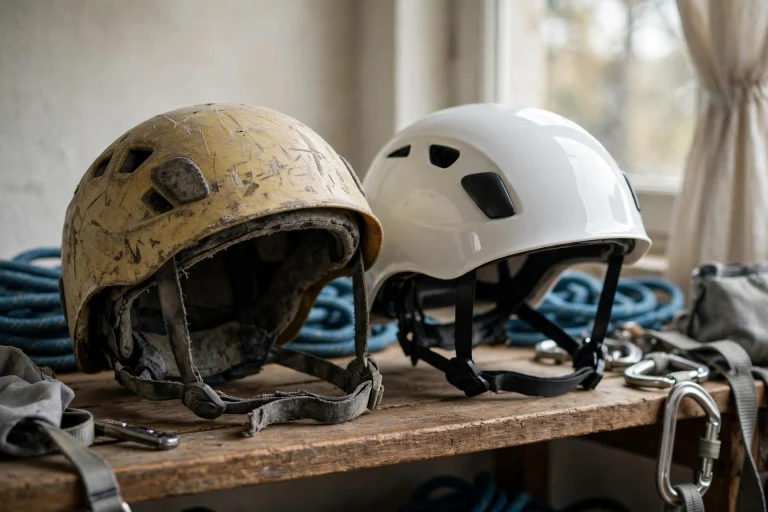
Yes — climbing helmets do expire. The foam, shell, and straps slowly degrade with age, sunlight, sweat, and knocks, so in general…
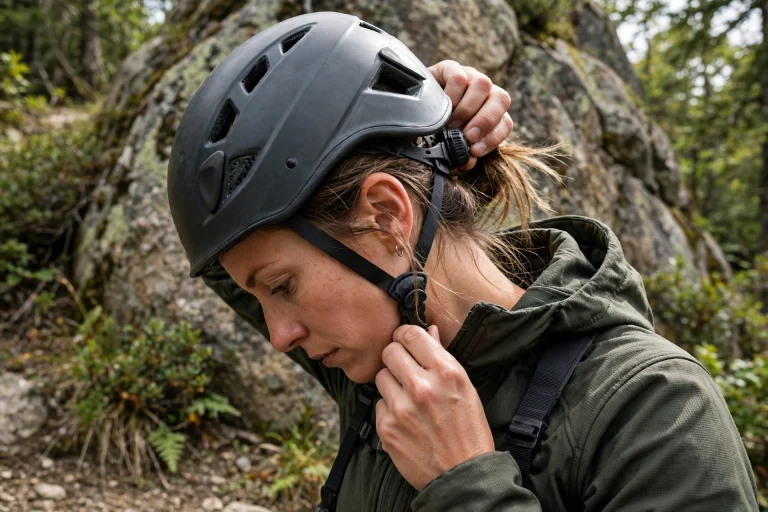
To fit a climbing helmet correctly, choose the size that matches your head measurement, set the helmet level on your head so…
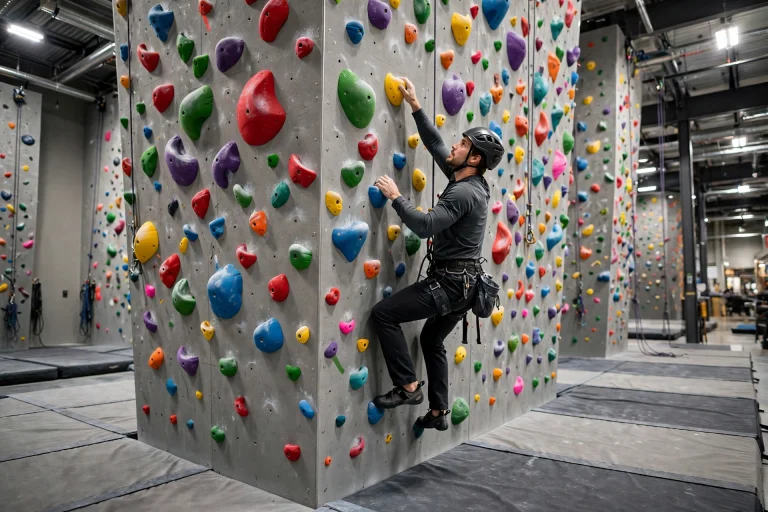
Usually you do not need one — but it depends on the gym. In general terms, most indoor climbing gyms let adults…
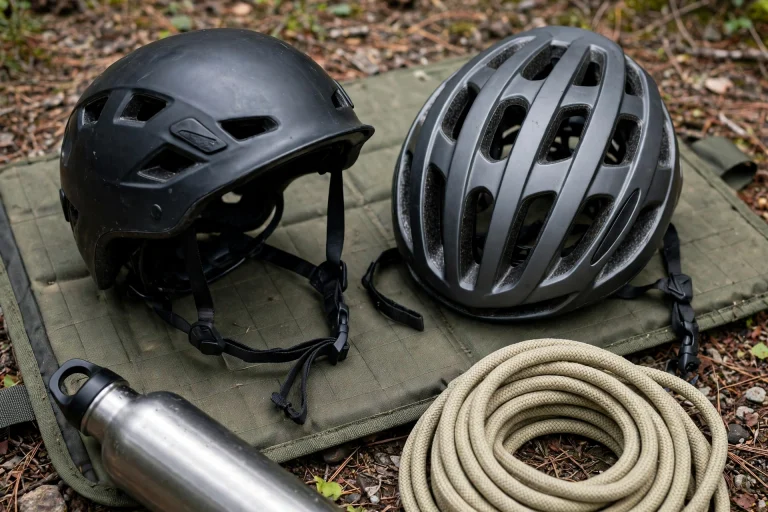
No — with one exception. A climbing helmet is built and certified for falling rocks and falls against rock; a bike helmet…
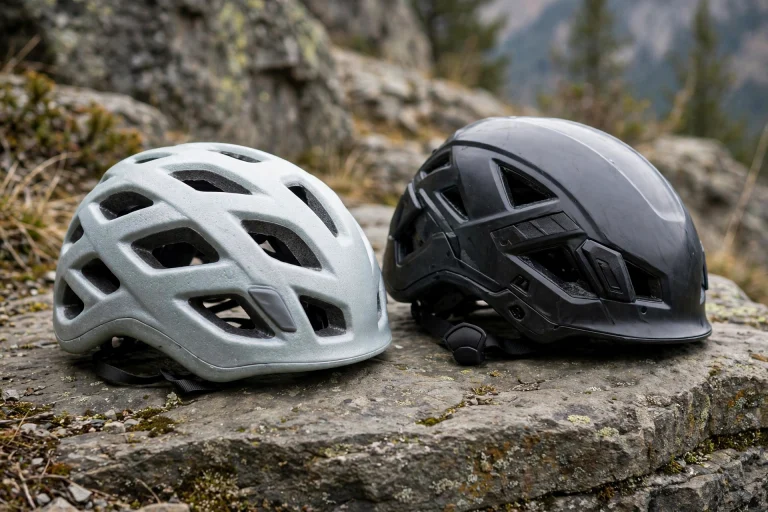
The difference is the outer layer, and what it trades away. A foam climbing helmet is mostly crushable EPS foam with a…
EN 12492 is the European standard that sets the safety requirements and test methods for helmets for mountaineers, and UIAA 106 is…
To attach a headlamp to a climbing helmet, either clip it into the helmet’s built-in headlamp clips — usually two at the…