No — with one exception. A climbing helmet is built and certified for falling rocks and falls against rock; a bike helmet is built and certified for a single hard fall from a moving rider onto the road. The coverage, impact design, and retention differ enough that each is a poor substitute for the other. The exception is the dual-certified helmet: a small number of models are tested and labeled for both climbing and cycling, and only those should cross over between the two sports.
They look like cousins and both are “helmets,” so the temptation to grab whichever is by the door is understandable. This guide explains why the two designs diverge, what goes wrong when you swap them, and when one helmet honestly does both jobs.
How Do the Two Helmets Protect Differently?
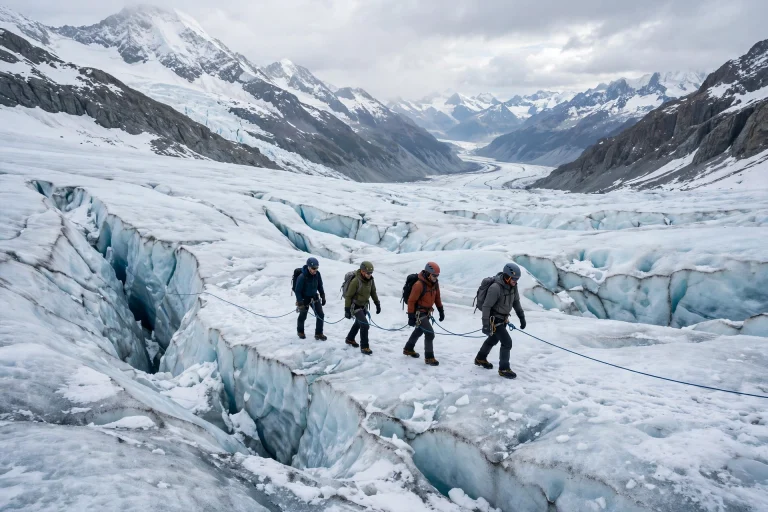
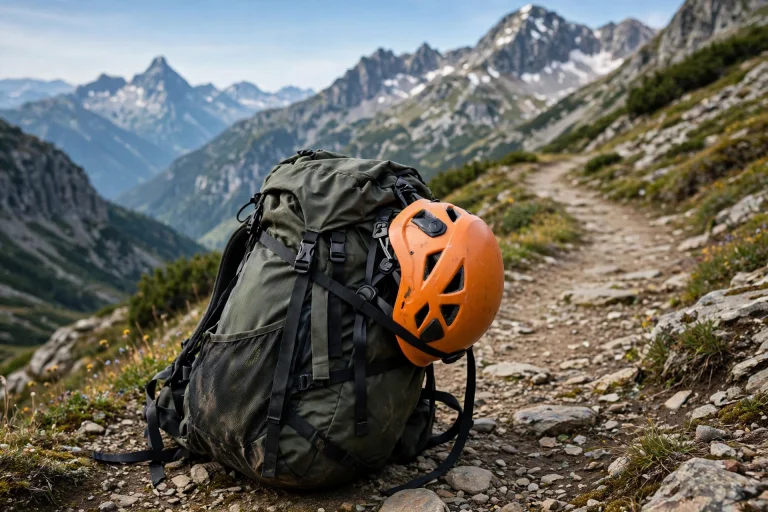
A climbing helmet answers two threats: rocks falling from above, and the climber falling in any direction against rock. Its protection concentrates high — crown and upper sides — because the crown is what falling stones meet, and its shell must resist a pointed object concentrating force on a small area.
A bike helmet answers one threat, delivered hard: a rider at speed going over, with the head striking flat ground or a kerb. It wraps lower around the sides and back of the head, carries deep crushable foam for that single big impact, and trades shell hardness for ventilation and aerodynamics — a road rider generates heat and speed a climber never does.
Both sports rely on foam to manage impact energy, and both now include models with rotational-impact systems like MIPS for angled impacts. But similar ingredients do not make interchangeable products: the standards behind each helmet test different impact points, different impact surfaces, and different retention demands.
How Do the Standards and Coverage Differ?
Climbing helmets are certified to climbing-specific standards — EN 12492, often with the UIAA label — which test impact absorption around the shell including the sides and back at height, penetration resistance at the crown, and a strap system that keeps the helmet on through a tumbling fall.
Bike helmets are certified to cycling standards — in general terms, EN 1078 in Europe and the CPSC standard in the United States — which test a falling headform onto flat and kerb-shaped anvils, with coverage requirements that pull the shell lower at the back and sides, where road falls tend to land.
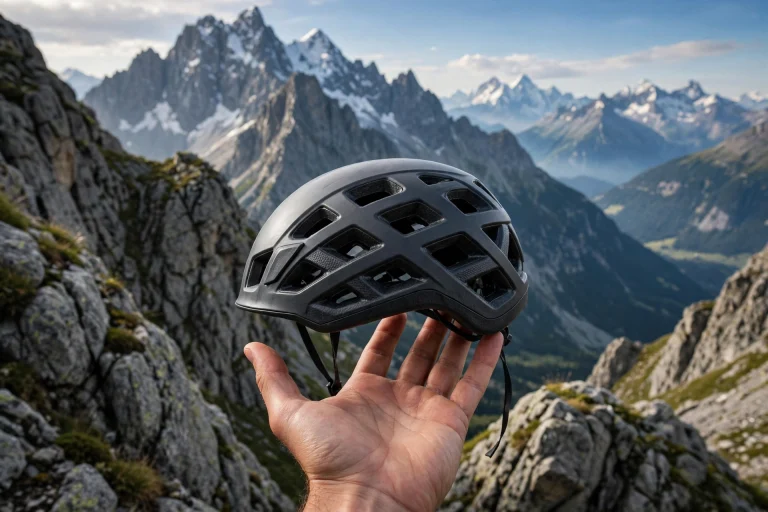
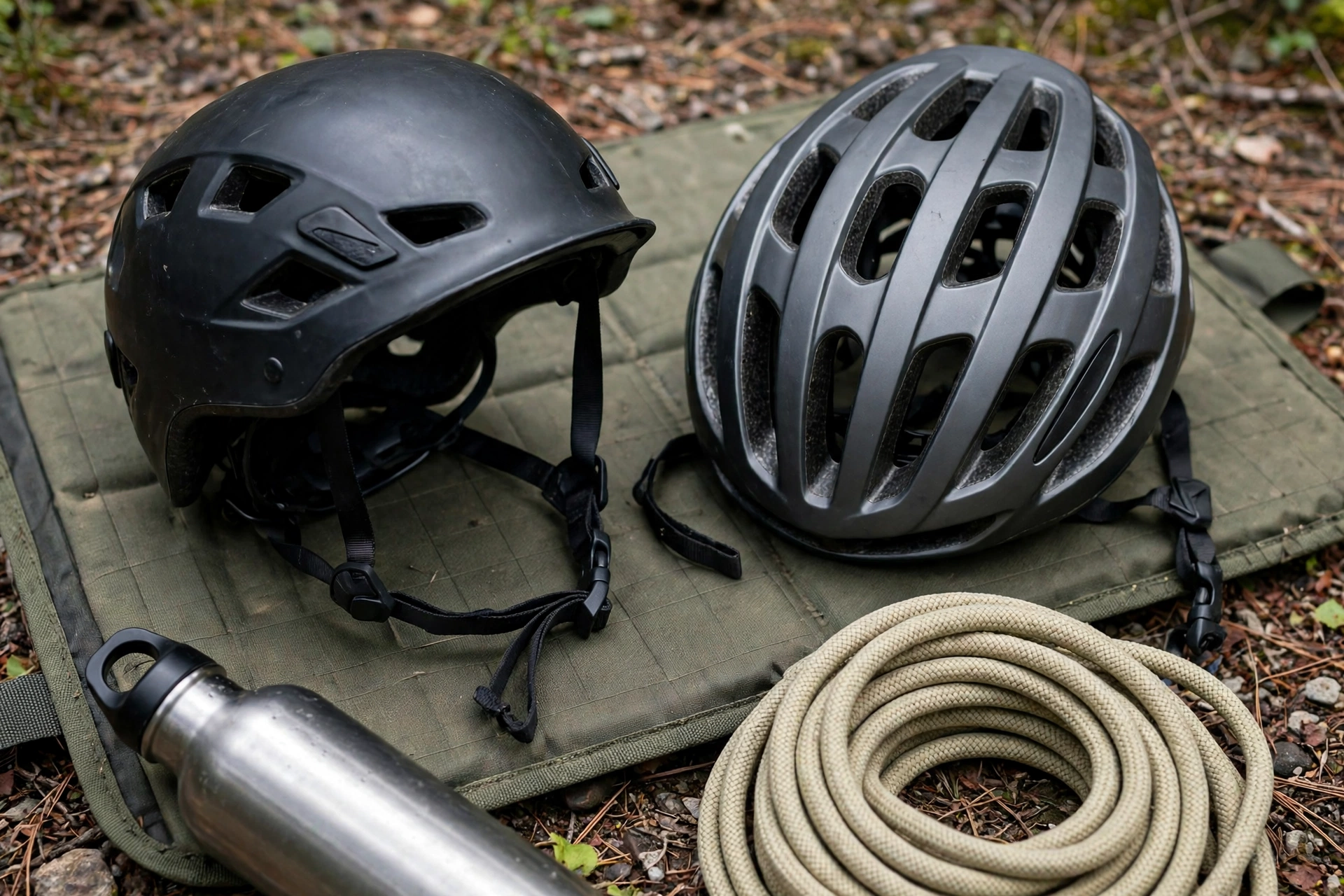
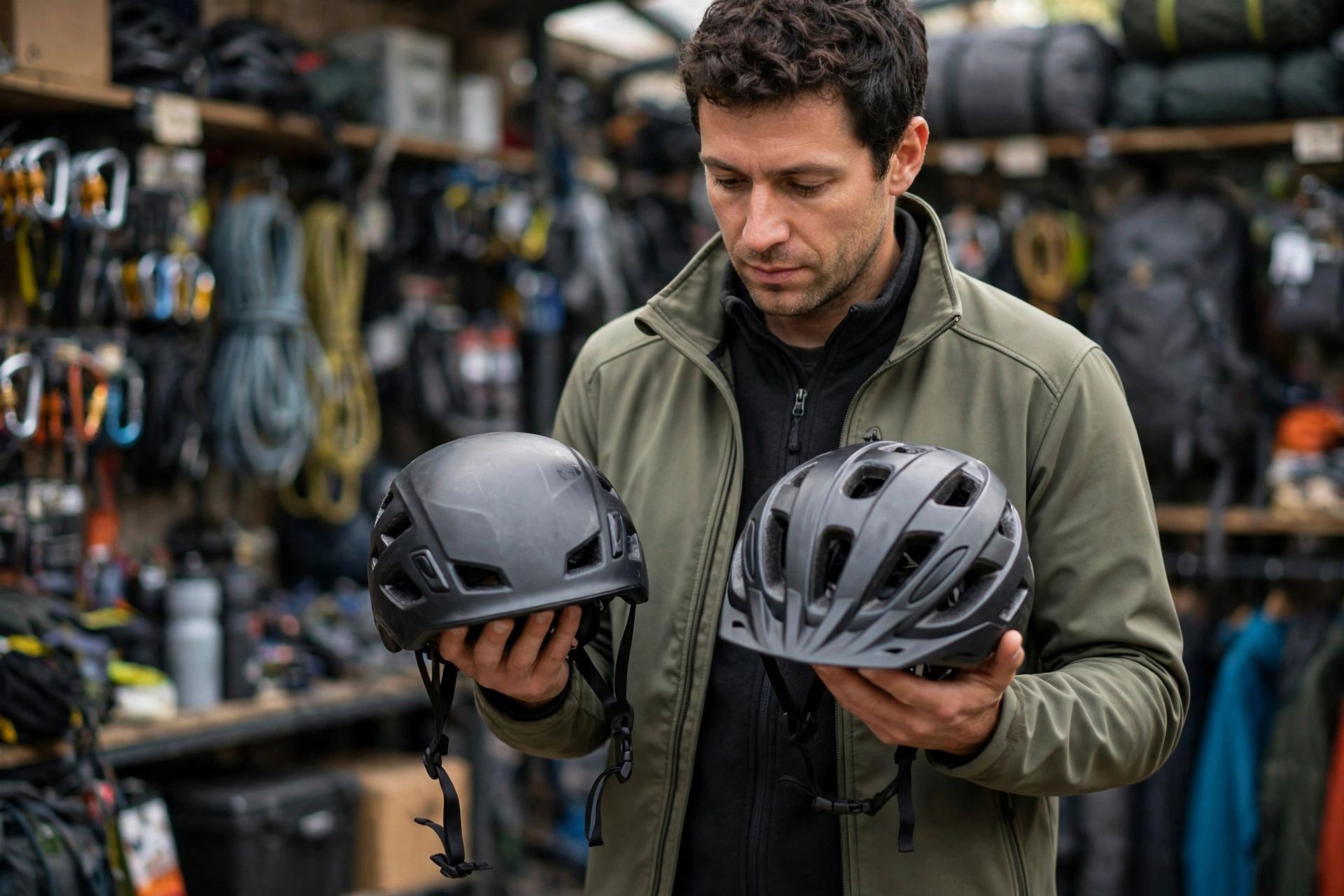
Put the two side by side and the shapes tell the story: the climbing helmet is a high-coverage dome with a hard, rock-shedding top and fittings for a headlamp; the bike helmet is a lower, longer, heavily vented shell. Those generous bike vents are for airflow at speed — and a vent is an opening a pointed rock is not stopped by.
What Goes Wrong If You Climb in a Bike Helmet?
The mismatch starts above you. A bike helmet’s crown is designed for the flat impact of a road, not for a sharp stone falling from a pitch above — and its vents and thin skin offer little of the penetration resistance a climbing shell is tested for. One falling rock is the entire reason climbing helmets exist.
Fit and retention mismatch too. Bike helmets are tuned to sit low and stable in a riding posture; climbing involves looking straight up at your leader for hours, hanging in a harness, and falls that can tumble. A helmet not designed or tested for that can shift or come off when it is needed most.
And there is the practical layer: no proper headlamp mounting, straps and adjusters that fight with the posture of belaying, and foam that dents permanently the first time it knocks against rock at a belay. It is protection designed for a different accident, worn in the place where its accident does not happen.
What Goes Wrong If You Bike in a Climbing Helmet?
The reverse swap fails on coverage and energy. A road fall throws the head at the ground with the body’s speed behind it, typically striking lower on the sides or back — zones where a climbing helmet’s coverage is thinner by design, because its priorities lie at the crown. The cycling standards’ test impacts simply are not what the climbing shell was shaped and tested to absorb.
Comfort closes the argument for anyone still tempted: climbing helmets ventilate for a walker, not a rider, so a summer commute becomes a sweat bath; the fit systems are not tuned for holding position at road speed and in traffic checks over the shoulder.
There is also a rules point, in general terms: where cycling helmet laws or event rules apply, they mean a helmet certified to a cycling standard. A climbing helmet, however sturdy it feels, is not that, and an insurer or organizer is entitled to see it the same way.
When Does One Helmet for Both Make Sense?
When it is dual-certified. A small number of models are genuinely tested and labeled to both a climbing standard and a cycling standard — sometimes adding a ski standard as well — and they exist for exactly the crossover users: climbers who ride to the crag, via ferrata parties with bike approaches, ski tourers, and parents who want one good helmet for a child’s climbing and cycling.
Check both labels inside the shell before relying on one: the helmet should name each standard it meets. Expect honest compromises — a dual-certified helmet is usually a little heavier and less vented than a pure bike helmet, and a little less specialized than a pure climbing lid — but its certifications are real, which is the entire difference from improvising.
If your two sports are both serious and frequent, two dedicated helmets remain the better answer, each replaced on its own schedule. The dual-certified route shines for occasional crossover, travel, and mixed days where carrying two helmets is genuinely impractical.
Frequently Asked Questions
Q: My climbing helmet feels sturdier than my bike helmet. Isn’t it safer on the bike?
A: Sturdiness reflects rockfall design — hard shell, high coverage. A road crash is a single high-energy impact landing lower on the head, which is what bike helmets are shaped and tested for. Use the helmet certified for the activity you are doing.
Q: Are there really helmets certified for both climbing and cycling?
A: Yes, a small number of dual-certified models exist and carry both standards on their labels. That labeling is the test: if the helmet does not name both standards, it is not a crossover helmet.
Q: Can my child use their climbing helmet for cycling at camp?
A: Only if it is dual-certified. Otherwise each activity needs its own certified, correctly fitted helmet — children’s heads deserve the same standard-matching as adults’, and fit should be rechecked as they grow.

Olivia
Writer at Helmet Today, covering helmet reviews, fit and riding safety.