
Helmet Sustainability & Recycling
6 min read
In general terms, yes — a longer-lasting helmet is more sustainable, because the biggest environmental cost of a helmet is making it,…

Helmet Sustainability & Recycling
6 min read
Helmet packaging waste is the box, inserts, bags, and ties that come with a new helmet, and in general terms makers are…
How to
6 min read
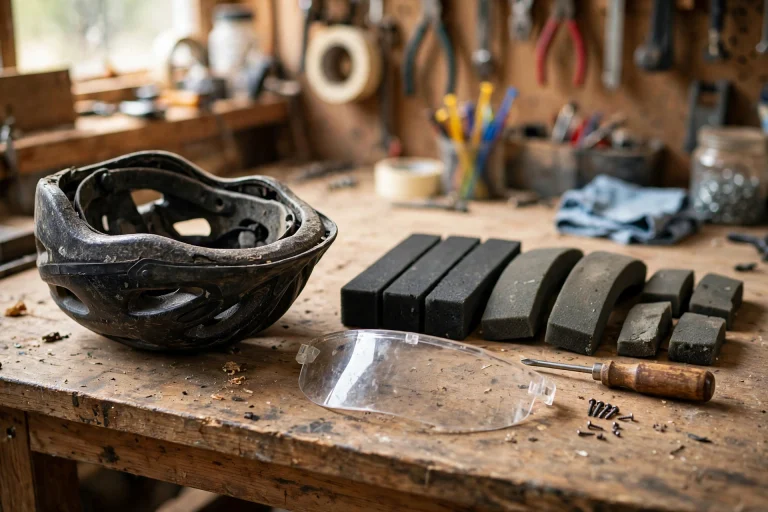
In general terms, you can part out an old helmet for spares — but only after you have made sure the helmet…
Helmet Sustainability & Recycling
6 min read
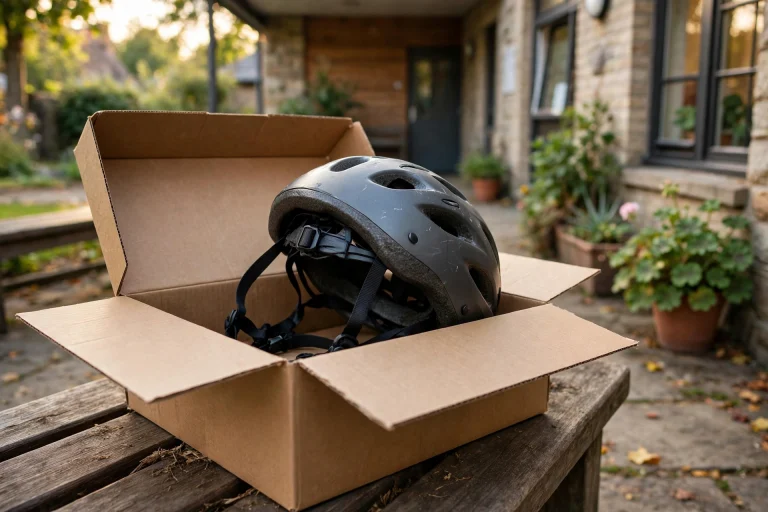
In general terms, you can donate a used helmet — but only if it is in good, undamaged condition, has not been…

Helmet Sustainability & Recycling
6 min read
Plant-based foams in helmets are impact liners made partly from chemicals drawn from plants, most often castor oil, instead of entirely from…
Helmet Sustainability & Recycling
6 min read
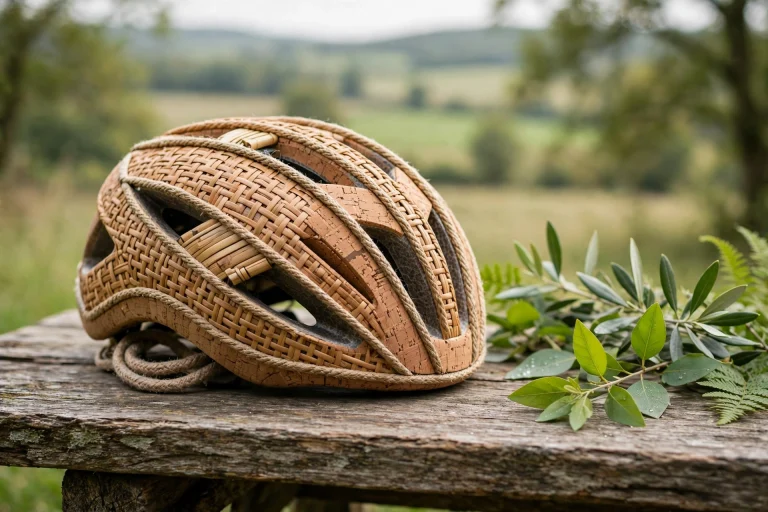
Eco-friendly helmet materials are plant-based, recycled, or renewable alternatives to the usual petroleum-based foams and plastics, and in general terms they aim…

Helmet Sustainability & Recycling
6 min read
After a helmet is recycled, its parts go separate ways: the foam is usually compacted, melted, and made into new plastic products;…

Helmet Sustainability & Recycling
6 min read
A helmet take-back scheme is a programme run by a helmet maker, a retailer, or a recycling organisation that collects old helmets…
Helmet Sustainability & Recycling
6 min read
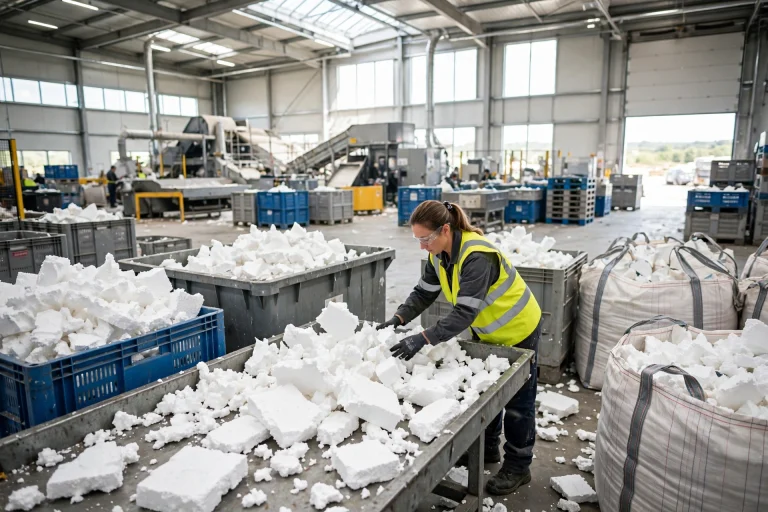
EPS helmet foam is recycled, in general terms, by collecting old helmets, taking them apart to separate the foam from the shell…