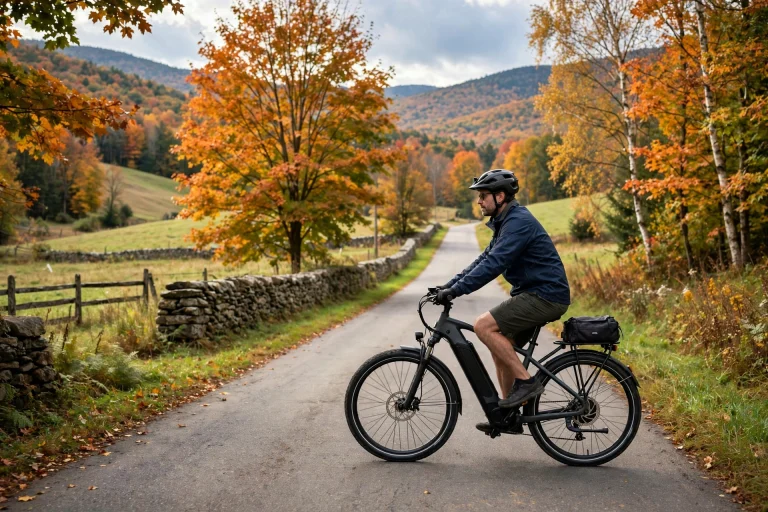
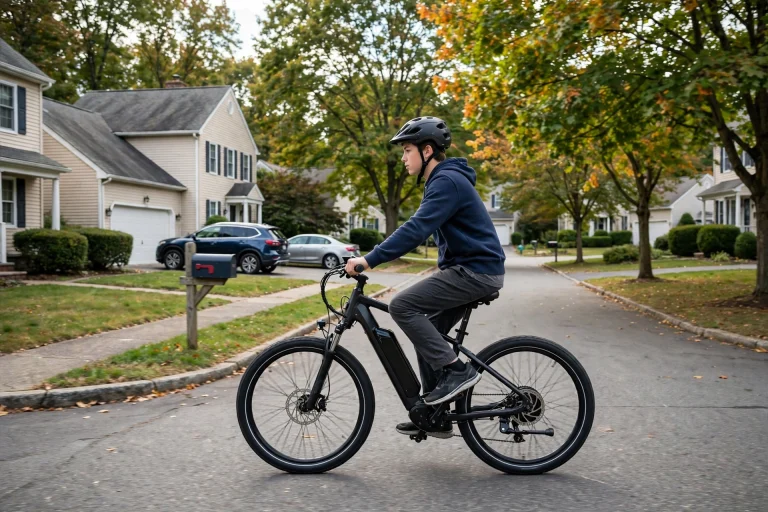
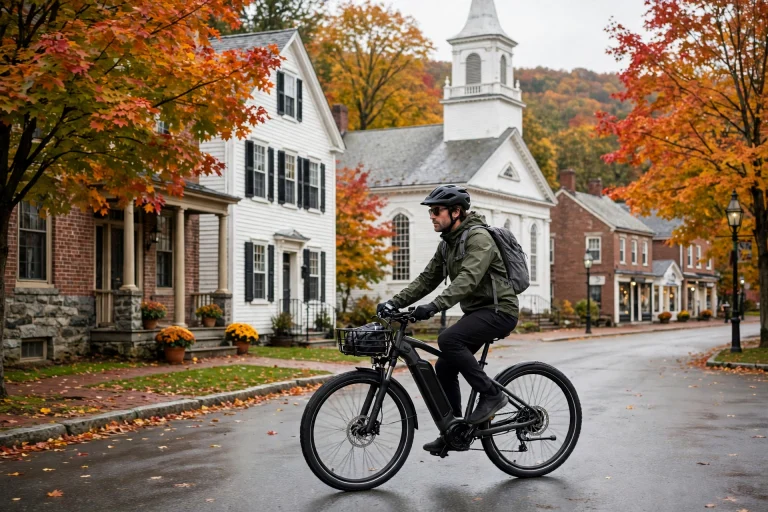
If you are asking do cyclists have to wear a helmet by law, the short answer in the UK is no. For ordinary cycling, there is no general law that says every cyclist must wear a helmet. The Highway Code says you should wear one, but that is different from a legal “must.”
This is one of those rules that sounds simple but gets mixed up with motorcycle helmet laws. I found that distinction especially useful when checking the official rules. Motorcycle riders have a legal helmet requirement, while ordinary cyclists do not.
Do cyclists have to wear a helmet by law in the UK?
No. Cyclists do not generally have to wear a helmet by law in the UK.
The current Highway Code gives helmet advice under Rule 59. It says cyclists should wear a cycle helmet that meets current regulations, fits correctly, and is securely fastened. It also says evidence suggests a properly fitted helmet can reduce the risk of head injury in some situations.
The word “should” matters here.
| Wording | What it means |
|---|---|
| “MUST” | A legal requirement |
| “MUST NOT” | A legal ban |
| “SHOULD” | Strong advice, but not usually a legal requirement |
So if you ride a normal bicycle without a helmet, you are not automatically breaking the law just because you are not wearing one.
Why does the Highway Code say cyclists should wear helmets?
The Highway Code is trying to balance safety advice with the fact that cycling helmets are not compulsory.
Rule 59 recommends a helmet that is the right size and securely fastened. The rule also points to evidence that a properly fitted helmet can reduce the risk of head injury in certain circumstances.
That does not mean a helmet prevents every cycling injury. It also does not turn the recommendation into a legal duty.
Is “should wear” the same as “must wear”?
No. This is probably the easiest mistake to make when reading the Highway Code.
For example, the Highway Code uses “MUST” for certain cycling rules, such as obeying traffic lights. Helmet advice uses “should.”
| Example | Highway Code wording | Legal effect |
|---|---|---|
| Wear a cycle helmet | Should | Advice |
| Obey traffic signals | MUST | Legal requirement |
| Ride dangerously | MUST NOT | Legal restriction |
That small difference in wording answers much of the question.
Does the helmet law differ for children?
There is no general UK law that makes children wear a cycle helmet simply because they are children.
The Highway Code’s Rule 59 applies its helmet advice to cyclists generally. It does not create a separate legal helmet requirement for children riding ordinary bicycles.
That said, parents, schools, clubs, and cycling groups may have their own safety rules.
Can a school require a child to wear a helmet?
Yes, a school or cycling activity can set its own safety policy.
That is different from saying that UK road law requires every child to wear a helmet. A school trip may require one even though the general law does not.
This distinction matters because people often hear a local rule and assume it is a national law.
What happens if you cycle without a helmet?
For ordinary cycling, simply riding without a helmet is not normally an offence.
The government does have cycling laws covering other behaviour. For example, cyclists must obey traffic signs and signals, and dangerous or careless cycling can lead to prosecution.
The lack of a helmet does not make otherwise lawful cycling illegal.
| Situation | General position |
|---|---|
| Riding a bicycle without a helmet | Not generally an offence |
| Riding through a red light | Illegal |
| Dangerous cycling | Can be prosecuted |
| Ignoring a local safety policy | May breach that policy |
This is another reason I would not treat helmet use as the main measure of whether someone is cycling legally. There are many other road rules that matter.
Do cyclists have to wear helmets in England, Scotland and Wales?
For ordinary cycling, there is no general national helmet requirement in England, Scotland, or Wales.
The Highway Code covers cycling rules across Great Britain, while some road rules and enforcement details can differ by nation. The basic point remains that a normal cycle helmet is recommended rather than generally compulsory.
Northern Ireland also does not have a general legal requirement for ordinary cyclists to wear a helmet.
| UK nation | General cycle helmet rule |
|---|---|
| England | Not generally compulsory |
| Scotland | Not generally compulsory |
| Wales | Not generally compulsory |
So the answer does not change just because you cross the border between the main parts of Great Britain.
Is a bicycle helmet different from a motorcycle helmet in UK law?
Yes, and this is a very important distinction.
Motorcycle and moped riders have a legal duty to wear an approved protective helmet on UK roads. GOV.UK lists specific safety standards for those helmets, including UNECE Regulations 22.05 and 22.06.
Cyclists are treated differently.
The Highway Code recommends that cyclists wear a cycle helmet, but it does not make ordinary cycle helmet use a general legal requirement.
Why do people confuse the two?
Both helmets protect the head, and both appear in road safety advice. That makes the rules easy to mix up.
But a bicycle and motorcycle are legally different types of vehicle, so their equipment rules are different too.
| Rider | Helmet position |
|---|---|
| Bicycle cyclist | Recommended |
| Motorcycle rider | Required |
| Moped rider | Required |
That simple comparison clears up a lot of confusion.
What type of helmet should cyclists wear?
Even though the law does not generally force you to wear one, the Highway Code recommends a cycle helmet that is the correct size, conforms to current regulations, and is securely fastened.
The practical part is fit.
A helmet that sits badly on your head can be uncomfortable and may not give the protection you expect. I would rather spend a little time getting the fit right than buy a helmet just because it looks good.
What should I check before buying a cycle helmet?
Look at the size, fit, condition, and safety marking.
Cycling UK notes that BS EN1078 is a common standard for bicycle helmets sold in the UK.
A quick check can include:
- Make sure it fits your head size.
- Keep it level on your head.
- Fasten the straps correctly.
- Check the shell for damage.
- Follow the manufacturer’s fitting instructions.
- Replace a helmet after a serious impact.
| Check | Why it matters |
|---|---|
| Correct size | Helps the helmet stay in place |
| Secure straps | Stops the helmet from shifting |
| Safety standard | Gives you a recognised safety benchmark |
Does wearing a helmet make cycling completely safe?
No. This is worth saying clearly.
A helmet is designed to help protect your head. It does not stop crashes, prevent every type of injury, or make poor road positioning safe.
The Highway Code still tells cyclists to ride safely, obey signs and signals, and take steps to be visible.
In my view, that is the better way to think about helmets. They are one layer of protection, not a replacement for good cycling habits.
What matters besides a helmet?
Basic road awareness can make a big difference.
The Highway Code advises cyclists to stay visible, use lights when required, and ride in a safe and controlled way.
Useful habits include:
- Use working lights at night.
- Keep your brakes in good condition.
- Stay alert at junctions.
- Signal clearly.
- Watch for parked-car doors.
- Keep your bicycle maintained.
A helmet cannot compensate for a bike with poor brakes or a rider who is not paying attention.
Are there any situations where helmet use can become compulsory?
For ordinary road cycling, there is no general UK helmet law. But a private organisation, employer, school, race organiser, or cycling venue can set its own rules.
That can create a situation where you must wear a helmet to take part in an activity even though the national road law does not require it.
| Situation | Possible requirement |
|---|---|
| Normal road cycling | No general helmet law |
| School cycling activity | Organisation may require one |
| Cycling event | Organiser may require one |
| Private cycling facility | Facility may set safety rules |
This is an important practical difference between what the law says and what an organisation requires.
What are the biggest myths about cycle helmet laws?
There are a few claims that sound believable but do not match the current rules.
The easiest way to avoid confusion is to compare the claim with the actual Highway Code wording.
| Myth | Reality |
|---|---|
| Every UK cyclist must wear a helmet | No general legal requirement |
| Children must legally wear cycle helmets | No general rule |
| No helmet means illegal cycling | Not by itself |
| Motorcycle helmet rules apply to bicycles | They are different |
The official Highway Code is the best place to check the wording rather than relying on something heard from another rider.
My practical view on whether cyclists should wear helmets
Even though the answer to do cyclists have to wear a helmet by law is no, I would not take that to mean helmets are pointless.
The government recommends them for a reason, and the Highway Code says evidence suggests a correctly fitted helmet can reduce the risk of head injury in some circumstances.
For me, the useful distinction is simple: you can choose not to wear one, but choosing to wear a well-fitted helmet adds another layer of protection.
Final Thoughts
So, do cyclists have to wear a helmet by law? Generally, no. UK road law does not impose a blanket helmet requirement on people riding ordinary bicycles. The Highway Code recommends wearing one, but recommendation and legal duty are not the same thing.
The big mistake is confusing bicycle rules with motorcycle rules. Motorcycle and moped riders must wear approved helmets, while ordinary cyclists are advised to wear them. If you choose to use one, get the fit right and keep the rest of your bike and riding habits safe too.
FAQ: Do Cyclists Have to Wear a Helmet by Law?
Do cyclists have to wear a helmet by law in the UK?
No. There is no general UK law that forces ordinary cyclists to wear a helmet. The Highway Code recommends a properly fitted helmet for safety.
Is it illegal to cycle without a helmet?
No. Riding an ordinary bicycle without a helmet is not generally an offence in the UK. Other cycling rules, such as traffic signals, still apply.
Do children have to wear cycle helmets by law?
No general UK law requires children to wear a helmet while cycling. Parents, schools, or clubs may still set their own helmet rules.
Do motorcycle riders have to wear helmets in the UK?
Yes. Motorcycle and moped riders must wear an approved protective helmet on UK roads, subject to limited legal exemptions.
What does the Highway Code say about cycle helmets?
The Highway Code says cyclists should wear a correctly sized and fitted helmet that meets current regulations. It is advice, not a general legal duty.

Olivia
Writer at Helmet Today, covering helmet reviews, fit and riding safety.