To document helmet damage for a warranty claim, take clear photos of the damage from several angles, keep the receipt and the helmet’s model and size details, and write down when and how the damage happened — before you contact the maker. Good documentation is the difference between a smooth claim and a long argument. Makers need evidence, and the evidence is easiest to gather while the helmet is still in your hands.
This guide explains what to photograph, what to write down, and how to present a claim clearly. A well-documented claim is faster to process, and it gives the maker what they need to make a fair decision.
What Photos Should You Take?
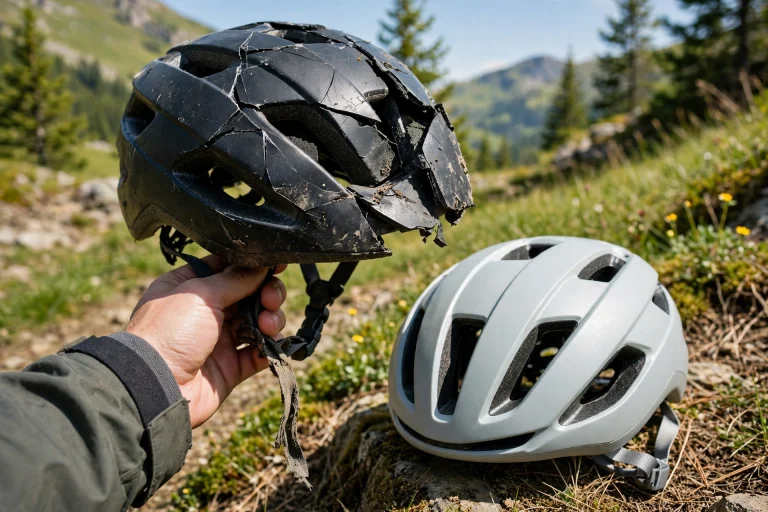
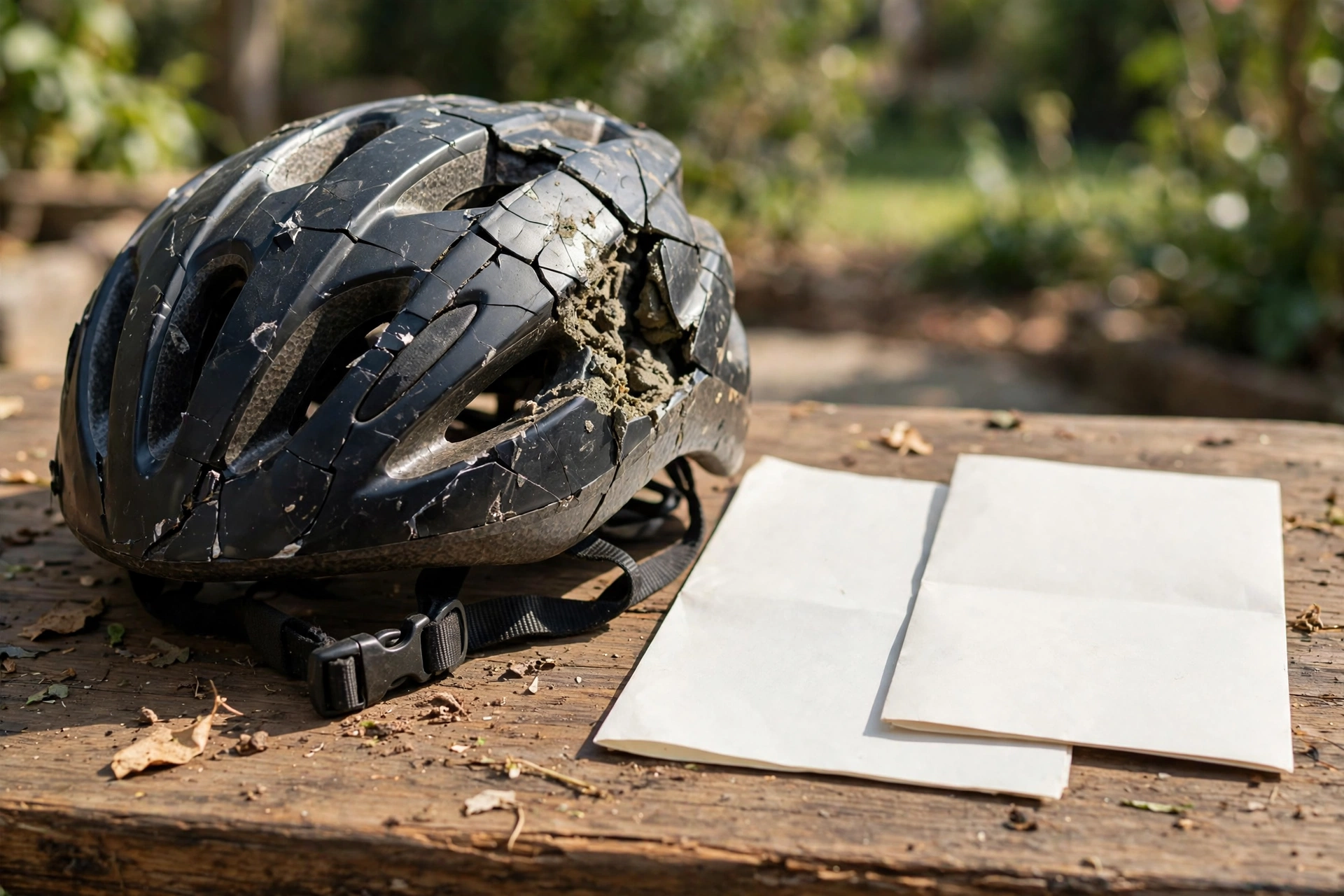
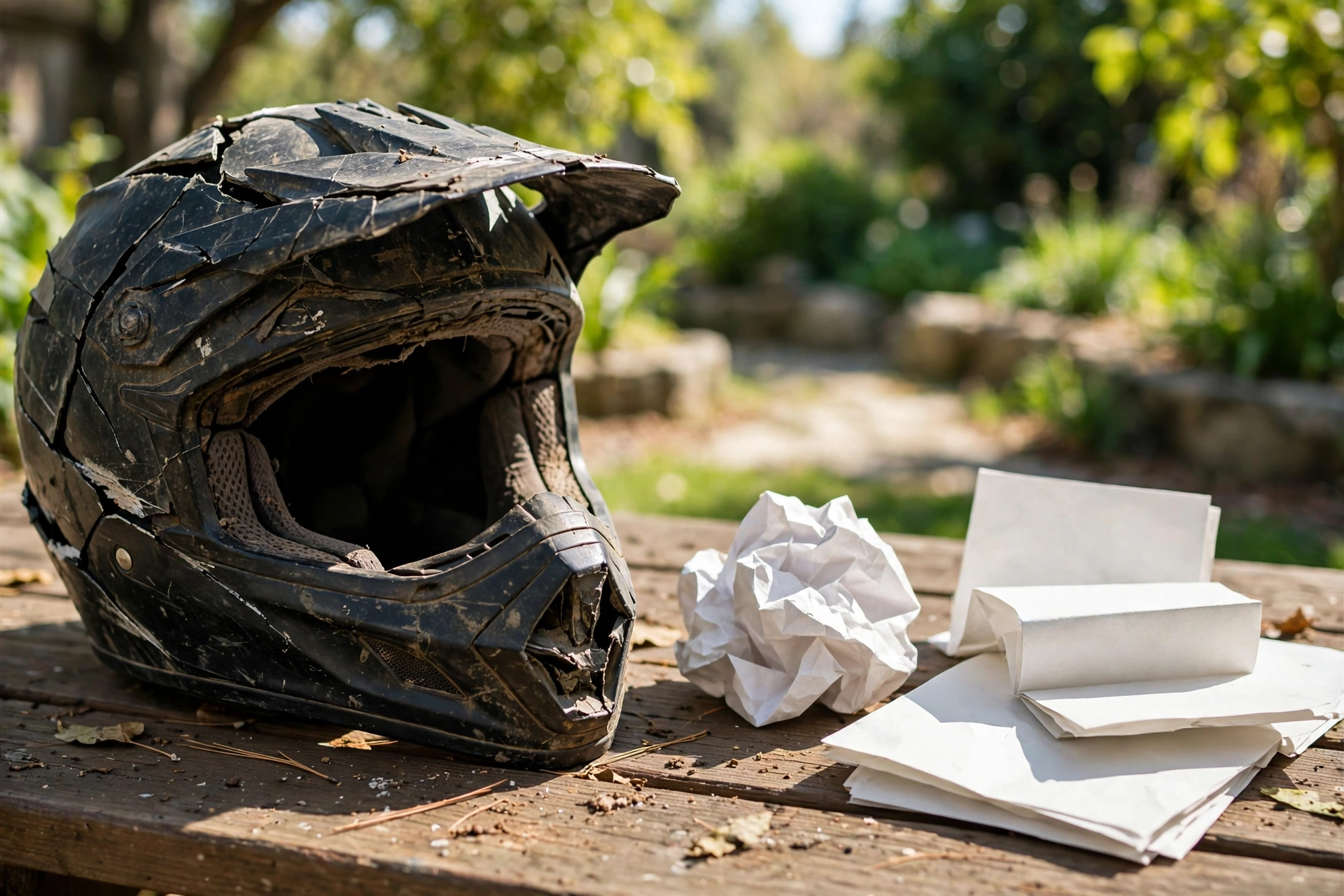
Photograph the damage from several angles, in good light. Take a wide shot of the whole helmet, then close-ups of each damaged area — a crack in the shell, a dent in the foam, a frayed strap. Use a plain background and make sure the damage is clearly visible, not hidden in shadow.
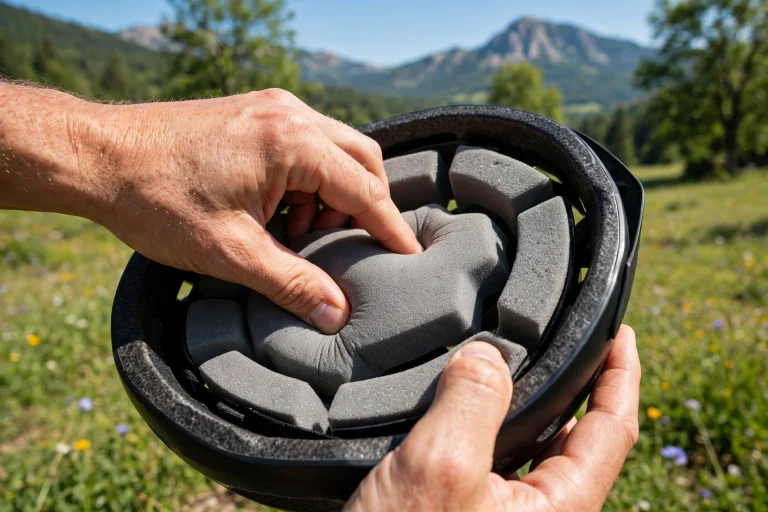
Photograph the label inside the helmet, showing the model name, size, and certification standard. Photograph any date stamp or manufacturing mark. These photos prove which helmet you are claiming for, and they help the maker check whether the helmet is still under warranty.
Photograph the helmet from angles that show its overall condition. A helmet that is clean and well kept, with one clear area of damage, tells a different story from a helmet that is battered all over. The maker will want to see both the damage and the context, so do not only photograph the worst spot.
What Should You Write Down?
Write down the helmet’s model name, size, colour, and date of purchase. Keep the receipt if you have it — a photo of the receipt is usually enough, but keep the original until the claim is settled. If you bought the helmet online, the order confirmation email serves the same purpose.
Write down when the damage happened and how. Be specific and honest: the date, what you were doing, and what caused the damage. If the helmet was in a crash, say so. If a strap frayed during normal use, say that. Makers deal with claims every day, and an honest, detailed account is more credible than a vague one.
Write down what you have already done. Have you cleaned the helmet? Tried to fix it? Contacted the shop? A short, factual timeline helps the maker understand the claim and avoids confusion later. Keep a copy of everything you send, and note the date you sent it.
What Does a Maker Usually Ask For?
Most makers ask for the photos, the proof of purchase, and a description of the problem. Some ask you to return the helmet so they can inspect it themselves. If they do, follow their instructions carefully — pack the helmet well, keep the tracking number, and do not damage it further in transit.
Some makers ask for the helmet’s serial number or batch code, which is usually printed on the label inside the helmet or stamped into the shell. Find it before you contact them, so you can give it straight away. A claim that arrives with all the details is processed faster than one that needs several rounds of questions.
Be prepared for the maker to ask whether the helmet was in a crash. Crash damage is usually not covered by a warranty, because a warranty covers faults in materials or workmanship, not damage from an impact. But many makers offer a crash replacement scheme instead, so ask about that if your helmet was crashed.
What Is Covered by a Warranty, and What Is Not?
In general terms, a warranty covers faults in the helmet as it was made — a buckle that breaks in normal use, a strap that comes unstitched, a vent cover that falls off without being knocked. These are manufacturing faults, and a maker should put them right.
A warranty does not usually cover damage from a crash, a drop, or misuse. It does not cover normal wear and tear, such as pads wearing thin after years of use, or fading from sunlight. It does not cover damage caused by cleaning the helmet with the wrong products, or by modifying it. Read the warranty terms for your helmet to see exactly what is covered.
If the maker refuses your claim, ask them to explain why, in writing. If you disagree, you can ask the shop where you bought the helmet for help, or contact your local consumer protection body. Keep all your documentation — the photos, the receipt, and the maker’s replies — because you may need them. If you want to understand what the maker is looking at when they inspect a damaged helmet, reading about what MIPS is for helmets can help you see which parts matter most.
How Should You Present the Claim?
Be clear, factual, and polite. Start with the helmet’s details — model, size, date of purchase — then describe the problem briefly, then list the evidence you are sending. Attach the photos and the receipt, and ask what the maker needs next.
Do not exaggerate the damage or the circumstances. A claim that is honest and well documented is more likely to succeed than one that overstates the case. Makers see many claims, and they can usually tell when a description does not match the photos.
Keep a record of every message you send and receive, with dates. If the claim takes a long time, a clear record helps you follow up politely and firmly. And do not keep wearing the helmet while the claim is being processed, if the damage affects its safety — a helmet under claim is a helmet you should not trust until the maker has decided.
Frequently Asked Questions
Q: Does a warranty cover crash damage?
A: In general terms, no. A warranty covers faults in materials or workmanship, not damage from a crash. But many makers offer a crash replacement scheme, so ask about that instead.
Q: What if I have lost the receipt?
A: A bank statement, an order confirmation email, or a photo of the receipt may be accepted instead. Contact the maker and ask what proof of purchase they will accept.
Q: Should I send the helmet back before the maker asks?
A: No. Wait for the maker’s instructions, because they may want specific photos first, or they may want the helmet sent to a particular address. Sending it unasked can delay the claim.

Olivia
Writer at Helmet Today, covering helmet reviews, fit and riding safety.