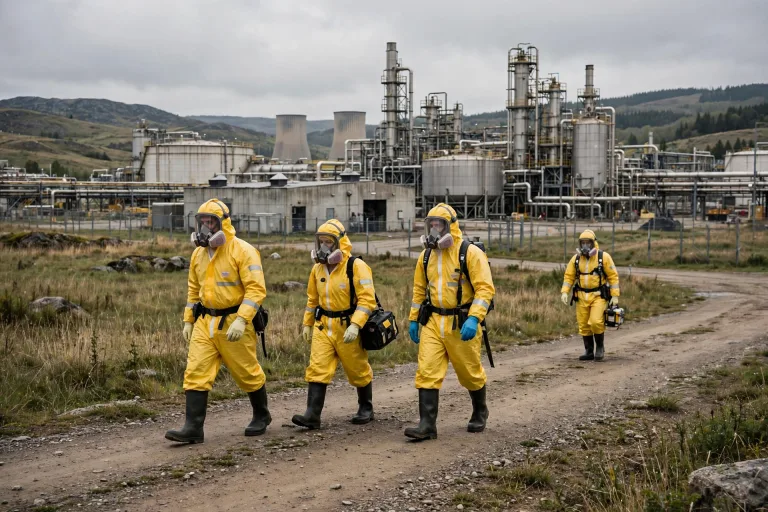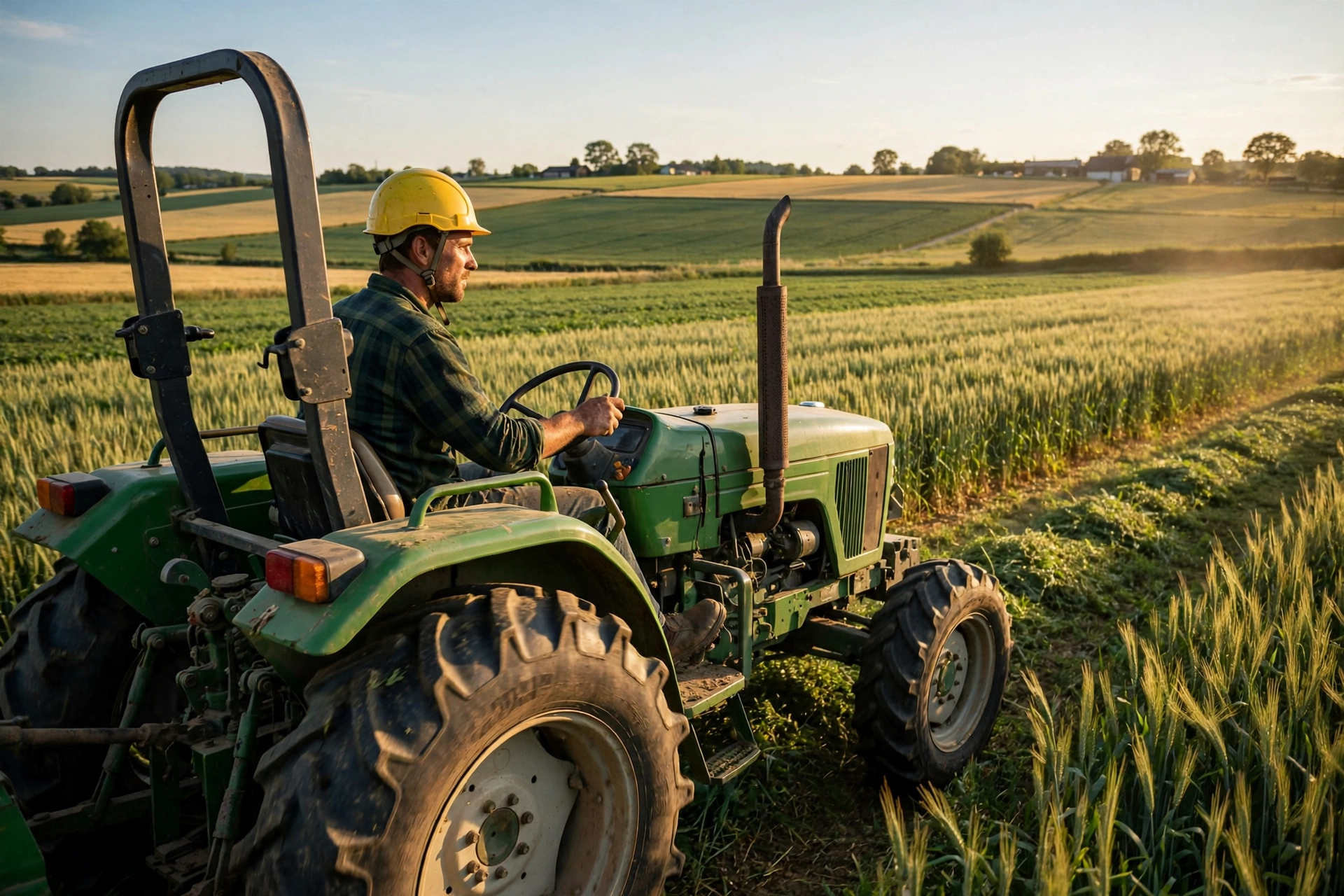
A helmet for farmers is a hard hat style helmet worn on the farm to protect the head from falls, falling objects, and knocks from machinery, and in general terms every farmer who works around buildings, livestock, or equipment should wear one that fits well and suits the job at hand. Farm work takes a person into barns, sheds, fields, and yards, often in a hurry and often alone, and the head is at risk in all of those places. A helmet made for farm work is simple, practical safety equipment, and it can make the difference between a bump and a serious injury.
Farming is physical work with heavy things overhead and underfoot. A farmer may climb into a loft, work under a low beam, handle a restless animal, or stand close to a tractor with a loader raised. Any of those jobs can end with a knock to the head, and a helmet spreads the force of that knock. That is why helmets are now a normal sight on many farms, in the same way that gloves and boots are.
Why do farmers need a helmet?
Farmers need a helmet because the farm is full of hard surfaces, heavy objects, and sudden movements. A fall from a ladder, a slip on a wet yard, or a knock from a swinging gate can all strike the head, and a farmer who works alone may have nobody nearby to help. In general terms, a helmet gives the farmer a hard shell and a shock-absorbing lining between their head and whatever hits it, and that protection is worth having on every working day, not only on days when the work looks dangerous.
Livestock is another reason. A cow, a horse, or a sheep can move without warning, and a kick or a sudden shove can catch a farmer off guard. A helmet cannot remove that risk, but it can reduce the harm from a blow to the head, and it can also protect against a fall onto concrete or stone if the farmer is knocked over. Machinery adds to the risk too, with loaders, augers, and moving parts all close to head height in a busy yard.
What kind of helmet is best for farmers?
The best helmet for farmers is, in general terms, a hard hat style helmet made for work, with a hard outer shell, a comfortable inner harness, and a chin strap that holds it in place when the farmer bends, climbs, or moves quickly. It should be light enough to wear for a long working day, and it should be comfortable in hot weather as well as in the cold. Vents that let air in without letting in dust and rain are useful, and a brim keeps sun and rain out of the eyes.
The helmet should also work well with the rest of the farmer’s kit. Ear defenders should fit over or under the helmet without pressing painfully, safety glasses should sit neatly against it, and a head torch should be easy to clip on for early morning or late evening work. A helmet that clashes with ear protection or glasses will be left off, so trying the helmet on with the full kit is the best way to be sure that everything works together.
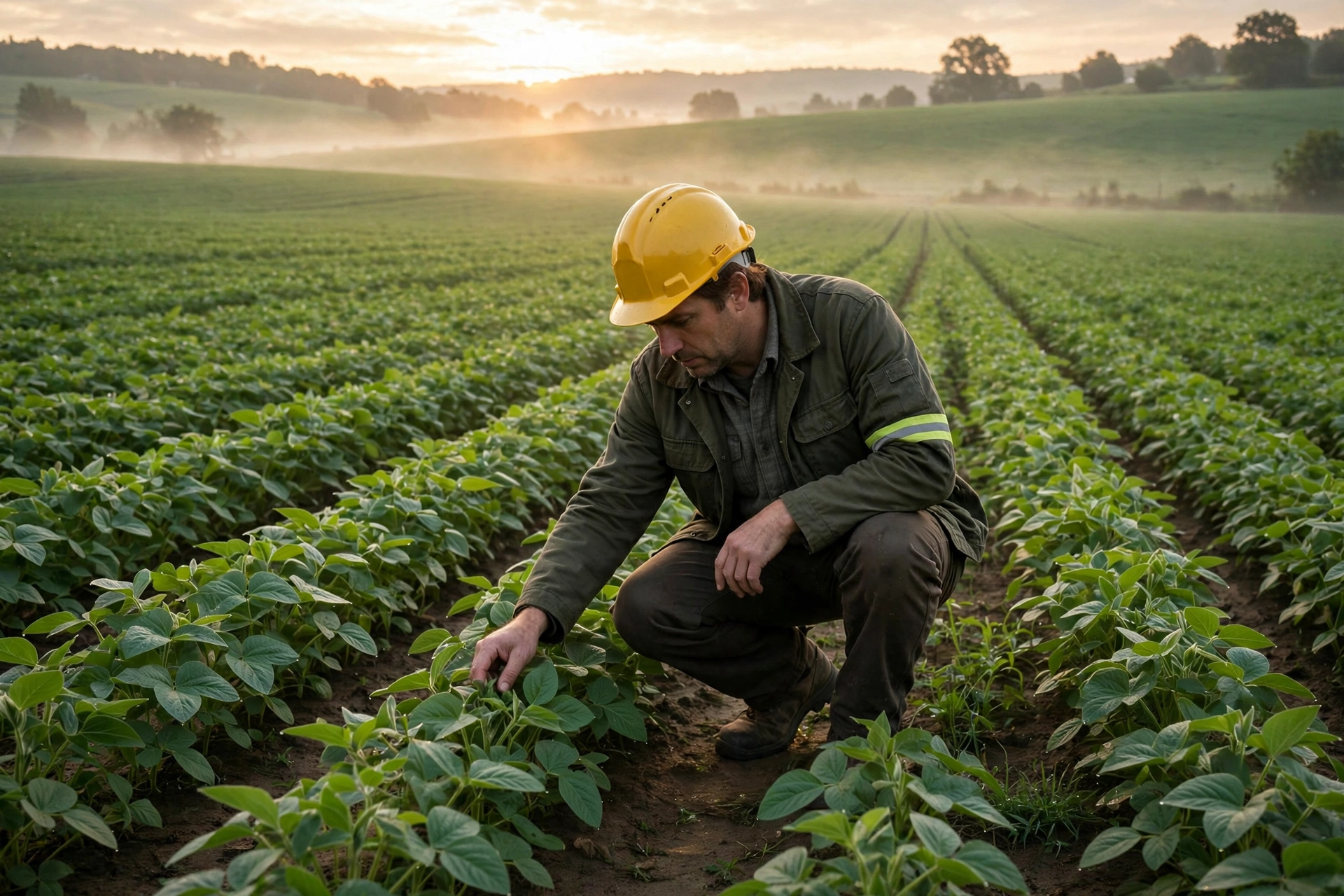
How should a helmet for farmers fit?
A helmet for farmers should fit snugly, sit level on the head, and stay in place when the farmer bends down, climbs a ladder, or looks up at a roof. The helmet should cover the top of the head and the forehead, and the harness inside should be adjusted so that the shell sits evenly, without pressing in one spot. The chin strap, where one is fitted, should be fastened securely whenever the farmer is working at height or around livestock.
The fit should be checked with the work clothes and headwear the farmer will actually use, including a warm hat in winter or a cap in summer. A helmet that fits well over bare hair may feel tight over a thick beanie, and a helmet fitted over winter layers may feel loose without them. The farmer should also check that the helmet does not block their hearing, because a farmer needs to hear machinery, animals, and warnings from other workers.
What should a farmer check before starting work?
Before starting work, a farmer should check the helmet for cracks, dents, or damage to the shell, and should look at the harness, the strap, and the buckle to make sure they are sound and working. A helmet that has been dropped onto concrete, or that has taken a knock from a falling tool, should be looked at with care, and in general terms a helmet that has taken a serious impact should be replaced rather than used again. The damage may not be easy to see, so the farmer should think honestly about what the helmet has been through.
The farmer should also check that the helmet is clean and dry, that the harness has no loose parts, and that the shell has not gone brittle from long exposure to sun. Farm helmets live a hard life, out in all weathers, and a quick check at the start of the day is better than finding a problem halfway through a job. The helmet is only one part of staying safe on the farm, and it works best when the farmer also takes care with ladders, machinery, and animals.
How should a farm helmet be looked after?
A farm helmet should be looked after with regular cleaning and sensible storage, in the same way as any work helmet. After a dusty or muddy day, the farmer should wipe the outside clean, rinse off mud and animal waste, and let the helmet dry naturally away from direct heat. Strong heat, such as a hot tractor cab or direct sun on a dashboard, can harm the materials in a helmet over time, so a cool, dry place is a better choice for storage.
The helmet should be kept where it will not be knocked about, sat on, or used as a shelf for tools, because a hard knock can damage it even when no crack is visible. A hook by the door or a shelf in the barn is a simple way to keep it safe between jobs. Farmers who are choosing a new helmet may also want to learn about features that can help in a fall, including a system designed to reduce rotational forces, such as MIPS, which is found in some helmets made for work and outdoor use. A well-kept helmet, worn every working day, gives a farmer the best chance of going home safe at the end of the day.
Do all farmers wear a helmet?
No, not all farmers wear a helmet, but more do now than in the past, and many farm safety schemes recommend it. A farmer who works around buildings, livestock, or machinery has good reason to wear one.
Can a construction hard hat be used on a farm?
Yes, in general terms a construction hard hat that fits well and is in good condition is often suitable for farm work. The key points are fit, comfort, and a secure strap for work at height or around animals.
When should a farm helmet be replaced?
A farm helmet should be replaced after a hard impact, or when it no longer fits well, shows damage, or has been worn for a long time. When in doubt, replace it rather than keep working in it.

Olivia
Writer at Helmet Today, covering helmet reviews, fit and riding safety.